
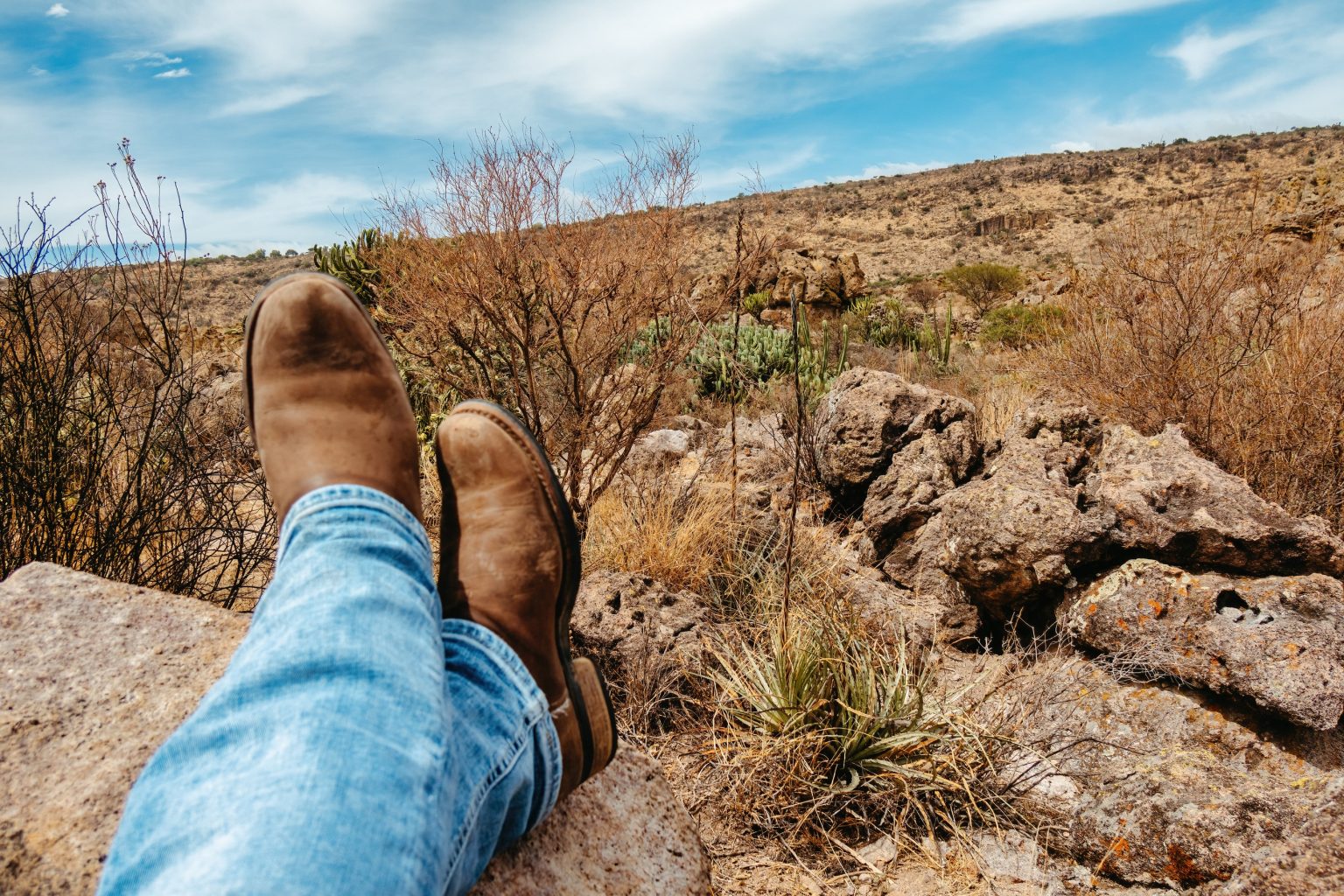
Much is often said about Mexico’s vibrant culture, turquoise beaches, and ancient architecture, yet its deserts remain surprisingly overlooked. Across northern Mexico, the Sonoran Desert and Chihuahuan Desert offer some of North America’s most varied arid landscapes, from cactus-covered plains and rugged mountains to sweeping dunes and salt flats.
- Understanding Mexico’s Desert Landscapes
- Climate and Weather Conditions
- Preparing for Your Trip to the Mexican Desert
- Choosing the Right Desert Destination
- Learning About Local and Indigenous Cultures
- Trip Planning and Logistics
- What to Pack for Mexico’s Deserts
- Safety Considerations in Mexico’s Deserts
- Exploring Mexico’s Deserts
- Natural and Cultural Highlights
- Comfort and Food in the Desert
- Desert Photography in Mexico
- Best Time to Visit Mexico’s Deserts
- Planning a Safe and Responsible Desert Journey
These regions support remarkable wildlife and Indigenous communities with longstanding connections to the land. Exploring Mexico’s deserts requires thoughtful planning, cultural awareness, and respect for fragile ecosystems.
With the right preparation, a desert trip can be both rewarding and safe. This guide covers the essential Mexico desert travel tips for exploring Baja California’s desert landscapes, the cactus forests of Sonora, the dunes of Samalayuca, and the unusual aquatic ecosystems of Cuatro Ciénegas.
Understanding Mexico’s Desert Landscapes
The Chihuahuan Desert
The Chihuahuan Desert extends across northern Mexico and into the southwestern United States. In Mexico, it covers large areas of Chihuahua, Coahuila, Durango, and parts of Nuevo León and other northern states. Its landscapes include broad plains, mountain ranges, canyons, salt flats, and distinctive gypsum dunes.
Typical desert vegetation includes yucca, agave, creosote bush, and other plants adapted to limited rainfall. The region also supports a variety of reptiles, birds, and mammals.
One of its best-known natural areas is Cuatro Ciénegas, in Coahuila. This protected basin contains clear pools, wetlands, and unusual ecosystems that support numerous endemic species. Visitors should follow local conservation rules because these habitats are particularly sensitive to disturbance.
The Sonoran Desert
The Sonoran Desert stretches across northwestern Mexico and southwestern Arizona, with desert environments extending through parts of the Baja California Peninsula. Its landscapes range from rocky mountain slopes and cactus-covered plains to coastal areas near the Gulf of California.
The region is famous for its large cacti, including the cardón, which is especially characteristic of the Baja California Peninsula. Other areas support distinctive cactus communities, seasonal wildflowers, and wildlife adapted to extreme temperature changes.
For visitors, the Sonoran Desert offers opportunities for hiking, wildlife observation, landscape photography, and guided excursions. Conditions vary considerably between inland deserts, mountain areas, and coastal environments, so choose activities suited to the specific destination.
Other Arid Regions in Mexico
Mexico has several other remarkable desert and semi-arid landscapes, each offering a different travel experience.
- Valle de los Cirios, Baja California: Known for its distinctive boojum trees, unusual plant formations, and remote desert scenery.
- Samalayuca Dunes, Chihuahua: A landscape of shifting sand dunes suited to guided sandboarding, photography, and selected outdoor activities.
- Mapimí Biosphere Reserve: A protected area with arid plains, distinctive geological features, and desert wildlife.
- Cuatro Ciénegas, Coahuila: A conservation area known for its pools, wetlands, gypsum dunes, and unusual aquatic ecosystems.
These destinations range from accessible sightseeing areas to remote locations where visitors need additional planning and local guidance.
Climate and Weather Conditions
Temperatures in parts of Mexico’s deserts can exceed 40°C during summer, particularly in exposed lowland areas. Winter days may be mild, but temperatures can fall sharply after sunset, especially in elevated or remote locations.
Before travelling, check the forecast for your exact destination. Desert weather can change quickly, and seasonal rain may produce flash floods in dry washes, canyons, and riverbeds.
Keep these weather precautions in mind:
- Avoid strenuous outdoor activities during the hottest part of the day.
- Carry enough water for the planned route and allow extra for unexpected delays.
- Bring warm clothing for evenings and early mornings.
- Check for storm warnings before entering canyons, dry riverbeds, or low-lying areas.
- Postpone excursions when extreme heat or severe weather makes conditions unsafe.
Preparing for Your Trip to the Mexican Desert
Choosing the Right Desert Destination
The best destination depends on your interests, available time, transportation, and comfort level with remote travel.
- Cuatro Ciénegas: Explore unusual natural habitats and learn about the importance of ecosystem conservation.
- The Sonoran Desert: Discover cactus landscapes, mountain scenery, and opportunities for wildlife observation.
- Samalayuca Dunes: Consider guided sandboarding and other activities permitted in the dune area.
- Baja California’s deserts: Plan scenic road trips through distinctive cactus landscapes and remote coastal environments.
- Mapimí Biosphere Reserve: Focus on desert ecology, geological features, and responsible nature-based tourism.
Check access conditions, local regulations, and available services before choosing an itinerary. Some areas require a guide or advance arrangements, while others have limited facilities.
Learning About Local and Indigenous Cultures
Several Indigenous peoples have longstanding connections to Mexico’s arid and semi-arid regions. These include the Rarámuri, particularly associated with the Sierra Tarahumara in Chihuahua, as well as the Comcaac (Seri) of the Sonoran coast and the Yoreme (Mayo) communities of northwestern Mexico.
Their histories and cultural practices differ, and not every community lives in the same desert environment. Visitors should avoid treating Indigenous cultures as a single tradition.
Travel respectfully by following these practices:
- Ask permission before photographing people, ceremonies, or private property.
- Follow local guidance when visiting community-managed areas.
- Purchase crafts and services directly from local makers and businesses when possible.
- Respect restrictions on sacred places and cultural activities.
- Learn about the specific community and region before visiting.
Responsible travel supports local livelihoods while allowing visitors to learn about the cultural diversity of northern Mexico.
Trip Planning and Logistics
Services can be widely spaced in remote desert regions. Some routes have limited fuel stations, accommodation, repair facilities, and mobile coverage.
Before setting out:
- Plan fuel stops and confirm that stations along your route are operating.
- Check your vehicle’s tyres, brakes, cooling system, and spare tyre.
- Download offline maps and carry a reliable navigation backup.
- Tell someone your route and expected return time.
- Check road conditions and access restrictions with local authorities or guides.
- Carry emergency supplies in case a journey takes longer than expected.
Do not assume that every desert road is suitable for an ordinary vehicle. Research the route before departure and use a suitable vehicle or local transport service where necessary.
What to Pack for Mexico’s Deserts
Clothing for Day and Night
Choose clothing that protects you from the sun while allowing heat to escape. Lightweight, breathable fabrics are useful during the day, while long sleeves and trousers can reduce sun exposure and contact with rough vegetation.
Essential clothing and accessories include:
- A wide-brimmed hat or other effective sun protection.
- UV-protective sunglasses.
- Lightweight, long-sleeved shirts and trousers.
- A warm jacket or fleece for cooler evenings.
- A neck covering or scarf for dusty conditions.
- Comfortable clothing suited to hiking and outdoor activities.
Gear and Footwear
The right equipment depends on the terrain and planned activities. Rocky trails, sandy dunes, and remote road routes may require different footwear and gear.
Consider packing:
- Sturdy hiking shoes or boots suited to the terrain.
- A daypack for water, food, and essential supplies.
- A headlamp with spare batteries.
- Paper maps or another navigation backup.
- A fully charged phone and portable power bank.
- A first-aid kit and basic emergency equipment.
- A spare tyre and suitable repair tools for road trips.
Check activity-specific requirements before leaving, especially if you plan to hike in remote areas or drive on sandy tracks.
Health and Hydration Essentials
Water is one of the most important supplies for any desert trip in Mexico. Carry enough for the route, weather, activity level, and duration, with an additional reserve for delays. Requirements vary, so do not rely on a single fixed quantity for every trip.
Useful supplies include:
- Drinking water and, where appropriate, electrolyte replacement.
- High-SPF sunscreen.
- Lip balm and skin moisturizer.
- A basic first-aid kit.
- Any personal medication you need.
- Snacks that can withstand heat.
- Insect repellent where local conditions warrant it.
Keep supplies protected from direct sunlight and check them before departure.
Safety Considerations in Mexico’s Deserts
Managing Heat and Sun Exposure
Extreme heat is one of the main hazards in desert environments. Plan demanding activities for the cooler hours, take regular breaks, and avoid pushing ahead when temperatures become dangerous.
To reduce heat-related risks:
- Start hikes early when conditions allow.
- Rest in shade whenever possible.
- Drink water regularly and adjust your pace to the weather.
- Wear sun-protective clothing and apply sunscreen as directed.
- Watch for symptoms such as dizziness, nausea, unusual weakness, or confusion.
- Stop activity and seek urgent help if serious heat illness is suspected.
Do not assume that cloudy weather eliminates the risk of overheating. Sun exposure and dehydration can remain significant even when the sky is overcast.
Wildlife Awareness
Wildlife in Mexico’s deserts includes coyotes, scorpions, rattlesnakes, and many smaller animals. Most wild animals avoid people, but encounters can happen around rocks, vegetation, campsites, and buildings.
Follow these precautions:
- Observe wildlife from a safe distance.
- Never attempt to handle snakes, scorpions, or unfamiliar animals.
- Check footwear and clothing before putting them on after leaving them outside.
- Avoid reaching blindly into rock crevices or under stones.
- Keep food secured at campsites.
- Follow local advice about wildlife that may be active in the area.
If you encounter a potentially dangerous animal, give it space and allow it to move away.
Navigation and Weather Awareness
Remote desert areas may have few signs, limited mobile reception, and long distances between services. A phone alone is not a dependable navigation or emergency plan.
For safer travel:
- Download maps before entering areas with limited coverage.
- Carry a backup navigation method.
- Stay on permitted routes and established trails.
- Check the forecast before hiking or driving through canyons.
- Avoid dry washes and low-lying channels when storms threaten.
- Consider a qualified local guide for unfamiliar or remote terrain.
Sudden rainfall can cause flash floods even when the sky above your immediate location appears clear.
Exploring Mexico’s Deserts
Driving Through Desert Regions
A reliable vehicle is essential for many desert road trips. A 4×4 vehicle may be necessary on deep sand, rough tracks, or other difficult terrain, but it is not automatically required for every desert destination.
Before driving, prepare the vehicle and supplies:
- Carry a suitable spare tyre and tools.
- Bring sufficient fuel for the planned route.
- Keep drinking water and emergency supplies in the vehicle.
- Check road conditions and access restrictions.
- Avoid entering soft sand or isolated tracks without the right vehicle and experience.
- Tell someone your route and expected arrival time.
For remote journeys, consider travelling with an experienced local operator rather than attempting unfamiliar terrain independently.
Hiking and Trekking
Mexico’s desert regions offer opportunities for hiking across open plains, mountain slopes, rocky terrain, and selected dune areas. Conditions vary considerably, so choose routes according to your fitness, experience, and the weather.
Possible hiking experiences include:
- Guided walks in permitted areas around Cuatro Ciénegas.
- Mountain and desert trails in parts of northern Coahuila.
- Selected routes through the arid landscapes of Baja California.
- Nature walks in designated areas of the Sonoran Desert.
Before starting a hike, check trail access, difficulty, shade availability, and water requirements. Stay on established routes where possible and avoid entering restricted conservation areas.
Desert Camping
Camping offers opportunities to experience quiet desert evenings and clear night skies. However, facilities and regulations differ from one destination to another, and not every area permits overnight stays.
Before camping:
- Confirm that overnight stays are permitted.
- Use designated campsites where available.
- Bring warm layers for after sunset.
- Carry sufficient drinking water and food.
- Protect food and rubbish from wildlife.
- Follow fire restrictions and avoid damaging vegetation.
- Leave the campsite clean and take all waste with you.
Remote camping requires additional preparation because help and basic services may be far away.
Natural and Cultural Highlights
Cuatro Ciénegas
Cuatro Ciénegas is one of northern Mexico’s most distinctive natural destinations. Its basin contains pools, wetlands, gypsum formations, and habitats that support species found nowhere else.
Visitors can learn about the area’s unusual ecosystems through permitted viewpoints and authorized activities. Follow local rules closely, avoid disturbing wildlife, and never enter protected water bodies unless swimming is explicitly allowed.
Samalayuca Dunes
The Samalayuca Dunes, near Ciudad Juárez in Chihuahua, form an extensive landscape of shifting sand. Wind and changing sunlight create striking patterns, making the dunes popular for photography and selected outdoor activities.
Visitors may be able to arrange guided sandboarding or other excursions, depending on conditions and local operators. Check access requirements and avoid driving onto dunes without suitable equipment and experience.
Valle de los Cirios
Located in Baja California, Valle de los Cirios is known for its unusual boojum trees, cacti, and remote desert scenery. The area offers opportunities to observe distinctive plant life and photograph landscapes that differ from the more familiar sandy desert image.
Because services are limited in many parts of the region, plan transport, fuel, water, and navigation carefully. Respect protected habitats and avoid damaging plants, even when stopping briefly for photographs.
Comfort and Food in the Desert
Food and Supplies
Towns across northern Mexico offer a range of regional foods. Depending on the destination, travellers may find dishes and ingredients such as:
- Carne asada, a popular grilled-beef dish.
- Beans and tortillas, common staples in many parts of Mexico.
- Grilled meats and other regional preparations.
- Fresh fruit and locally available snacks.
- Packaged foods suitable for longer journeys.
In remote areas, shops and restaurants may be scarce, so carry enough food for the planned trip and a reasonable delay. Choose snacks that can be stored safely in hot conditions, and keep drinking water accessible throughout the day.
Staying Comfortable
Dry air, dust, intense sunlight, and changing temperatures can make desert travel tiring. A few simple habits can improve comfort:
- Take regular breaks, particularly during hikes.
- Wear breathable clothing and suitable footwear.
- Apply sunscreen and protect exposed skin.
- Use moisturizer and lip balm in dry conditions.
- Keep sand out of shoes and equipment.
- Store electronics and personal belongings in protective bags.
- Allow time to rest instead of filling every day with strenuous activities.
Comfort depends on matching your plans to the environment rather than trying to maintain an overly demanding schedule.
Desert Photography in Mexico
Best Photography Locations
Mexico’s arid landscapes offer a range of subjects, from expansive dunes to cactus forests and unusual water habitats.
Consider photographing:
- The white dunes of Samalayuca, particularly when low-angle sunlight brings out their contours.
- Cactus landscapes in Sonora and Baja California.
- The pools and geological features of Cuatro Ciénegas, from authorized viewing areas.
- The open plains and mountain silhouettes of the Chihuahuan Desert.
- Desert plants and wildlife observed without disturbing their habitats.
Early morning and late afternoon often provide softer light and stronger surface detail. Check access rules before photographing protected sites or private land.
Protecting Camera Equipment
Fine sand, dust, and heat can damage cameras and lenses. A little preparation helps protect your equipment during desert excursions.
- Use a protective camera bag or weather-resistant case.
- Keep equipment covered when it is not in use.
- Avoid changing lenses in dusty or windy conditions.
- Carry spare batteries and memory cards.
- Store cleaning cloths in a sealed bag.
- Keep batteries and electronics away from direct sunlight as much as possible.
- Follow manufacturer guidance when moving equipment between very different temperatures.
When photographing people, ask permission first and respect any restrictions on photography.
Best Time to Visit Mexico’s Deserts
Ideal Travel Season
For many northern desert destinations, October to April can offer more comfortable conditions than the hottest summer months. However, the best period depends on the region, elevation, planned activities, and current weather.
Winter days may be pleasant, but nights can become cold. Summer travel requires extra caution because extreme heat can limit safe outdoor activity.
Before booking, check seasonal conditions for your chosen destination and confirm whether roads, campsites, guided excursions, and protected areas are accessible.
Seasonal Highlights
Each season offers different conditions for exploring Mexico’s deserts:
- Winter: Often brings cooler daytime temperatures and good opportunities for outdoor exploration, although nights may be cold.
- Spring: Some areas experience seasonal wildflowers following suitable rainfall.
- Summer: Heat can be severe, making early starts, shorter outings, and careful planning particularly important.
- Autumn: Temperatures may become more comfortable for hiking and camping, depending on local conditions.
Seasonal highlights are not guaranteed. Rainfall, temperature changes, and local conservation measures can affect what visitors experience.
Planning a Safe and Responsible Desert Journey
Common mistakes include carrying too little water, underestimating driving distances, ignoring weather warnings, and relying entirely on mobile navigation. Entering remote terrain without suitable equipment can also turn a routine excursion into a serious problem.
Before departure, make sure you have:
- Checked the forecast and route conditions.
- Planned fuel, food, and water supplies.
- Downloaded maps and prepared a navigation backup.
- Confirmed local access rules and conservation restrictions.
- Chosen clothing and equipment suited to the terrain.
- Arranged a guide when the route or activity requires specialist knowledge.
Responsible planning also means respecting local communities, protecting wildlife, and leaving natural sites as you found them.
Mexico Desert Travel Essentials
Mexico’s deserts offer a varied mix of natural scenery, outdoor activities, and cultural experiences. From the unusual pools of Cuatro Ciénegas to the shifting sands of Samalayuca and the cactus landscapes of the Sonoran Desert, each destination has its own character and practical considerations.
The best desert travel experience in Mexico begins with choosing the right region, preparing for local weather, and understanding the limits of remote travel. With careful planning and respect for the environment and local communities, visitors can explore these landscapes more safely and appreciate what makes each one distinctive.