
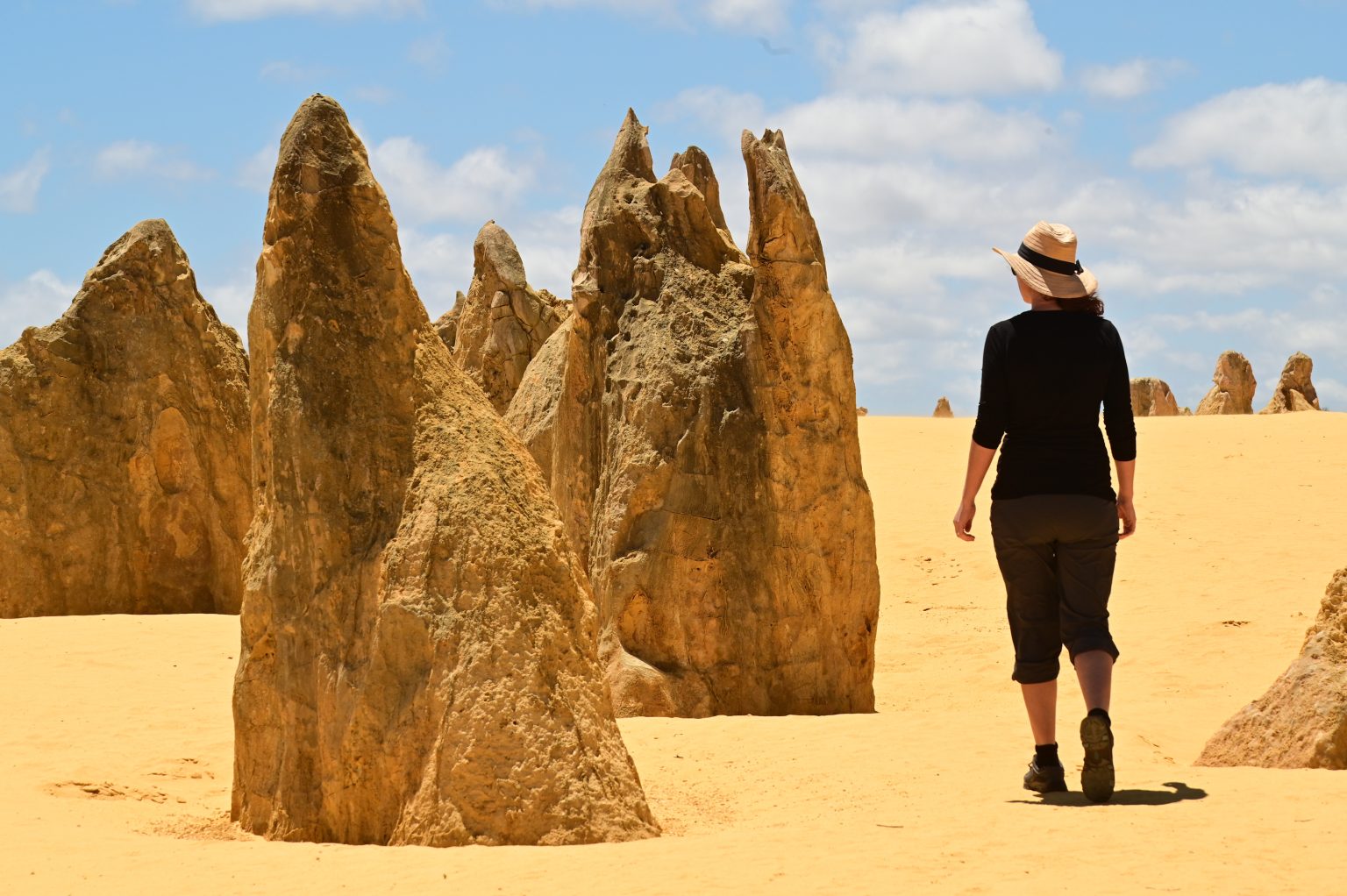
Australia’s interior contains some of the world’s most remote and distinctive dry landscapes. From the Australian desert regions of the vast Outback to the red rock formations of the Red Centre, these environments combine striking geology, specialized wildlife, and a long history of human settlement. This guide to Australia desert travel tips explains how to prepare for remote journeys, choose suitable destinations, and explore the country’s deserts with care for local communities and fragile ecosystems.
- Understanding Australia’s Desert Landscapes
- The Red Centre of Australia
- The Australian Outback
- Major Desert Regions in Australia
- Climate and Environment in Australia’s Deserts
- Preparing for Your Australian Desert Journey
- What to Pack for Australia’s Desert Regions
- Safety Considerations in Australia’s Deserts
- Exploring Australia’s Desert Landscapes
- Walking and Hiking Around Uluru and Kings Canyon
- 4×4 Adventures in the Simpson Desert
- Camping and Stargazing
- Cultural and Natural Highlights
- Food and Comfort in the Australian Outback
- Photography in Australia’s Deserts
- Best Time to Visit Australia’s Deserts
- Planning a Safe and Respectful Journey Through Australia’s Deserts
Understanding Australia’s Desert Landscapes
The Red Centre of Australia
The Red Centre, located in the Northern Territory, is one of Australia’s best-known inland destinations. Its landscapes include red sand plains, rocky ranges, dry valleys, and major landmarks such as Uluru, Kata Tjuta, and Kings Canyon.
The region is also culturally significant to Aboriginal peoples, whose connections to Country include living traditions, knowledge, law, and stories passed between generations. Uluru and the surrounding area hold particular importance for the Anangu people.
Visitors can experience the region through guided cultural activities, designated walking routes, scenic viewpoints, and organized excursions. When planning a visit:
- Check current park entry requirements and visitor guidance.
- Follow signs and restrictions around culturally sensitive places.
- Ask before photographing people or cultural activities.
- Stay on designated paths and respect requests from Traditional Owners.
- Allow enough time for the distances between attractions.
The Red Centre offers more than dramatic scenery. Understanding its cultural significance is an important part of visiting responsibly.
The Australian Outback
The Australian Outback refers broadly to the country’s sparsely populated interior rather than to one specific desert. It spans large areas of several states and territories, including landscapes of dry plains, rocky ranges, grasslands, and desert country.
Travel experiences vary widely. Some destinations have established roads, accommodation, and visitor services, while others require careful planning and specialized vehicles. Long-distance drives, remote settlements, night skies, and opportunities to observe native wildlife are among the region’s attractions.
Before traveling through remote Outback areas, consider:
- The distance between fuel stations and settlements.
- The condition of sealed and unsealed roads.
- Seasonal weather and possible road closures.
- The availability of mobile phone coverage.
- Whether your vehicle and driving experience suit the route.
The Outback should not be treated as one uniform environment. Conditions near established towns can differ considerably from those in isolated desert interiors.
Major Desert Regions in Australia
Australia has several recognized desert regions, each with its own terrain and travel considerations. Notable examples include:
- Great Victoria Desert: a large region extending across parts of Western Australia and South Australia.
- Great Sandy Desert: known for extensive sandy landscapes and significant Aboriginal cultural connections.
- Simpson Desert: famous for long, parallel dune systems and demanding remote travel.
- Gibson Desert: a sparsely populated region with remote tracks and extensive dry terrain.
- Tanami Desert: a broad arid region spanning parts of Western Australia and the Northern Territory.
- Little Sandy Desert: a smaller desert region west of the Gibson Desert.
- Sturt Stony Desert: characterized by stony plains in the inland east.
- Tirari Desert: located in South Australia, with dunes and dry lake environments.
Australia’s deserts are not all made up of red sand dunes. Landscapes can include rocky plains, spinifex-covered ground, salt lakes, dry river channels, and low ranges. Access restrictions and travel conditions differ by region, particularly where routes cross Aboriginal lands or conservation areas.
Climate and Environment in Australia’s Deserts
Australian desert conditions can be severe. Summer heat can become dangerous, especially in exposed areas, while winter nights may be cold. Rain is often limited, but sudden storms can create flooding, muddy tracks, and difficult driving conditions.
Preparation should account for:
- High daytime temperatures and strong sunlight.
- Cold nights and large temperature differences.
- Long distances without shade or services.
- Strong winds, dust, and blowing sand.
- Sudden rainfall that may affect remote roads.
- Limited access to drinking water and emergency assistance.
Always check local forecasts and road conditions for your specific destination. A forecast for a nearby town may not accurately reflect conditions on a remote track.
Preparing for Your Australian Desert Journey
Choosing the Right Desert Destination
The best destination depends on your interests, experience, available time, and willingness to travel in remote conditions.
- Uluru and Kata Tjuta: suitable for cultural learning, scenic walks, and photography.
- Kings Canyon: known for sandstone formations, established walking routes, and panoramic views.
- Simpson Desert: suited to experienced travelers with appropriate 4×4 vehicles and remote-travel preparation.
- Queensland Outback: offers inland landscapes, historic towns, and access to established regional attractions.
- Western Australia’s desert regions: provide opportunities for remote exploration, subject to access rules and local conditions.
For a first visit, destinations with established visitor facilities can be easier to manage than isolated desert crossings. Remote trips require additional equipment, route planning, and an understanding of vehicle limitations.
Understanding Aboriginal Culture
Aboriginal peoples have lived across Australia for tens of thousands of years, with distinct communities, languages, cultural practices, and connections to Country. These traditions should not be treated as one uniform culture.
In the Red Centre, Anangu Traditional Owners maintain deep cultural connections to Uluru and the surrounding landscape. Other desert regions are associated with different Aboriginal peoples, each with their own histories and protocols.
Travelers can show respect by following a few important principles:
- Learn about the Traditional Owners of the area you plan to visit.
- Follow cultural restrictions and park guidance.
- Do not enter closed or sacred areas.
- Ask permission before photographing people or cultural activities.
- Choose Indigenous-led tours when available and appropriate.
- Avoid collecting natural materials or disturbing cultural sites.
Learning about Country through local guides and authorized visitor resources can provide a more informed understanding of the landscape and its significance.
Planning Your Route
Remote Australian journeys require realistic distances, suitable transport, and enough time to respond to changing conditions. Even when two locations appear relatively close on a map, unsealed roads and difficult terrain may make the journey much longer than expected.
Before departure:
- Map fuel stops, accommodation, and water supplies.
- Check road closures and access conditions.
- Confirm whether permits or permissions are required.
- Tell someone your planned route and expected arrival time.
- Carry reliable navigation tools and offline maps.
- Allow extra time for delays caused by weather or road conditions.
If your route crosses Aboriginal lands, confirm the relevant access requirements before setting out. Some areas require permits, and some roads may be closed to visitors.
What to Pack for Australia’s Desert Regions
Clothing for Extreme Conditions
Clothing should protect you from intense sunlight during the day and cooler temperatures after sunset. Breathable fabrics are useful in warm weather, while layers help you adapt to changing conditions.
Recommended items include:
- Lightweight, long-sleeved shirts.
- Comfortable trousers suitable for walking.
- A wide-brimmed hat and UV-protective sunglasses.
- High-SPF sunscreen.
- A warm jacket or fleece for cold evenings.
- A wind-resistant outer layer.
- Sturdy walking shoes or hiking boots.
For remote journeys, pack clothing appropriate for the season and the specific region. Do not assume that desert temperatures remain high after dark.
Footwear and Essential Equipment
Your equipment should match your route and activities. A short walk near an established visitor centre requires less preparation than a multi-day journey through remote desert terrain.
Useful equipment includes:
- A comfortable daypack.
- Sturdy footwear with good grip.
- A headlamp or flashlight.
- Offline maps and a reliable navigation device.
- A power bank and charging cables.
- A first-aid kit.
- A vehicle recovery kit when appropriate for the route.
- Emergency communication equipment for remote travel.
For isolated trips, a standard mobile phone may not provide sufficient communication coverage. Consider a suitable satellite communication device and understand how to use it before departure.
Water, Food, and Personal Care
Carrying adequate water is essential in hot, dry environments. Requirements vary according to temperature, activity, route length, and individual needs, so plan for the entire journey and allow a reserve for unexpected delays.
Pack:
- Sufficient drinking water and suitable reserve supplies.
- Non-perishable food and practical snacks.
- Sunscreen and lip balm.
- Personal medication.
- Basic first-aid supplies.
- Insect repellent where appropriate.
- Waste bags to carry rubbish out of remote areas.
Never assume that a remote campsite or track will have drinking water available. Confirm supplies in advance and do not rely on natural water sources without reliable information about their safety.
Safety Considerations in Australia’s Deserts
Managing Heat and Sun Exposure
Heat illness can develop quickly during strenuous activity in exposed areas. Long walks, climbing, and driving in extreme temperatures require careful planning.
Reduce risks by following these precautions:
- Plan strenuous outdoor activities for cooler parts of the day.
- Take regular breaks in shade where available.
- Drink water frequently.
- Wear protective clothing and a hat.
- Check heat warnings and local advice.
- Stop activity if you feel unwell.
Confusion, collapse, or other severe symptoms can indicate a medical emergency. Seek urgent assistance rather than attempting to continue the journey.
Remote Driving and Navigation
Driving long distances through the Outback requires more than a full fuel tank. Some roads are unsealed, mobile coverage can be unreliable, and conditions may change after rainfall.
Before driving:
- Check road conditions with reliable local sources.
- Confirm that your vehicle is suitable for the route.
- Inspect tires, including the spare.
- Carry appropriate recovery equipment if required.
- Inform someone of your itinerary.
- Avoid driving unfamiliar remote tracks after dark.
- Turn back if the route becomes unsafe.
Do not rely solely on a navigation app for remote travel. Carry offline maps and make sure you understand the route before leaving areas with reliable services.
Wildlife Awareness
Australian desert environments support wildlife adapted to arid conditions, including reptiles, birds, small mammals, and larger species in suitable habitats. Sightings depend on location, season, and weather.
For safer wildlife observation:
- Keep a respectful distance from animals.
- Never feed or handle wildlife.
- Watch where you place your hands and feet.
- Use a flashlight when walking around campsites after dark.
- Keep food secured and follow campsite guidance.
- Follow local advice about potentially dangerous species.
Wildlife is an important part of desert ecosystems. Observing animals without disturbing them helps protect both visitors and the environment.
Exploring Australia’s Desert Landscapes
Walking and Hiking Around Uluru and Kings Canyon
The Red Centre offers several established walking opportunities, but conditions vary by route and season. Visitors should check current advice before beginning a walk, especially during periods of high temperatures.
When planning a hike:
- Check the route length and difficulty.
- Carry sufficient water.
- Wear sun protection and suitable footwear.
- Follow signs and any closure notices.
- Start early when conditions are cooler.
- Allow enough time to complete the walk safely.
Kings Canyon is known for its sandstone scenery and established trails. Some routes involve steep sections and exposed areas, so choose a walk suited to your fitness and the conditions.
At Uluru, follow current park guidance and respect cultural protocols. The landscape’s significance to Traditional Owners is central to the visitor experience.
4×4 Adventures in the Simpson Desert
The Simpson Desert is known for its extensive dune systems and challenging remote tracks. Crossing it is not an ordinary sightseeing drive and is best suited to travelers with suitable vehicles, experience, equipment, and preparation.
Before attempting a crossing:
- Check seasonal access and track conditions.
- Confirm permit requirements and local restrictions.
- Prepare the vehicle for remote travel.
- Carry sufficient fuel, water, food, and emergency supplies.
- Understand tire-pressure management and recovery procedures.
- Travel with appropriate communication equipment.
- Avoid entering the desert when conditions make the route unsafe.
A guided trip may be a better option for travelers without substantial remote-driving experience. Even experienced drivers should be prepared to delay or abandon a crossing if conditions deteriorate.
Camping and Stargazing
Camping in Australia’s desert regions can offer wide views of the night sky and an opportunity to experience the landscape away from towns. However, facilities vary considerably between established campgrounds and remote areas.
Before camping, check:
- Whether camping is permitted at your chosen location.
- Whether bookings or permits are required.
- The availability of toilets and drinking water.
- Local fire restrictions.
- Expected overnight temperatures and wind.
- Rules for rubbish and waste disposal.
Bring suitable sleeping equipment, warm layers, a headlamp, and enough water and food for your stay. Use established campsites where possible and leave the area clean.
Cultural and Natural Highlights
Uluru and Kata Tjuta
Uluru is one of Australia’s most recognizable natural landmarks and a place of profound cultural significance to the Anangu Traditional Owners. The changing colours of the rock, surrounding desert vegetation, and broad horizons make it a major destination in the Red Centre.
Nearby Kata Tjuta consists of large domed rock formations and offers designated walking opportunities when conditions allow.
Visitors should:
- Follow current park information and walking restrictions.
- Respect culturally sensitive areas.
- Avoid climbing or entering prohibited locations.
- Learn about the landscape through approved interpretive resources and cultural experiences.
Kings Canyon and the Red Centre
Kings Canyon, in Watarrka National Park, is known for its high sandstone walls, rugged terrain, and panoramic views. The surrounding landscape contains dry vegetation and geological features shaped over long periods.
Walking routes vary in length and difficulty. Check current conditions, carry adequate water, and choose a route appropriate for your experience.
Remote Desert Landscapes
Beyond the Red Centre’s best-known attractions, Australia’s deserts contain broad plains, dune fields, salt lakes, and rocky landscapes. The Great Victoria, Great Sandy, Gibson, and Tanami deserts offer different environments, but many areas are remote and have limited visitor facilities.
Travelers considering these regions should research:
- Access permissions and land ownership.
- Road and track conditions.
- Availability of fuel and accommodation.
- Seasonal weather risks.
- Cultural and environmental restrictions.
Remote desert travel is best approached with careful preparation and a clear understanding of the route.
Food and Comfort in the Australian Outback
Food and Supplies
Food options depend on whether you are staying near a regional town, an established campground, or a remote desert route. Regional towns provide opportunities to stock up before traveling into areas with few services.
For remote journeys, carry:
- Enough drinking water for the planned route and a reserve.
- Non-perishable meals and snacks.
- Food that can be stored safely in your vehicle.
- Supplies suited to any dietary requirements.
- Waste bags for rubbish and food packaging.
Do not assume that shops, fuel stations, or restaurants will be open along every route. Check opening hours and supply options before leaving a town.
Staying Comfortable
Simple preparations can make a significant difference in hot, dusty, and remote environments.
- Drink water regularly.
- Protect yourself from sunlight and wind.
- Keep essential supplies within reach.
- Secure food and rubbish.
- Prepare for cold nights.
- Take breaks during long drives.
- Follow campsite rules and local fire restrictions.
Comfort also depends on knowing when to stop. If heat, fatigue, or road conditions make travel unsafe, adjust the itinerary rather than pressing on.
Photography in Australia’s Deserts
Best Locations and Light Conditions
Australia’s desert landscapes offer a range of photographic subjects, from monumental rock formations to distant dunes and expansive night skies.
Popular subjects include:
- Uluru during changing morning and evening light.
- Kata Tjuta and its distinctive domed formations.
- Kings Canyon and its sandstone walls.
- The long dune lines of the Simpson Desert, where access is permitted.
- Remote Outback landscapes and star-filled skies.
Early morning and late afternoon often provide softer light and more defined textures. Always follow site restrictions and respect cultural protocols when photographing significant places.
Protecting Camera Equipment
Dust, heat, and sudden weather changes can affect camera equipment. Remote locations may also offer limited opportunities to recharge devices or replace damaged gear.
Protect your equipment by:
- Keeping cameras in a protective bag when not in use.
- Avoiding lens changes in dusty or windy conditions.
- Carrying spare batteries and memory cards.
- Securing tripods and lightweight equipment.
- Protecting electronics from excessive heat.
- Keeping charging equipment organized.
At culturally sensitive sites, follow photography rules and avoid disturbing the landscape for a better composition.
Best Time to Visit Australia’s Deserts
Ideal Travel Seasons
The best time to visit depends on the destination and the activities planned. Many travelers prefer the cooler months for exploring the Red Centre, while remote desert crossings require careful attention to seasonal access and road conditions.
General considerations include:
- Autumn: can offer more comfortable conditions for outdoor exploration, depending on the region.
- Winter: often brings cooler daytime conditions in central Australia, but nights can be cold.
- Spring: temperatures gradually rise, so check forecasts before planning strenuous activities.
- Summer: can bring extreme heat, making some walks and remote journeys hazardous.
These are broad seasonal patterns, not guarantees of safe conditions. Check current weather alerts, park guidance, and road access information before departure.
Seasonal Planning and Access
Weather can affect more than comfort. Rain may close remote tracks, while extreme heat can lead to restrictions on walking routes or outdoor activities.
Before traveling:
- Confirm park opening information.
- Check road closures and permit requirements.
- Book accommodation when needed.
- Review local advice on heat and fire danger.
- Build flexibility into your schedule.
For remote journeys, postponing a trip may be the safest decision when weather or access conditions are unsuitable.
Planning a Safe and Respectful Journey Through Australia’s Deserts
Australia’s deserts combine remarkable natural scenery with diverse ecosystems and deep cultural connections. From Uluru and Kata Tjuta in the Red Centre to the challenging dunes of the Simpson Desert and the remote landscapes of the wider Outback, each destination requires its own approach to preparation and travel.
The key is to match your route to your experience, carry sufficient supplies, check weather and access conditions, and respect the guidance of Traditional Owners and park authorities. Avoid underestimating distances, heat, or the demands of remote driving.
With thoughtful planning and respect for Country, Australia’s desert regions can offer rewarding experiences in some of the country’s most distinctive landscapes.