
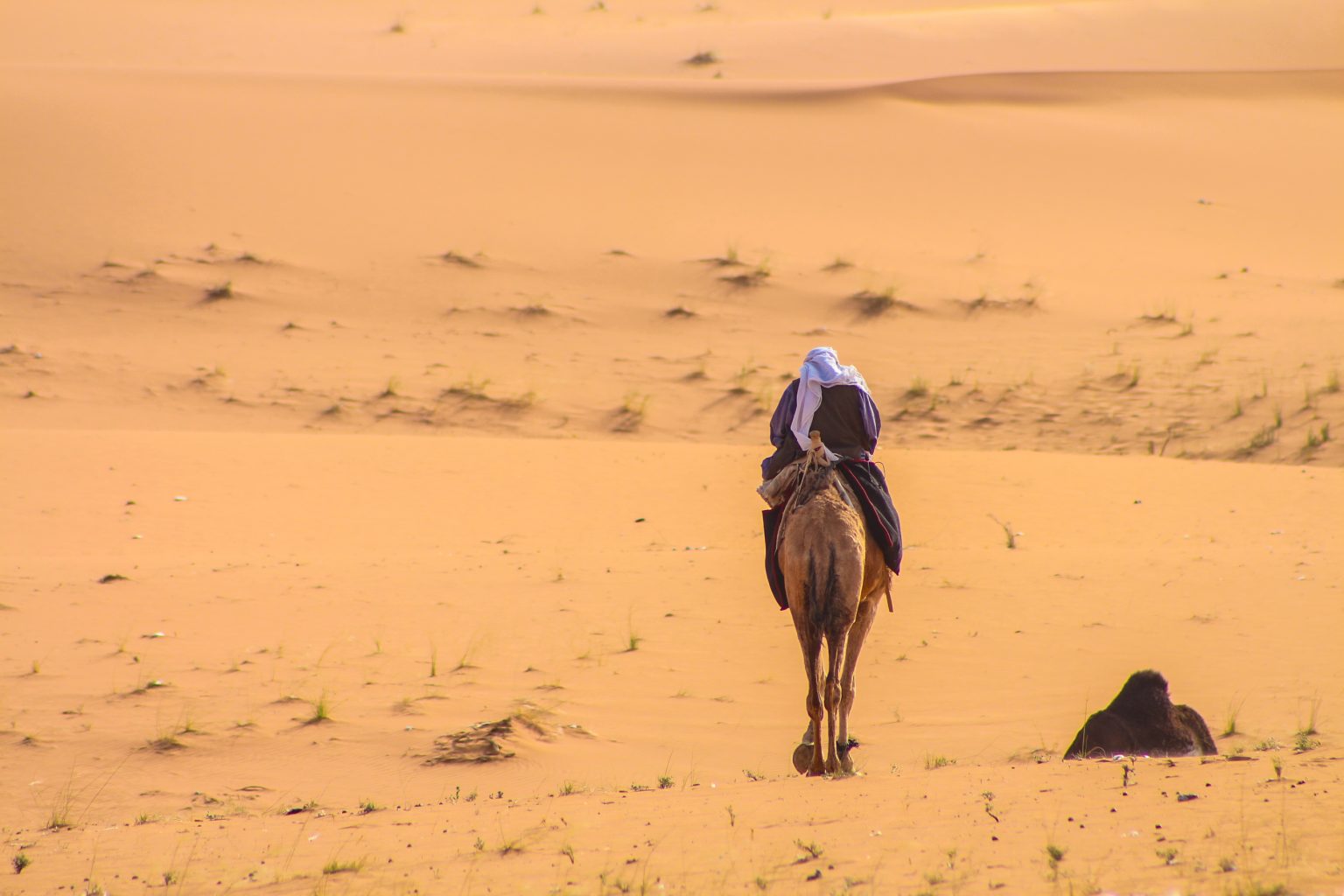
Kuwait’s desert is a landscape of sandy stretches, gravel plains, and open horizons that cover much of the country. Although it may appear relatively uniform at first, its terrain supports hardy vegetation and wildlife adapted to dry conditions. The region also reflects a long history of Bedouin culture and life in an arid environment.
- Understanding Kuwait’s Desert Landscape
- Geography and Terrain of the Kuwaiti Desert
- Main Desert Areas in Kuwait
- Climate and Weather Conditions
- Preparing for Your Desert Trip in Kuwait
- What to Bring to the Kuwaiti Desert
- Safety Considerations in Kuwait’s Desert
- Exploring and Enjoying Kuwait’s Desert
- Cultural and Historical Highlights
- Food and Comfort in the Desert
- Photography in Kuwait’s Desert
- Best Time to Visit Kuwait’s Desert
- Planning a Safe and Rewarding Visit to Kuwait’s Desert
Today, Kuwait desert travel offers opportunities for winter camping, stargazing, wildlife observation, and visits to rural and historical areas. With suitable preparation, visitors can explore the Kuwaiti desert safely while learning about local traditions and enjoying the quieter side of the country.
Understanding Kuwait’s Desert Landscape
Geography and Terrain of the Kuwaiti Desert
Kuwait’s desert includes broad sandy plains, low dunes, and areas of gravel-covered ground. The terrain varies across the country, with some areas offering open views and others featuring low ridges, seasonal vegetation, and agricultural land.
Despite limited rainfall, the desert supports plants and animals adapted to dry conditions. Seasonal weather can also change its appearance, particularly after rainfall, when vegetation may become more visible in certain areas.
Visitors exploring the landscape can look for:
- Low dunes and sandy plains.
- Gravel-covered terrain and rocky patches.
- Seasonal desert vegetation.
- Open viewpoints suitable for landscape photography.
The relatively flat terrain should not be mistaken for an absence of risk. Long distances, extreme temperatures, and limited services can make remote areas challenging to explore.
Main Desert Areas in Kuwait
Several areas offer different settings for outdoor activities and scenic drives.
- Mutla Ridge: Known for elevated viewpoints and wide views across the surrounding landscape.
- Kabd Desert: A popular area for seasonal camping and recreational outings.
- Al Salmi: Located in western Kuwait near the Saudi border, with broad stretches of open terrain.
- Al-Abdali and Wafra: Agricultural areas where cultivated land and rural settlements meet the surrounding arid landscape.
Access, facilities, and permitted activities vary by location. Check local regulations before driving off-road, camping, or visiting areas close to the border.
Climate and Weather Conditions
Kuwait has a hot desert climate, with extremely high temperatures during summer and cooler conditions in winter. Summer heat can make prolonged outdoor activities dangerous, especially in exposed areas without shade.
The period from November to March is generally more comfortable for camping and outdoor exploration. However, winter nights can be cold, and strong winds or sandstorms may affect travel at any time.
Before setting out:
- Check the forecast for your destination.
- Plan outdoor activities during cooler hours.
- Bring warm clothing for overnight stays.
- Be prepared to change plans if weather conditions deteriorate.
Preparing for Your Desert Trip in Kuwait
Choosing the Right Desert Experience
Kuwait’s desert offers a range of activities, from relaxed camping trips to off-road excursions and wildlife observation.
Popular options include:
- Desert camping during the cooler months.
- 4×4 off-road driving on permitted routes.
- Stargazing and night photography.
- Wildlife observation from a respectful distance.
- Visits to rural farms and organised traditional-style camps.
- Seasonal desert gatherings and outdoor events.
Choose activities according to your experience, available time, and comfort with outdoor conditions. If you are unfamiliar with the area, a guided excursion can simplify transport and route planning.
Cultural Awareness and Local Etiquette
Kuwaiti traditions have been shaped in part by desert life, hospitality, and family gatherings. During some visits, guests may be offered Arabic coffee or tea as a gesture of welcome.
When visiting camps, farms, or rural communities, keep these guidelines in mind:
- Dress modestly and appropriately for the setting.
- Ask permission before photographing people.
- Respect private property and family gatherings.
- Follow the host’s guidance during cultural visits.
- Avoid assuming that every camp follows the same customs.
Cultural experiences vary between hosts and locations. Ask questions respectfully and allow local people to explain their own traditions.
Planning and Logistics
Desert travel requires preparation, even in a relatively small country such as Kuwait. Facilities may be limited outside populated areas, and mobile coverage should not be assumed to work everywhere.
Before leaving:
- Tell someone your route and expected return time.
- Carry sufficient drinking water and food.
- Check fuel levels and vehicle condition.
- Download offline maps.
- Confirm access restrictions and camping rules.
- Check for warnings about strong winds or sandstorms.
For remote trips, consider travelling with others or hiring an experienced guide. Avoid entering unfamiliar terrain without the equipment and knowledge required to return safely.
What to Bring to the Kuwaiti Desert
Clothing for Hot Days and Cool Nights
Daytime conditions and winter nights can feel very different, so clothing should suit both the season and the length of your visit.
Useful items include:
- Lightweight, breathable shirts and trousers.
- Long sleeves for sun and wind protection.
- A warm jacket or sweater for winter evenings.
- A ghutra or another suitable head covering.
- A hat and sunglasses.
- Comfortable clothing for sitting outdoors or walking on uneven ground.
For overnight camping, check the forecast and bring additional layers if temperatures are expected to drop.
Footwear and Essential Items
Closed-toe shoes are useful for walking on gravel, sand, and uneven ground. Open footwear may be convenient at camp but offers less protection during outdoor activities.
Pack these essentials:
- A reusable water bottle.
- High-SPF sunscreen.
- Sunglasses and a hat.
- A small backpack.
- A flashlight or headlamp.
- A fully charged phone and power bank.
- Offline navigation information.
- Personal identification and necessary medication.
If you plan to drive off-road, additional vehicle equipment may be needed. Confirm the requirements for your route before departure.
Hydration and Health Supplies
Dry conditions and direct sunlight can contribute to dehydration. Carry more water than you expect to need, particularly if you plan to walk or spend several hours outdoors.
A useful personal-care kit includes:
- Lip balm and moisturizer.
- Sunscreen.
- A basic first-aid kit.
- Bandages and antiseptic wipes.
- Personal medication.
- Electrolyte products for demanding activities, when appropriate.
Do not rely on finding shops or drinking water once you leave populated areas. For longer excursions, make sure your group has an adequate supply of water and emergency provisions.
Safety Considerations in Kuwait’s Desert
Managing Heat and Sun Exposure
Extreme summer heat is one of the main hazards of desert travel in Kuwait. Even during cooler months, direct sunlight can be intense, particularly in open areas without shade.
Reduce the risks by following these precautions:
- Avoid prolonged outdoor activity during extreme heat.
- Schedule walks and other physical activities for cooler hours.
- Wear sun-protective clothing and apply sunscreen regularly.
- Drink water throughout the day.
- Take breaks in shaded or air-conditioned places when available.
Stop the activity and seek assistance if you experience dizziness, nausea, unusual weakness, or confusion. Severe heat illness requires urgent medical attention.
Navigating Remote Desert Areas
Kuwait’s relatively flat terrain can make it difficult to judge distance and direction in unfamiliar areas. Navigation tools are useful, but they should not replace route planning or awareness of local conditions.
For safer travel:
- Use reliable navigation tools and offline maps.
- Keep track of major roads and known landmarks.
- Share your planned route with someone.
- Avoid travelling alone in remote areas.
- Do not leave established routes without suitable preparation.
- Confirm that your vehicle is appropriate for the terrain.
A short-looking route may take longer than expected if the ground is soft, uneven, or affected by weather.
Wind and Sandstorms
Strong winds can reduce visibility and make outdoor activities uncomfortable or unsafe. Sandstorms may also create difficult driving conditions.
If visibility deteriorates:
- Stop outdoor activities and seek suitable shelter.
- If driving becomes unsafe, pull over in a safe location away from traffic and follow local safety guidance.
- Keep windows closed and protect your eyes and face.
- Wait for conditions to improve before continuing.
- Follow official weather warnings and local advice.
Weather can change quickly, so check conditions before leaving and remain flexible with your plans.
Exploring and Enjoying Kuwait’s Desert
Off-Road Desert Driving
Off-road driving is a popular recreational activity in Kuwait, particularly during the cooler months. However, soft sand and uneven ground require suitable vehicles, appropriate equipment, and driving experience.
Before setting out:
- Use a vehicle suited to the route.
- Check tyres, fuel, and essential equipment.
- Carry a spare tyre and suitable recovery equipment.
- Wear seatbelts and secure loose items.
- Avoid speeding and approaching unfamiliar terrain recklessly.
- Travel with others when entering remote areas.
Lowering tyre pressure can improve traction on soft sand, but it should only be done by someone who understands the technique and knows how to reinflate the tyres correctly before returning to paved roads.
Camping and Night Experiences
Winter desert camping in Kuwait is a popular way to enjoy cooler weather, open landscapes, and clear night skies. Camping arrangements range from simple tents to larger setups with additional equipment and facilities.
Before choosing a campsite, check:
- Whether camping is permitted in the area.
- Access conditions and parking arrangements.
- Expected nighttime temperatures.
- Available toilets and other facilities.
- Rules concerning fires and waste disposal.
Stargazing can be rewarding away from artificial lighting. Keep the campsite tidy, avoid disturbing wildlife, and take all rubbish with you when leaving.
Guided Desert Tours
Guided tours can be useful for first-time visitors or travelers who want help arranging transport and activities. Experienced local guides may provide information about routes, weather conditions, and the surrounding landscape.
Depending on the operator, a tour may include:
- Transport to a designated desert area.
- Guided off-road driving.
- Camping arrangements.
- Scenic stops and photography opportunities.
- Information about local heritage and the environment.
Confirm what is included in the price, the expected duration, and the safety arrangements before booking.
Cultural and Historical Highlights
Desert Heritage and Bedouin Traditions
Desert environments have influenced Kuwait’s history, including pastoral activities, travel, hospitality, and the use of camels. These traditions remain culturally significant, although contemporary life varies widely between families and communities.
Visitors may encounter cultural activities involving:
- Traditional hospitality and coffee serving.
- Local poetry, music, or storytelling.
- Information about camel care and pastoral life.
- Traditional crafts and regional food.
- Organised cultural gatherings.
The details of these traditions differ between families and settings. Cultural visits are most meaningful when local hosts have the opportunity to explain their own practices.
Historical Desert Sites
Kuwait’s history includes ancient settlements, trade connections, and movement across the northern Arabian Peninsula. Archaeological and historical sites across the country provide evidence of earlier communities and changing patterns of settlement.
When visiting historical locations:
- Check whether public access is permitted.
- Follow signs and site regulations.
- Avoid removing objects or disturbing archaeological remains.
- Stay on designated paths where provided.
- Do not assume that every old structure is open to visitors.
If historical sites are an important part of your itinerary, seek information from reliable local sources before travelling. Access and interpretation can vary by location.
Modern Desert Culture
During the cooler season, desert areas can become gathering places for families and groups enjoying outdoor recreation. Camping, cooking, and off-road driving are among the activities associated with these trips.
Visitors may also find seasonal events or organised outdoor activities, depending on the year and location. Check current schedules before planning a visit around a specific event.
When visiting busy areas, respect other campers, keep noise at a reasonable level, and dispose of waste responsibly.
Food and Comfort in the Desert
Traditional Kuwaiti Cuisine
Food is an important part of hospitality in Kuwait. Depending on the camp or gathering, meals may include traditional dishes as well as familiar regional foods.
Common dishes include:
- Machboos, a rice dish prepared with spices and meat or fish.
- Harees, traditionally made with wheat and meat.
- Jareesh, a dish prepared with crushed wheat.
- Grilled meats and rice dishes.
- Fresh bread, salads, and other side dishes.
- Tea or Arabic coffee.
Food served during a desert trip depends on the host, operator, and occasion. If you have food allergies or dietary requirements, make arrangements before departure.
Staying Comfortable Outdoors
A little preparation can make a long day or overnight stay more comfortable.
- Drink water regularly.
- Wear loose clothing suited to the weather.
- Take breaks during walks and long drives.
- Keep sunscreen and personal medication accessible.
- Secure small belongings against wind and sand.
- Bring warm layers for winter evenings.
- Keep the campsite and vehicle organised.
Avoid leaving food exposed, and store waste securely until it can be disposed of properly.
Photography in Kuwait’s Desert
Best Photography Opportunities
Kuwait’s open terrain offers opportunities to photograph broad horizons, changing light, wildlife, and outdoor gatherings. The best location depends on access conditions and the kind of images you want to capture.
Consider photographing:
- Mutla Ridge and its surrounding views.
- Open landscapes around the Kabd Desert.
- Camels and desert scenery from a respectful distance.
- Winter camps, with permission where people are identifiable.
- The night sky away from artificial lights.
Sunrise and sunset often create softer light and longer shadows. Weather and dust can affect visibility, so allow time to adapt your plans.
Protecting Camera Equipment
Sand and dust can enter camera bodies, lenses, and electronic devices. Protect equipment before heading into exposed areas.
Useful precautions include:
- Carrying a protective camera bag.
- Avoiding lens changes in windy conditions.
- Keeping spare batteries and memory cards in sealed storage.
- Bringing suitable cleaning tools.
- Storing equipment when it is not in use.
- Carrying a power bank for longer outings.
Cold nights can reduce battery performance, so keep spare batteries protected and follow the equipment manufacturer’s recommendations.
Best Time to Visit Kuwait’s Desert
Ideal Travel Season
The period from November to March is generally the most comfortable for camping and outdoor exploration. Daytime conditions are usually more suitable than during the hottest summer months, although winter nights can become cold.
Before choosing your dates, consider:
- Daytime and nighttime temperatures.
- Whether you plan to camp overnight.
- The length of your route.
- Wind forecasts and possible sandstorms.
- The availability of guides and permitted campsites.
Check the forecast close to departure and adjust activities if conditions are unsuitable.
Seasonal Events and Activities
The cooler months are popular for camping, family gatherings, and outdoor recreation. Some organised events and festivals may also take place during the winter season, but dates and programmes can change from year to year.
For seasonal activities:
- Check current event schedules.
- Confirm whether registration or tickets are required.
- Book accommodation and tours in advance when necessary.
- Respect local customs at public and private gatherings.
- Follow site rules and instructions from event organisers.
Planning a Safe and Rewarding Visit to Kuwait’s Desert
Common Mistakes to Avoid
Careful planning helps visitors avoid preventable problems in the desert. Common mistakes include:
- Underestimating heat and carrying too little water.
- Travelling into remote areas without a clear route.
- Ignoring cold nighttime temperatures.
- Driving off-road without suitable equipment or experience.
- Failing to check weather conditions.
- Leaving rubbish at campsites.
- Photographing people without permission.
Making the Most of Your Trip
A balanced itinerary can include a scenic drive, a winter camping experience, stargazing, and a visit to a cultural or historical location. Allow enough time for travel and rest rather than trying to fit too many activities into one day.
Kuwait’s desert offers a quieter perspective on the country, combining open landscapes with outdoor recreation and cultural heritage. With careful preparation, respect for local communities, and responsible travel choices, visitors can enjoy its seasonal beauty while helping preserve the environment for future trips.