
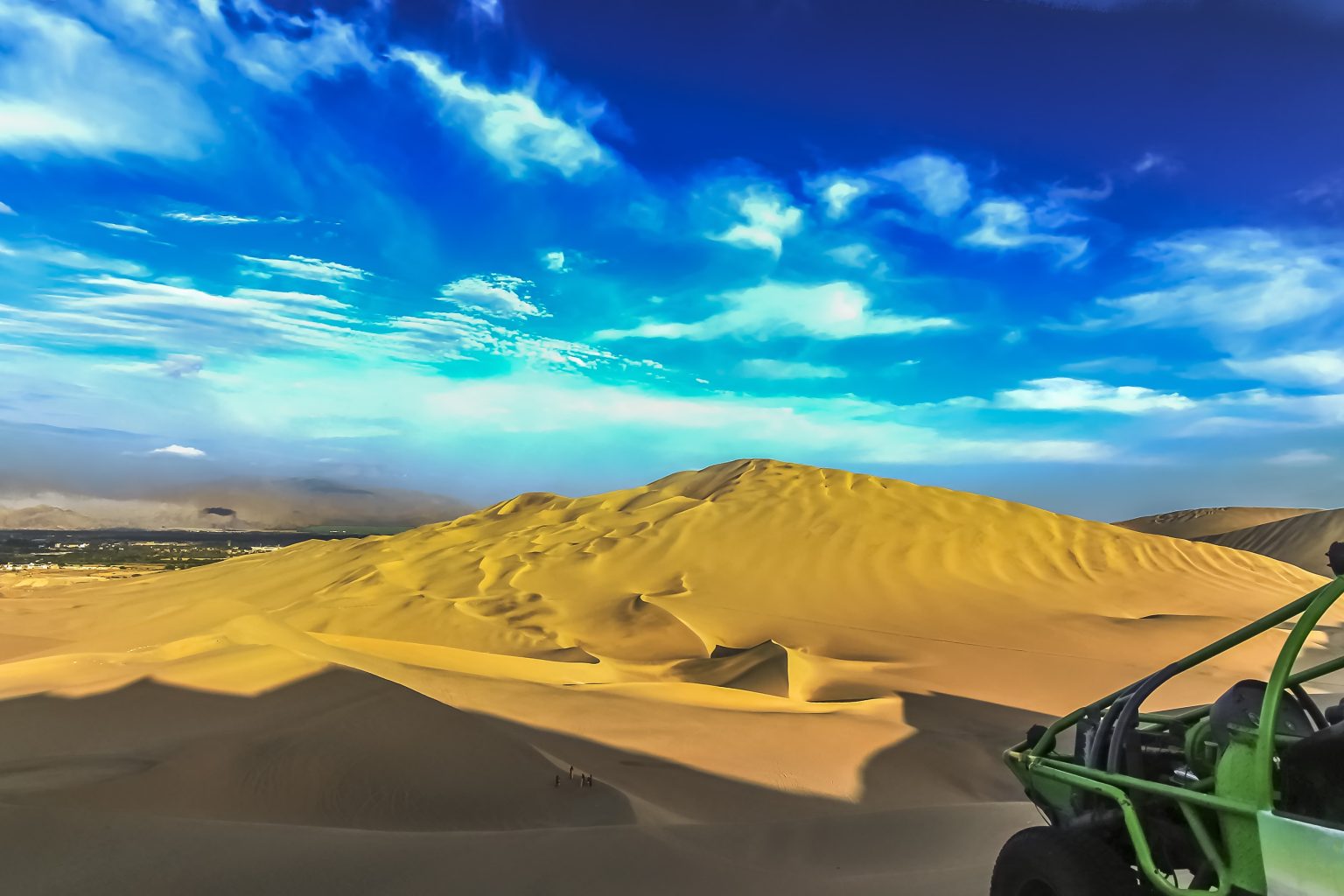
Peru is widely known for its ancient civilizations, Andean peaks, and vibrant cultural traditions, but its Pacific coast reveals another side of the country. The Peruvian coastal desert features sweeping dunes, rocky cliffs, salt-tolerant vegetation, and archaeological sites shaped by centuries of human activity. From the Huacachina Oasis near Ica to the historic Nazca Lines and the coastal scenery of Paracas, this guide offers practical advice for exploring Peru’s desert regions safely, comfortably, and responsibly.
- Understanding Peru’s Desert Landscape
- Preparing for Your Trip to the Peruvian Desert
- What to Pack for Peru’s Desert Regions
- Safety Considerations in Peru’s Desert
- Exploring the Desert: Activities and Experiences
- Dune Buggy Tours in Huacachina
- Sandboarding Adventures
- Hiking and Desert Walks
- Paracas Boat and 4×4 Tours
- Cultural and Natural Highlights
- Food and Comfort in Peru’s Desert
- Photography in Peru’s Desert
- Best Time to Visit Peru’s Desert
- Planning a Rewarding Journey Through Peru’s Desert Coast
Understanding Peru’s Desert Landscape
Peru’s Coastal Desert
Peru’s coastal desert stretches along much of the Pacific shoreline, with arid landscapes interrupted by river valleys, settlements, and occasional areas of vegetation. Rainfall is generally low, although local conditions vary with elevation, ocean influences, and seasonal weather patterns.
The landscape includes extensive sand dunes, rocky hills, dry plains, and dramatic coastal cliffs. Despite the arid conditions, people have lived in these environments for thousands of years, developing ways to manage scarce water and cultivate land where conditions allow.
For travelers, the coastal desert offers several distinct experiences:
- Sandboarding and dune excursions around Ica.
- Archaeological exploration near Nazca.
- Wildlife watching along the Paracas coast.
- Photography of dunes, cliffs, and desert sunsets.
- Cultural visits to towns and settlements along the coastal route.
Distances between attractions can be significant, so planning transport and overnight stops is important.
Huacachina Oasis
Huacachina is a small oasis near the city of Ica, surrounded by high sand dunes. Its lagoon, palm trees, and nearby desert slopes create a striking contrast with the surrounding arid landscape.
The area is best known for outdoor activities and scenic views. Popular experiences include:
- Dune buggy tours operated by local tourism providers.
- Sandboarding on selected dune slopes.
- Sunset photography from elevated viewpoints.
- Relaxing beside the oasis after a desert excursion.
Huacachina is a convenient base for short desert activities, but visitors should remember that the dunes can be steep and physically demanding. Follow operator instructions and avoid climbing exposed slopes during the hottest hours.
Paracas National Reserve
The Paracas National Reserve protects an extensive coastal environment where desert landscapes meet the Pacific Ocean. Its scenery includes arid plains, rocky coastlines, cliffs, beaches, and areas of distinctive sedimentary geology.
The reserve is also important for marine and coastal wildlife. Depending on the season and location, visitors may see seabirds, flamingos, Humboldt penguins, sea lions, and other species.
Ways to explore the area include:
- Scenic drives along designated routes.
- Visits to approved coastal viewpoints.
- Guided excursions to learn about local ecology.
- Photography of desert terrain and marine landscapes.
Wildlife sightings are never guaranteed. Keep a respectful distance from animals and follow current rules for protected areas.
The Nazca Desert
The Nazca Desert is internationally known for the Nazca Lines, enormous geoglyphs created by ancient communities in southern Peru. The designs include animal figures, plants, and geometric forms made visible across the desert surface.
Visitors can learn about the geoglyphs through museums, authorized observation points, and sightseeing flights where available. Flights offer a wider view of the designs, while ground-based viewpoints provide an alternative for travelers who prefer not to fly.
To protect these archaeological features:
- Never walk or drive across restricted sections of the geoglyphs.
- Use authorized viewpoints and tour operators.
- Follow instructions from guides and site staff.
- Avoid touching or disturbing archaeological remains.
The Nazca Lines are an important cultural heritage site, and preserving the surrounding desert surface is essential to their long-term protection.
Climate and Weather
Peru’s coastal desert is generally dry, but conditions differ between locations. Daytime sunlight can be intense, while evenings may feel cool, particularly near the coast where wind can lower the perceived temperature.
Prepare for:
- Strong sunlight and limited shade.
- Warm daytime conditions in inland desert areas.
- Cooler evenings and breezy coastal weather.
- Blowing sand and dust in exposed areas.
- Occasional changes in coastal weather conditions.
Check local forecasts before outdoor activities, particularly if your itinerary includes boat trips, long drives, or time on exposed dunes.
Preparing for Your Trip to the Peruvian Desert
Choosing the Right Desert Destination
Each destination offers a different combination of scenery, history, and activities.
- Huacachina: best known for dune buggy rides, sandboarding, and sunset views.
- Paracas: suited to coastal scenery, wildlife observation, and visits to the national reserve.
- Nazca: a strong choice for archaeology, the Nazca Lines, and regional history.
- The Ica Desert: offers additional dune landscapes and opportunities for organized excursions beyond the oasis itself.
Choose your destinations according to your interests, available time, and preferred activity level. Huacachina is convenient for short adventure trips, while Paracas and Nazca offer different experiences that may require separate travel days.
Learning About Local Culture
Peru’s desert regions contain archaeological evidence of long-standing human settlement, including the remains of communities that developed distinctive artistic, agricultural, and engineering traditions.
The Nazca Lines are one of the best-known examples of this heritage, but the wider coastal region also contains archaeological sites and historic settlements. Visitors can learn more through local museums, authorized tours, and interpretive displays.
When visiting cultural sites:
- Stay on marked paths and approved routes.
- Never remove pottery fragments, stones, or other archaeological material.
- Ask permission before photographing people or private property.
- Follow restrictions at protected locations.
- Consider local guides who can explain the history of the area.
Respectful tourism helps protect the region’s heritage while supporting people who work in local tourism.
Planning Your Route
A popular southern coastal itinerary connects Lima, Paracas, Ica, and Nazca. The order of visits can be adjusted according to transport schedules and the amount of time available.
A practical route may include:
- Lima to Paracas: explore the coastal scenery and, if conditions permit, arrange a visit to the reserve or a boat excursion.
- Paracas to Ica and Huacachina: travel inland for dune activities and an overnight stay near the oasis.
- Ica to Nazca: continue south to explore the region’s archaeological heritage and learn about the Nazca Lines.
Allow time for road travel, tour departures, meals, and unexpected delays. If you plan to take a sightseeing flight over the Nazca Lines, check current departure arrangements and weather conditions in advance.
What to Pack for Peru’s Desert Regions
Clothing for Changing Temperatures
Lightweight clothing is useful for warm daytime conditions, while long sleeves and trousers provide additional sun protection. Coastal wind and cooler evenings make an extra layer worthwhile.
Consider packing:
- Breathable shirts and lightweight trousers.
- A light jacket or sweater for evenings.
- A wind-resistant layer for coastal excursions.
- A wide-brimmed hat or cap.
- UV-protective sunglasses.
- High-SPF sunscreen.
For boat trips or windy viewpoints around Paracas, a windproof layer can be more useful than a heavy jacket.
Footwear and Essential Gear
Choose footwear according to your planned activities. Closed shoes with good grip are useful for walking on uneven ground, while secure footwear is particularly important during guided outdoor excursions.
Useful equipment includes:
- Comfortable walking shoes.
- A small daypack.
- A reusable water bottle.
- Sunscreen and lip balm.
- A phone and power bank.
- A camera or binoculars for wildlife observation.
- A protective bag for electronics.
Sandals may be suitable around accommodation, but they are less practical for walking over hot sand or rough desert terrain.
Skin Protection and Hydration
Sun exposure and physical activity can increase fluid loss, even when temperatures do not feel extreme. Drink water regularly and carry enough for your planned excursion, including extra supplies when traveling away from shops or services.
Personal-care essentials include:
- High-SPF sunscreen.
- Lip balm.
- Moisturizer.
- Sunglasses and a hat.
- Personal medication.
- Basic first-aid supplies.
Water needs depend on the weather, duration of the activity, and individual requirements. Do not rely on a fixed amount for every excursion, particularly during strenuous activity in hot conditions.
Safety Considerations in Peru’s Desert
Managing Heat and Sun Exposure
Inland areas around Ica can become very hot, especially during exposed activities on the dunes. Walking uphill through soft sand also requires more effort than walking on firm ground.
Reduce the risk of heat-related problems by:
- Scheduling demanding activities for early morning or late afternoon.
- Taking regular breaks.
- Drinking water throughout the day.
- Wearing sun-protective clothing.
- Staying in shaded areas when possible.
- Following the advice of guides and activity operators.
If you experience dizziness, weakness, nausea, or other signs of heat illness, stop the activity and seek help rather than continuing to climb or walk.
Wind and Desert Conditions
Wind can affect dune activities and coastal excursions. Around Paracas, stronger winds may influence boat trips and visibility, while blowing sand can make photography and walking uncomfortable.
Before setting out:
- Check the weather forecast.
- Confirm whether tours are operating.
- Protect your eyes from blowing dust and sand.
- Secure loose belongings.
- Follow instructions from local guides.
Do not assume that every activity will proceed as scheduled. Operators may change or cancel excursions when conditions are unsuitable.
Respecting Protected Sites
The Nazca Lines and Paracas National Reserve require particular care because of their archaeological or ecological importance.
Visitors should:
- Remain on authorized routes.
- Follow signs and site regulations.
- Avoid disturbing wildlife.
- Take rubbish away from natural areas.
- Never drive across archaeological features or restricted terrain.
- Follow local instructions when photographing sensitive sites.
A photograph is not worth damaging a fragile landscape or putting yourself at risk.
Exploring the Desert: Activities and Experiences
Dune Buggy Tours in Huacachina
Dune buggy tours are among the most popular activities around Huacachina. Experienced drivers take visitors across selected dunes, with routes that may include steep slopes and fast descents.
For a safer experience:
- Choose a reputable operator.
- Wear the seatbelt throughout the ride.
- Follow the driver’s instructions.
- Secure cameras, phones, and loose belongings.
- Ask about the route and expected intensity before departure.
These rides can be physically demanding. If you have concerns about motion sickness, back discomfort, or the intensity of the experience, discuss them with the operator before booking.
Sandboarding Adventures
Sandboarding in Huacachina allows visitors to slide down selected dunes using a board. Beginners often start by riding on their stomachs, while standing techniques require more balance and practice.
Keep these points in mind:
- Start on a slope appropriate for your experience.
- Follow the instructor’s safety guidance.
- Use any protective equipment provided.
- Check that the landing area is clear.
- Avoid attempting steep descents without suitable instruction.
Climbing back up soft sand can be tiring, so take breaks and carry water.
Hiking and Desert Walks
Walking across dunes offers opportunities to observe the landscape at a slower pace, but climbing steep slopes takes considerable effort. Loose sand can make progress difficult, particularly during hot weather.
For a more comfortable walk:
- Choose cooler hours.
- Wear closed shoes.
- Carry sufficient water.
- Take regular breaks.
- Avoid unstable or restricted slopes.
- Let someone know your plans if walking away from busy visitor areas.
Do not underestimate the effort required to climb a large dune. A short distance on a map can involve a demanding ascent.
Paracas Boat and 4×4 Tours
Paracas offers excursions that combine marine wildlife, coastal scenery, and arid landscapes. Depending on current conditions and available tours, activities may include:
- Boat trips to the Ballestas Islands, known for marine wildlife and seabirds.
- Guided drives through parts of Paracas National Reserve.
- Visits to designated coastal viewpoints and beaches.
- Photography stops overlooking desert and ocean landscapes.
Boat departures can be affected by sea conditions and wind. Confirm the latest schedule with the operator and follow wildlife-viewing rules throughout the trip.
Cultural and Natural Highlights
The Nazca Lines
The Nazca Lines consist of large geoglyphs created by ancient communities across parts of southern Peru. Their designs include animals, plants, and geometric shapes, and many are easiest to appreciate from above.
Visitors can explore the subject through authorized observation points, museums, and sightseeing flights. The lines remain an important part of Peru’s archaeological heritage, and their preservation depends on keeping visitors away from vulnerable surfaces.
The Dunes of Huacachina
The dunes surrounding Huacachina Oasis are among the region’s most recognizable landscapes. Their height, shifting patterns, and changing colours create excellent opportunities for photography and outdoor activities.
The dunes can be steep and physically demanding, so use designated access points and organized tours where appropriate. Sunrise and late afternoon often provide softer light, while sunset offers wide views across the sand.
Wildlife in Paracas
Paracas protects a meeting point between the Pacific Ocean and the arid coastal desert. Depending on the location and season, visitors may encounter:
- Sea lions resting along coastal areas.
- Humboldt penguins in suitable marine habitats.
- Flamingos and other coastal birds.
- Seabirds that feed in the productive waters offshore.
- Dolphins in some coastal areas, although sightings are not guaranteed.
Keep a safe distance from animals and never feed or approach them. Wildlife tours should follow responsible viewing practices that avoid disturbance.
Food and Comfort in Peru’s Desert
Local Cuisine
Travelers can enjoy a variety of Peruvian dishes in coastal towns and inland destinations. Options commonly found on regional menus include:
- Ceviche, a seafood dish traditionally prepared with citrus and seasonings.
- Lomo saltado, a stir-fried beef dish served with accompaniments such as rice and potatoes.
- Grilled chicken and other meat dishes.
- Fresh fruit juices, depending on availability.
- Traditional desserts and regional sweets.
Food options vary between towns, restaurants, and tour camps. If you have allergies or dietary restrictions, explain them clearly before ordering or booking a meal.
For long excursions, carry snacks and drinking water rather than assuming refreshments will be available at every stop.
Staying Comfortable
Comfort depends on managing heat, wind, and sand throughout the day.
- Drink water regularly.
- Wear breathable clothing and suitable footwear.
- Apply sunscreen as directed.
- Rest during the hottest part of the day.
- Keep snacks and electronics protected from sand.
- Bring an extra layer for cooler evenings.
Moisturizer and lip balm can help with dry skin, while tissues or wet wipes may be useful during long days outdoors. Dispose of all waste responsibly.
Photography in Peru’s Desert
Best Photography Locations
Peru’s desert coast offers a wide variety of subjects, from expansive dunes to archaeological landmarks and marine scenery.
Popular photography locations include:
- Huacachina Oasis, especially at sunset.
- The surrounding dunes of the Ica Desert.
- Authorized viewpoints overlooking the Nazca Lines.
- Coastal cliffs and designated viewpoints in Paracas National Reserve.
- Desert landscapes during early morning or late afternoon.
Golden-hour light often reveals the contours of dunes and creates longer shadows. Coastal conditions can change quickly, so be prepared to adjust your plans.
Protecting Camera Equipment
Fine sand can enter camera bodies, lenses, and other electronic devices. Wind makes equipment handling more difficult, particularly on exposed dunes.
Protect your gear by:
- Keeping cameras in protective bags when not in use.
- Avoiding lens changes in windy conditions.
- Carrying a lens cloth and suitable cleaning supplies.
- Bringing spare batteries and memory cards.
- Securing tripods and lightweight equipment.
- Keeping phones and cameras away from loose sand during buggy rides.
At archaeological sites and nature reserves, follow photography rules and avoid leaving marked paths to obtain a particular image.
Best Time to Visit Peru’s Desert
Ideal Travel Season
Peru’s coastal desert can be visited throughout the year, but the most suitable period depends on your destination and preferred activities. The coastal climate differs from that of the Andes, and conditions around Ica, Nazca, and Paracas are not identical.
When choosing your dates, consider:
- April to November: often a useful period for exploring the coastal desert, although coastal skies may be overcast in some areas.
- December to March: generally warmer, with more sunshine in many coastal locations, but conditions vary.
- Huacachina and Ica: dune activities operate throughout the year, subject to weather and operator schedules.
- Paracas: wind and sea conditions can affect boat excursions in any season.
These are general seasonal patterns rather than guarantees of ideal weather. Check local forecasts and confirm tour availability before departure.
Planning a Rewarding Journey Through Peru’s Desert Coast
Peru’s desert landscapes combine adventure, wildlife, and archaeological heritage in a region that is often overshadowed by the Andes. The dunes of Huacachina, the coastal environments of Paracas, and the ancient Nazca Lines each offer a distinct reason to explore the country’s arid Pacific side.
The most common mistakes are underestimating the effort required to climb dunes, carrying too little water, wearing unsuitable footwear, and exposing electronic equipment to sand. Plan activities around the weather, use reputable operators, and follow the rules of protected and archaeological sites.
With sensible preparation and respect for the environment, Peru’s desert regions offer rewarding experiences that bring together natural scenery, ancient history, coastal wildlife, and outdoor adventure.