
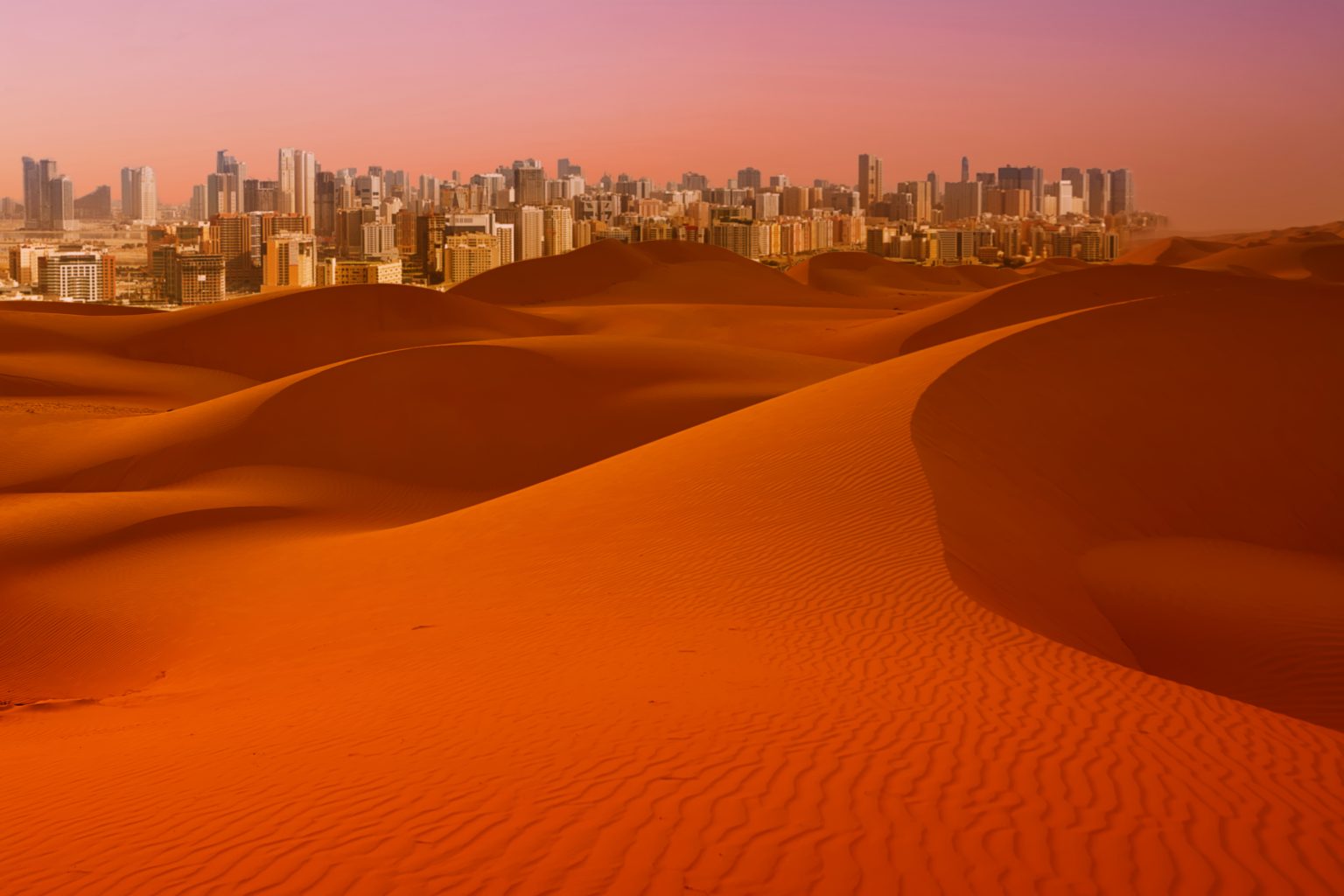
The United Arab Emirates desert offers a different perspective on the country, beyond its modern cities and coastal attractions. Across Abu Dhabi, Dubai, Sharjah, and other emirates, sandy plains, towering dunes, and rocky terrain reflect a long history of life in an arid environment. The desert remains closely connected to local heritage, traditional livelihoods, and the natural world.
- Exploring the Desert Regions of the UAE
- The Empty Quarter (Rub’ al Khali) and Liwa
- Dubai Desert Conservation Reserve
- Red Dunes of Sharjah and Al Badayer
- The Eastern Emirates and Al Ain Region
- Preparing for Your UAE Desert Trip
- What to Bring to the UAE Desert
- Safety Considerations in the UAE Desert
- Traveling Through the UAE Desert
- Cultural and Natural Highlights
- Food and Comfort in the Desert
- Photography in the UAE Desert
- Best Time to Visit the UAE Desert
- Making the Most of Your UAE Desert Journey
From the vast dunes of Liwa to the protected landscapes around Dubai, visitors can experience wildlife, cultural activities, and outdoor adventures. These UAE desert travel tips cover destination choices, practical preparation, safety, and responsible ways to enjoy camel rides, guided safaris, camping, and journeys into remote desert areas.
Exploring the Desert Regions of the UAE
The Empty Quarter (Rub’ al Khali) and Liwa
The Empty Quarter (Rub’ al Khali) extends across parts of the Arabian Peninsula, including the western region of Abu Dhabi. The Liwa area lies along its northern edge and is known for its expansive sand dunes and remote desert scenery.
One of its best-known landmarks is Tel Moreeb, also called Moreeb Dune. Rising more than 300 metres above the surrounding sands, it is a major attraction for visitors interested in dramatic landscapes and motorsport events.
The Liwa region offers several experiences:
- Desert photography: Capture sweeping dunes, changing shadows, and the colours of the sand.
- Four-wheel-drive excursions: Explore suitable routes with experienced drivers.
- Stargazing: Enjoy darker skies away from major urban areas.
- Seasonal events: Check the schedule for the Liwa International Festival and activities around Tel Moreeb.
- Remote desert exploration: Discover the scale of the Empty Quarter with appropriate preparation and local guidance.
Distances can be substantial, and services become less frequent away from populated areas. Plan fuel stops, carry sufficient water, and arrange a guided excursion if you are unfamiliar with deep-desert travel.
Dubai Desert Conservation Reserve
The Dubai Desert Conservation Reserve (DDCR) is a protected area dedicated to conserving desert habitats and wildlife. It provides opportunities to experience the natural environment through authorized tourism activities.
Depending on the operator and available experiences, visitors may be able to enjoy:
- Guided desert safaris.
- Wildlife observation.
- Nature-focused excursions.
- Cultural activities connected to traditional desert life.
- Photography in designated areas.
The reserve supports wildlife including the Arabian oryx, gazelles, desert foxes, and numerous bird and reptile species. Access and activities are regulated, so check the reserve’s current visitor arrangements before booking.
For travellers interested in conservation, the DDCR offers a way to experience the desert while learning about the protection of native species and their habitats.
Red Dunes of Sharjah and Al Badayer
The red dunes around Al Badayer, in Sharjah, are popular for their distinctive colour and accessibility from nearby urban areas. The location is often associated with the name Big Red, particularly among visitors interested in off-road driving and sandboarding.
Common activities include:
- Dune bashing with a qualified tour operator.
- Sandboarding on suitable slopes.
- Photography during sunrise or sunset.
- Short guided desert excursions.
- Selected outdoor activities offered by local operators.
Although Al Badayer is accessible for many visitors, driving on soft sand still requires suitable equipment and experience. If you have never driven off-road, booking a professional excursion is the safer choice.
The Eastern Emirates and Al Ain Region
Around Al Ain and the foothills of the Hajar Mountains, the landscape becomes more varied, combining arid plains, rocky terrain, palm oases, and mountain scenery.
This part of the UAE offers opportunities to explore:
- Desert and mountain landscapes in the same itinerary.
- Historic settlements and cultural landmarks.
- Oasis environments and traditional agricultural heritage.
- Scenic drives and selected hiking routes.
- Archaeological sites around Al Ain.
Al Ain is particularly useful for travellers who want to combine desert scenery with the UAE’s cultural history. Check access requirements for individual heritage sites and choose hiking routes appropriate to your experience and the weather.
Preparing for Your UAE Desert Trip
Choosing the Right Desert Experience
The UAE offers a broad range of desert activities, from short excursions near the cities to longer journeys into remote areas.
- Sunrise and sunset tours: Enjoy cooler conditions and softer light for photography.
- 4×4 dune bashing: Experience the dunes with a trained professional driver.
- Camel trekking: Learn about a traditional form of desert transport.
- Falconry demonstrations: Discover an important part of the region’s cultural heritage.
- Hot-air balloon flights: View selected desert landscapes from above, subject to weather and operator availability.
- Sandboarding: Try sliding down suitable dunes with appropriate equipment.
- Overnight camping: Spend an evening outdoors and experience the desert after dark.
- Desert lodges: Choose a more comfortable base for guided activities and relaxation.
Consider your budget, available time, physical comfort, and tolerance for heat when selecting an excursion. Read the activity details carefully, particularly if travelling with children or anyone who may find bumpy off-road driving uncomfortable.
Understanding Local Culture and Traditions
The desert has played an important role in the history of the UAE, including the lives of Bedouin communities. Hospitality, traditional food, falconry, camel-related practices, and oral traditions remain important elements of the country’s cultural heritage.
When visiting a traditional camp or taking part in a cultural activity, keep these points in mind:
- Dress respectfully, particularly when visiting cultural or religious sites.
- Ask permission before photographing people.
- Follow the host’s guidance during demonstrations and activities.
- Accept refreshments only if you wish, and communicate politely if you decline.
- Choose experiences that present local traditions accurately and respectfully.
Cultural practices vary between families, communities, and settings. A guided experience led by knowledgeable local hosts can provide useful context beyond the activity itself.
Planning Ahead
Winter is generally the most comfortable season for outdoor desert activities, and popular tours can become busy during holiday periods.
Before your trip:
- Book popular excursions and overnight stays in advance.
- Confirm pickup arrangements and the duration of the activity.
- Check the forecast for heat, wind, and dust.
- Use licensed or reputable operators.
- Ask whether food, water, equipment, and transfers are included.
- Confirm the route and vehicle requirements for remote excursions.
If you plan to travel independently, research road conditions and access restrictions before leaving. Do not assume that every desert area is open to unrestricted driving or camping.
What to Bring to the UAE Desert
Clothing for Comfort and Protection
Lightweight, breathable clothing helps manage daytime heat. Long sleeves and trousers can protect your skin from sunlight, while a loose outer layer may provide additional protection against wind and dust.
Useful clothing and accessories include:
- Lightweight cotton or other breathable fabrics.
- Long-sleeved shirts and comfortable trousers.
- A wide-brimmed hat or suitable head covering.
- UV-protective sunglasses.
- A scarf or ghutra for protection against dust and wind.
- A warm jacket for winter evenings.
- Comfortable, closed footwear suited to the activity.
Desert temperatures can fall noticeably after sunset during the cooler months. Bring an extra layer if you are camping or taking an evening excursion.
Footwear and Essential Equipment
The right equipment depends on whether you are visiting a managed camp, walking over dunes, or travelling into a remote area.
Consider packing:
- Sturdy walking shoes or closed sneakers.
- High-SPF sunscreen.
- Lip balm.
- A reusable water bottle.
- A small backpack.
- A fully charged mobile phone.
- A power bank.
- A flashlight or headlamp for overnight stays.
- Offline maps for independent journeys.
For guided activities, check whether the operator supplies helmets, protective equipment, or other specialist gear.
Hydration and Medical Supplies
Heat and physical activity increase the need for fluids. Carry enough drinking water for the duration of your outing and keep extra supplies available when travelling independently.
A basic personal health kit can include:
- Personal medication.
- Bandages and antiseptic wipes.
- Suitable pain relief.
- Sunscreen and lip balm.
- Moisturizer.
- Electrolyte replacement products when appropriate.
- Any additional first-aid supplies you normally need.
Water requirements vary with temperature, activity, and individual needs. Do not rely on a fixed quantity for every trip, particularly when visiting remote areas.
Safety Considerations in the UAE Desert
Managing Heat and Sun Exposure
Summer temperatures in parts of the UAE can exceed 45°C, making strenuous outdoor activities hazardous during the hottest hours. Even in winter, direct sunlight and dehydration can affect visitors who spend long periods outdoors.
Follow these precautions:
- Schedule strenuous activities for early morning or late afternoon.
- Drink water regularly.
- Wear sun-protective clothing and apply sunscreen as directed.
- Take breaks in shade or air-conditioned areas.
- Reduce activity when temperatures become extreme.
- Watch for dizziness, nausea, headache, or unusual weakness.
Confusion, collapse, or other severe symptoms may indicate a medical emergency and require urgent assistance. Do not continue an excursion when heat is affecting your ability to travel safely.
Navigation and Remote Areas
Deep-desert areas such as Liwa require more preparation than short excursions near major cities. Mobile reception and access to assistance may vary, and GPS navigation alone is not a complete safety plan.
For remote journeys:
- Travel with an experienced local guide if you lack off-road experience.
- Carry sufficient water, food, and emergency supplies.
- Check your vehicle and fuel before departure.
- Download maps and keep a navigation backup.
- Tell someone your route and expected return time.
- Avoid wandering away from your group or vehicle.
- Follow local access restrictions and road advice.
For independent off-road travel, make sure your vehicle, equipment, and driving skills are suitable for the terrain. A four-wheel-drive vehicle does not eliminate the risks associated with soft sand, steep dunes, or changing conditions.
Sandstorms and Strong Winds
Wind can raise sand and dust quickly, reducing visibility and making outdoor activities uncomfortable or unsafe.
If a sandstorm develops:
- Stop outdoor activities and seek appropriate shelter.
- If driving, slow down safely and pull over away from traffic when visibility becomes dangerously poor.
- Avoid continuing across dunes or unfamiliar tracks in reduced visibility.
- Protect your eyes and face from blowing sand.
- Follow local weather warnings and operator instructions.
- Wait until conditions improve before resuming travel.
Do not attempt to navigate steep dunes or remote tracks when you cannot clearly assess the terrain.
Traveling Through the UAE Desert
4×4 Desert Driving
Desert driving in the UAE requires suitable equipment, experience, and an understanding of sand conditions. Steep dunes and soft surfaces can be difficult even for experienced drivers.
For a safer journey:
- Use a suitable vehicle and check its condition before departure.
- Follow established routes and local access rules.
- Secure loose belongings inside the vehicle.
- Wear seatbelts at all times.
- Follow instructions from experienced guides.
- Avoid driving alone into unfamiliar remote areas.
- Carry recovery equipment only if you know how to use it safely.
For dune bashing, professional drivers are the better option for most visitors. If you plan to drive independently, seek appropriate training and confirm that your route is suitable for your experience.
Camel Trekking
Camel trekking offers a slower way to experience the desert and learn about the animal’s historical role in the region. Guided rides may include short scenic routes or longer experiences combined with cultural activities.
Before booking:
- Choose an operator that prioritizes animal welfare.
- Confirm the duration and terrain of the ride.
- Follow the guide’s instructions when mounting and dismounting.
- Wear comfortable trousers and suitable footwear.
- Bring water and sun protection.
- Ask about age, mobility, or weight requirements where relevant.
Camel experiences differ between providers, so check what is included rather than assuming every excursion follows the same format.
Desert Camping
Camping is a popular way to experience the UAE desert after sunset. Options range from simple camps with shared facilities to more comfortable desert lodges and organized overnight packages.
Depending on the location and provider, an overnight experience may include:
- Traditional-style tents.
- Meals and refreshments.
- Cultural demonstrations.
- Stargazing.
- Guided outdoor activities.
- Shared or private facilities.
Before booking, confirm the accommodation type, available amenities, transport arrangements, and any restrictions. If camping independently, use a permitted location, check fire regulations, bring sufficient supplies, and take all rubbish away.
Evenings can become cool during winter, so warm clothing and suitable sleeping equipment are important for overnight stays.
Cultural and Natural Highlights
Bedouin Heritage
Bedouin traditions form an important part of the UAE’s desert heritage. Visitors may encounter cultural activities that introduce them to historical skills, hospitality, and regional customs.
Experiences may include:
- Falconry: Learn about the history and practice of working with trained falcons.
- Camel traditions: Discover the animal’s historical importance for transport and desert livelihoods.
- Arabic coffee rituals: Learn about the preparation and serving of gahwa.
- Poetry and music: Experience selected forms of traditional cultural expression.
- Traditional food: Sample dishes served during organized cultural visits.
The quality and content of these experiences vary. Choose knowledgeable hosts and approach demonstrations as opportunities to learn about living traditions.
Wildlife and Natural Beauty
The UAE’s arid environments support a variety of wildlife adapted to heat, limited water, and sandy terrain. Protected areas provide opportunities to observe animals while learning about conservation.
Species found in suitable desert habitats include:
- Arabian oryx, a conservation success story in the region.
- Gazelles, including the sand gazelle.
- Arabian red foxes and other small mammals.
- Native and migratory birds.
- Lizards, snakes, and other desert-adapted reptiles.
Wildlife sightings depend on the location, season, and activity. Keep a safe distance, never feed wild animals, and follow the rules of protected areas.
Historical Desert Sites
The UAE’s desert and oasis landscapes contain archaeological remains, historic settlements, forts, and traditional water-management features. Around Al Ain, visitors can explore important cultural landscapes associated with the region’s long history of settlement and agriculture.
Highlights to consider include:
- Al Ain Oasis: Discover traditional oasis agriculture and the falaj irrigation system.
- Hili Archaeological Park: Explore archaeological remains associated with ancient settlement in the Al Ain area.
- Historic forts and watchtowers: Learn about defence, trade, and settlement in different parts of the UAE.
- Traditional settlements: Discover how communities adapted buildings and daily life to local environmental conditions.
Some UAE heritage sites are recognized by UNESCO, including the Cultural Sites of Al Ain. Check the specific site’s visitor information before travelling, as access arrangements and opening times vary.
Food and Comfort in the Desert
Traditional Desert Cuisine
Food is an important part of many organized desert experiences. Depending on the camp or tour, visitors may be offered a selection of regional dishes and refreshments.
Common options include:
- Grilled meats.
- Rice dishes such as mandi and biryani.
- Traditional flatbreads.
- Dates.
- Arabic coffee, known locally as gahwa.
- Other regional dishes served by the host.
Menus vary between providers. Check in advance if you have dietary restrictions, and carry extra food when travelling independently into remote areas.
Staying Comfortable
Long excursions can become tiring in hot, dry, or dusty conditions. Simple preparations help make the experience more enjoyable.
- Wear breathable clothing.
- Keep water accessible.
- Take breaks and avoid overexertion.
- Use lip balm and moisturizer if needed.
- Carry wet wipes or tissues.
- Protect personal belongings from sand.
- Bring warm clothing for cooler evenings.
Choose an itinerary that leaves enough time for rest, especially if combining driving, hiking, and overnight camping.
Photography in the UAE Desert
Best Photography Locations
The UAE offers a variety of desert photography settings, from large dunes to protected wildlife habitats and rocky landscapes.
Consider these locations and subjects:
- Liwa Desert: Photograph towering dunes and broad sand landscapes.
- Dubai Desert Conservation Reserve: Capture permitted wildlife-viewing and desert scenes.
- Al Badayer: Focus on the red dunes and their changing patterns.
- Al Ain region: Explore the contrast between arid landscapes, oases, and nearby mountains.
Sunrise and sunset often provide softer light and more pronounced shadows. Always check photography restrictions, especially in protected areas and around cultural sites.
Protecting Camera Equipment
Fine sand and dust can damage cameras, lenses, and electronic accessories. Keep equipment protected when it is not in use.
Useful precautions include:
- Carrying a protective camera bag.
- Keeping lenses covered between shots.
- Avoiding lens changes in windy conditions.
- Bringing spare batteries and memory cards.
- Using a clean microfiber cloth.
- Keeping equipment out of direct sunlight when possible.
When photographing local people or cultural activities, ask permission and respect any restrictions.
Best Time to Visit the UAE Desert
Ideal Season
The period from November to April is generally more comfortable for many outdoor desert activities, with milder temperatures than the peak summer months.
Winter is particularly suitable for camping, walking, wildlife viewing, and longer excursions. Evenings may be cool, so bring an extra layer.
During summer, temperatures can become extreme. If you visit during the hotter months, choose short activities scheduled for cooler hours and follow local safety advice.
Seasonal Events
The cooler season often brings outdoor festivals, camping activities, and cultural events to desert destinations. The Liwa International Festival, including events around Tel Moreeb, is one example of a seasonal attraction in Abu Dhabi’s Al Dhafra region.
Event dates, activities, and access arrangements can change each year. Before travelling:
- Check the current event schedule.
- Book accommodation and popular excursions early.
- Confirm transport and parking arrangements.
- Review any visitor rules or restrictions.
- Check the weather before setting out.
Planning ahead helps avoid unnecessary delays during busy periods.
Making the Most of Your UAE Desert Journey
A successful desert trip begins with choosing the right destination and understanding its conditions. Underestimating the heat, carrying too little water, wearing unsuitable footwear, or entering remote areas without preparation can create avoidable problems.
Before departure, make sure you have:
- Selected activities suited to your experience and interests.
- Checked the forecast and local access rules.
- Packed sufficient water, sun protection, and essential supplies.
- Confirmed transport, tour, and accommodation arrangements.
- Prepared suitable equipment for any off-road activity.
- Respected wildlife, local customs, and protected environments.
From Liwa’s Dunes to the Emirates’ Wild Places
The United Arab Emirates desert offers far more than a single type of landscape. Liwa’s towering dunes, Al Badayer’s red sands, protected wildlife habitats near Dubai, and the oasis heritage of Al Ain each provide a different way to explore the country’s arid environments.
With careful planning, suitable guidance, and respect for local culture and nature, visitors can experience the UAE desert through outdoor adventure, wildlife observation, and cultural discovery. The key is to choose experiences that fit the season and destination, then allow enough time to enjoy each place responsibly.