
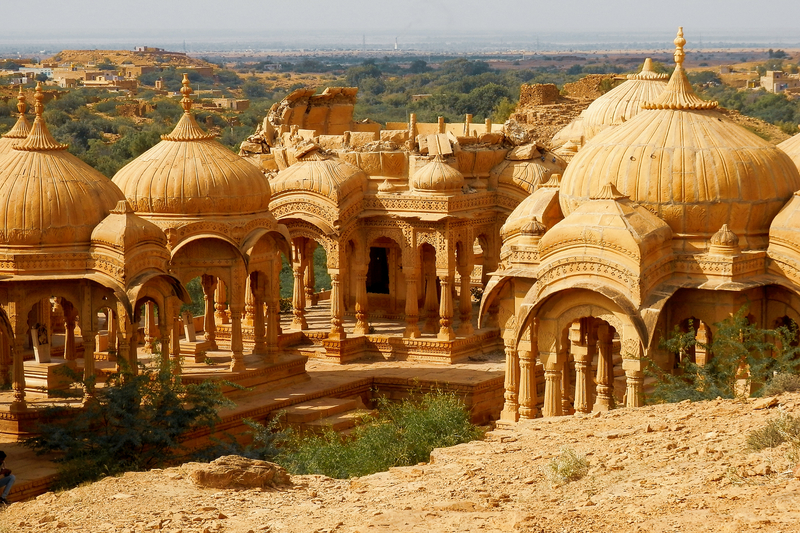
The Thar Desert in India combines sandy landscapes, historic forts, rural settlements, and distinctive cultural traditions. Located mainly in western Rajasthan and extending into neighbouring regions, it offers opportunities to explore Thar Desert travel experiences, from camel safaris and desert camping to historic cities and local markets. This Thar Desert travel guide covers destinations, seasonal conditions, practical preparation, cultural highlights, and ways to explore the region responsibly.
- What You Need to Know About the Thar Desert
- Preparing for Your Desert Journey
- Choosing the Right Thar Desert Destination
- Understanding Local Desert Culture
- Setting Realistic Expectations
- What to Pack for the Thar Desert
- Staying Safe in the Indian Desert
- Exploring the Thar Desert
- Cultural Highlights of the Thar Desert
- Food and Comfort in the Desert
- Photography in the Thar Desert
- Best Time to Visit the Thar Desert
- Final Thoughts on Exploring the Thar Desert
What You Need to Know About the Thar Desert
Geography and Desert Landscapes
The Thar Desert covers a large area of northwestern India and extends into Pakistan. In India, it occupies much of western Rajasthan and includes a variety of environments rather than uninterrupted sand dunes.
Its landscapes include:
- Sandy plains and shifting dunes.
- Rocky and gravelly areas.
- Dry scrubland and grasslands.
- Seasonal water bodies and saline depressions.
- Settlements and agricultural areas adapted to limited rainfall.
Despite its arid conditions, the region supports wildlife and plant species adapted to heat, seasonal rainfall, and scarce water. The landscape also includes protected areas, rural communities, and historic settlements.
Major Desert Destinations in Rajasthan
Rajasthan offers several destinations for exploring the Thar and its cultural heritage.
- Jaisalmer: Known for its sandstone fort, historic havelis, and camel safaris near the Sam and Khuri dunes.
- Jodhpur: The Blue City, with Mehrangarh Fort, historic neighbourhoods, markets, and regional food.
- Bikaner: Known for Junagarh Fort, traditional architecture, and its long association with camel breeding.
- Barmer: A western Rajasthan district with traditional crafts, rural settlements, and desert landscapes.
- Pokhran: A historic town in western Rajasthan that can be included in journeys through the region.
These destinations offer different experiences, from urban heritage visits to rural excursions and overnight stays outside the main towns.
Climate and Weather Conditions
The Thar Desert climate varies by location and season. Summers are generally very hot, with temperatures in parts of Rajasthan reaching or exceeding 45°C. Winter days can be pleasant, but temperatures may drop sharply after sunset.
Rainfall is limited and uneven, with most rain arriving during the summer monsoon. After rainfall, some areas may develop seasonal vegetation, although conditions differ from year to year.
For many travellers, October to February is a comfortable period for sightseeing and outdoor activities. Winter is also a popular time for cultural events, including the Jaisalmer Desert Festival. Check current dates and local weather before travelling, as festival schedules and conditions can change. <Cite refs={[“turn964561search3″,”turn964561search4″,”turn964561search10”]}/>
Preparing for Your Desert Journey
Choosing the Right Thar Desert Destination
The best destination depends on your interests, available time, and preferred level of activity.
- Choose Jaisalmer for camel safaris, dune excursions, historic streets, and desert camping.
- Visit Jodhpur for forts, architecture, markets, and a mix of urban and regional culture.
- Consider Bikaner for historic buildings, local food, and camel-related attractions.
- Explore Barmer for traditional crafts and a less city-focused view of western Rajasthan.
- Add the Great Rann of Kutch if you want to see a distinctive salt-marsh landscape in Gujarat.
The Great Rann of Kutch is not simply another dune area. It is a seasonal salt marsh associated with the wider Thar region, with landscapes and visitor experiences that differ from the sandy dunes around Jaisalmer. <Cite refs={[“turn964561search0″,”turn964561search5″,”turn964561search7”]}/>
Understanding Local Desert Culture
Rajasthan’s cultural traditions include regional music, textiles, embroidery, pottery, food, and celebrations. Local customs differ between communities and locations, so it is worth learning about the particular area you plan to visit.
Visitors can show respect by:
- Dressing appropriately when visiting religious or community spaces.
- Asking permission before photographing people.
- Buying crafts directly from local makers when possible.
- Following guidance from local hosts during village visits.
- Asking before entering private homes, workshops, or sacred spaces.
Setting Realistic Expectations
Travel across the Thar can involve long distances, rough roads, limited shade, and fewer facilities outside towns. A journey that looks short on a map may take longer than expected.
Plan for:
- Extra travel time between destinations.
- Reliable transport and an experienced driver for remote routes.
- Drinking water and sun protection.
- Warm clothing for winter evenings.
- Confirmed accommodation for overnight desert trips.
Good preparation makes it easier to enjoy the region without rushing between destinations.
What to Pack for the Thar Desert
Clothing for Comfort and Protection
Lightweight, breathable clothing is useful during hot weather. Long sleeves and trousers can help protect against sun exposure and dust.
Pack the following:
- Lightweight shirts and trousers.
- A wide-brimmed hat or cap.
- A scarf or safa, a traditional Rajasthani-style turban, if suitable for your activity.
- A warm jacket or fleece for winter nights.
- Comfortable clothing for visits to temples and other cultural sites.
Neutral colours are practical for outdoor activities, but there is no need to restrict your entire wardrobe to desert shades.
Footwear and Daily Essentials
Choose footwear according to your planned activities.
- Supportive walking shoes for forts, villages, and uneven paths.
- Closed shoes for longer walks across rough terrain.
- Sandals for relaxing at accommodation.
- Socks to protect your feet from rubbing and dust.
Other useful items include:
- Sunscreen.
- UV-protective sunglasses.
- A reusable water bottle.
- A small daypack.
- A torch or headlamp for camps and dark paths.
Hydration and Personal Care
Dry heat and outdoor activity increase the need to drink water regularly. Carry enough water for the journey, particularly when travelling away from shops and settlements.
Personal-care items can include:
- Moisturizer and lip balm.
- Hand sanitizer.
- Basic first-aid supplies.
- Personal medication.
- Oral rehydration products, if appropriate for your needs.
Avoid relying on a single water source in remote areas. Confirm where drinking water will be available before setting out.
Staying Safe in the Indian Desert
Managing Heat and Sun Exposure
The hottest period is generally from late spring into summer, particularly between April and June. Outdoor activities can become uncomfortable or unsafe during the hottest hours.
To reduce heat exposure:
- Schedule walking and outdoor excursions for early morning or late afternoon.
- Take regular breaks in shade.
- Wear a hat and protective clothing.
- Drink water frequently.
- Stop activity if you develop dizziness, nausea, confusion, or other signs of heat illness.
During very hot weather, consider shortening excursions rather than trying to complete the original plan.
Sandstorms and Changing Weather
Wind can lift sand and dust, reducing visibility and making outdoor travel uncomfortable. Conditions vary by season and location.
If a dust or sandstorm develops:
- Follow your guide’s instructions.
- Move to a suitable shelter or vehicle when possible.
- Cover your eyes, nose, and mouth.
- Avoid driving through poor visibility.
- Wait for conditions to improve before continuing.
Check local weather forecasts before remote excursions and follow advice from accommodation providers or tour operators.
Wildlife Awareness
The Thar supports wildlife adapted to arid conditions. Species found in the wider region include chinkara, desert foxes, reptiles, and various birds. Wildlife sightings depend on habitat, season, and location. The Desert National Park near Jaisalmer is known for its desert ecosystems and birdlife, including the endangered Great Indian Bustard. <Cite refs={[“turn964561search3”]}/>
When exploring natural areas:
- Keep a respectful distance from wildlife.
- Do not feed or attempt to handle animals.
- Use a torch when walking at night.
- Wear suitable footwear.
- Avoid reaching into holes, bushes, or rock crevices.
- Follow park rules and your guide’s advice.
Exploring the Thar Desert
4×4 Desert Safaris
4×4 desert safaris allow visitors to travel across selected sandy and remote areas in suitable vehicles. Around Jaisalmer, guided excursions may include dune viewpoints, rural landscapes, and sunset stops.
Before booking, check:
- Whether the vehicle is suitable for the route.
- The length of the excursion.
- Whether a local guide is included.
- What safety equipment is provided.
- Whether the itinerary includes community visits or cultural performances.
Dune driving should be carried out by experienced drivers. Travellers should not assume that every sandy area is safe or legally accessible to vehicles.
Camel Safaris and Traditional Travel
Camel safaris in Jaisalmer are a popular way to experience the desert at a slower pace. Local operators offer different trips, ranging from short rides to longer excursions with an overnight camp.
Options may include:
- Short camel rides near established dune areas.
- Sunset excursions.
- Overnight desert camps.
- Longer journeys with meals and guides.
Ask about ride duration, animal welfare, the route, and the facilities provided. Choose operators that keep animals in suitable condition and avoid overloading them.
Desert Camping Experiences
Desert camping ranges from basic overnight stays to camps with private bathrooms, prepared meals, and organised cultural programmes.
Depending on the camp, facilities may include:
- Tents or other overnight accommodation.
- Bedding and blankets.
- Toilets and washing facilities.
- Meals and drinking water.
- Guided walks or camel rides.
- Evening music or dance performances.
Confirm what is included before booking. Temperatures can fall at night in winter, so warm clothing remains useful even when the afternoon is hot.
Stargazing is possible when skies are clear and artificial light is limited. For a quieter experience, ask whether the camp is close to a busy entertainment area or in a more remote location.
Cultural Highlights of the Thar Desert
Historic Cities and Desert Forts
The Thar region has a rich architectural heritage shaped by trade, settlement, local materials, and historical defence.
Notable sites include:
- Jaisalmer Fort: A historic fort containing homes, shops, temples, and other active parts of the city. It is a living urban settlement as well as a major visitor attraction.
- Mehrangarh Fort in Jodhpur: A major hilltop fort overlooking the city, known for its architecture and collections.
- Junagarh Fort in Bikaner: A historic complex with courtyards, decorated interiors, and royal buildings.
These sites offer opportunities to learn about Rajasthan’s history and architecture. Follow local rules, especially in active residential areas and religious buildings. <Cite refs={[“turn964561search3”]}/>
Music, Dance, and Living Traditions
Rajasthan has varied folk-music and dance traditions. Performances may feature instruments such as the sarangi, dholak, and khartal, although the instruments used depend on the musical style and performers.
Visitors may encounter:
- Kalbelia dance, associated with the Kalbelia community.
- Ghoomar, a traditional Rajasthani dance.
- Folk singing and instrumental performances.
- Puppetry and other forms of regional entertainment.
Some desert camps organise evening performances. These can be enjoyable introductions to local arts, although a staged tourist performance does not represent every aspect of community life.
Village Life and Local Crafts
Rural visits can introduce travellers to local craft traditions and everyday activities. Depending on the location, visitors may find textiles, embroidery, pottery, leatherwork, and other handmade products.
To make a village visit respectful and worthwhile:
- Arrange visits through a reliable local guide or community initiative.
- Ask before taking photographs.
- Purchase items only if you are interested, without pressuring makers to sell.
- Confirm prices before a transaction.
- Respect privacy and avoid entering private property without permission.
Food and Comfort in the Desert
Traditional Rajasthani Cuisine
Food in Rajasthan reflects local agriculture, household traditions, and the need to use available ingredients. Vegetarian dishes are prominent in many regional menus, alongside meat dishes and snacks.
Foods visitors may encounter include:
- Dal Baati Churma: Lentils served with baked wheat dumplings and a sweet or savoury crushed-wheat preparation.
- Gatte ki Sabzi: A curry made with gram-flour dumplings.
- Ker Sangri: A traditional Rajasthani preparation using desert beans and berries.
- Bajra roti: Flatbread made with pearl millet flour.
- Laal Maas: A spicy meat curry associated with Rajasthani cuisine.
Recipes vary between households and restaurants. Ask about ingredients and chilli levels if you have dietary restrictions or prefer milder food.
Staying Comfortable While Traveling
Desert excursions can be physically demanding, especially in hot weather. Small adjustments can make the journey easier.
- Drink water throughout the day.
- Eat meals that suit your activity level.
- Avoid heavy meals immediately before a long camel ride.
- Carry snacks for journeys between towns.
- Keep warm clothing accessible during winter excursions.
- Rest when you feel tired rather than pushing through discomfort.
Photography in the Thar Desert
Best Times and Locations
Early morning and late afternoon provide softer light for photographing dunes, buildings, and rural landscapes. Sunset can bring out the textures of sandy terrain, while clear nights may offer opportunities for astrophotography.
Potential photography locations include:
- The dune areas near Jaisalmer.
- The sandstone architecture of Jaisalmer Fort.
- The blue-painted neighbourhoods of Jodhpur.
- Historic buildings in Bikaner.
- The salt landscape of the Great Rann of Kutch in Gujarat.
The Rann of Kutch has a different appearance from the sandy dunes of Rajasthan. Its salt flats are seasonal, and the landscape can change with rainfall and water levels.
Protecting Camera Equipment
Sand and dust can enter camera bodies, lenses, and other equipment. Prepare for conditions before leaving your accommodation.
Useful precautions include:
- Carrying a protective camera bag.
- Keeping lenses covered when not in use.
- Avoiding lens changes in windy conditions.
- Bringing spare batteries and memory cards.
- Cleaning equipment in a sheltered place.
- Protecting phones and other electronics from dust.
For night photography, bring a stable tripod if permitted and check whether the camp has enough darkness for the type of images you want.
Best Time to Visit the Thar Desert
Ideal Travel Season
For many visitors, October to February offers comfortable conditions for exploring Rajasthan’s desert cities and taking part in outdoor activities. Days are often more manageable than in summer, although nights can be cold.
Seasonal planning should account for:
- October and November: Cooler conditions gradually develop after the monsoon.
- December and January: Popular months for sightseeing, with cold nights in some locations.
- February: A useful period for cultural events and outdoor activities, depending on dates and weather.
- April to June: Very hot conditions that can limit daytime excursions.
- July to September: Monsoon rainfall may affect roads, landscapes, and outdoor plans.
These are broad seasonal patterns, not guarantees. Check local forecasts and transport conditions before travel. <Cite refs={[“turn964561search4″,”turn964561search10”]}/>
Seasonal Festivals and Events
Two well-known events connected with desert and regional culture are:
- Jaisalmer Desert Festival: A Rajasthan event featuring folk music, dance, camel-related activities, and other cultural programmes. It is generally organised around January or February, but exact dates can change. <Cite refs={[“turn964561search1″,”turn964561search3”]}/>
- Rann Utsav: A seasonal festival in Gujarat’s Kutch region, featuring local crafts, music, dance, food, and activities associated with the Great Rann of Kutch. It is separate from the Jaisalmer Desert Festival and takes place in a distinctive salt-marsh environment. <Cite refs={[“turn964561search0″,”turn964561search5”]}/>
Confirm dates, locations, ticketing, and transport arrangements before making reservations.
Final Thoughts on Exploring the Thar Desert
A successful trip to the Thar Desert depends on preparation, realistic travel plans, and respect for local communities and natural environments. Common mistakes include underestimating winter nights, carrying too little water, overlooking sun protection, and trying to cover too many destinations in a short visit.
Before departure, make sure you have:
- Suitable clothing for both daytime heat and cool evenings.
- Reliable transport for your planned routes.
- Enough drinking water for remote excursions.
- Confirmed accommodation and tour details.
- Information about local customs and protected areas.
- A flexible schedule that allows for delays and rest.
Thar Desert Travel Guide at a Glance
The Thar Desert offers a combination of sandy landscapes, historic forts, traditional music, regional food, wildlife, and living communities. Jaisalmer, Jodhpur, Bikaner, and other destinations each reveal a different aspect of Rajasthan’s desert region, while the Great Rann of Kutch provides a distinct landscape across the border in Gujarat.
By travelling thoughtfully and responsibly, visitors can explore India’s Thar Desert with a clearer understanding of its geography, culture, and seasonal conditions.