
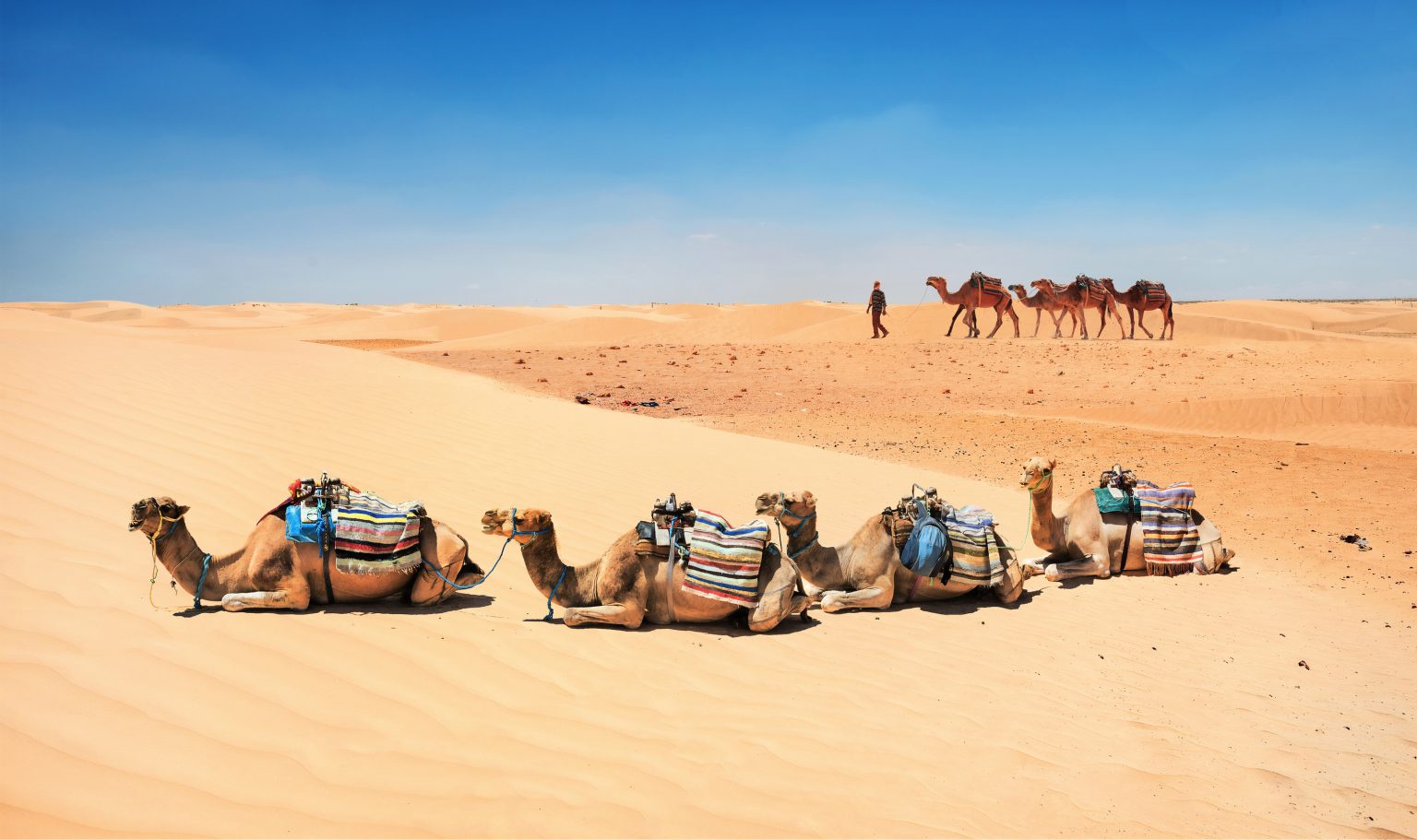
The Tunisian Sahara Desert offers a varied landscape of rocky plateaus, salt flats, sand dunes, and palm-filled oases. In southern Tunisia, historic caravan routes and traditional settlements add cultural depth to the scenery. These Sahara Desert destinations in Tunisia appeal to travelers interested in outdoor activities, local heritage, and remote landscapes. This guide provides practical Tunisia desert travel tips to help you plan your route, prepare for changing weather, and explore the region safely and comfortably.
- Understanding the Sahara Desert in Tunisia
- Preparing for Your Sahara Trip in Tunisia
- What to Know Before Visiting the Tunisian Sahara
- Staying Safe in the Tunisian Sahara
- Getting Around the Tunisian Sahara
- Culture and Local Traditions
- Food, Comfort, and Daily Life in the Desert
- Photography in the Tunisian Sahara
- Best Time to Visit the Sahara Desert in Tunisia
- Planning a Rewarding Journey Through Tunisia’s Sahara
Understanding the Sahara Desert in Tunisia
Tunisia’s Key Desert Regions
Tunisia’s southern landscapes form part of the wider Sahara, but conditions and scenery vary considerably from one destination to another. Douz is a popular starting point for desert excursions, with palm groves, tourism services, and access to nearby sandy terrain. Ksar Ghilane is known for its oasis, warm spring, and surrounding dunes, making it a popular stop on organized desert itineraries.
Chott el Jerid is an extensive salt flat where the appearance of the surface changes with light, weather, and seasonal conditions. The areas around Matmata and Tataouine offer a different experience, with distinctive architecture, historic settlements, and dry, rugged terrain.
When choosing your route, consider what each destination offers:
- Douz: a convenient base for organized camel rides and desert excursions.
- Ksar Ghilane: an oasis setting, sandy landscapes, and overnight desert experiences.
- Chott el Jerid: wide salt-flat scenery and photography opportunities.
- Matmata: traditional troglodyte dwellings and distinctive local architecture.
- Tataouine and its surroundings: historic settlements and examples of the region’s traditional fortified architecture.
These destinations are not interchangeable. Travel times, road conditions, available activities, and accommodation options differ, so allow enough time for the places you want to visit.
Weather and Seasonal Conditions
Southern Tunisia has a desert climate with hot summers, limited rainfall, and substantial temperature changes between day and night. Summer heat can become extreme, particularly in exposed areas, while winter evenings and nights may be much colder than expected.
Spring and autumn are often comfortable seasons for outdoor activities, although conditions vary by date and location. Strong winds can raise dust or sand, and occasional weather events may affect roads and excursions.
Before departure:
- Check local forecasts for daytime and nighttime temperatures.
- Plan outdoor activities for cooler hours.
- Carry warm layers for evenings and early mornings.
- Ask local operators about wind conditions and route accessibility.
- Keep your schedule flexible if weather affects planned activities.
Do not assume that every day will be hot simply because you are visiting the Sahara. Preparation for both heat and cold makes a noticeable difference.
Preparing for Your Sahara Trip in Tunisia
Choosing the Right Desert Experience
Tunisia offers several ways to explore its southern landscapes, from short camel rides to multi-day excursions and cultural visits. Guided trips are particularly useful when routes extend beyond established roads or enter remote areas.
Consider these options:
- Camel trekking: a slower way to experience sandy terrain, particularly around established tourist areas.
- 4×4 desert tours: suitable for covering longer distances and reaching selected remote locations.
- Small-group excursions: a practical choice for travelers who prefer organized transport and local guidance.
- Cultural itineraries: combine desert scenery with visits to settlements, traditional architecture, and local markets.
- Desert camping: offers an overnight experience with opportunities to enjoy the night sky and local food.
A short excursion may be enough for a first visit, while a longer itinerary requires more planning around transport, accommodation, meals, and weather. Ask tour operators about the route, driving time, walking requirements, and facilities before booking.
Setting Realistic Expectations
Desert travel often involves long drives, limited services, and outdoor conditions that can change quickly. Some camps and remote destinations require travel along sandy or unpaved tracks, while facilities may be simpler than those in larger towns.
A more comfortable journey starts with realistic expectations:
- Allow extra time between destinations.
- Carry water and snacks for journeys between settlements.
- Confirm whether accommodation has electricity, showers, and private bathrooms.
- Expect dust, wind, and temperature changes.
- Avoid packing too many activities into one day.
A flexible pace leaves more time to enjoy the scenery and reduces the pressure to continue when conditions are uncomfortable.
What to Know Before Visiting the Tunisian Sahara
Clothing for Hot Days and Cold Nights
Lightweight clothing that covers the skin provides useful protection against sunlight and blowing sand. Breathable long-sleeved shirts and trousers are practical during the day, while warmer layers help when temperatures fall after sunset.
Pack the following:
- Lightweight, long-sleeved shirts.
- Comfortable trousers that cover the legs.
- A warm jacket or sweater for evenings.
- A scarf or cheich to help shield the face and neck from dust.
- A wide-brimmed hat or cap.
- UV-protective sunglasses.
- High-SPF sunscreen.
Choose clothing that suits the activities you plan to undertake. Walking over dunes, riding a camel, and spending a night in camp may require different levels of protection.
Footwear and Essential Gear
Closed shoes with good grip are useful for walking on rocky ground, uneven paths, and sand. Sandals may be comfortable around camp, but they are less suitable for longer walks across rough terrain.
Useful items include:
- Comfortable walking shoes or light hiking boots.
- A reusable water bottle or hydration system.
- Sunscreen and lip balm.
- A small daypack for water, snacks, and personal items.
- A power bank and charging cables.
- A headlamp or flashlight.
- A protective bag for cameras and electronic devices.
Check what your camp or tour operator provides before packing bulky equipment. Remote accommodation may have limited charging facilities, so plan accordingly.
Hydration and Basic Health Care
Heat, sunlight, dry air, and physical activity can increase fluid loss. Drink water regularly throughout the day and carry enough for the full excursion, including a reserve for unexpected delays.
A basic first-aid kit can include:
- Adhesive bandages and wound-care supplies.
- Personal medication.
- Suitable pain relief.
- Antihistamines if you normally use them and can take them safely.
- Oral rehydration salts for situations where they are appropriate.
- Any other personal medical essentials.
Lip balm and moisturizer can help reduce discomfort caused by dry air and wind. If you develop symptoms of heat illness, stop the activity, move to a cooler place, and seek appropriate assistance rather than trying to push through.
Staying Safe in the Tunisian Sahara
Why Traveling with a Guide Matters
Navigation becomes more difficult away from established roads and settlements. In sandy terrain, landmarks can be less obvious than they appear on maps, while remote routes may have little mobile coverage.
An experienced local guide can help with route planning, weather awareness, local access rules, and emergency arrangements. Guided travel is particularly advisable for remote off-road excursions or travelers unfamiliar with desert conditions.
Before booking, ask:
- Does the guide have experience with the specific route?
- Is the vehicle appropriate for the terrain?
- What emergency equipment and communication methods are available?
- Are meals, drinking water, and overnight arrangements included?
- What happens if weather conditions make the planned route unsafe?
For visits to accessible attractions, independent travel may be practical when road conditions and local rules permit it. Remote desert driving is a different undertaking and should not be treated as a routine road trip.
Managing Sun and Heat
Sun protection is important throughout the year, particularly during long excursions across exposed terrain. Heat can build up quickly when walking over dunes or spending several hours in a vehicle without adequate ventilation.
Reduce the risk of heat-related illness by following these precautions:
- Schedule demanding activities for early morning or late afternoon.
- Drink water regularly.
- Wear protective clothing and a hat.
- Take breaks in shaded or cooler areas.
- Avoid strenuous activity during the hottest part of the day.
- Follow your guide’s advice if temperatures become unsafe.
If someone develops confusion, fainting, or other serious symptoms associated with heat exposure, seek urgent medical assistance.
Sandstorms and Weather Changes
Strong winds can raise dust and sand, reducing visibility and making outdoor activities uncomfortable or unsafe. Conditions may develop quickly, so pay attention to forecasts and local advice.
If blowing sand becomes severe:
- Follow your guide’s instructions.
- Protect your eyes, nose, and mouth.
- Move to suitable shelter when available.
- If traveling by vehicle, stop only in a safe location when visibility becomes inadequate.
- Wait for conditions to improve before resuming travel.
Do not assume that a storm will pass within a predictable period. The safest response depends on the intensity of the wind, your location, and the availability of shelter.
Getting Around the Tunisian Sahara
Traveling by 4×4
A 4×4 vehicle is useful for many off-road routes through sandy or rocky terrain, including some excursions to remote camps and oases. However, it is not necessary for every desert destination. Established attractions may be reached by paved roads or organized transport.
Before setting out, confirm:
- Whether the route requires a 4×4.
- Whether off-road driving is permitted.
- That the driver has suitable experience.
- That the vehicle carries a spare tire and appropriate recovery equipment.
- That fuel, drinking water, and emergency supplies are sufficient.
- That the route and weather conditions have been checked.
Always wear seatbelts and secure luggage. If you are prone to motion sickness, consider appropriate preventive measures before a long drive.
Never assume that a vehicle can safely cross every sandy track. Soft sand, hidden obstacles, and unsuitable conditions can leave vehicles stuck or cause damage.
Camel Trekking in Tunisia
Camel trekking provides a slower way to experience the desert and offers a glimpse of the animal’s historical role in Saharan transport. Short rides are available in established tourist areas, while longer excursions may be offered by specialist operators.
For a more comfortable experience:
- Choose a reputable operator.
- Ask about the ride’s duration and terrain.
- Wear long trousers and suitable footwear.
- Follow the handler’s instructions when mounting and dismounting.
- Bring water and sun protection.
- Confirm the price and what is included.
Multi-day treks require additional preparation and should be chosen according to your fitness, comfort level, and the quality of the operator’s arrangements.
Life in Desert Camps
Accommodation in the Tunisian Sahara ranges from simple tents with shared facilities to more comfortable camps with proper beds, meals, and private bathrooms. Facilities vary, so check the details rather than relying on the word luxury or traditional alone.
Before booking, confirm:
- Whether bedding and towels are provided.
- What toilet and shower facilities are available.
- Whether electricity and phone charging are possible.
- Which meals and drinks are included.
- How the camp handles cold nights and strong winds.
- Whether transport to and from the camp is part of the package.
Evenings may include traditional food, music, and opportunities for stargazing when skies are clear. If fires are offered, follow camp rules and never start a fire independently in a sensitive or restricted area.
Culture and Local Traditions
Amazigh Heritage and Regional Communities
Southern Tunisia has a rich cultural history, including the heritage of Amazigh communities and the traditions of different rural and desert-region populations. Architecture, food, crafts, and settlement patterns vary across the south, so it is important not to treat the region as culturally uniform.
Matmata is particularly known for its traditional troglodyte dwellings, built around excavated courtyards. Around Tataouine, visitors can explore historic fortified settlements and ksour, traditional structures associated with local storage and community life.
When visiting villages or cultural sites:
- Greet people politely and respect local customs.
- Ask permission before photographing individuals or private homes.
- Dress appropriately for the setting.
- Follow instructions at heritage sites.
- Consider local guides who can explain the area’s history and architecture.
Tea may be offered during some visits, but hospitality customs vary. Accepting refreshments when offered is a considerate gesture if you are comfortable doing so.
Respecting Communities and Nature
Responsible travel benefits both local communities and the landscapes that attract visitors. Small choices can help reduce the impact of a trip.
- Support local guides, camps, and artisans where practical.
- Ask before photographing people or their property.
- Keep rubbish with you until it can be disposed of properly.
- Avoid disturbing wildlife or damaging vegetation.
- Stay on designated routes.
- Respect restricted areas and privately owned land.
A thoughtful visit allows travelers to learn about the region without treating its communities or traditions as tourist attractions alone.
Food, Comfort, and Daily Life in the Desert
Traditional Tunisian Cuisine
Food in southern Tunisia reflects broader Tunisian traditions as well as regional and household variations. Depending on the location, visitors may encounter:
- Couscous, served with vegetables and meat or prepared in different regional styles.
- Lamb or chicken stews, often accompanied by bread or other staples.
- Brik, a thin pastry with savoury fillings, available in many parts of Tunisia.
- Dates, an important product in oasis-growing areas.
- Freshly baked bread and local vegetable dishes.
- Mint tea, served in some cafés, homes, and tourist camps.
Not every dish is exclusive to the Sahara, and menus vary between towns, camps, and family-run establishments.
If you have dietary restrictions or allergies, tell your guide or accommodation provider in advance. For long drives, carry snacks and enough drinking water rather than relying on food stops along the route.
Staying Comfortable
Small habits can make desert travel more pleasant, especially during multi-day excursions.
- Drink water regularly.
- Keep snacks sealed against dust.
- Shake out shoes before putting them on.
- Use moisturizer and lip balm when needed.
- Keep essential items within easy reach.
- Protect electronics from sand.
- Bring warm layers for evenings and early mornings.
At campsites, follow the operator’s guidance about water use, waste disposal, and shared facilities. Simple preparation helps you focus on the journey instead of dealing with avoidable discomfort.
Photography in the Tunisian Sahara
Best Times for Photography
The southern Tunisian landscape offers a wide range of photographic subjects, from salt flats to dunes, traditional architecture, and oasis vegetation.
Consider these locations and conditions:
- Chott el Jerid: expansive salt-flat patterns and changing reflections, depending on weather and surface conditions.
- Ksar Ghilane: dunes and oasis scenery.
- Matmata: distinctive traditional dwellings and the surrounding dry terrain.
- Tataouine’s surroundings: historic fortified settlements and rugged landscapes.
- Desert camps: night skies when conditions are clear and artificial light is limited.
Sunrise and sunset often create softer light and longer shadows. Midday light can be harsh, although it may work for photographs that emphasize the openness and contrast of the landscape.
Protecting Camera Equipment
Fine sand and dust can damage cameras, lenses, and other electronics. Strong winds also make it harder to handle equipment safely.
Protect your gear by:
- Keeping cameras in a closed bag when not in use.
- Avoiding lens changes in windy conditions.
- Carrying a lens cloth and suitable cleaning supplies.
- Bringing spare batteries and memory cards.
- Using protective covers for cameras and phones.
- Securing tripods against gusts.
At cultural and archaeological sites, follow photography rules and avoid climbing or moving objects to improve a composition.
Best Time to Visit the Sahara Desert in Tunisia
Ideal Travel Seasons
The period from October to April often offers more comfortable conditions for desert travel than the hottest summer months. However, the best dates depend on the destination, planned activities, and current weather.
- Autumn: often suitable for outdoor excursions as temperatures become more manageable.
- Winter: can provide pleasant daytime conditions, but nights may be cold.
- Spring: often offers comfortable conditions for walking and exploring, although wind and dust are possible.
- Summer: requires extra caution because of extreme heat, especially during strenuous outdoor activities.
These are broad seasonal guidelines rather than guarantees. Check forecasts, tour schedules, and road access before finalizing your itinerary.
Festivals and Cultural Events
The International Festival of the Sahara in Douz is associated with traditional performances, music, and events celebrating Saharan heritage. Activities and dates can vary between editions, so travelers should check the current programme before planning a visit around the festival.
During major events, accommodation and transport may become busier. If attending is a priority:
- Confirm the festival dates through current official information.
- Book accommodation early.
- Check where events take place and how to reach them.
- Allow time for local transport and crowds.
- Respect event rules when photographing performers or participants.
A festival visit can add cultural context to a desert itinerary, but it is best planned around confirmed dates rather than assumed annual arrangements.
Planning a Rewarding Journey Through Tunisia’s Sahara
From the salt flats of Chott el Jerid to the dunes and oasis at Ksar Ghilane, southern Tunisia offers varied landscapes and distinct cultural experiences. Matmata and Tataouine add another dimension through their architecture and regional history, making it possible to combine nature, heritage, and outdoor activities in one journey.
The most common planning mistakes are underestimating cold nights, carrying too little water, and assuming that every route is suitable for ordinary vehicles. Check weather and access conditions, choose guides carefully for remote excursions, and allow enough time between destinations.
With suitable preparation and respect for local communities and fragile environments, the Tunisian Sahara offers a memorable journey through dunes, salt landscapes, oasis settlements, and the living heritage of southern Tunisia.