
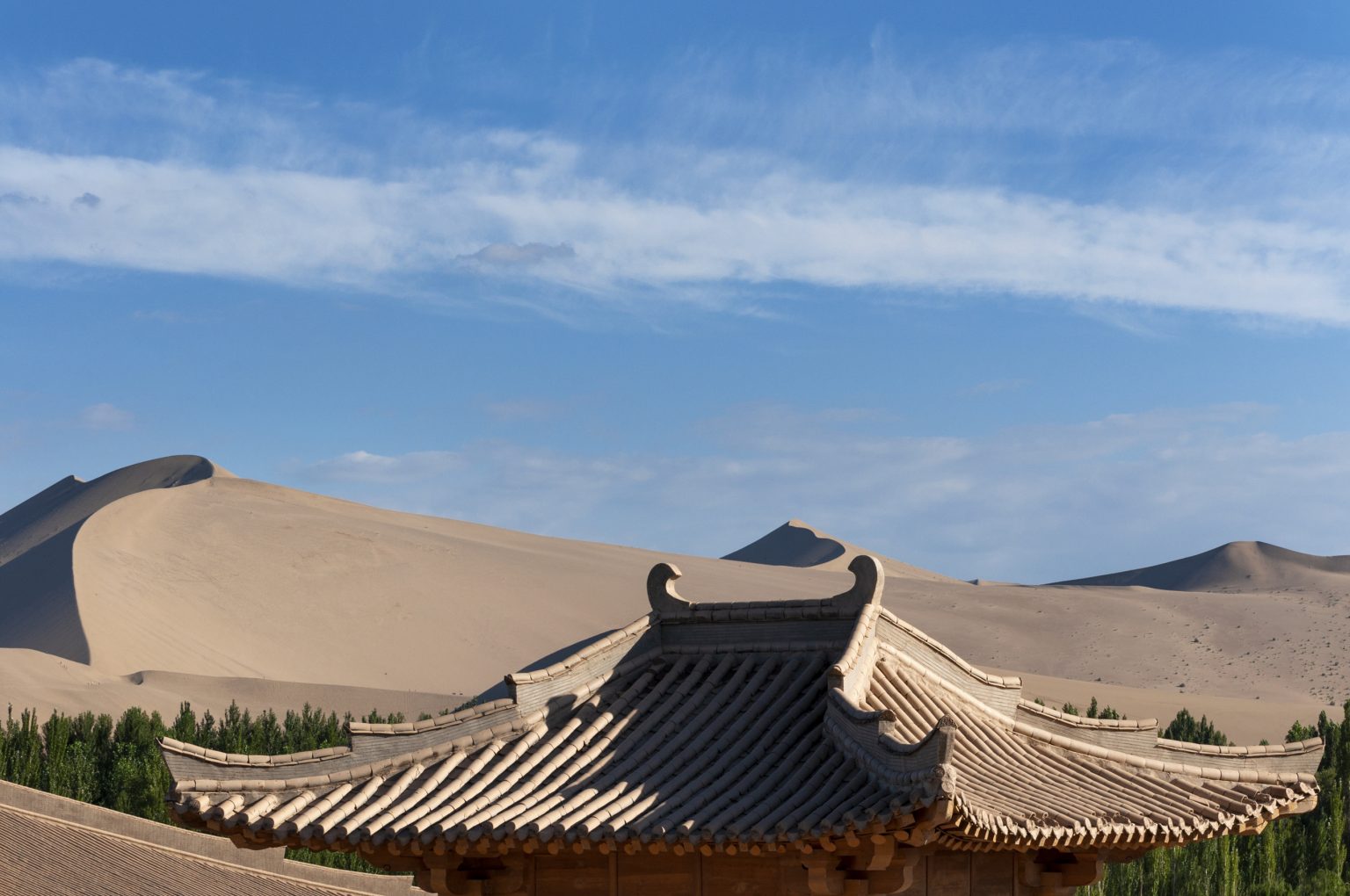
China is known for its major cities, ancient temples, and dramatic mountain ranges, but its dry regions reveal another side of the country. From the Gobi Desert in northern China to the shifting sands of the Taklamakan Desert, these landscapes combine striking geology, remote settlements, and centuries of cultural history. This guide to desert travel in China covers destination choices, seasonal conditions, essential equipment, safety, and practical ways to explore these remarkable regions.
- Understanding China’s Major Deserts
- The Gobi Desert in Northern China
- The Taklamakan Desert and Its Shifting Sands
- The Badain Jaran Desert and Its Megadunes
- The Kumtag Desert Near Dunhuang
- Preparing for Your Trip to China’s Deserts
- Choosing the Right Desert Destination
- Understanding Desert Weather Conditions
- Mental and Physical Readiness
- What to Pack for Desert Travel in China
- Safety in China’s Desert Regions
- Getting Around in China’s Deserts
- Cultural Encounters Along the Silk Road
- Responsible and Sustainable Desert Travel
- Food and Comfort in Desert Regions
- Desert Photography in China
- Best Time to Visit China’s Deserts
- Planning a Safe Journey Through China’s Desert Landscapes
Understanding China’s Major Deserts
The Gobi Desert in Northern China
The Gobi Desert extends across northern China and southern Mongolia. Unlike deserts dominated by continuous sand dunes, much of the Gobi consists of gravel plains, rocky terrain, mountain ridges, and scattered sandy areas. It is also a cold desert, with winters that can be extremely harsh and temperatures that vary considerably between seasons.
In China, Gobi landscapes occur in areas of Inner Mongolia and Gansu Province. Some locations are associated with historic Silk Road routes, while others offer remote scenery and opportunities to observe wildlife adapted to dry conditions.
Travelers should prepare for:
- Strong winds and blowing dust.
- Large temperature differences between day and night.
- Long distances between fuel stations and services.
- Cold winter conditions and potentially difficult road access.
The Gobi is best approached with a realistic itinerary and suitable clothing rather than an assumption that all desert destinations are hot.
The Taklamakan Desert and Its Shifting Sands
The Taklamakan Desert, located in Xinjiang in western China, is one of the world’s largest sandy deserts. Extensive dune fields dominate parts of its interior, while the surrounding region includes mountain ranges, dry basins, and oasis settlements.
Historic towns such as Kashgar, Hotan, and Kuqa are associated with the wider cultural landscape of the Silk Road. Their markets, architecture, and local traditions offer a valuable contrast to the desert’s remote interior.
Travel into the Taklamakan’s more isolated areas requires particular care. Before arranging an excursion, travelers should confirm:
- Whether the route is open and suitable for visitors.
- Whether a licensed local operator or guide is required.
- How transport, communication, and emergency support will be handled.
- Where fuel, food, water, and accommodation are available.
The desert’s scale makes independent exploration of remote areas unsuitable for many visitors. Organized travel can provide safer access and a clearer understanding of local conditions.
The Badain Jaran Desert and Its Megadunes
Located mainly in Inner Mongolia, the Badain Jaran Desert is famous for its exceptionally tall dunes and lakes situated between sandy ridges. Some dunes rise hundreds of metres above the surrounding terrain, creating one of China’s most distinctive desert landscapes.
The lakes vary in salinity, and the combination of water and towering sand formations gives the area a character different from the Gobi’s rocky plains. However, the desert’s remoteness and difficult terrain make planning essential.
Visitors should consider a guided excursion, particularly when traveling beyond established access points. Ask operators about vehicle suitability, journey duration, weather contingencies, and the facilities available at overnight stops.
The Kumtag Desert Near Dunhuang
The Kumtag Desert is associated with the area around Shanshan in Xinjiang, while the well-known dunes near Dunhuang are part of the broader desert landscape of the Hexi Corridor. These destinations are sometimes grouped together in travel itineraries, but they are not the same site.
Near Dunhuang, the Mingsha Mountain and Crescent Lake scenic area provides a comparatively accessible introduction to China’s desert scenery. Visitors can experience dunes and viewpoints without undertaking an expedition into a remote desert interior.
The area also provides access to the Mogao Caves, a major cultural attraction near Dunhuang. Combining desert scenery with the region’s Buddhist art and Silk Road history makes this a practical option for travelers seeking both natural and cultural experiences.
Preparing for Your Trip to China’s Deserts
Choosing the Right Desert Destination
The most suitable destination depends on your interests, available time, and comfort with remote travel.
- Dunhuang and its surrounding dunes: convenient access, cultural landmarks, and organized desert activities.
- The Gobi Desert: broad open landscapes, rocky terrain, and historic connections to northern trade routes.
- Badain Jaran Desert: towering dunes, inter-dune lakes, and guided journeys through challenging terrain.
- The Taklamakan Desert’s surrounding oasis towns: local markets, regional food, and Silk Road heritage.
- Remote desert interiors: best suited to travelers with suitable equipment, experienced guides, and carefully arranged transport.
For a first desert trip in China, a destination with established visitor facilities is usually easier to manage than a remote expedition. More isolated journeys require additional preparation and flexibility.
Understanding Desert Weather Conditions
China’s deserts experience considerable seasonal variation. Winters can be bitterly cold, particularly in the Gobi, while summer temperatures can become very high in lower and more sheltered areas. Spring may bring strong winds and dust or sandstorms.
Before choosing your dates, consider:
- Expected daytime and nighttime temperatures.
- Seasonal wind and dust conditions.
- Rainfall or snowfall that may affect roads.
- Local access restrictions and tour availability.
- The amount of daylight available for outdoor activities.
Spring and autumn are often convenient seasons for desert sightseeing, but conditions differ by region and year. Check forecasts for your exact destination instead of relying on a single nationwide seasonal recommendation.
Mental and Physical Readiness
Desert travel can involve long drives, limited shade, basic facilities, and stretches without reliable mobile coverage. Even relatively accessible attractions may be separated by substantial distances.
A flexible itinerary helps you deal with delays caused by weather, road conditions, or changes to tour schedules. Avoid planning consecutive activities so tightly that a late departure or unexpected stop creates a safety problem.
For remote trips, make sure everyone in your group understands the route, the expected level of physical effort, and the available facilities.
What to Pack for Desert Travel in China
Clothing for Changing Temperatures
Layering is essential because conditions can change quickly between daytime and nighttime. Clothing that works well in warm sunshine may not provide enough protection after sunset or during a cold, windy spell.
Pack the following:
- Long-sleeved, breathable shirts for sun protection.
- Lightweight trousers that cover the legs.
- A warm fleece or insulated jacket for cold conditions.
- A wind-resistant outer layer.
- A scarf or neck covering to help protect against blowing dust.
- A wide-brimmed hat and sunglasses.
- Closed footwear suitable for sand, gravel, and rocky ground.
Travelers visiting the Gobi during colder months should bring appropriate winter clothing rather than relying on lightweight desert gear.
Footwear and Essential Equipment
Choose equipment according to your activities and the remoteness of your route.
- Walking or hiking shoes: useful for gravel, uneven ground, and short hikes.
- Headlamp: helpful at campsites and during early departures.
- Power bank and charging cables: useful when access to electricity is limited.
- Daypack: for water, snacks, sunscreen, and personal items.
- Offline maps: valuable where mobile data is unreliable.
- Protective bags: help keep dust away from electronics and camera equipment.
Open footwear is generally unsuitable for walking across rough desert terrain, where sharp stones, hot sand, and uneven surfaces can cause injuries.
Hydration and Personal Care
Dry air, sunlight, and physical exertion can increase fluid loss. Drink water regularly and carry enough for the planned activity, with additional supplies for possible delays. Cold weather does not eliminate the risk of dehydration.
Useful personal-care items include:
- High-SPF sunscreen.
- Lip balm and moisturizer.
- A basic first-aid kit.
- Personal medication.
- Electrolyte products when appropriate for the conditions and activity.
- Hand sanitizer and tissues.
Do not rely on shops or refreshments being available at remote trailheads or along isolated roads.
Safety in China’s Desert Regions
Navigating Vast and Remote Terrain
China’s remote deserts can be difficult to navigate, particularly where dunes, gravel plains, and unmarked tracks extend far beyond settlements. Independent travel into isolated areas can create serious problems if a vehicle becomes stuck or weather changes unexpectedly.
For safer travel:
- Use experienced local guides for remote routes.
- Share your itinerary and expected return time with someone.
- Carry offline maps and a suitable navigation device.
- Confirm fuel availability before leaving populated areas.
- Take adequate water, food, and emergency supplies.
- Check local restrictions before entering protected or sensitive areas.
Do not assume that a familiar-looking track remains safe or passable. Sand movement and changing surface conditions can make a route difficult to follow.
Sandstorms and Weather Hazards
Strong winds can create blowing dust or sand, particularly in exposed desert regions. Visibility may fall quickly, affecting both driving and outdoor activities.
If a sandstorm develops:
- Follow the instructions of your guide or local authorities.
- If driving, slow down safely and stop in a suitable protected location when visibility becomes inadequate.
- Stay with your vehicle or group rather than walking into poor visibility.
- Cover your nose, mouth, and eyes against blowing particles.
- Wait for conditions to improve before continuing.
Do not park in an exposed or dangerous position simply to wait out the weather. Local guides can help identify safer stopping points and decide when travel can resume.
Wildlife Awareness
Desert wildlife varies by region and habitat. Travelers may encounter camels, snakes, foxes, and other animals. Some areas also support larger wildlife, but sightings depend on the location and conditions.
To avoid disturbing animals or creating unnecessary risks:
- Observe wildlife from a distance.
- Never feed, chase, or attempt to handle wild animals.
- Wear closed shoes when walking through rocky or vegetated areas.
- Use a flashlight when moving around campsites after dark.
- Follow local guidance about wildlife found in the specific area.
Treat animal encounters as opportunities for observation, not interaction.
Getting Around in China’s Deserts
Exploring by 4×4 Vehicle
Four-wheel-drive vehicles are useful on many remote sandy routes, but a 4×4 is not necessary for every desert visit. Established scenic areas may have designated transport, paved roads, or regulated visitor routes.
Before booking a vehicle or excursion, confirm:
- Whether the route requires a 4×4.
- Whether the driver has experience with desert terrain.
- What safety and recovery equipment is carried.
- Whether fuel, food, and water are included.
- How the operator handles breakdowns and sudden weather changes.
Always wear a seatbelt and secure loose belongings during travel. Never drive onto dunes or unmarked tracks without confirming that access is permitted and that the route is safe.
Camel Trekking Experiences
Camel rides and organized camel excursions are available in some tourist areas around Dunhuang and other desert destinations. These activities offer a different way to experience the landscape and can introduce visitors to the role camels played in historic desert travel.
For a comfortable experience:
- Choose a reputable operator.
- Ask how long the ride lasts and whether it includes steep dunes.
- Follow the handler’s instructions when mounting and dismounting.
- Wear suitable clothing and closed footwear.
- Confirm what is included in the price before departure.
Camel trekking is a recreational tourism activity in these locations, not a substitute for transport across the remote desert interior.
Desert Camping Adventures
Camping options vary from simple tents to organized camps with meals, bedding, and basic facilities. Availability depends on the destination, season, local rules, and tour provider.
Before booking, check:
- Whether tents, sleeping bags, and bedding are supplied.
- How drinking water and meals are provided.
- Whether toilets and washing facilities are available.
- What protection is offered against wind and cold.
- Whether campfires are permitted.
Clear desert skies can provide excellent stargazing opportunities when weather conditions cooperate. Bring warm clothing, a flashlight, and personal snacks, and follow all campsite rules.
Cultural Encounters Along the Silk Road
Historic Desert Cities
Cities and oasis settlements such as Dunhuang, Kashgar, Hotan, and Turpan played important roles in the wider history of Silk Road exchange. Trade routes connected communities across Central Asia and beyond, moving goods, religious ideas, technologies, and artistic traditions.
Depending on your itinerary, cultural visits may include:
- The Mogao Caves near Dunhuang, known for their Buddhist art and murals.
- Historic neighbourhoods and markets in Kashgar.
- Regional museums and heritage sites in Xinjiang.
- Local markets and cultural attractions in Turpan and Hotan.
Opening arrangements, photography rules, and visitor access can vary. Check current information before visiting important heritage sites.
Meeting Ethnic Communities
China’s desert regions are home to communities with distinct languages, histories, and cultural traditions. In Xinjiang, Uyghur communities have rich culinary, musical, and craft traditions. In Inner Mongolia, Mongolian cultural heritage includes pastoral traditions, distinctive music, and forms of traditional housing.
When visiting local communities:
- Ask permission before photographing individuals.
- Follow local rules at religious and cultural sites.
- Dress appropriately for the setting.
- Purchase crafts and food from local businesses when practical.
- Approach cultural encounters with curiosity and respect rather than expecting every community to follow the same customs.
A thoughtful visit recognizes regional differences and allows local people to represent their own traditions.
Responsible and Sustainable Desert Travel
Desert environments can be vulnerable to damage because vegetation grows slowly and some surfaces recover poorly after disturbance. Cultural and archaeological sites also require careful protection.
Responsible travel practices include:
- Staying on designated tracks and visitor routes.
- Taking all rubbish away from campsites and trails.
- Avoiding disturbance to wildlife.
- Never collecting fossils, artefacts, or archaeological objects.
- Following restrictions on fires and camping.
- Supporting reputable local guides and businesses.
- Respecting protected areas and community access rules.
In fragile landscapes, even small actions can have lasting effects. Following local guidance helps protect the places that make desert travel worthwhile.
Food and Comfort in Desert Regions
Local Desert Cuisine
Food traditions vary widely across China, so the best dishes to try depend on the region you visit.
In Xinjiang, Uyghur cuisine commonly includes:
- Hand-pulled noodles and other noodle dishes.
- Lamb kebabs.
- Rice pilaf, often known locally as polo.
- Regional breads and baked goods.
In Inner Mongolia, visitors may encounter:
- Dairy products and dairy-based foods.
- Grilled or cooked meats.
- Traditional teas and other regional drinks.
- Local dishes influenced by pastoral food traditions.
These are broad regional examples rather than foods found in every settlement. Larger towns generally offer more choices than remote camps and small roadside stops.
For long excursions, carry practical snacks and sufficient drinking water. Confirm meal arrangements in advance if you have dietary restrictions or expect to spend a full day away from established services.
Staying Comfortable in Harsh Conditions
A few habits can make long days in dry environments easier.
- Drink water throughout the day.
- Apply sunscreen and lip balm as needed.
- Adjust clothing layers to temperature and wind.
- Avoid strenuous activity during the hottest hours.
- Protect phones, cameras, and other belongings from dust.
- Keep essential items organized and accessible.
If camping overnight, prepare for temperatures lower than those experienced during the day. Follow local advice about wind exposure and use only approved camping areas.
Desert Photography in China
Best Locations and Light Conditions
China’s deserts offer opportunities to photograph dunes, historic landmarks, and wide natural horizons. Notable subjects include:
- Mingsha Mountain and Crescent Lake near Dunhuang.
- The extensive dune fields of the Taklamakan Desert, where access is appropriate and permitted.
- The towering dunes and inter-dune lakes of the Badain Jaran Desert.
- Rocky plains and broad horizons in parts of the Gobi Desert.
Early morning and late afternoon often produce softer light, revealing patterns in sand and rock. Conditions vary with the season, cloud cover, and wind, so allow time to adapt your plans.
Protecting Camera Equipment
Sand and dust can enter camera bodies, lenses, and electronic equipment. Strong winds also make it harder to handle gear safely.
Protect your equipment by:
- Keeping cameras in a sealed or protective bag when not in use.
- Avoiding lens changes outdoors in windy conditions.
- Carrying a lens cloth and suitable cleaning supplies.
- Bringing spare batteries and memory cards.
- Keeping batteries warm in cold conditions.
- Securing tripods and other equipment against strong gusts.
Respect photography restrictions at cultural sites and never damage dunes, vegetation, fossils, or archaeological features to obtain a particular shot.
Best Time to Visit China’s Deserts
Ideal Travel Seasons
Spring and autumn are often convenient for exploring many of China’s desert destinations, but the best period depends on the region.
- Gobi Desert: spring and autumn may offer manageable daytime conditions, while winter can be extremely cold.
- Taklamakan Desert: spring and autumn can be suitable for some itineraries, but heat, wind, and route conditions must be checked locally.
- Badain Jaran Desert: plan around local weather, tour schedules, and the condition of remote tracks.
- Dunhuang and nearby scenic areas: the shoulder seasons may offer a balance between temperatures and visitor activity, although conditions vary.
These recommendations are general. Consult local forecasts and current access information before committing to a remote journey.
Seasonal Highlights
Each season changes the experience of China’s dry landscapes.
- Spring: some areas may experience seasonal plant growth, but strong winds and dust storms are possible.
- Summer: long daylight hours can help with sightseeing, although heat may make exposed activities uncomfortable.
- Autumn: often provides useful conditions for photography and outdoor exploration, depending on the destination.
- Winter: parts of the Gobi can become intensely cold, creating stark landscapes but requiring suitable winter equipment.
Choose travel dates according to your destination and planned activities, not simply because one season is considered best for all deserts.
Planning a Safe Journey Through China’s Desert Landscapes
China’s deserts combine striking natural scenery with a deep history of travel and cultural exchange. The dunes of Badain Jaran, the broad terrain of the Gobi, the Taklamakan’s sandy interior, and the cultural landmarks around Dunhuang each offer a different experience.
Before setting out, check the weather, confirm local access arrangements, plan fuel and water supplies, and choose transport suited to the route. For remote excursions, experienced guides and realistic schedules can make a significant difference to safety and comfort.
With careful preparation and respect for local communities and fragile environments, China’s desert landscapes offer rewarding opportunities to explore geology, Silk Road heritage, regional food, and some of Asia’s most distinctive dry environments.