
Southern Qatar is known for the Inland Sea, where high sand dunes meet the coastal waters of Khor Al Adaid. This distinctive landscape makes Qatar desert travel different from many other destinations in the Arabian Gulf, combining sandy terrain, tidal inlets, and wide open views.
- Understanding Qatar’s Desert Landscape
- Khor Al Adaid and the Southern Desert
- Dukhan and the Western Desert
- Northern Desert Landscapes and Historic Sites
- Preparing for Your Trip to the Qatari Desert
- What to Bring to the Qatar Desert
- Safety Considerations in Qatar’s Desert
- Traveling Through the Qatari Desert
- Cultural and Natural Highlights
- Food and Comfort in the Desert
- Photography in the Qatari Desert
- Best Time to Visit Qatar’s Desert
- Planning a Safe and Memorable Desert Visit
Beyond its scenery, Qatar’s desert reflects a long history of movement, settlement, and adaptation to an arid environment. With suitable preparation and local guidance, visitors can explore its dunes, coastal areas, and heritage sites while travelling responsibly. This guide covers practical advice for planning a trip, staying safe, and discovering the country’s desert landscapes.
Understanding Qatar’s Desert Landscape
Khor Al Adaid and the Southern Desert
Southern Qatar is known for its extensive dunes, open plains, and remote coastline. Its most distinctive landmark is Khor Al Adaid, commonly called the Inland Sea, a protected natural area where seawater extends inland between high sand dunes.
The landscape is especially striking when the dunes descend towards the water. Access to many popular locations requires a suitable 4×4 vehicle and experience driving on soft sand. Visitors unfamiliar with off-road conditions should book a guided excursion rather than attempt the journey independently.
Highlights of a visit include:
- Viewing the dunes where they meet the sea.
- Photographing the coastline at sunrise or sunset.
- Exploring the surrounding desert with an experienced guide.
- Enjoying the open landscape away from built-up areas.
Wildlife and natural habitats are also important parts of the area. Visitors should remain on permitted routes and avoid disturbing animals or damaging vegetation.
Dukhan and the Western Desert
The area around Dukhan, on Qatar’s western coast, offers a different setting from the high dunes of the south. The landscape includes rocky ground, exposed geological formations, and coastal stretches that provide opportunities for photography and quiet exploration.
Some locations reveal traces of Qatar’s geological history, including rock formations and fossil-bearing areas. Access conditions vary, so travellers should check whether a particular site is open and whether permission or a guide is required.
The western desert may appeal to visitors interested in:
- Geological features and natural textures.
- Landscape photography.
- Quiet coastal scenery.
- Exploring areas beyond the main southern dune routes.
Northern Desert Landscapes and Historic Sites
Northern Qatar combines arid landscapes with important archaeological and coastal heritage sites. Al Zubarah, a historic settlement and UNESCO World Heritage Site, offers insight into the region’s trading history, while the abandoned village of Al Jumail provides a glimpse of older coastal settlement patterns.
These places help explain how communities made use of the coastline, marine resources, and routes connecting settlements. They are particularly worthwhile for travellers who want to combine desert scenery with history.
When visiting heritage locations:
- Follow marked paths and site regulations.
- Avoid touching or removing archaeological material.
- Check opening arrangements before travelling.
- Allow time to explore the surrounding landscape as well as the ruins.
Preparing for Your Trip to the Qatari Desert
Qatar’s desert offers several types of excursions, from high-energy off-road driving to quieter overnight stays and cultural experiences. The right choice depends on the season, your comfort level, and how much time you have available.
Popular activities include:
- 4×4 dune driving with a professional driver.
- Camel riding at designated camps.
- Overnight desert camping.
- Stargazing and night photography.
- Coastal exploration around the Inland Sea.
- Guided visits to historical and cultural sites.
Book reputable operators, particularly for remote trips. Before confirming a tour, check what is included, the expected duration, transport arrangements, and whether food, water, and safety equipment are provided.
Understanding Local Customs
Respectful behaviour and modest clothing are appropriate when visiting communities, heritage locations, or traditional-style camps. Hospitality is an important part of Qatari culture, and guests may be offered Arabic coffee or tea during a visit.
A few practical considerations can make interactions more comfortable:
- Dress modestly, especially when visiting cultural or residential areas.
- Ask permission before photographing people.
- Follow the host’s guidance during a traditional gathering.
- Accept refreshments politely, or decline courteously if you prefer not to have them.
- Respect privacy and local expectations around behaviour.
Desert experiences vary between operators and communities, so avoid assuming that every camp follows the same customs.
Planning Ahead
The cooler months, generally from November to April, are usually the most comfortable period for outdoor desert activities. Summer temperatures can become extreme, increasing the risks associated with heat and prolonged exposure to the sun.
For a more comfortable excursion:
- Choose early morning or late afternoon departures when possible.
- Reserve popular tours in advance during the cooler season.
- Check the forecast before travelling.
- Confirm pickup arrangements and the expected return time.
- Follow local advice if weather or access conditions change.
Even in winter, the sun can be strong during the day, and evenings may feel cool. Pack for both conditions rather than relying on daytime temperatures alone.
What to Bring to the Qatar Desert
Clothing for Day and Night
Lightweight, breathable clothing helps manage daytime heat. Long sleeves and trousers can also reduce sun exposure and protect against blowing sand.
Useful clothing items include:
- Breathable shirts and trousers.
- A scarf or ghutra to help shield the face and neck from dust and wind.
- Sunglasses and a wide-brimmed hat, where suitable.
- A light jacket or warm layer for cooler evenings.
- Comfortable clothing that allows easy movement during activities.
Choose clothing that suits the planned excursion and local setting. For overnight camping, bring an additional warm layer even if the afternoon feels hot.
Footwear and Essential Items
Closed shoes are generally more practical for walking across dunes and uneven ground. Sandals may be convenient around a camp, but they offer less protection on longer walks.
Pack the following essentials:
- A reusable water bottle.
- High-SPF sunscreen.
- Sunglasses and a hat.
- A small backpack.
- A fully charged mobile phone.
- An offline map or confirmed route information.
- A portable power bank.
For remote excursions, follow the tour operator’s advice about additional supplies and equipment.
Hydration and Personal Care
Dry conditions and direct sunlight can contribute to dehydration, especially during physical activity. Carry sufficient water for the full excursion and drink regularly rather than waiting until you feel thirsty.
Other useful items include:
- Lip balm and moisturizer.
- A compact first-aid kit.
- Personal medication.
- Tissues and basic hygiene supplies.
- Hand sanitizer.
Do not assume that drinking water or shops will be available once you leave built-up areas. For longer trips, ask the operator how water and emergency supplies are handled.
Safety Considerations in Qatar’s Desert
Managing Heat and Sun Exposure
Heat is one of the main risks of desert travel in Qatar. Exposure can become dangerous when temperatures are high, shade is limited, and travellers underestimate how much water they need.
Reduce the risk by following these precautions:
- Avoid strenuous outdoor activity during the hottest part of the day.
- Wear sun-protective clothing and apply sunscreen regularly.
- Drink water throughout the excursion.
- Take breaks in shaded or air-conditioned areas when available.
- Tell your guide immediately if you feel dizzy, unusually weak, nauseated, or confused.
Confusion, collapse, or other signs of severe heat illness require urgent medical attention. Do not continue the excursion if you or another traveller becomes unwell.
Navigating Challenging Terrain
Soft sand and steep dunes can make driving difficult, even for experienced motorists. Conditions can change across a short distance, and vehicles may become stuck if drivers choose unsuitable routes.
For safer travel:
- Use a professional 4×4 desert tour if you lack off-road experience.
- Never drive into remote dunes without appropriate equipment and preparation.
- Stay with your group and follow the agreed route.
- Avoid approaching the edge of steep dunes without guidance.
- Do not rely solely on mobile phone coverage for navigation or emergencies.
If travelling independently is permitted and you have the necessary experience, check local access rules, vehicle requirements, and recovery arrangements before departure.
Weather and Sandstorms
Wind can reduce visibility and make driving or walking more difficult. If a sandstorm or sudden drop in visibility occurs, follow your guide’s instructions and move to a safe location when possible. Drivers should slow down and stop in a safe place if conditions make continued travel unsafe.
Before setting out:
- Check the weather forecast.
- Carry eye protection and a scarf.
- Keep your phone charged.
- Follow official safety advice and tour operator updates.
- Postpone the trip if conditions are unsuitable.
Cooler months generally offer more comfortable conditions for outdoor excursions, but weather can still change unexpectedly.
Traveling Through the Qatari Desert
4×4 Dune Driving
Dune bashing is one of the best-known desert activities in Qatar. Experienced drivers take visitors across sandy slopes and rolling dunes, with routes selected according to conditions and the group’s experience.
For a safer experience:
- Choose an established operator with trained drivers.
- Wear your seatbelt throughout the journey.
- Secure cameras, bags, and other loose objects.
- Follow instructions about boarding, exiting, and moving around the vehicle.
- Tell the operator in advance if you have motion sickness or mobility concerns.
Not every excursion needs to involve aggressive driving. Some tours focus on scenic stops, photography, and a more relaxed journey towards the Inland Sea.
Camel Riding
Camel riding offers a slower way to experience the desert and learn about an animal historically important to life in arid regions. Short rides are often available at organised camps, while longer experiences depend on the provider and location.
Before booking, check:
- How long the ride lasts.
- Whether an instructor accompanies the group.
- What safety measures are in place.
- Whether the activity is suitable for children or visitors with mobility concerns.
- How the animals are handled and cared for.
A guide may explain aspects of camel care and traditional desert travel, although the content of these experiences varies by operator.
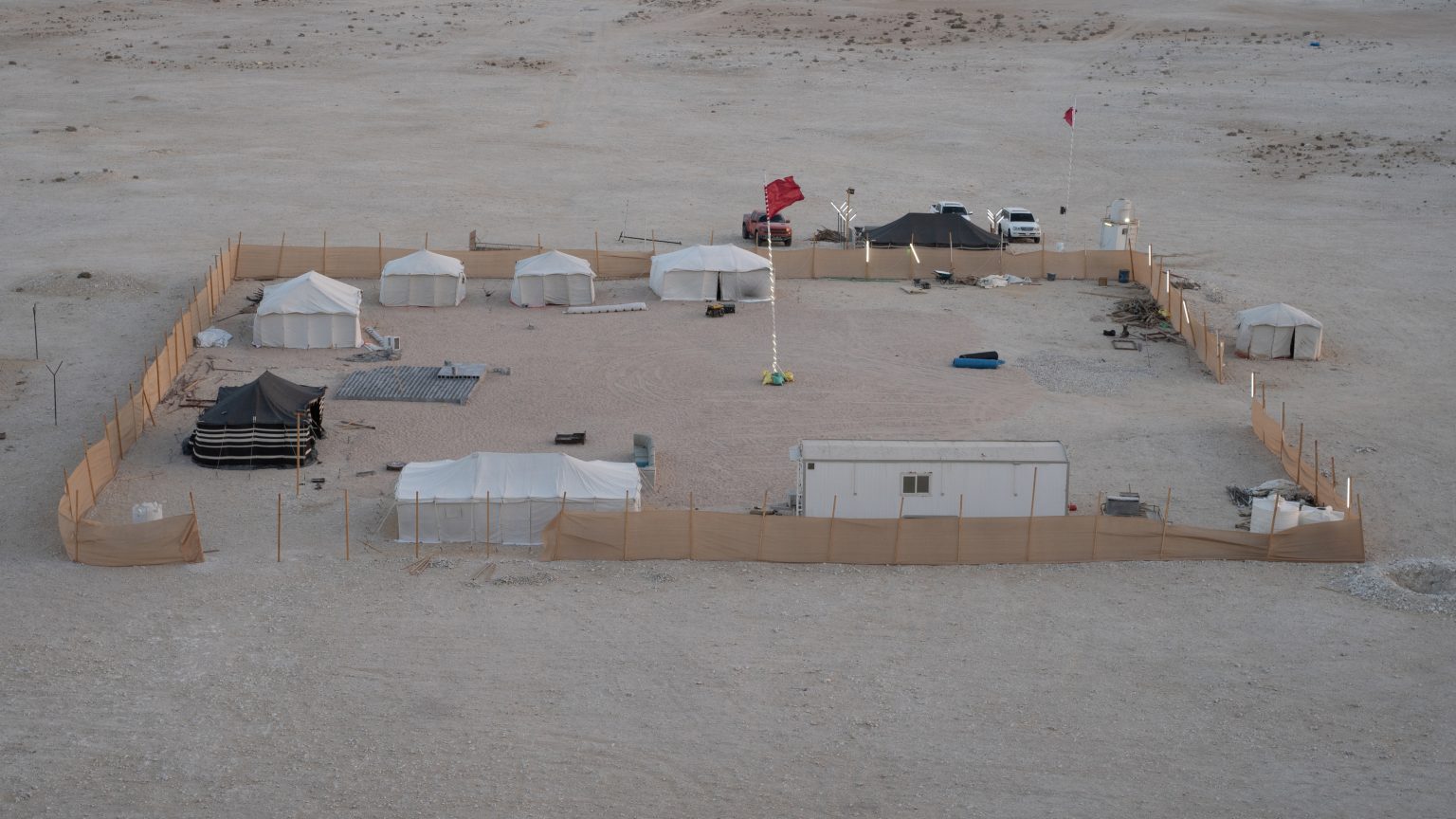
Desert Camping Experiences
Overnight stays allow visitors to experience the desert after sunset and enjoy the cooler hours of the day. Accommodation ranges from simple camping arrangements to more comfortable private tents.
Common options include:
- Traditional-style desert camps.
- Private tents with beds and meals.
- Organised evening excursions followed by an overnight stay.
- Stargazing and photography sessions.
Before booking, confirm whether bedding, meals, toilets, showers, and transport are included. Bring warm clothing for the evening and follow camp rules regarding fires, waste, and wildlife.
Cultural and Natural Highlights
The Inland Sea (Khor Al Adaid)
Khor Al Adaid is the defining natural attraction of Qatar’s southern desert. Its tidal inlet reaches between high dunes, creating a distinctive meeting point between sandy terrain and coastal water.
Visitors can enjoy the views, take photographs, and explore designated areas with a guide. Swimming may be possible in suitable locations, but conditions vary with tides, currents, and weather. Check local guidance before entering the water.
To help protect the area:
- Take all rubbish back with you.
- Avoid driving over vegetation or sensitive habitats.
- Keep a respectful distance from wildlife.
- Follow access restrictions and designated routes.
Wildlife and Desert Life
Qatar’s arid environments support a range of wildlife, although sightings depend on the location, season, and time of day. Species found in the country include Arabian oryx in protected settings, camels in managed or pastoral contexts, birds, reptiles, and smaller desert animals.
Early morning and late afternoon can offer better opportunities to observe wildlife while temperatures are lower. However, animals may remain hidden, and sightings are never guaranteed.
When observing wildlife:
- Keep a safe distance.
- Never feed or chase animals.
- Avoid disturbing nests or resting places.
- Use binoculars or a camera with a zoom lens where possible.
Desert Heritage and Traditions
The desert has influenced Qatari livelihoods and cultural history, including camel husbandry, falconry, and forms of hospitality associated with desert travel. These traditions remain visible in different ways through cultural events, heritage sites, and organised camp experiences.
Visitors may encounter demonstrations or explanations of:
- Falconry, a traditional practice with deep regional significance.
- Camel care and the role of camels in desert life.
- Arabic coffee and tea hospitality.
- Traditional foods and gatherings.
- Stories about travel, settlement, and life in arid environments.
Practices differ across families, communities, and settings. Choose experiences that present local traditions respectfully and allow participants to explain their own customs.
Food and Comfort in the Desert
Traditional Desert Meals
Meals served at desert camps vary according to the provider, package, and occasion. Visitors may find a mix of Qatari and wider regional dishes, particularly during organised evening excursions.
Possible offerings include:
- Grilled meats.
- Rice dishes, including biryani-style preparations.
- Lentil soup and hummus.
- Fresh flatbread.
- Arabic coffee and tea.
- Dates and other small refreshments.
If you have dietary requirements or food allergies, tell the operator before the trip. Confirm whether meals are included and whether alternatives can be arranged.
Staying Comfortable
Long periods outdoors can become tiring, especially in warm weather or when activities involve walking across sand. Plan breaks and keep essential items easy to reach.
Simple ways to stay comfortable include:
- Drinking water regularly.
- Taking breaks away from direct sunlight.
- Wearing loose, breathable clothing.
- Keeping sunscreen and personal medication accessible.
- Securing small items so they are not lost in the sand.
- Following your guide’s advice about the length and pace of activities.
For overnight trips, check the expected temperatures and the facilities available at the camp before packing.
Photography in the Qatari Desert
Best Photography Spots
Qatar’s desert offers opportunities to photograph dunes, coastal scenery, rocky terrain, and historic settlements. Good locations include:
- Khor Al Adaid, where dunes meet the sea.
- The western desert around Dukhan.
- Southern dune fields during sunrise or sunset.
- Historic areas around Al Zubarah and Al Jumail, where photography is permitted.
The hours shortly after sunrise and before sunset often provide softer light and stronger definition in the sand. Conditions vary, so allow time to explore different viewpoints rather than relying on one fixed location.
Protecting Camera Equipment
Fine sand can damage camera mechanisms and enter bags, lenses, and electronic devices. Take precautions before leaving for a remote location.
Helpful equipment and habits include:
- A protective camera bag or weather-resistant case.
- A lens cloth and suitable cleaning tools.
- Spare batteries and memory cards.
- A lens hood, where appropriate.
- Keeping equipment inside the bag when it is not being used.
- Avoiding lens changes in windy or dusty conditions.
Remove dust carefully rather than rubbing grains of sand across a lens or screen. A sealed bag also helps protect electronics during transport across dunes.
Best Time to Visit Qatar’s Desert
Ideal Season
The period from November to April is generally the most comfortable for many outdoor desert activities. Temperatures are usually more suitable for camping, dune excursions, photography, and coastal exploration than during the hottest summer months.
Conditions can still vary between day and night, so check the forecast for the specific dates of your trip.
Seasonal Activities
During the cooler months, desert camping and weekend excursions become popular. Visitors may find guided off-road trips, organised camp stays, and cultural activities offered by local operators.
Useful seasonal planning tips include:
- Book popular excursions ahead of time.
- Confirm departure and return times.
- Check whether seasonal events require separate tickets or reservations.
- Bring warm layers for evenings.
- Avoid assuming that every activity is available year-round.
The best itinerary depends on the weather, access conditions, and the type of experience you want, whether that is photography, adventure, heritage, or an overnight stay.
Planning a Safe and Memorable Desert Visit
Common mistakes include underestimating the heat, carrying too little water, attempting difficult off-road routes without the right experience, and ignoring changes in weather or visibility.
Before leaving, confirm your transport, route, supplies, and return arrangements. Choose guides who understand local terrain and access rules, respect the natural environment, and follow safety advice throughout the trip.
From the high dunes of the south to the historic sites and coastal landscapes elsewhere in the country, Qatar’s desert offers more than a single type of experience. Careful planning makes it easier to appreciate the Inland Sea, discover local heritage, and enjoy the landscape responsibly.