
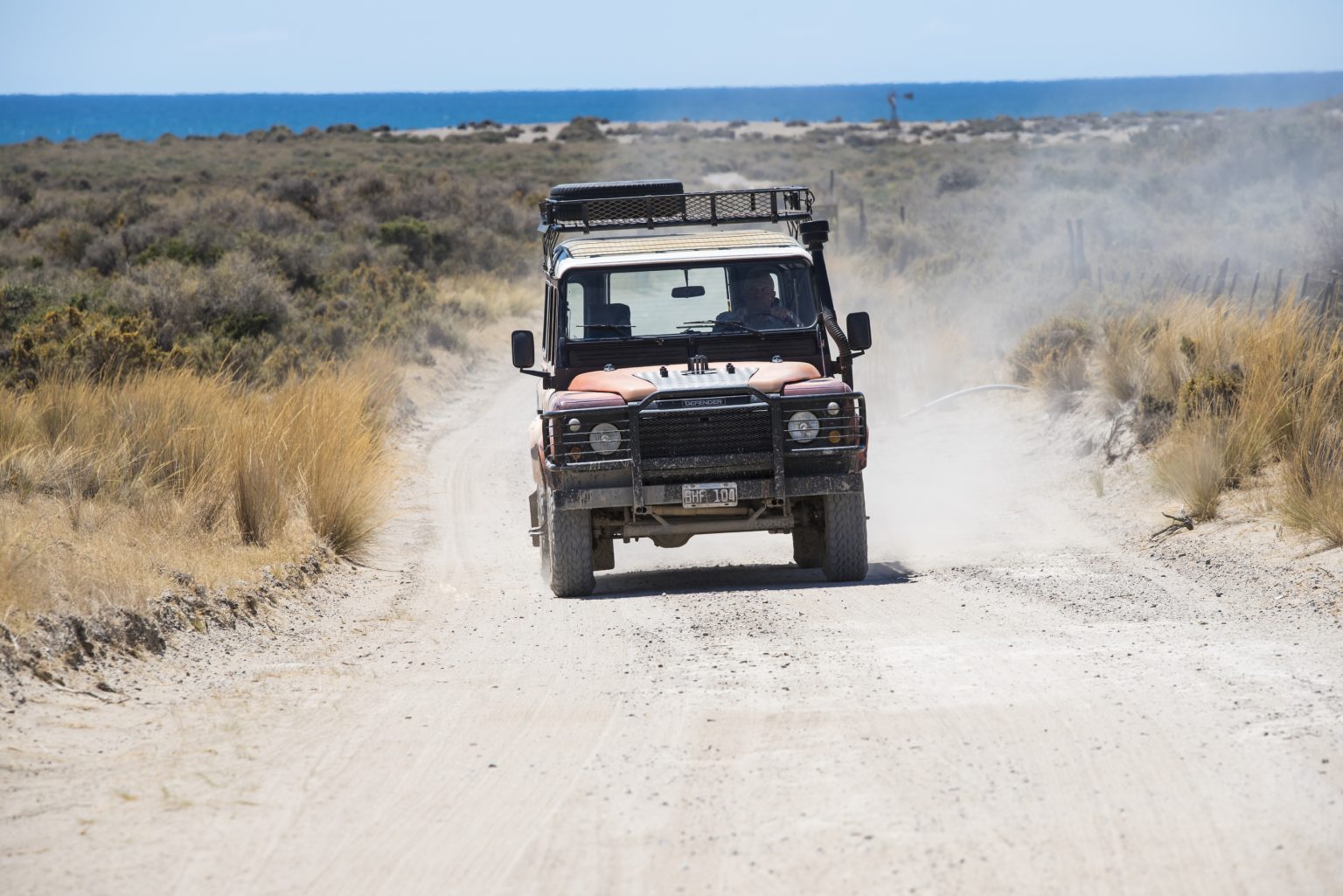
Argentina is known for its dramatic landscapes, vibrant culture, and historic landmarks, but its vast dry regions offer a different side of the country. From the Monte Desert in western Argentina to the windswept Patagonian Desert, these landscapes appeal to travelers interested in open horizons, unusual geology, and remote natural environments. This guide covers practical Argentina desert travel tips to help you plan your route, prepare for changing conditions, and explore these regions responsibly.
- Understanding the Deserts of Argentina
- The Monte Desert of Western Argentina
- The Patagonian Desert and Steppe Landscapes
- Andean and Cuyo Desert Regions
- Climate and Environmental Conditions
- Preparing for a Trip to Argentina’s Desert Regions
- What to Bring to Argentina’s Deserts
- Clothing for Extreme Desert Conditions
- Footwear and Essential Gear
- Health, Hydration, and Personal Care
- Safety Considerations in Argentina’s Deserts
- Exploring Argentina’s Desert Landscapes
- Natural and Cultural Highlights
- Food and Comfort in Desert Regions
- Photography in Argentina’s Desert Landscapes
- Best Time to Visit Argentina’s Deserts
- Planning a Safe Journey Through Argentina’s Arid Landscapes
Understanding the Deserts of Argentina
The Monte Desert of Western Argentina
The Monte Desert stretches across parts of western Argentina, including areas of Mendoza, San Juan, La Rioja, and Neuquén. Its landscape features dry plains, rocky ground, scattered shrubs, low dunes, and salt flats.
The region supports wildlife adapted to arid conditions, including foxes, guanacos, and several species of birds. Travelers can explore its open terrain, photograph distinctive rock formations, and visit nearby towns that provide access to the surrounding countryside. Although some areas are relatively accessible, distances between services can still be considerable.
The Patagonian Desert and Steppe Landscapes
Much of southern Argentina consists of the Patagonian Steppe, a vast, dry region often associated with the country’s Patagonian Desert. Its landscape includes gravel plains, plateaus, sparse vegetation, and broad valleys shaped by wind and erosion.
The region is particularly known for its strong winds, changing weather, and remote roads. Wildlife sightings may include guanacos, rheas, foxes, and birds of prey. Patagonia also contains important paleontological sites, especially in Santa Cruz and Chubut, where fossils reveal a long geological history.
Travelers should distinguish the dry steppe from the wetter forests and mountain environments of western Patagonia. Conditions can change significantly over relatively short distances.
Andean and Cuyo Desert Regions
The Cuyo region in western Argentina contains arid valleys, rocky landscapes, and areas influenced by the Andes. Volcanic activity, erosion, and long periods of dry weather have helped shape parts of this region.
Two important destinations are:
- Ischigualasto Provincial Park, also known as Valle de la Luna, in San Juan Province. It is famous for unusual rock formations and significant Triassic fossil discoveries.
- Talampaya National Park in La Rioja Province, known for its red sandstone cliffs, canyon scenery, and archaeological features.
Both parks offer opportunities to learn about Argentina’s geological past, but access to certain areas is regulated. Check current visitor arrangements before traveling.
Climate and Environmental Conditions
Argentina’s arid regions do not share a single climate. The Monte Desert can experience very hot summers and cold winters, while the Patagonian Steppe is generally cooler and exposed to persistent winds. In both regions, temperatures can fall considerably after sunset.
Important conditions to consider include:
- Summer heat in lower-elevation western desert areas.
- Strong winds across Patagonia, which can affect driving, hiking, and camping.
- Cold nights, even when daytime temperatures are comfortable.
- Rain, snow, or muddy roads that may disrupt travel in some areas.
- Limited shade and water, particularly on remote routes.
Check the forecast for your specific destination rather than relying on a general forecast for the province or region.
Preparing for a Trip to Argentina’s Desert Regions
Choosing the Right Desert Destination
Argentina’s dry regions suit different interests, from geological exploration to wildlife watching and photography.
- Ischigualasto (Valle de la Luna): unusual rock formations, fossils, and geological scenery.
- Talampaya National Park: red cliffs, canyon landscapes, and guided excursions.
- Mendoza’s arid surroundings: dry foothills, open landscapes, and access to established tourism services around Mendoza.
- Patagonian Steppe: solitude, wildlife observation, and long-distance road travel.
- Salinas Grandes: expansive salt-flat scenery in the northwestern Andes, near Jujuy and Salta.
Salinas Grandes is a high-altitude salt flat rather than a typical sandy desert. Its elevation and access conditions make it a different experience from the Monte Desert or Patagonian Steppe.
Choose your destination according to your priorities, available travel time, preferred activities, and comfort with remote conditions.
Understanding Local History and Culture
Argentina’s arid regions have long histories of Indigenous settlement and movement. Communities including the Mapuche, Diaguita, and Tehuelche have distinct histories, cultural practices, and connections to different parts of the country. Their presence should not be reduced to a single desert culture.
Archaeological sites, rock art, tools, and other remains provide evidence of earlier settlement and adaptation to local environments. When visiting cultural or archaeological locations:
- Follow site rules and stay on designated paths.
- Never touch, remove, or mark archaeological objects or rock art.
- Ask permission before photographing people or private property.
- Use local guides when they can provide reliable historical and cultural context.
Respectful travel includes recognizing that these landscapes are not simply empty wilderness. They are also places with continuing communities and cultural significance.
Planning and Logistics
Planning is particularly important when traveling outside Argentina’s main tourist centers. Some roads are unpaved, fuel stations can be far apart, and mobile coverage may disappear for long stretches. Weather can also change quickly, especially in Patagonia.
Before departure:
- Map fuel stations and overnight stops along your route.
- Check road conditions and park access information.
- Confirm whether your itinerary requires a local guide, permit, or advance reservation.
- Carry sufficient drinking water, food, and emergency supplies.
- Share your itinerary with someone and agree on when you will check in.
- Allow extra time for long distances and slower rural roads.
Avoid planning a remote driving day around optimistic travel times alone. Road surfaces, wind, and limited services can make journeys take longer than expected.
What to Bring to Argentina’s Deserts
Clothing for Extreme Desert Conditions
Choose clothing that protects you from sunlight, wind, and temperature changes. Breathable fabrics are useful during warm days, while layers provide flexibility as conditions change.
Recommended clothing includes:
- Lightweight, long-sleeved shirts and comfortable trousers.
- A wide-brimmed hat or cap and sunglasses.
- High-SPF sunscreen.
- A warm jacket and thermal layers for cold evenings.
- A windproof outer layer, particularly for Patagonia.
- A waterproof layer when rain or snow is possible.
Even during warmer seasons, do not assume that Patagonia will remain mild throughout the day.
Footwear and Essential Gear
Your equipment should match the terrain and planned activities. For hiking and remote travel, useful items include:
- Sturdy hiking boots with good grip for gravel and rocky ground.
- A comfortable daypack for water, food, and extra clothing.
- A headlamp with spare batteries.
- Reusable water bottles or a hydration system.
- Offline maps and a reliable navigation device.
- A power bank and charging cables.
- A basic emergency kit suitable for your route.
For longer journeys, carry enough supplies to cover unexpected delays rather than packing only for the planned duration.
Health, Hydration, and Personal Care
Dry air, sunlight, wind, and physical activity can increase the risk of dehydration and skin irritation. Drink water regularly, and increase your intake when conditions and activity levels require it. Do not rely on thirst alone during demanding excursions.
Pack these personal-care essentials:
- Sunscreen and lip balm.
- Skin moisturizer.
- Personal medication and a basic first-aid kit.
- Bandages and antiseptic supplies.
- Any medication or equipment needed for known personal requirements.
If you plan to visit high-altitude destinations in the Andes, allow time to acclimatize and learn to recognize symptoms of altitude sickness. Drinking water is helpful, but it does not prevent altitude illness by itself.
Safety Considerations in Argentina’s Deserts
Managing Sun, Heat, and Wind
Parts of the Monte Desert can become extremely hot during summer, while strong winds are a regular concern across Patagonia. Both conditions can affect comfort and safety.
To reduce exposure:
- Schedule strenuous walks for cooler hours.
- Rest in shade whenever possible.
- Wear protective clothing and apply sunscreen again as directed.
- Carry enough water for the entire excursion, including a reasonable reserve.
- Check wind forecasts before hiking, camping, or driving exposed roads.
- Postpone outdoor activities when heat or weather conditions make them unsafe.
Wind can also blow dust and small particles into your eyes, so sunglasses and suitable eye protection are useful.
Wildlife Awareness
Wildlife encounters are possible across Argentina’s dry regions. Depending on the location, travelers may see guanacos, foxes, rheas, armadillos, or birds of prey. Snakes also occur in some areas, particularly around rocky ground and vegetation.
Observe wildlife from a safe distance and never attempt to feed or handle animals. Stay on marked trails where available, watch where you place your hands and feet, and follow local advice about species that may be present.
If you encounter wildlife near a road, slow down carefully and avoid stopping in an unsafe position.
Navigation and Remote Travel
Mobile phone coverage is unreliable in many sparsely populated areas. A route that appears straightforward on a map may involve long distances without fuel, accommodation, or assistance.
Prepare by taking the following precautions:
- Download maps for offline use.
- Carry a charged phone and, for particularly remote trips, consider a suitable satellite communication device.
- Tell someone your route and expected arrival time.
- Avoid driving at night when possible because of reduced visibility and the risk of encountering animals on the road.
- Check road conditions after rain or snow.
- Do not enter flooded crossings or continue along roads that have become unsafe.
If you are unfamiliar with remote driving, a guided excursion may be safer than attempting an isolated route independently.
Exploring Argentina’s Desert Landscapes
Driving and Access
A rental car provides flexibility for visiting many dry regions, but a 4×4 vehicle is not necessary for every destination. The appropriate vehicle depends on the road surface, route, weather, and rental conditions.
Before setting out:
- Check whether the route is suitable for your vehicle.
- Inspect tires and confirm that the spare tire and basic tools are available.
- Fill the fuel tank before entering remote stretches.
- Carry drinking water and emergency supplies.
- Review current access rules for protected areas.
Ischigualasto and Talampaya have regulated visitor routes and specific arrangements for exploring certain areas. Confirm the latest requirements with park authorities or official visitor information before arrival.
Do not drive onto dunes, salt flats, or unmarked tracks simply because the surface looks firm. Conditions can be deceptive, and vehicles may become stuck or damage sensitive environments.
Guided Tours and Local Expertise
Guided excursions can be especially useful in protected parks, remote canyons, and areas with complex access conditions. A knowledgeable local guide can explain geological features, identify wildlife, share regional history, and help visitors follow safety rules.
Consider a guided tour when:
- The route requires specialized driving experience.
- Access is restricted to organized visits.
- You want detailed information about fossils, geology, or archaeology.
- You are unfamiliar with the local terrain or weather.
- You plan to visit an isolated area without reliable mobile coverage.
Compare what each tour includes, such as transport, entrance fees, walking distances, and equipment requirements.
Hiking and Trekking Opportunities
Walking routes range from short, organized excursions to more demanding hikes in remote terrain. Possible options include:
- Guided routes through Valle de la Luna in Ischigualasto.
- Canyon excursions in Talampaya National Park.
- Selected trails and rural routes in Santa Cruz and Chubut.
- Walks in arid areas around Mendoza, where access and terrain vary by location.
Check the route length, elevation, difficulty, and current conditions before setting out. Carry sufficient water, wear appropriate footwear, and remain on designated paths. In remote areas, avoid hiking alone unless you have the necessary experience, equipment, and emergency plan.
Natural and Cultural Highlights
Ischigualasto and the Valley of the Moon
Ischigualasto Provincial Park is one of Argentina’s most important paleontological destinations. Its unusual rock formations and Triassic fossils offer insight into ecosystems that existed millions of years ago.
The park’s changing colors and distinctive shapes also attract photographers. Visitors should follow designated routes and avoid disturbing geological formations or fossil-bearing areas.
Talampaya National Park
Talampaya National Park is recognized for its towering red sandstone walls, broad canyon landscapes, and archaeological features, including rock art. Organized excursions provide access to parts of the park while helping protect its sensitive environment.
Conditions and available activities can vary, so check current visitor arrangements before traveling. Bring sun protection and water, particularly for outdoor excursions during warmer weather.
The Patagonian Desert Steppe
The Patagonian Steppe offers long horizons, sparse vegetation, and a sense of distance rarely found near major cities. Its attractions are spread across a large area, so visitors should plan around specific towns, routes, and sites rather than treating the region as a single compact destination.
Highlights include:
- Paleontological sites in Chubut, which reflect the region’s rich fossil history.
- Fossil localities in Santa Cruz, including areas with significant geological and paleontological interest.
- The surroundings of Puerto Madryn, where dry Patagonian landscapes meet a coastal environment.
- Arid plateaus and valleys in Río Negro, with opportunities for scenic drives and nature observation.
Some attractions require substantial driving, and services may be limited between towns. Build enough time into your itinerary to enjoy the landscape without rushing between distant stops.
Food and Comfort in Desert Regions
Typical Regional Cuisine
Food options vary between cities, rural settlements, and remote travel routes. In many Argentine towns, travelers can find familiar regional dishes such as:
- Asado, meat cooked on a grill.
- Empanadas, filled pastries that vary by region.
- Locro, a hearty stew traditionally prepared with ingredients such as corn, beans, and meat.
- Homemade bread and regional cheeses, depending on the area.
These dishes are part of Argentina’s broader culinary traditions rather than a single, uniform desert cuisine. Local menus differ from one province to another.
For remote excursions, bring water and practical snacks. Do not assume that food shops or restaurants will be available along rural roads or near isolated trailheads.
Staying Comfortable While Traveling
Comfort depends largely on matching your plans to the weather and available services. A few practical habits make long days outdoors easier:
- Drink water regularly and carry additional supplies for delays.
- Take breaks during the hottest part of the day.
- Dress in layers that can be adjusted as temperatures change.
- Protect your face and eyes from wind and dust.
- Keep food and rubbish secured at campsites.
- Check accommodation, fuel, and meal options before entering remote areas.
If camping, use established sites where available and follow local fire restrictions. Leave the area clean and avoid disturbing vegetation or wildlife.
Photography in Argentina’s Desert Landscapes
Best Locations and Timing
Argentina’s dry regions offer a variety of photographic subjects, from geological formations to broad, windswept plains. Potential locations include:
- Ischigualasto’s rock formations, especially when low-angle sunlight reveals their textures.
- Talampaya’s red canyon walls, where changing light creates contrasts across the rock.
- The Patagonian Steppe, with open horizons, cloud formations, and wildlife.
- The Monte Desert, where low dunes, dry vegetation, and rocky ground create detailed foregrounds.
Early morning and late afternoon often provide softer light and more pronounced textures. However, conditions vary with the season, cloud cover, and the location’s elevation.
Protecting Camera Equipment
Dust, wind, and temperature changes can affect cameras, lenses, and batteries. Prepare your equipment before leaving sheltered areas.
Useful precautions include:
- Keep your camera in a protective bag when it is not in use.
- Avoid changing lenses in windy or dusty conditions.
- Carry spare batteries, as cold temperatures can reduce battery performance.
- Use a lens cloth and appropriate cleaning supplies.
- Secure tripods and other lightweight equipment in strong winds.
Respect restrictions at archaeological and paleontological sites. Never move fossils, climb fragile formations, or leave designated routes to obtain a photograph.
Best Time to Visit Argentina’s Deserts
Ideal Travel Seasons
The most suitable season depends on your destination, planned activities, and tolerance for heat or cold.
- Monte Desert: Autumn, winter, and spring can offer more comfortable conditions than the hottest summer period, although winter nights may be cold.
- Patagonian Steppe: Spring and summer in the Southern Hemisphere, broadly from October to April, often provide longer daylight hours and milder temperatures. Strong winds remain possible.
- Cuyo region: Spring and autumn are often useful periods for outdoor exploration, with conditions varying by elevation and location.
These are general seasonal guidelines, not guarantees of good weather. Check local forecasts and road conditions before finalizing your plans.
Seasonal Highlights
Spring can bring seasonal plant growth and occasional blooms in suitable locations. Autumn often offers cooler conditions for walking and road trips. Winter can bring cold temperatures, snow, or difficult road conditions in parts of Patagonia, while some lower-elevation desert destinations remain accessible.
For every season, consider:
- Daytime and nighttime temperatures.
- Wind speed and exposure.
- Rainfall, snow, and road conditions.
- Park opening arrangements and tour availability.
- The amount of daylight available for driving or hiking.
Choosing dates around the conditions of your particular destination will help you make better use of your time.
Planning a Safe Journey Through Argentina’s Arid Landscapes
Argentina’s dry regions reward travelers who prepare carefully and allow enough time to experience each destination. From the fossil-bearing formations of Ischigualasto and the red canyons of Talampaya to the expansive Patagonian Steppe and the Monte Desert, each area has its own terrain, climate, and practical requirements.
Before departure, check weather forecasts, confirm access arrangements, plan fuel and water supplies, and choose activities suited to your experience. Respect local communities, archaeological sites, wildlife, and protected landscapes.
With realistic planning and an understanding of regional conditions, Argentina’s desert landscapes offer memorable opportunities for geology, photography, wildlife observation, and quiet exploration far from the country’s busiest tourist routes.