
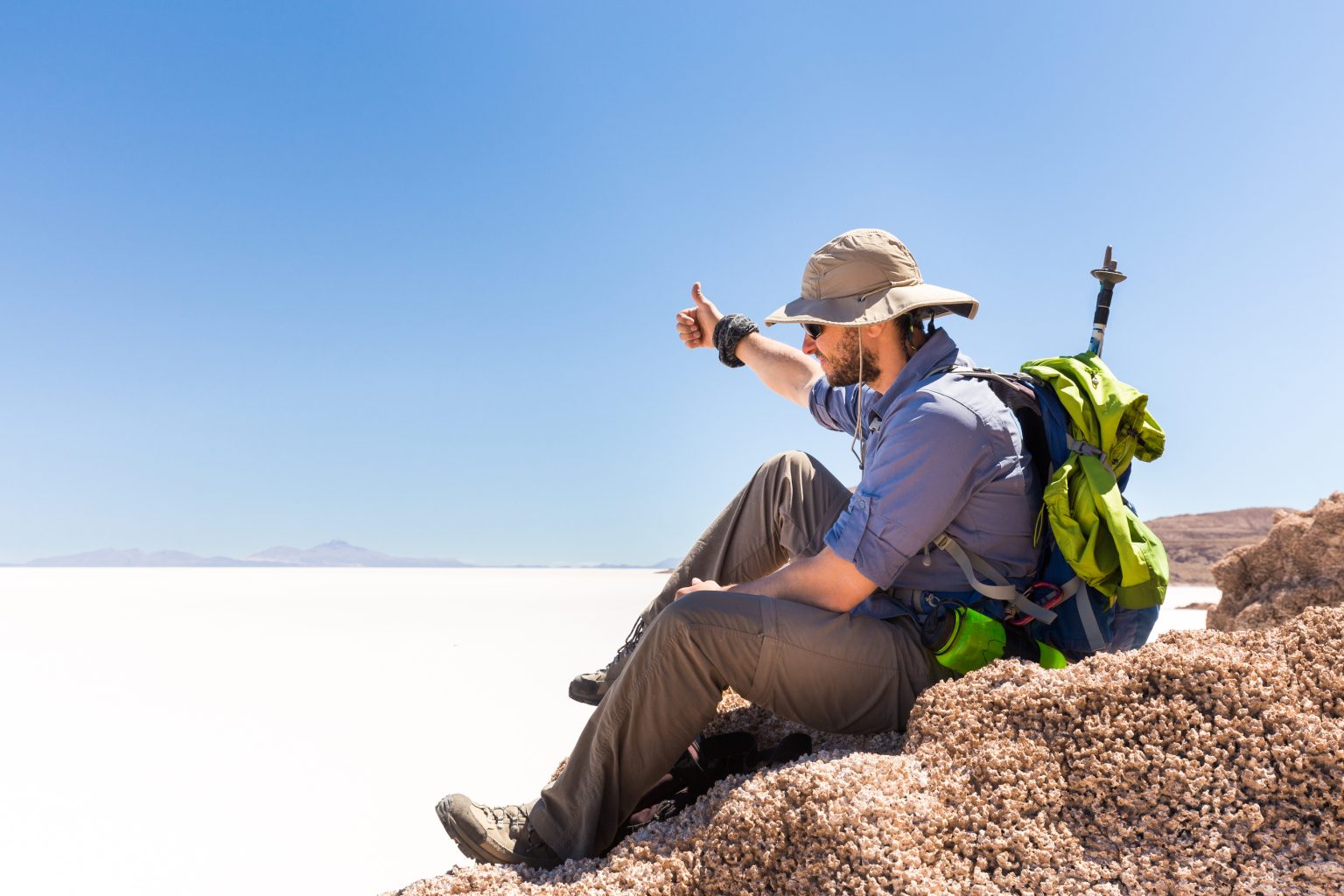
Bolivia is known for its cultural diversity and dramatic geography, from Amazonian forests to the high peaks of the Andes. In the southwest, Bolivia’s desert landscapes feature vast salt flats, colorful lagoons, volcanic terrain, and windswept plains rather than endless fields of sand. These environments offer distinctive opportunities for travelers interested in nature, photography, geology, and remote destinations.
- Discovering Bolivia’s Desert Landscapes
- The Salar de Uyuni Salt Flats
- Eduardo Avaroa National Reserve and the Siloli Desert
- The High Desert of the Altiplano
- Climate, Altitude, and Environmental Conditions
- Preparing for a Desert Trip in Bolivia
- Choosing the Right Desert Experience
- Indigenous Cultures and Local Traditions
- Routes and Travel Logistics
- What to Pack for Bolivia’s Deserts
- Safety Considerations in Bolivia’s Desert Regions
- Exploring Bolivia’s Desert Regions
- Natural and Cultural Highlights
- Comfort and Food in the Desert
- Desert Photography in Bolivia
- Best Time to Visit Bolivia’s Deserts
- Planning a Safe and Rewarding Journey Across Bolivia’s Deserts
The immense Salar de Uyuni and the striking lagoons of the Eduardo Avaroa Andean Fauna National Reserve are among the region’s best-known attractions. Their high elevations, cold nights, intense sunlight, and limited facilities require careful preparation. This guide explains how to plan a safer and more comfortable journey while respecting local communities and fragile high-altitude ecosystems.
Discovering Bolivia’s Desert Landscapes
The Salar de Uyuni Salt Flats
The Salar de Uyuni is the world’s largest salt flat, covering approximately 10,000 square kilometers in southwestern Bolivia. Its broad, pale surface creates an extraordinary sense of scale, with distant mountains and a seemingly endless horizon.
During the rainy season, a shallow layer of water can cover parts of the salt flat, producing the famous mirror effect. The phenomenon depends on rainfall and local conditions, so it is not guaranteed across the entire area or throughout the season.
Highlights include:
- Vast white salt landscapes and geometric salt patterns.
- Isla Incahuasi, known for its large cacti and elevated viewpoints.
- Reflections across flooded sections during suitable conditions.
- Salt-built structures and other features associated with tourism around the salt flat.
- Natural formations such as the salt flat’s water-filled openings, commonly known as ojos del salar.
Conditions can change quickly during the wet season, affecting access and driving routes. Follow local guidance and avoid entering flooded areas without an experienced operator.
Eduardo Avaroa National Reserve and the Siloli Desert
South of Uyuni, the Eduardo Avaroa Andean Fauna National Reserve protects a striking combination of high-altitude desert, volcanic terrain, saline lagoons, and wildlife habitats. The wider South Lípez region is known for its dramatic colors and remote scenery.
The Siloli Desert is famous for its wind-shaped rock formations, including the Árbol de Piedra, a distinctive rock formation sculpted by erosion.
Other notable features include:
- Laguna Colorada, known for its reddish water and flamingos.
- Laguna Verde, whose color can vary with mineral conditions, sunlight, and wind.
- Volcanic landscapes and geothermal areas.
- Vicuñas, Andean foxes, and high-altitude birdlife, depending on the location.
These environments are sensitive to disturbance. Visitors should stay on permitted routes, observe wildlife from a distance, and follow reserve regulations.
The High Desert of the Altiplano
The Bolivian Altiplano is a high plateau with extensive areas above 3,600 meters. Its landscapes include open plains, salt flats, volcanoes, wetlands, and scattered settlements.
Conditions can be demanding because of the combination of elevation, strong sunlight, wind, and large temperature differences between day and night.
Travelers can expect:
- Wide views across high-altitude plains.
- Volcanic peaks and rugged mountain scenery.
- Saline lagoons and wetlands.
- Small settlements with distinctive regional traditions.
- Remote roads where services may be limited.
The Altiplano is not a uniform desert. Its habitats and landscapes vary considerably, so allow time to understand the conditions at each destination rather than treating the entire region as one environment.
Climate, Altitude, and Environmental Conditions
Many popular destinations in southwestern Bolivia lie above 3,500 meters, and some excursions reach elevations exceeding 4,000 meters. The combination of altitude and exposed terrain makes preparation particularly important.
Conditions may include:
- Strong ultraviolet radiation.
- Cold nights and freezing early mornings.
- Strong winds and blowing dust.
- Reduced oxygen availability at high elevations.
- Limited shade and few services in remote areas.
Check the elevation of planned stops and build acclimatization time into your itinerary before visiting the highest locations.
Preparing for a Desert Trip in Bolivia
Choosing the Right Desert Experience
Different destinations offer different experiences, from photography on the salt flats to wildlife observation and geological exploration.
Consider these options:
- Salar de Uyuni: Salt landscapes, mirror reflections when conditions permit, and visits to Isla Incahuasi.
- Eduardo Avaroa Reserve: Colorful lagoons, volcanic scenery, and high-altitude wildlife.
- South Lípez: Remote Andean landscapes, rock formations, and scenic overland routes.
- Altiplano villages: Opportunities to learn about local livelihoods and regional cultural traditions.
Choose your route according to your interests, available time, and comfort with high elevations. A multi-day journey covers more ground but usually involves long drives and basic accommodation in remote areas.
Indigenous Cultures and Local Traditions
The Bolivian highlands are home to diverse Indigenous communities, including Aymara and Quechua peoples. Their languages, histories, agricultural practices, and cultural traditions vary between regions and communities.
Visitors can learn about local life through community-based tourism, visits to settlements, and conversations with knowledgeable guides.
For respectful cultural encounters:
- Ask permission before photographing people.
- Follow local guidance at sacred or culturally significant places.
- Support local businesses and guides where possible.
- Respect private property and community rules.
- Avoid presenting one community’s practices as representative of all Indigenous peoples in Bolivia.
Some communities have longstanding connections with salt production, livestock, farming, and trade. The details depend on the location, so local explanations are valuable for understanding each area.
Routes and Travel Logistics
Most trips to the Salar de Uyuni begin in Uyuni, while some multi-day tours depart from Tupiza. Travelers may also enter Bolivia from San Pedro de Atacama in Chile through organised cross-border itineraries.
Tour options range from short visits to extended journeys through South Lípez and the Eduardo Avaroa Reserve.
Before booking, check:
- The route and total duration.
- The highest elevation reached.
- Whether meals, water, and accommodation are included.
- The condition and suitability of the vehicle.
- The guide’s experience with remote high-altitude travel.
- Border arrangements if travelling from Chile.
- Cancellation or route changes during adverse weather.
Reliable local operators are particularly important in remote areas, where mobile coverage and emergency services may be limited.
What to Pack for Bolivia’s Deserts
Clothing for Extreme Temperature Changes
Sunny afternoons can be followed by very cold nights, especially at high elevation. Layering is the most practical way to adjust to changing conditions.
Pack:
- Lightweight, long-sleeved clothing for daytime.
- Thermal base layers.
- An insulated jacket or warm fleece.
- A wind-resistant outer layer.
- Warm trousers for evenings.
- A hat, gloves, and scarf for cold mornings.
- Sunglasses and a sun-protective hat.
Do not pack based only on daytime temperatures. Early departures to lagoons and geothermal areas can be especially cold.
Footwear and Essential Gear
Sturdy walking shoes or hiking boots are useful for salt crusts, rocky ground, and volcanic terrain. Footwear should provide good grip and protect your feet during short walks.
Useful equipment includes:
- A small daypack.
- A headlamp or flashlight.
- A reusable water bottle.
- A power bank.
- Spare batteries and memory cards.
- Offline maps and essential travel information.
- Personal identification and medication.
For multi-day trips, ask the operator what equipment is supplied and whether electricity is available at overnight stops.
Health and Hydration Essentials
High altitude, dry air, and physical activity can contribute to dehydration and discomfort. Drink water regularly and carry enough for the planned journey.
Useful personal supplies include:
- High-SPF sunscreen.
- Lip balm and moisturizer.
- A basic first-aid kit.
- Bandages and antiseptic wipes.
- Personal medication.
- Electrolyte products for demanding activities, when appropriate.
Do not take altitude medication without suitable medical advice. Travelers with relevant medical conditions should consult a healthcare professional before planning high-altitude excursions.
Safety Considerations in Bolivia’s Desert Regions
Managing Altitude Sickness
Altitude sickness can affect visitors who ascend quickly to high elevations. Symptoms may include headache, nausea, dizziness, and unusual fatigue.
To reduce the risk:
- Spend time acclimatizing before visiting the highest destinations.
- Increase elevation gradually when possible.
- Avoid strenuous activity during the initial acclimatization period.
- Eat moderate meals if you feel uncomfortable.
- Avoid alcohol when adjusting to altitude.
- Tell your guide if symptoms develop.
Do not continue ascending if you feel unwell. Severe or worsening symptoms require medical assessment and descent where appropriate. Confusion, difficulty walking normally, or breathlessness at rest are warning signs that require urgent medical attention.
Drinking water is important for general health, but hydration alone does not prevent altitude sickness.
Weather and Exposure Risks
Weather in the high desert can change rapidly. Sunny conditions may give way to strong winds, dust, or freezing temperatures, particularly at exposed locations.
Prepare by:
- Wearing layers that protect against wind and cold.
- Carrying gloves and warm clothing for early starts.
- Checking the forecast before each excursion.
- Following local advice about road conditions.
- Avoiding exposed walks during unsuitable weather.
Even during the dry season, nights can be very cold. Confirm the heating and bedding arrangements at remote accommodation before travelling.
Traveling in Remote Areas
Mobile coverage is limited in many parts of South Lípez and the Eduardo Avaroa Reserve. Roads can be rough, and emergency assistance may be far away.
For safer travel:
- Choose an experienced operator with a suitable vehicle.
- Confirm that sufficient fuel and emergency supplies are carried.
- Ask about communication equipment and contingency plans.
- Keep your itinerary and expected return time clear.
- Avoid leaving the planned route without local guidance.
Independent travel requires careful route planning, vehicle preparation, and knowledge of local conditions. For most visitors, an organised multi-day tour is the more practical option.
Exploring Bolivia’s Desert Regions
4×4 Desert Tours
A 4×4 desert tour is the most common way to explore the Salar de Uyuni and the remote landscapes of South Lípez. Suitable vehicles allow experienced drivers to travel across salt flats, gravel plains, volcanic terrain, and high mountain passes.
A multi-day itinerary may include:
- Scenic stops around the Salar de Uyuni.
- A visit to Isla Incahuasi when access permits.
- Lagoons and wildlife-viewing areas.
- The Árbol de Piedra and surrounding formations.
- Geothermal landscapes and high-altitude viewpoints.
Journeys can involve several hours of driving each day. Ask about seating, luggage limits, overnight facilities, and the route before booking.
Hiking and Short Walks
Short walks can be rewarding at selected locations, including Isla Incahuasi and designated viewpoints around lagoons and geological formations. However, altitude can make even modest physical activity more demanding.
For comfortable and safer walks:
- Move slowly and avoid overexertion.
- Carry water and sun protection.
- Wear suitable shoes.
- Follow designated routes.
- Stay with your group.
- Stop if you experience symptoms of altitude sickness.
Do not approach geothermal features or unstable ground outside permitted areas.
Multi-Day Desert Expeditions
Longer journeys through South Lípez and the Eduardo Avaroa Reserve provide access to remote scenery that cannot easily be reached on a short day trip.
Accommodation may include simple hostels, basic lodges, or refuges with limited heating and electricity. Facilities vary by route and operator.
Before departing, confirm:
- Whether bedding is provided.
- Availability of hot water and toilets.
- Heating arrangements.
- Meal and drinking-water provision.
- Charging facilities for phones and cameras.
- The expected temperature at overnight stops.
Bring extra warm layers and keep essential medication accessible throughout the journey.
Natural and Cultural Highlights
Key Sights of the Salar de Uyuni
The salt flat offers a range of distinctive features, depending on the season and route.
Highlights include:
- Vast white salt surfaces and geometric patterns.
- Mirror reflections across flooded areas during suitable wet-season conditions.
- Giant cacti on Isla Incahuasi.
- Salt-built structures associated with local tourism.
- Natural openings in the salt crust known as ojos del salar.
The appearance of the salt flat changes with rainfall, light, and surface conditions. Follow your guide’s advice about where vehicles can travel safely.
Laguna Colorada
Laguna Colorada is known for its reddish water, which can vary in intensity with mineral content, algae, light, and environmental conditions. The lagoon also supports flamingos and other birdlife adapted to high-altitude wetlands.
For responsible wildlife viewing:
- Observe birds from designated areas.
- Keep a respectful distance.
- Avoid feeding or chasing wildlife.
- Do not enter restricted wetland areas.
- Follow reserve regulations and guide instructions.
The contrast between the lagoon, surrounding mountains, and pale mineral deposits makes it one of the region’s most recognizable landscapes.
Volcanoes, Geysers, and Hot Springs
Volcanic and geothermal features contribute to the dramatic scenery of southwestern Bolivia. The Sol de Mañana geothermal field is known for steam vents, fumaroles, and other signs of geothermal activity.
Natural hot springs are also found in parts of the region and can offer a welcome break from cold conditions. Availability and access depend on the location and weather.
When visiting geothermal areas:
- Follow marked paths and safety barriers.
- Keep away from unstable ground and hot vents.
- Follow your guide’s instructions.
- Check local conditions before entering hot springs.
- Leave natural features undisturbed.
Comfort and Food in the Desert
Meals on Desert Tours
Meals on organised desert tours are usually practical and filling, although menus vary between operators and accommodation providers.
Typical options may include:
- Rice and pasta dishes.
- Vegetables and soups.
- Meat or other protein options.
- Bread and fruit.
- Snacks for longer drives.
Tell your operator about dietary requirements and food allergies before departure. On multi-day trips, confirm whether meals, drinking water, and snacks are included in the package.
Staying Comfortable in Harsh Conditions
The combination of altitude, cold nights, dry air, and long drives can make desert travel tiring. Planning ahead helps you remain comfortable throughout the journey.
- Dress in layers and add warm clothing before temperatures drop.
- Drink water regularly.
- Apply sunscreen and lip balm.
- Carry snacks for long transfers.
- Rest between demanding activities.
- Keep personal medication and essential items within reach.
Allow time to acclimatize and avoid filling every day with strenuous excursions.
Desert Photography in Bolivia
Best Photography Locations
Bolivia’s high-altitude landscapes offer opportunities for wide-angle scenery, wildlife photography, and night-sky images.
Consider photographing:
- Salar de Uyuni, including mirror reflections when conditions permit.
- The cacti and elevated viewpoints of Isla Incahuasi.
- Laguna Verde and Laguna Colorada.
- The Árbol de Piedra and nearby rock formations.
- Geothermal landscapes in the early morning.
- Star-filled skies away from artificial lighting.
Light, weather, and access conditions influence the best time for each location. Allow flexibility in your itinerary and follow local rules about photography at protected sites.
Protecting Camera Equipment
Salt, dust, cold, and sudden temperature changes can affect cameras and electronic equipment.
Useful precautions include:
- Keeping cameras and lenses in protective bags.
- Avoiding lens changes in windy or dusty conditions.
- Carrying spare batteries and memory cards.
- Keeping batteries warm during cold nights.
- Using suitable cleaning tools to remove dust and salt.
- Protecting equipment from moisture when photographing mirror reflections.
Avoid rubbing salt or dust across a lens. Clean equipment carefully with suitable tools after returning to a sheltered location.
Best Time to Visit Bolivia’s Deserts
Dry Season: May to October
The dry season generally offers clearer skies and more reliable access across many highland routes. These months can be practical for exploring the salt flat and surrounding desert, although nighttime temperatures may be very low.
Before booking, check:
- Expected temperatures at overnight stops.
- Road and route conditions.
- The availability of guided tours.
- Whether high-altitude excursions are suitable for your itinerary.
Clear skies are not guaranteed, and weather can still affect travel.
Wet Season: November to April
Rainfall can create the famous mirror effect on the Salar de Uyuni, particularly when a shallow layer of water covers parts of the salt flat. This period is popular with photographers, but flooding can also restrict vehicle access and change available routes.
For a wet-season visit:
- Confirm conditions with a local operator shortly before departure.
- Ask whether the mirror effect is currently visible.
- Follow instructions about safe driving areas.
- Expect itinerary changes if water levels or weather affect access.
- Bring suitable protection for rain and cold conditions.
The mirror effect depends on recent rainfall and local conditions, so it cannot be guaranteed on any specific date.
Planning a Safe and Rewarding Journey Across Bolivia’s Deserts
Common Mistakes to Avoid
High-altitude desert travel requires more preparation than the scenery may suggest. Common mistakes include:
- Underestimating altitude and ascending too quickly.
- Packing too lightly for freezing nights.
- Carrying insufficient water.
- Assuming mobile coverage will be available everywhere.
- Booking a multi-day trip without checking accommodation facilities.
- Ignoring weather-related route changes.
- Disturbing wildlife or leaving rubbish behind.
Making the Most of Your Visit
A balanced itinerary can combine the Salar de Uyuni, the lagoons of the Eduardo Avaroa Reserve, volcanic landscapes, and visits to local communities. Allow time to acclimatize, rest between long drives, and adjust plans when weather or road conditions change.
From the vast white surface of the Salar de Uyuni to the colorful lagoons and volcanic plains of South Lípez, Bolivia’s desert landscapes offer a distinctive combination of geological features, wildlife, and highland culture. With suitable preparation, respect for local communities, and responsible travel choices, visitors can explore these remarkable environments while helping protect their fragile ecosystems.