
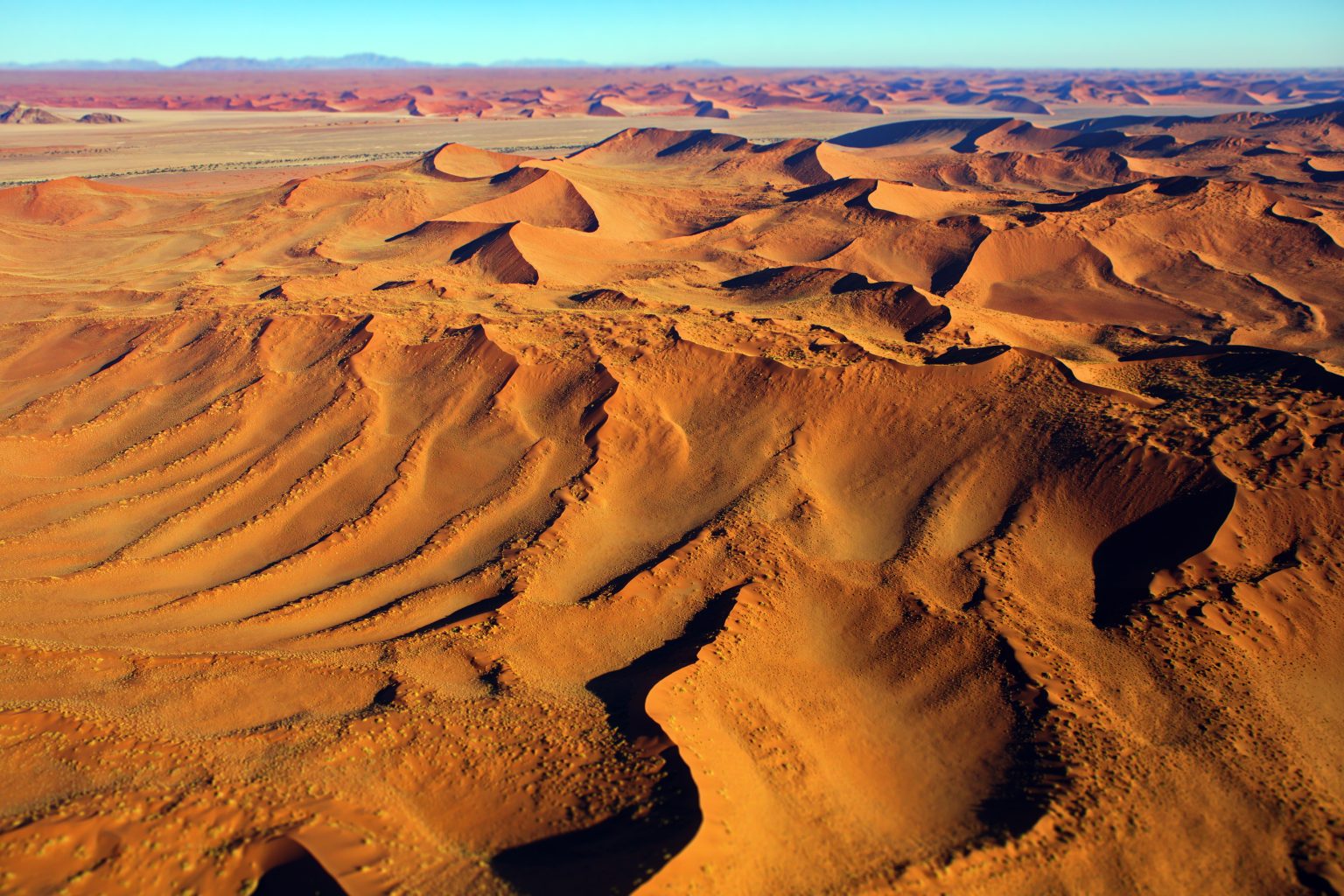
The Kalahari Desert in South Africa offers a different side of the country, far removed from its beaches, busy cities, and better-known safari destinations. Its red sands, open savannahs, and scattered thorn trees create a distinctive semi-arid landscape that supports a surprising variety of wildlife. Extending across Botswana, Namibia, and South Africa, the Kalahari is known for its vast horizons and challenging environmental conditions.
- Key Areas of the Kalahari Desert in South Africa
- Preparing for a Trip to the South African Kalahari
- What to Bring to the Kalahari Desert
- Staying Safe in the South African Kalahari
- Getting Around and Daily Life in the Kalahari
- Local Culture and Responsible Travel
- Food, Comfort, and Photography
- Best Time to Visit the Kalahari Desert in South Africa
- Planning a Responsible Kalahari Adventure
In South Africa, the Kgalagadi Transfrontier Park is one of the region’s major attractions, combining remote wilderness with opportunities to observe wildlife in its natural habitat. Exploring this area requires careful preparation, particularly when driving long distances or staying in remote camps. These South African Kalahari travel tips will help you plan your journey, prepare for changing conditions, and experience the region responsibly.
Key Areas of the Kalahari Desert in South Africa
Kgalagadi Transfrontier Park
The Kgalagadi Transfrontier Park is one of the best-known protected areas in the South African Kalahari. It combines South Africa’s Kalahari Gemsbok National Park with Botswana’s Gemsbok National Park, creating a large conservation area that crosses the international border.
The park is known for its red dunes, dry riverbeds, open plains, and wildlife. Visitors may encounter predators and grazing animals along established routes, although sightings depend on the season, weather, and animal movements.
Important features of a visit include:
- Wildlife viewing: Look for lions, spotted and brown hyenas, leopards, and several species of antelope.
- Dry riverbeds: The Auob and Nossob riverbeds provide distinctive landscapes and important wildlife-viewing routes.
- Remote wilderness: Long distances between camps create a sense of isolation and require careful planning.
- Birdwatching: Raptors, kori bustards, secretary birds, and other species can be observed in suitable habitats.
Many travellers begin their journey in Upington, an important access point for the South African side of the park. Check current park entry arrangements, accommodation availability, road conditions, and border requirements before travelling.
Weather and Environmental Conditions
The Kalahari experiences substantial temperature changes between seasons and between day and night. Summer afternoons can exceed 40°C, while winter nights may approach or fall below freezing in some areas.
Travellers should prepare for:
- Strong sunlight and limited natural shade.
- Long distances between facilities.
- Sandy, gravel, or corrugated roads.
- Dust and wind.
- Cold mornings and evenings during winter.
- Seasonal rainfall that can affect road conditions.
Understanding these conditions is essential when choosing accommodation, planning driving times, and deciding which activities are appropriate.
Preparing for a Trip to the South African Kalahari
Choosing the Right Type of Trip
The Kalahari offers several ways to explore its landscapes, depending on your experience, budget, and preferred level of independence.
- Guided desert safaris: Suitable for visitors who want local knowledge and help with planning.
- Self-drive 4×4 journeys: Offer flexibility but require careful route planning and experience with the relevant road conditions.
- Wildlife-focused tours: Concentrate on game viewing, photography, and learning about local ecosystems.
- Camping trips: Allow visitors to experience the night sky and the quieter hours of the desert.
- Lodge-based stays: Provide a more comfortable base for excursions, depending on the location and facilities.
First-time visitors may find guided tours easier to manage, especially when exploring unfamiliar areas. Self-drive travel can be rewarding, but it requires realistic expectations about distances, vehicle requirements, and available services.
Understanding Road Conditions
Road conditions vary across the Kalahari. Routes inside the Kgalagadi Transfrontier Park may include gravel roads, corrugated surfaces, and sandy sections. Conditions can change following rainfall or prolonged dry weather.
Before driving:
- Check current road conditions with park authorities or your accommodation provider.
- Confirm whether your planned route is suitable for your vehicle.
- Carry a suitable spare tyre and the tools needed for basic roadside problems.
- Reduce speed on rough surfaces and avoid sudden manoeuvres.
- Follow local advice about tyre pressure on sandy roads.
- Allow extra time for long journeys and wildlife stops.
Lowering tyre pressure can help on soft sand, but it should be done only when appropriate for the vehicle and terrain. Follow the vehicle manufacturer’s guidance or advice from an experienced local operator, and reinflate tyres as required before returning to faster, firmer roads.
Managing Expectations
The Kalahari wilderness is remote, and services are not always available when needed. Some camps offer basic facilities, while others provide more comfortable accommodation. Electricity, mobile reception, fuel, and supplies vary by location.
Plan for these practical considerations:
- Confirm what your accommodation provides.
- Purchase essential food and supplies before entering remote areas.
- Check fuel availability along your route.
- Download maps before travelling beyond reliable mobile coverage.
- Allow time for slower driving and unexpected delays.
The limited infrastructure is part of what makes the region feel remote, but it also means visitors need to be more self-sufficient than they might be on a conventional road trip.
What to Bring to the Kalahari Desert
Clothing and Personal Gear
Daytime conditions can be hot, while early mornings and winter nights can be surprisingly cold. Layering allows you to adjust your clothing as temperatures change.
Useful items include:
- Lightweight, breathable shirts and trousers.
- Long sleeves for protection from sunlight.
- A wide-brimmed hat.
- UV-protective sunglasses.
- A scarf or buff for dusty conditions.
- A warm jacket or fleece for cold mornings and evenings.
- Neutral-coloured clothing for comfortable outdoor activities.
Choose clothing according to the season and the activities you plan to undertake. Warm layers are particularly important if you intend to join early-morning game drives or spend the night in a tent.
Footwear and Equipment
Sturdy walking shoes or lightweight hiking boots are useful for uneven ground around camps and designated walking areas. Footwear should be comfortable and suited to the terrain.
Consider packing:
- Comfortable walking shoes or hiking boots.
- A reusable water bottle.
- A headlamp or flashlight with spare batteries.
- A power bank and charging cables.
- A camera with a suitable zoom lens for wildlife photography.
- A cooler box for food and drinks when appropriate.
- Offline maps or another navigation backup.
- Binoculars for observing animals from a safe distance.
Check the rules for your accommodation and planned activities before packing specialist equipment.
Health, Safety, and Hydration
Dry air, strong sunlight, and high temperatures can increase the risk of dehydration. Carry enough drinking water for your activities and keep additional supplies available for delays.
Your basic health kit should include:
- Personal medication.
- Bandages and antiseptic wipes.
- Appropriate pain relief and any other medicines you normally use.
- Sunscreen and lip balm.
- Moisturizer for dry conditions.
- Electrolyte replacement products when appropriate.
- Any personal first-aid items you may need.
Water requirements vary according to temperature, activity, and individual needs. Do not rely on a fixed quantity for every journey, particularly when hiking or driving through remote areas.
Staying Safe in the South African Kalahari
Wildlife Awareness
The Kalahari supports lions, leopards, hyenas, and a range of grazing animals and smaller species. Wildlife may move through areas close to roads and camps, so visitors must follow local safety instructions.
Important precautions include:
- Remain inside your vehicle in designated wildlife-viewing areas unless park rules explicitly permit you to leave it.
- Observe animals from a safe distance.
- Never approach, feed, or attempt to attract wildlife.
- Check your surroundings before leaving a tent or accommodation at night.
- Follow camp rules concerning food storage and movement after dark.
- Keep children close and supervise them carefully around wildlife.
Animals can behave unpredictably, even when they appear calm. Always follow instructions from park staff and experienced guides.
Protection from Heat and Sun
The sun can be intense, especially during summer. Even activities that appear undemanding can become exhausting when temperatures rise and shade is limited.
Reduce the risk of heat-related illness by:
- Planning outdoor activities for cooler hours.
- Drinking water regularly.
- Wearing a hat and sun-protective clothing.
- Applying sunscreen as directed.
- Resting in shade whenever possible.
- Reducing or stopping activity during extreme heat.
Watch for symptoms such as dizziness, nausea, headache, or unusual weakness. Confusion, collapse, or other severe symptoms require urgent medical assistance.
Dealing with Remote Terrain
Mobile coverage may be limited, and assistance can be far away. A small vehicle problem can become more serious when there are long distances between services.
Before setting out:
- Inform park staff or someone you trust of your intended route when appropriate.
- Carry a spare tyre and suitable repair equipment.
- Keep emergency water and essential supplies in the vehicle.
- Check your vehicle before departure.
- Download maps and carry a navigation backup.
- Consider travelling with another vehicle on particularly remote routes when appropriate.
Check the park’s current rules and emergency procedures before your trip, and do not assume that mobile reception will be available everywhere.
Getting Around and Daily Life in the Kalahari
Exploring by 4×4 Vehicle
A suitable 4×4 vehicle is useful for many remote Kalahari journeys, particularly on sandy tracks outside ordinary paved-road networks. However, the vehicle required depends on the route, road conditions, and park regulations.
For safer driving:
- Stay on permitted roads and established tracks.
- Maintain a speed appropriate to the surface.
- Avoid sudden braking or sharp steering on loose sand.
- Check tyre condition and pressure regularly.
- Carry enough fuel for the planned journey.
- Follow local instructions when roads become difficult.
Do not assume that having a 4×4 automatically makes every route safe. Experience, preparation, and awareness of changing conditions remain essential.
Wildlife Game Drives
Early morning and late afternoon are often productive times for wildlife viewing, when animals may be more active and the light is favourable for photography. Sightings are never guaranteed, so patience is part of the experience.
Species you may encounter include:
- Springbok, one of the region’s characteristic antelope.
- Blue wildebeest and red hartebeest.
- Black-maned Kalahari lions, known for their striking appearance.
- Kori bustards and secretary birds.
- Hyenas and other predators.
- Smaller mammals and reptiles adapted to arid conditions.
Follow park speed limits, observe animals without disturbing them, and never leave your vehicle simply to get a closer photograph.
Staying in Desert Camps
Accommodation ranges from campsites and self-catering units to lodges offering additional services. Facilities vary, so check the details before booking.
Depending on the location, you may need to prepare for:
- Shared or basic facilities.
- Limited electricity or charging points.
- Self-catering arrangements.
- Cold nights during winter.
- Long distances to shops and restaurants.
- Wildlife moving near accommodation areas.
Keep food secured, follow camp rules, and check whether fires are permitted before using any open flame. In protected areas, camping is generally restricted to designated locations.
Local Culture and Responsible Travel
Learning About the San People
The San peoples have diverse histories and cultural traditions across southern Africa, including parts of the wider Kalahari region. Their knowledge of local environments, tracking skills, languages, and cultural practices are important parts of the region’s heritage.
Cultural experiences may be available through community-led initiatives or knowledgeable local guides. The content and availability of these experiences differ between communities, and not every visitor will have access to the same activities.
When engaging with local communities:
- Choose experiences led by community members where available.
- Ask permission before taking photographs.
- Respect requests concerning cultural practices and private spaces.
- Avoid treating different San communities as though they share identical traditions.
- Support local businesses and guides when possible.
Approach cultural visits as opportunities to learn from people on their own terms, rather than as performances arranged solely for visitors.
Traveling Responsibly
The Kalahari’s ecosystems are adapted to limited water and can be vulnerable to disturbance. Responsible travel helps reduce pressure on wildlife, vegetation, and local communities.
Follow these practices:
- Stay on designated tracks.
- Avoid disturbing animals or damaging plants.
- Minimize water use at camps.
- Take all rubbish away or dispose of it in designated facilities.
- Keep noise low, especially around wildlife and campsites.
- Respect archaeological and culturally significant places.
- Follow park rules and local guidance.
Small decisions, from where you drive to how you dispose of waste, can make a difference in a fragile environment.
Food, Comfort, and Photography
Food in the Kalahari
Food options depend on your accommodation and travel arrangements. Guided tours may provide meals, while self-drive visitors often rely on camp kitchens and supplies purchased before entering remote areas.
Useful provisions include:
- Non-perishable meals and snacks.
- Drinking water.
- Fruit and other foods that can be stored safely.
- Ingredients for simple camp cooking.
- Tea, coffee, or other preferred drinks.
- Supplies for any dietary requirements.
Check whether your camp has a shop, restaurant, or self-catering kitchen. In remote locations, do not assume that food will be available for purchase.
Staying Comfortable
Long drives, early starts, and large temperature changes can make a Kalahari trip tiring. A few practical habits can help:
- Organize equipment so essential items are easy to reach.
- Keep warm layers available for early mornings.
- Take regular breaks on long drives.
- Protect your skin and lips from dry conditions.
- Carry a comfortable blanket or warm drink for cold evenings.
- Leave enough time between activities to rest.
A flexible itinerary is often more useful than trying to fit too many activities into each day.
Photography Tips
The red sands, open plains, and wildlife of the South African Kalahari provide a wide range of photographic opportunities. Sunrise and sunset often create softer light, while midday can reveal the scale and colours of the landscape.
Subjects to look for include:
- Wildlife silhouettes against open horizons.
- Red dunes and dry riverbeds.
- Birds perched in thorn trees.
- Patterns in sand and gravel.
- Wide desert landscapes beneath clear skies.
- Night skies away from artificial lighting.
Protect camera equipment from dust and heat by using a suitable bag and keeping lenses covered when not in use. Avoid changing lenses in windy conditions, and carry spare batteries and memory cards. When photographing people, ask permission first.
Best Time to Visit the Kalahari Desert in South Africa
Ideal Seasons
The period from May to September is often a good time to visit the South African Kalahari, particularly for wildlife viewing. These months generally fall within the cooler, drier season, although winter nights can be very cold.
Summer brings higher temperatures and the possibility of rainfall. Heat can restrict outdoor activities, while rain may temporarily change road conditions and the appearance of the landscape.
Choose your travel dates according to your priorities:
- Wildlife viewing: The dry season can make animals easier to spot around available water sources, although sightings vary.
- Comfortable driving: Cooler daytime conditions are generally preferable for longer excursions.
- Landscape photography: Different seasons offer contrasting colours, cloud formations, and vegetation.
- Camping: Check overnight temperatures and prepare for cold conditions during winter.
Always confirm current weather forecasts and road conditions before departure.
Seasonal Highlights
Each season changes the Kalahari experience in different ways.
- Winter: Cooler days and dry conditions often suit game drives, but nights can be freezing.
- Spring: Temperatures begin to rise, and the landscape may show changes associated with seasonal rainfall.
- Summer: High temperatures require careful planning, while rain may bring greener vegetation and increased bird activity in some areas.
- Autumn: Conditions gradually change as the region moves from the hotter months toward the cooler season.
Rainfall is variable, and seasonal wildlife or vegetation changes are not guaranteed. Check local updates rather than relying on a fixed expectation of what you will see.
Planning a Responsible Kalahari Adventure
A journey through the Kalahari requires more preparation than a typical trip between major South African cities. Long distances, limited services, wildlife, and changing weather all affect how you should plan your days.
Before departure, make sure you have:
- Checked your route, weather, and road conditions.
- Confirmed accommodation and park access arrangements.
- Packed sufficient drinking water, food, and emergency supplies.
- Prepared your vehicle for the planned terrain.
- Downloaded maps and arranged a navigation backup.
- Reviewed wildlife safety rules and camping restrictions.
- Planned your activities around the weather and your experience level.
Respect for local communities and protected environments is equally important. Stay on permitted routes, follow guidance from park staff, and avoid disturbing wildlife for photographs.
Discovering the Kalahari Beyond the Dunes
The Kalahari Desert in South Africa offers a distinctive combination of red sands, open savannah, wildlife, and remote wilderness. The Kgalagadi Transfrontier Park provides one of the region’s best-known opportunities to experience these landscapes, while guided excursions and carefully planned self-drive journeys offer different ways to explore.
A successful Kalahari desert trip depends on understanding the conditions, preparing for long distances, and respecting the wildlife and communities connected to the region. With realistic expectations and thoughtful planning, travellers can experience the Kalahari’s natural character while helping preserve it for the future.