
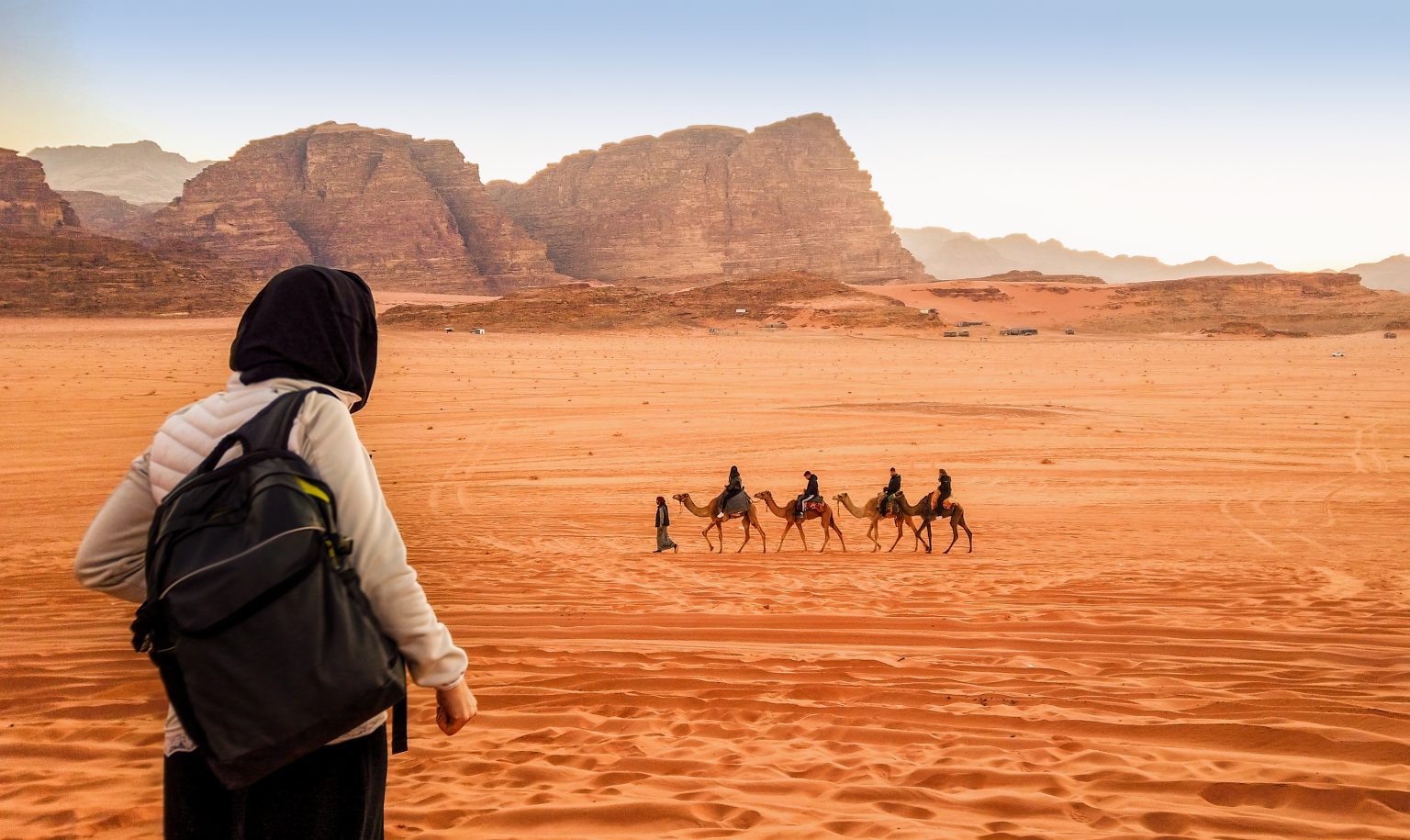
Wadi Rum, often called the Valley of the Moon, is one of Jordan’s best-known desert landscapes. Its red sand plains, towering sandstone cliffs, natural rock arches, and narrow canyons create a distinctive setting in southern Jordan. Exploring this protected area involves more than admiring the scenery: visitors also encounter local heritage and learn why careful preparation matters in a remote desert environment.
- Understanding Jordan’s Desert Landscape
- Preparing for Your Desert Trip in Jordan
- What to Know Before Visiting Jordan’s Desert
- Safety Considerations in the Jordanian Desert
- Getting Around and Enjoying Desert Activities
- Camping and Overnight Stays
- Cultural and Historical Highlights
- Ancient Inscriptions and Archaeology
- Lawrence of Arabia and the Arab Revolt
- Bedouin Life and Traditions
- Food and Comfort in the Desert
- Photography in Wadi Rum
- Best Time to Visit Jordan’s Desert
- Planning a Safe and Rewarding Journey Through Wadi Rum
With the right planning, Wadi Rum travel can combine outdoor adventure, cultural experiences, and geological discoveries. This guide shares practical advice for exploring Jordan’s desert comfortably and responsibly, from choosing excursions and preparing for changing temperatures to respecting local communities and protecting fragile landscapes.
Understanding Jordan’s Desert Landscape
Wadi Rum, Jordan’s Iconic Desert
Wadi Rum is famous for its sandstone mountains, reddish sand, and dramatic natural formations. Its scenery has appeared in films such as Lawrence of Arabia, The Martian, and Dune, helping introduce the landscape to audiences around the world.
Beyond its cinematic appeal, Wadi Rum is a protected area with a long history of human settlement and travel. Bedouin communities continue to live in and around the region, and local guides can help visitors understand its terrain, history, and cultural significance.
Popular experiences include:
- Guided 4×4 excursions across the desert.
- Camel rides arranged by local operators.
- Hiking and selected rock-climbing routes.
- Overnight stays in desert camps.
- Stargazing away from urban lighting.
Choose activities according to your fitness, available time, and experience. Remote routes and technical climbs require additional planning and suitable guidance.
Geography and Terrain of Wadi Rum
Wadi Rum’s landscape includes a variety of geological features shaped by erosion over long periods.
Visitors can encounter:
- Red sand plains between sandstone formations.
- Narrow canyons and rocky passages.
- Mountainous terrain, including Jebel Rum.
- Natural rock bridges and arches.
- Ancient inscriptions and carvings on rock surfaces.
The combination of sandstone formations and open desert creates opportunities for photography, hiking, and guided exploration. Conditions vary between routes, and some areas involve steep slopes or uneven surfaces.
Wadi Rum is also an important archaeological landscape. Inscriptions and rock art provide evidence of human activity over many centuries, making the area valuable for both natural and cultural heritage.
Other Desert Regions in Jordan
Jordan’s eastern desert extends across broad areas of arid terrain towards the borders with Saudi Arabia and Iraq. Unlike Wadi Rum’s sandstone mountains, much of this region consists of open plains, rocky ground, and historic structures.
Notable sites include:
- Qasr Amra, a UNESCO World Heritage Site known for its early Islamic architecture and surviving wall paintings.
- Qasr Kharana, a prominent historic desert building often associated with the early Islamic period.
- Areas of dark volcanic rock and basalt terrain in parts of eastern Jordan.
These locations are particularly interesting for travelers who want to combine desert scenery with archaeology and architectural history. Check access arrangements and opening times before setting out, especially when visiting several sites in one day.
Preparing for Your Desert Trip in Jordan
Choosing the Right Way to Explore
There are several ways to experience Jordan’s desert, depending on your interests and comfort level.
Popular options include:
- Guided 4×4 desert tours covering major landmarks in Wadi Rum.
- Camel rides arranged through local camps or guides.
- Hiking routes for closer exploration of the terrain.
- Guided rock-climbing and scrambling experiences.
- Overnight stays that combine desert scenery with local hospitality.
Hot-air balloon flights should not be assumed to be a standard Wadi Rum activity. If this experience interests you, verify current availability, departure location, and operating conditions before including it in your itinerary.
For first-time visitors, guided excursions are a practical choice because local operators understand the terrain, route conditions, and access arrangements.
Local Traditions and Desert Etiquette
Hospitality is an important part of many social settings in Wadi Rum. Visitors staying at camps or meeting local hosts may be offered Arabic coffee or tea.
To make cultural encounters respectful:
- Dress modestly, particularly when visiting family areas or local communities.
- Ask permission before photographing people.
- Respect private spaces and family gatherings.
- Follow your host’s guidance during cultural visits.
- Ask questions respectfully rather than assuming that every community follows the same practices.
Bedouin traditions vary between families and regions. A camp visit can provide an introduction to local life, but it should not be treated as a complete representation of every Bedouin community.
Planning and Access
Most visitors enter the Wadi Rum Protected Area through the Wadi Rum Visitor Center, where entry procedures and tour arrangements can be confirmed. Many excursions continue by 4×4 with a local driver or guide.
During busy travel periods, booking accommodation and tours ahead of time is advisable.
Before departure:
- Confirm the meeting point and transport arrangements.
- Check the expected duration of your excursion.
- Ask what meals, water, and equipment are included.
- Review cancellation arrangements for unsuitable weather.
- Bring suitable clothing for both daytime and nighttime conditions.
Services become more limited away from established settlements, so plan carefully if you intend to stay overnight or visit remote areas.
What to Know Before Visiting Jordan’s Desert
Clothing for Desert Conditions
Wadi Rum can be hot during the day and cold after sunset, particularly in winter. Layering allows you to adapt to changing temperatures.
Useful clothing includes:
- Lightweight, breathable shirts and trousers.
- Long sleeves for sun protection.
- A warm fleece or insulated jacket.
- A scarf or keffiyeh to help protect against sun, wind, and blowing sand.
- A hat and sunglasses.
- Warm sleepwear for overnight camping.
Check the forecast before your visit. A warm afternoon does not guarantee a comfortable night, especially in exposed camps.
Footwear and Daily Essentials
Sturdy walking shoes or hiking boots are useful for rocky paths, uneven ground, and sandy terrain. Sandals may be convenient around camp but offer less protection during excursions.
Pack a small daypack containing:
- A reusable water bottle.
- Snacks for longer activities.
- Sunscreen and sunglasses.
- A fully charged mobile phone.
- A power bank.
- Personal medication.
- Camera equipment, if needed.
- A flashlight or headlamp for early starts and nighttime use.
For longer hikes or remote excursions, ask your guide whether additional supplies are necessary.
Hydration and Personal Care
Dry conditions, sunlight, and physical activity can increase dehydration risk. Carry enough drinking water for the entire excursion and drink regularly throughout the day.
Useful personal-care items include:
- High-SPF sunscreen.
- Lip balm and moisturizer.
- A basic first-aid kit.
- Bandages and antiseptic wipes.
- Personal medication.
- Electrolyte products for demanding activities, when appropriate.
Do not assume that drinking water or shops will be available along remote routes. Confirm water arrangements with your tour operator before leaving.
Safety Considerations in the Jordanian Desert
Sun and Heat Management
Summer temperatures in Jordan’s desert can exceed 40°C in some locations. Prolonged exposure can be dangerous, particularly during hiking, climbing, or other strenuous activities.
For safer exploration:
- Schedule demanding activities for early morning or late afternoon.
- Avoid strenuous exertion during the hottest part of the day.
- Wear sun-protective clothing and apply sunscreen regularly.
- Drink water throughout the day.
- Take breaks in shaded areas when available.
Stop and seek assistance if you experience dizziness, nausea, unusual weakness, or confusion. Severe heat illness requires urgent medical attention.
Navigating Rugged Desert Terrain
Wadi Rum’s open plains can give way to steep slopes, narrow passages, and uneven rock surfaces. Some routes are straightforward, while others require technical skills and familiarity with the terrain.
For safer travel:
- Use experienced local guides for unfamiliar routes.
- Follow marked paths and access restrictions.
- Avoid climbing formations without suitable equipment and training.
- Check weather conditions before hiking.
- Tell your guide if you need to slow down or stop.
GPS can help with navigation, but it does not replace local knowledge, especially in remote areas or narrow valleys.
Wildlife and Environmental Respect
Jordan’s desert supports a range of wildlife, including birds, reptiles, and mammals adapted to dry conditions. Camels are also part of the region’s pastoral and tourism landscape.
To protect wildlife and the environment:
- Observe animals from a respectful distance.
- Never feed or chase wildlife.
- Keep food and rubbish secured.
- Avoid disturbing nests and other animal shelters.
- Do not damage rock formations or ancient inscriptions.
- Take all rubbish away from campsites and trails.
Wadi Rum’s rock art and geological features are part of its protected heritage. Visitors should follow local rules and avoid touching or marking sensitive surfaces.
Getting Around and Enjoying Desert Activities
4×4 Desert Tours
Four-wheel-drive tours are one of the most practical ways to visit Wadi Rum’s dispersed landmarks. Local drivers can take visitors across sandy plains and rocky tracks that are difficult to navigate independently.
Excursions range from short trips to longer outings with several scenic stops.
Before booking:
- Confirm the route and expected duration.
- Check whether the driver or guide is included.
- Wear your seatbelt throughout the journey.
- Secure bags, cameras, and loose equipment.
- Follow safety instructions when entering or leaving the vehicle.
Choose an itinerary that leaves enough time to enjoy each stop instead of rushing between landmarks.
Camel Trekking Experiences
Camel rides offer a slower way to experience the desert and learn about an animal historically important to travel and pastoral life in arid regions.
Depending on the provider, options may include:
- Short rides near established camps.
- Guided excursions across accessible terrain.
- Longer experiences arranged in advance.
Before booking, ask about the ride’s duration, safety arrangements, and how the animals are cared for. Follow the handler’s instructions when mounting and dismounting, and choose an activity suited to your comfort and mobility.
Hiking and Rock Climbing
Wadi Rum is known for its hiking routes, sandstone formations, and climbing opportunities. Some walks are relatively accessible, while other routes involve steep terrain, scrambling, or technical climbing.
The Burdah Rock Bridge is a well-known natural landmark, but reaching it can involve a demanding route rather than a simple walk. Visitors should assess their ability and arrange a qualified guide for challenging terrain.
For hiking or climbing:
- Check the difficulty and duration before setting out.
- Wear suitable footwear and clothing.
- Carry sufficient water.
- Use appropriate safety equipment for technical routes.
- Avoid exposed climbs during unsuitable weather.
- Choose cooler months for demanding outdoor activities when possible.
Do not attempt technical climbs without the necessary skills and equipment.
Camping and Overnight Stays
Types of Desert Camps
Wadi Rum offers a range of accommodation, from basic tents to more comfortable camps with private facilities.
Common options include:
- Traditional-style camps with simple sleeping arrangements and shared facilities.
- Mid-range camps with private rooms or bathrooms.
- Higher-comfort camps with furnished tents and additional amenities.
Facilities vary considerably between operators. Confirm what is included in the price before booking, particularly bedding, meals, heating or cooling, electricity, and bathroom arrangements.
Desert Nights and Camp Activities
Evenings at desert camps may include shared meals, tea, music, and time outdoors under the night sky. The activities offered depend on the camp and the preferences of its hosts.
Visitors may be able to enjoy:
- Stargazing away from urban lights.
- Traditional dishes served at camp.
- Music or storytelling arranged by local hosts.
- Quiet time for photography and observing the landscape.
Tea may be served during a visit, but ingredients and customs vary. Treat organised cultural activities as opportunities to learn from the people hosting them rather than assuming that every camp follows identical traditions.
What to Expect at Night
Temperatures can fall significantly after sunset, especially in winter. Bring warm clothing even if the afternoon is hot.
Before booking, check:
- Whether blankets and bedding are provided.
- Whether drinking water is available.
- The condition of toilets and showers.
- Electricity and charging facilities.
- Whether meals are included.
- How the camp manages waste and protects its surroundings.
Facilities differ between camps, so confirm details instead of assuming that every site offers the same level of comfort.
Cultural and Historical Highlights
Ancient Inscriptions and Archaeology
Wadi Rum contains rock art and inscriptions associated with different periods and communities, including Nabataean and other ancient inhabitants of the region. These markings provide evidence of travel, settlement, animal life, and communication across the desert.
When visiting archaeological sites:
- Stay on permitted routes.
- Do not touch, scratch, or add marks to rock surfaces.
- Avoid removing stones or other material.
- Follow the guide’s instructions.
- Respect restrictions around sensitive locations.
A knowledgeable local guide can help explain the significance of particular sites and place them within the wider history of southern Jordan.
Lawrence of Arabia and the Arab Revolt
Wadi Rum is associated with the Arab Revolt of 1916 to 1918 and the British officer T. E. Lawrence, whose accounts helped bring the region to wider international attention.
Some locations, including Lawrence’s Spring, are connected with this history. Interpretations of the period can differ, so visitors interested in the subject may benefit from reading historical accounts alongside local explanations.
The region’s history extends well beyond the Arab Revolt, with evidence of human activity across many centuries.
Bedouin Life and Traditions
Local hosts and guides can introduce visitors to aspects of life in and around Wadi Rum, including hospitality, food, storytelling, and knowledge of the desert environment.
Depending on the experience, visitors may learn about:
- Camel care and pastoral activities.
- Traditional foods and methods of preparation.
- Music and oral storytelling.
- Travel across arid terrain.
- The practical challenges of living in a remote landscape.
Cultural experiences vary by family and operator. Ask permission before photographing people and respect their preferences about what they wish to share.
Food and Comfort in the Desert
Traditional Desert Cuisine
Meals at Wadi Rum camps often feature Jordanian dishes and regional foods. Menus depend on the camp, package, and season.
Common offerings may include:
- Zarb, a traditional meal cooked in an underground oven.
- Rice dishes and stews.
- Grilled meats.
- Salads and vegetables.
- Fresh bread.
- Tea and other refreshments.
Breakfast may include bread, eggs, cheese, hummus, and vegetables, depending on the camp. Inform your host in advance about food allergies or dietary requirements, and confirm whether alternatives can be arranged.
Staying Comfortable While Traveling
Long excursions, dry air, and changing temperatures can make desert travel tiring. A few simple habits help maintain comfort.
- Drink water regularly.
- Take breaks during walking and driving activities.
- Carry snacks for longer trips.
- Keep sunscreen and personal medication accessible.
- Wear layers that can be adjusted as temperatures change.
- Secure belongings against wind and sand.
For overnight stays, bring warm sleepwear and check the facilities available at your chosen camp.
Photography in Wadi Rum
Best Times for Photography
The colors of Wadi Rum change throughout the day as sunlight moves across the sandstone cliffs and dunes. Sunrise and sunset often provide softer light and longer shadows, while clear nights can offer opportunities for astrophotography.
Subjects to consider include:
- Sandstone formations in the early morning.
- Red sand plains during late-afternoon light.
- Natural arches and rock bridges from permitted viewpoints.
- Desert camps and daily activities, with permission.
- Star-filled skies away from artificial lighting.
Allow enough time to reach viewpoints safely, and follow local guidance about access to fragile or restricted areas.
Protecting Camera Equipment
Sand and dust can enter lenses, camera bodies, and electronic equipment. Protect your gear during transport and when shooting in windy conditions.
Useful precautions include:
- Carrying a protective camera bag.
- Avoiding lens changes outdoors in dusty weather.
- Keeping spare batteries and memory cards in sealed storage.
- Bringing suitable cleaning tools.
- Storing equipment when it is not in use.
- Carrying a power bank if charging options are limited.
Remove dust carefully rather than rubbing sand across a lens or screen.
Best Time to Visit Jordan’s Desert
Ideal Travel Period
The period from October to April is generally suitable for exploring Wadi Rum, although conditions vary between months and from day to night. Daytime temperatures can be comfortable for outdoor activities, while winter evenings may be cold.
Summer visits are possible, but intense heat can make midday activities unsafe. Plan demanding excursions for cooler hours and follow local guidance.
Before travelling, check:
- Daytime and nighttime temperatures.
- Forecasts for wind and rain.
- The difficulty of planned hikes or climbs.
- Availability of camps and guides.
- Any access restrictions affecting your itinerary.
Seasonal Planning
Wadi Rum can be combined with other destinations in southern Jordan, including Petra and Aqaba. The best order depends on your transport, available time, and preferred activities.
For a smoother trip:
- Book accommodation during busy periods.
- Allow enough time for travel between destinations.
- Avoid scheduling demanding hikes immediately after long drives.
- Confirm tour departure and return times.
- Leave flexibility for weather-related changes.
Planning a Safe and Rewarding Journey Through Wadi Rum
Common Mistakes to Avoid
A successful desert trip depends on preparation and respect for local conditions. Avoid these common mistakes:
- Carrying too little water.
- Underestimating daytime heat or cold nights.
- Attempting technical hikes without suitable guidance.
- Assuming mobile coverage will be available everywhere.
- Booking a camp without checking its facilities.
- Photographing people without permission.
- Damaging rock art or leaving rubbish behind.
Making the Most of Your Visit
A balanced itinerary can combine a guided 4×4 excursion, a short walk, an overnight camp, and time to learn about the area’s cultural and geological history. Choose activities that match your fitness and leave enough time to enjoy the landscape without rushing.
From its sandstone mountains and ancient inscriptions to its living communities and dark night skies, Wadi Rum offers a distinctive way to experience Jordan’s desert heritage. With careful planning, respect for local hosts, and responsible travel choices, visitors can explore this remarkable landscape while helping preserve its natural and cultural value.