
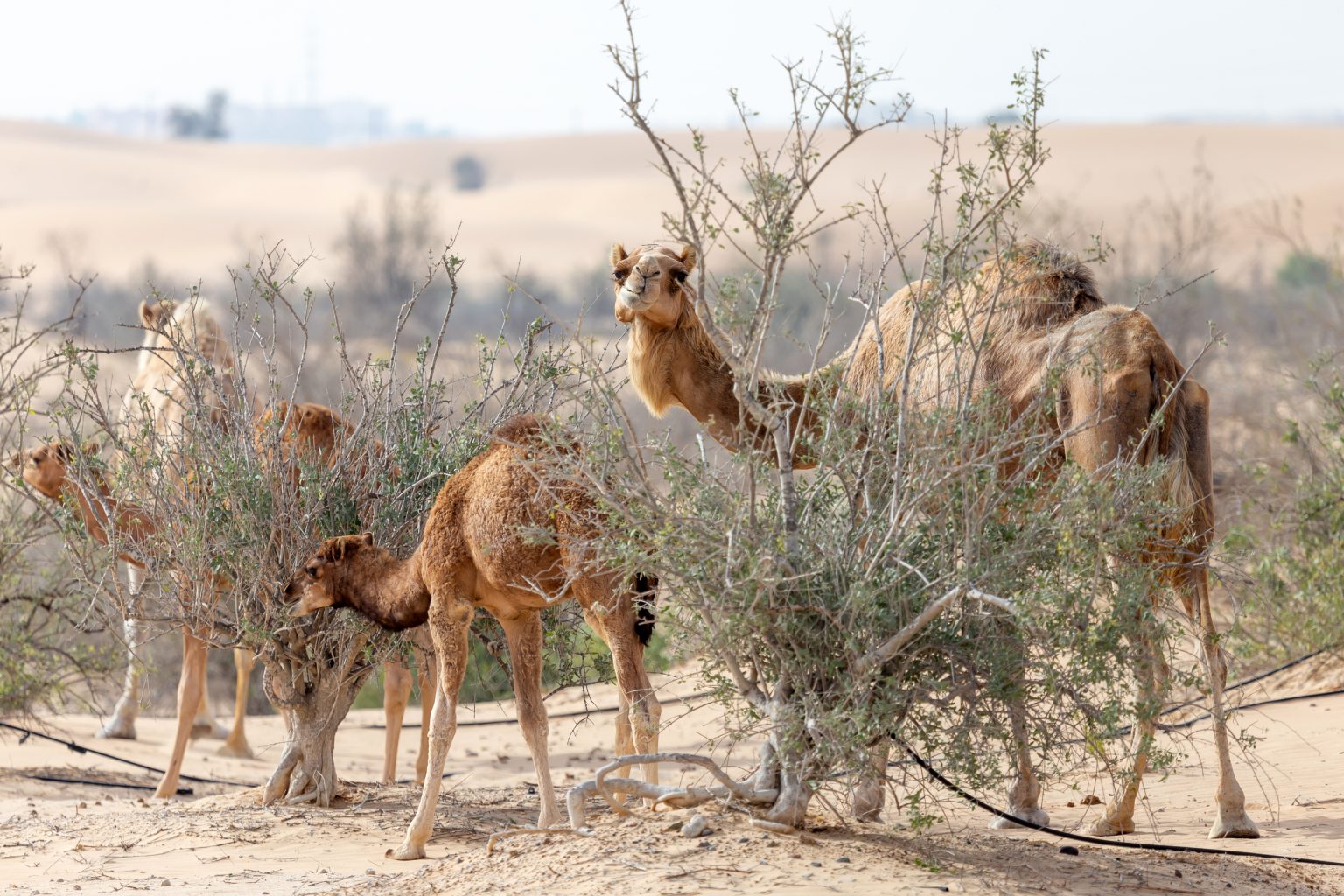
The United Arab Emirates is known for modern skylines, luxury resorts, and major cities, but much of the country is surrounded by a vast desert landscape. The UAE desert stretches across Abu Dhabi, Dubai, Sharjah, and the eastern emirates, with sandy plains and dunes extending toward the Empty Quarter. Its landscapes support wildlife, oases, and plant species adapted to extreme heat and limited rainfall.
- Desert Landscapes of the UAE
- Liwa Desert and the Empty Quarter
- Al Ain, Oases, and Eastern Desert Landscapes
- A Desert Shaped by Water and People
- Wildlife of the UAE Desert
- Plants of the UAE Desert and Oases
- Where to Experience Desert Nature in the UAE
- Dubai Desert Conservation Reserve
- Liwa Desert
- Al Marmoom Desert Conservation Reserve
- Al Ain Oasis
- Hatta and the Eastern Mountains
- Ways to Experience UAE Desert Nature
- Desert Safaris and Wildlife Watching
- Camel Rides and Bedouin Heritage
- Falconry Experiences
- Desert Camping and Stargazing
- Photography Among the Dunes
- Weather and the Best Time to Visit
- Staying Safe in the UAE Desert
- Discovering the UAE Beyond Its Cities
The desert is also closely connected to Emirati history. Bedouin communities traditionally depended on wells, oases, camels, and native plants, while falconry and camel culture remain important parts of the country’s heritage. Today, protected areas and conservation programs help preserve the Arabian Desert in the UAE alongside growing cities and tourism.
Desert Landscapes of the UAE
The United Arab Emirates contains several distinct desert environments, from rolling dunes and large sand seas to rocky terrain and oasis landscapes.
The Dubai Desert Conservation Reserve, Liwa Desert, and Al Marmoom Desert Conservation Reserve are among the best-known areas for experiencing the country’s sandy landscapes. Dune colors vary from pale gold to deeper orange and red, particularly around Liwa and the southern deserts.
Liwa Desert and the Empty Quarter
The Liwa Desert lies along the northern edge of the Rub al Khali, also known as the Empty Quarter. It is famous for its large crescent-shaped dunes, some of which rise to around 300 meters.
The dunes around Moreeb Hill are particularly impressive and have become one of the best-known desert landmarks in the UAE. The area also contains date-palm oases and settlements that reflect the long relationship between people and the desert.
Al Ain, Oases, and Eastern Desert Landscapes
Around Al Ain, the landscape becomes more varied, with gravel plains, foothills, wadis, and the nearby Hajar Mountains. The contrast between dry desert terrain and irrigated oasis vegetation is particularly clear here.
Al Ain Oasis is one of the country’s most important examples of traditional oasis agriculture. Date palms and other crops are supported by irrigation channels, while trees provide shade and create habitat for birds and insects.
A Desert Shaped by Water and People
Although rainfall is limited, water has always influenced settlement patterns in the UAE. Wells, groundwater, springs, and traditional irrigation systems allowed communities to establish farms and oases in otherwise dry environments.
This combination of dunes, rocky landscapes, and irrigated areas gives the UAE a more varied desert environment than its urban image might suggest.
Wildlife of the UAE Desert
The UAE’s deserts support a range of mammals, birds, reptiles, and invertebrates. Several species are protected through reserves and conservation programs.
Mammals Adapted to Desert Conditions
The Arabian oryx is one of the country’s most recognizable desert animals. Once severely reduced in the wild, the species has benefited from conservation and reintroduction programs and can now be found in protected areas across the region.
Other mammals found in the UAE include:
- Arabian gazelles, adapted to hot and dry environments.
- Sand gazelles, which inhabit open desert areas.
- Mountain gazelles, particularly around rocky terrain and foothills.
- Arabian red foxes, often active at night.
- Rüppell’s foxes, a smaller desert fox adapted to arid environments.
- Arabian hares, which feed on vegetation and are mainly active during cooler periods.
- Arabian wild cats and caracals, which are much harder to encounter and generally avoid people.
- Camels, which remain an important part of both traditional culture and modern desert tourism.
Many smaller mammals are most active after sunset, when temperatures fall and the risk of dehydration is lower.
Birds Above the Desert
Birdlife in the UAE includes resident desert species as well as migratory birds that pass through the country.
Important species and groups include:
- Houbara bustards, strongly associated with the deserts of the Arabian Peninsula.
- Sand partridges, adapted to dry and rocky habitats.
- Wheatears and larks, commonly found in open desert areas.
- Doves, which can be seen around settlements and water sources.
- Falcons, eagles, kites, and other raptors, which use rising air currents to search for prey.
Falconry has a long history in Emirati culture and remains an important part of the country’s heritage.
During cooler months, wetlands and water bodies can attract migratory species such as flamingos, herons, ducks, and other waterbirds. Al Qudra Lakes and oasis environments can therefore provide a very different birdwatching experience from the surrounding dunes.
Reptiles, Snakes, and Invertebrates
The UAE’s heat and dry terrain provide suitable habitats for numerous reptiles and invertebrates.
Visitors may encounter:
- Agamas on rocky ground and around dunes.
- Geckos sheltering among rocks and vegetation.
- Skinks moving across sandy and gravelly surfaces.
- Desert monitor lizards in suitable habitats.
- Horned vipers and other snakes, although they are generally elusive and avoid people.
- Spiders, ants, beetles, and other insects, which form an important part of the desert food chain.
Tracks and burrows are often easier to notice than the animals themselves, especially during early morning walks.
Plants of the UAE Desert and Oases
Desert vegetation in the UAE has adapted to extreme heat, limited rainfall, saline soils, and long dry periods.
The Ghaf Tree
The ghaf is one of the UAE’s most important native trees. Its deep root system helps it survive drought, while its foliage provides shade and food for animals.
The tree has also played a practical role in traditional desert life, providing shade, fuel, and other useful resources.
Tamarisk, Grasses, and Acacias
Other desert plants include:
- Tamarisk, which tolerates saline soils and dry conditions.
- Acacia species, which provide food and shelter for wildlife.
- Halfa grass, found in suitable sandy and semi-arid habitats.
- Salt-tolerant shrubs, which grow in areas where soil conditions limit other vegetation.
Oasis Agriculture
Around Al Ain, Liwa, and other oasis settlements, traditional irrigation systems support date palms, fruit trees, herbs, and other crops.
The falaj irrigation system has been particularly important in maintaining oasis agriculture. These green areas also provide habitat for birds, insects, and small mammals.
After seasonal rainfall, some valleys and open areas can briefly develop patches of grasses and small flowering plants.
Where to Experience Desert Nature in the UAE
Dubai Desert Conservation Reserve
The Dubai Desert Conservation Reserve protects an important section of the emirate’s desert ecosystem. Arabian oryx, gazelles, birds, reptiles, and native plants can be found within the reserve.
Guided wildlife drives and nature experiences provide a controlled way to explore the landscape while limiting disturbance to the environment.
Liwa Desert
Liwa offers some of the UAE’s largest dunes and provides access to the northern edge of the Empty Quarter. Visitors can combine dune scenery with oasis landscapes, desert camps, and experiences connected to Emirati heritage.
Al Marmoom Desert Conservation Reserve
Al Marmoom covers a large desert area south of Dubai and is known for dunes, wildlife, desert lakes, cycling routes, and outdoor activities. It also provides opportunities for stargazing away from the brightest parts of the city.
Al Ain Oasis
Al Ain Oasis offers a very different desert experience, with shaded palm groves, traditional irrigation channels, walking paths, and historic agricultural landscapes. It is also recognized as part of the Al Ain Cultural Sites UNESCO World Heritage property.
Hatta and the Eastern Mountains
Hatta lies in the Hajar Mountains rather than the sandy desert. Its rocky valleys, wadis, and mountain environment provide a useful contrast to the dune landscapes found farther west and south.
Ways to Experience UAE Desert Nature
Desert Safaris and Wildlife Watching
Guided desert excursions can provide opportunities to see gazelles, oryx, foxes, birds, and other wildlife. Professional guides can also explain the tracks, plants, and geological features found along the route.
Camel Rides and Bedouin Heritage
Camel experiences offer visitors an introduction to an animal that has played an important role in transportation and desert life for centuries. Cultural programs may also include traditional food, crafts, falconry, and explanations of Bedouin life.
Falconry Experiences
Falconry remains an important element of Emirati heritage. Demonstrations can introduce visitors to the relationship between falcons and the communities that have practiced this tradition across the Arabian Peninsula.
Desert Camping and Stargazing
Away from major urban areas, the desert offers darker skies and excellent conditions for observing stars. Overnight camps also provide an opportunity to experience the large difference between daytime and nighttime temperatures.
Photography Among the Dunes
The dunes around Liwa, Al Marmoom, and other desert areas are particularly popular for photography. Sunrise and sunset create changing patterns of light and shadow across the sand, while oasis landscapes provide a contrasting subject.
Weather and the Best Time to Visit
The cooler months from November to March are generally the most comfortable period for exploring the UAE desert. Daytime temperatures are more suitable for walking, wildlife watching, camping, and other outdoor activities.
- November to March: Cooler conditions and generally comfortable weather for desert activities.
- April to May: Temperatures begin to rise, although early mornings can still be suitable for outdoor excursions.
- June to September: Very hot conditions, particularly during the middle of the day. Outdoor activities are best planned for early morning or evening.
- Winter and spring: Occasional dust or sand events can reduce visibility and affect travel conditions.
Weather can change quickly, so visitors should check local forecasts before heading into remote areas.
Staying Safe in the UAE Desert
Desert travel is safest when visitors prepare properly and use experienced operators for remote excursions.
- Carry enough water, especially when traveling away from established facilities.
- Use sunscreen, sunglasses, and clothing that protects against strong sunlight.
- Wear closed, sturdy footwear because of hot sand, rocks, and desert wildlife.
- Avoid approaching or feeding wild animals.
- Use a professional guide when exploring remote or unfamiliar areas.
- If driving independently, use an appropriate 4×4 vehicle, navigation equipment, and sufficient fuel.
- Avoid entering restricted areas or traveling into remote terrain without adequate preparation.
- Check weather conditions before setting out, particularly during periods of strong winds or reduced visibility.
Keeping a respectful distance from wildlife protects both visitors and animals.
Discovering the UAE Beyond Its Cities
The UAE desert offers a different perspective on the country, with large dunes, protected wildlife habitats, traditional oases, and a cultural history closely connected to the land.
Liwa and the Empty Quarter provide some of the country’s most dramatic dune scenery, while Al Ain shows how water and traditional irrigation made agriculture possible in an arid environment. Conservation reserves such as Dubai Desert Conservation Reserve and Al Marmoom add another dimension, protecting native wildlife close to major urban centers.
For travelers, the UAE desert brings together nature, culture, and outdoor adventure in one landscape. Camel traditions, falconry, oasis agriculture, wildlife conservation, desert camping, and dune exploration all reflect different ways people have interacted with the Arabian Desert over time.