
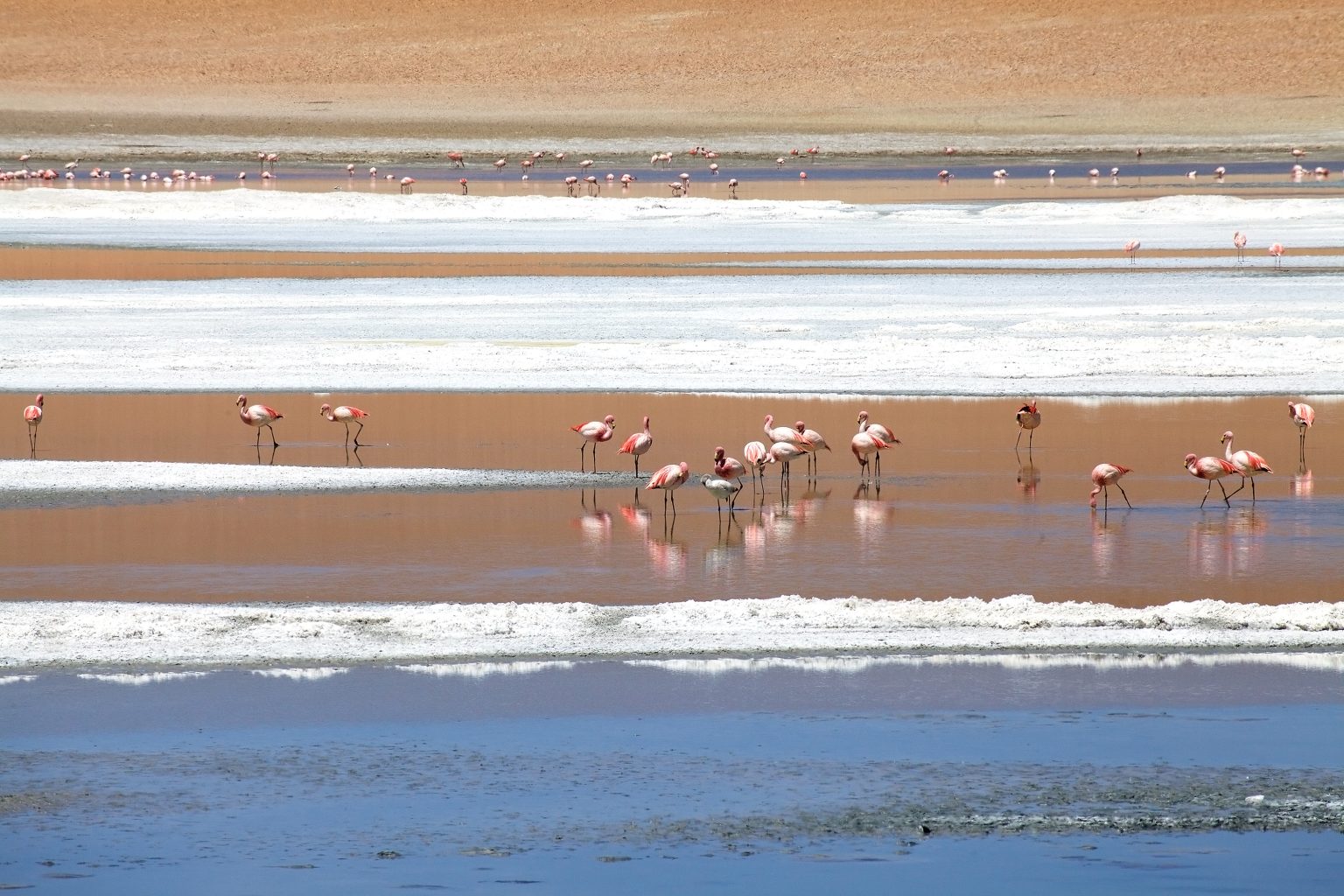
Argentina is known for its tango, mountains, and Patagonia, but the country also contains extensive dry landscapes ranging from high Andean plateaus to lowland scrub, salt flats, volcanic terrain, and red-rock valleys. The deserts of Argentina include the high-altitude Puna, the Monte Desert, the salt flats of the northwest, and the dramatic landscapes of Ischigualasto and Talampaya.
- The Main Desert Areas in Argentina
- The Puna Desert and the High Andes
- The Monte Desert: Dry Valleys and Thorny Shrublands
- Ischigualasto: Argentina’s Valley of the Moon
- Salinas Grandes and Argentina’s Salt Flats
- Animals That Live in Argentina’s Desert
- Birds of Argentina’s Drylands
- Reptiles and Amphibians
- Plants of Argentina’s Dry Regions
- The Best Desert Areas in Argentina for Wildlife and Nature
- Ischigualasto Provincial Park
- Talampaya National Park
- The Argentine Puna
- Salinas Grandes and the Jujuy Salt Flats
- Uspallata Valley
- Monte Desert Protected Areas
- Ways to Experience Argentina’s Desert Landscapes
- Hiking Through Red Canyons
- Stargazing in the High Desert
- Wildlife Watching
- 4×4 Trips Across Remote Landscapes
- Visiting Desert and Highland Communities
- Weather and the Best Time to Visit
- Staying Safe in Argentina’s Desert
- Exploring Argentina’s Desert Landscapes
These environments support Argentine desert wildlife such as guanacos, vicuñas, foxes, rheas, condors, armadillos, and numerous reptiles and birds. The combination of altitude, aridity, geology, and seasonal rainfall creates a wide variety of habitats across northern and western Argentina.
The Main Desert Areas in Argentina
Argentina’s dry regions cover a large part of the country’s north and west. Conditions vary considerably between the high Andes, mountain valleys, salt flats, and lower Monte landscapes.
The Puna Desert and the High Andes
The Puna occupies parts of Jujuy, Salta, and Catamarca in northwestern Argentina. Much of the region lies above 3,500 meters, with some areas considerably higher.
The landscape includes:
- Volcanic mountains and cones
- Salt flats
- High-altitude lagoons
- Rocky plateaus
- Dry grasslands and shrublands
The combination of intense ultraviolet radiation, low humidity, strong winds, and cold nights makes the Puna a demanding environment. Yet its high plateaus and wetlands support vicuñas, flamingos, foxes, and other species adapted to altitude.
The Monte Desert: Dry Valleys and Thorny Shrublands
The Monte Desert stretches across parts of western and central Argentina, including areas of Mendoza, San Juan, La Rioja, Catamarca, and parts of Patagonia’s northern transition zone.
Unlike the high Puna, much of the Monte lies at lower elevations. Its landscapes include:
- Dry valleys
- Shrublands
- Sand dunes
- Thorny vegetation
- Rocky plains
- Seasonal river channels
The Monte generally supports more woody vegetation than the Puna because temperatures and elevations are different. Its dry valleys and shrublands provide habitat for guanacos, foxes, maras, armadillos, birds, and reptiles.
Ischigualasto: Argentina’s Valley of the Moon
Ischigualasto Provincial Park, commonly known as the Valley of the Moon, is famous for its eroded rock formations and exceptionally important Triassic fossil deposits.
Its landscape includes:
- Weathered rock formations
- Dry canyons
- Desert valleys
- Fossil-bearing geological layers
- Unusual shapes created by erosion
Ischigualasto forms part of the Ischigualasto-Talampaya natural UNESCO World Heritage property, recognized for its geological and paleontological importance.
Salinas Grandes and Argentina’s Salt Flats
Salinas Grandes is one of Argentina’s largest salt flats, extending across parts of Jujuy and Salta. Its broad white surface is surrounded by mountains and dry highland landscapes.
The salt surface is created through the evaporation of mineral-rich water over long periods. After rainfall, shallow water can temporarily create reflections across parts of the salt flat.
Animals That Live in Argentina’s Desert
Argentina’s dry regions support wildlife adapted to heat, cold, altitude, limited water, and sparse vegetation.
Mammals Adapted to Dry Conditions
The guanaco is one of the most characteristic large mammals of Argentina’s dry landscapes. This wild South American camelid can live across a wide range of environments, from Patagonian steppe to high Andean terrain.
Other mammals include:
- Vicuñas, particularly in the high-altitude Puna.
- Andean foxes, also known as culpeos, which inhabit mountains and dry valleys.
- Pumas, which range across many parts of Argentina, including mountainous desert environments.
- Vizcachas, rabbit-like rodents commonly associated with rocky terrain.
- Patagonian maras, particularly in dry steppe and shrubland environments farther south.
- Armadillos, which occur in several dry and semi-arid regions.
- Smaller rodents, which form an important food source for foxes, raptors, and other predators.
Many of these animals adjust their activity according to temperature, becoming more active during the cooler hours of the morning and evening.
Birds of Argentina’s Drylands
Birdlife is particularly diverse around highland lagoons, wetlands, valleys, and open shrublands.
Common species and groups include:
- Andean condors, which soar over mountains and valleys.
- Greater and lesser rheas, large flightless birds native to South America.
- Hawks and falcons, which hunt over open terrain.
- Burrowing owls, which use underground burrows for shelter and nesting.
- Ground-dwelling birds adapted to dry grasslands and shrublands.
- Flamingos, which feed in high-altitude salt lakes and lagoons.
The highland wetlands of the Puna are particularly important for flamingos, while the wider drylands provide habitat for raptors and ground-dwelling birds.
Reptiles and Amphibians
Argentina’s warm, rocky, and sandy desert environments support numerous reptiles.
Visitors may encounter:
- Iguanas and other lizards
- Tegus, among the larger lizards found in South America
- Smaller geckos and skinks
- Snakes, including several species adapted to dry environments
- Other reptiles that shelter under rocks or vegetation during the hottest part of the day
Amphibians are less common in the driest areas, but temporary pools and seasonal streams can provide breeding habitat after significant rainfall.
Plants of Argentina’s Dry Regions
Argentina’s vegetation changes considerably between the high-altitude Puna and the lower Monte Desert.
Plants of the Puna
High-altitude plants must cope with intense sunlight, strong winds, low humidity, and freezing nights.
Important examples include:
- Yareta, a slow-growing cushion plant adapted to the high Andes.
- Tola shrubs, common across many parts of the Puna.
- High-altitude grasses, which provide food for vicuñas and other herbivores.
- Other low-growing plants adapted to cold and dry conditions.
Plants of the Monte Desert
The lower Monte supports a more varied shrub community.
Common plants include:
- Cardón and other columnar cacti
- Prosopis trees, commonly known as algarrobo
- Saltbush
- Thorny shrubs
- Other drought-resistant desert plants
After seasonal rainfall, some areas can briefly develop grasses and wildflowers, adding color to the otherwise dry landscape.
The Best Desert Areas in Argentina for Wildlife and Nature
Ischigualasto Provincial Park
Ischigualasto combines dramatic rock formations with some of South America’s most important Triassic fossil deposits. Its desert scenery makes it a major destination for both geology and paleontology.
Talampaya National Park
Neighboring Talampaya is known for its towering red cliffs, canyons, archaeological sites, and dry valleys. Guanacos, foxes, condors, and other wildlife can be found in the wider protected area.
Together, Ischigualasto and Talampaya form a major natural and geological destination in western Argentina.
The Argentine Puna
The Puna around Jujuy, Salta, and Catamarca offers high-altitude deserts, volcanoes, salt flats, and lagoons. Flamingos and vicuñas are among the wildlife highlights.
Salinas Grandes and the Jujuy Salt Flats
The salt flats of Jujuy provide expansive white landscapes surrounded by high mountains. They are particularly striking for photography and are part of a wider region of high-altitude desert environments.
Uspallata Valley
The Uspallata Valley in Mendoza lies within the Andes and contains dry mountain landscapes, rocky slopes, and valleys where visitors may encounter birds, foxes, and drought-resistant vegetation.
Monte Desert Protected Areas
Protected areas across Mendoza, San Juan, and La Rioja conserve sections of the Monte Desert and its characteristic shrublands. These landscapes provide habitat for armadillos, maras, foxes, reptiles, and desert birds.
Ways to Experience Argentina’s Desert Landscapes
Hiking Through Red Canyons
The trails and viewpoints around Talampaya and Ischigualasto reveal layers of rock shaped by erosion over millions of years. Guided excursions can combine landscape viewing with information about the region’s geology and fossils.
Stargazing in the High Desert
The dry climate and low population density of the Puna create excellent conditions for observing the night sky. High-altitude locations can offer particularly clear views when weather conditions are favorable.
Wildlife Watching
Guided excursions can help visitors identify guanacos, vicuñas, foxes, condors, rheas, and other animals. Early morning and late afternoon are often productive times for wildlife observation.
4×4 Trips Across Remote Landscapes
Four-wheel-drive excursions are useful for reaching remote salt flats, volcanic landscapes, mountain valleys, and isolated highland communities. Some routes require experienced local drivers because of altitude, rough roads, and limited services.
Visiting Desert and Highland Communities
Places such as Susques, Tolar Grande, and La Poma provide opportunities to experience life in the highlands. Local communities maintain agricultural, pastoral, and cultural traditions adapted to the dry environment.
Weather and the Best Time to Visit
The best time to visit depends heavily on altitude and destination.
- April to October: Often offers cooler and drier conditions in many highland areas.
- Winter: Nights can become extremely cold in the Puna, with temperatures dropping well below freezing.
- Summer: Lowland desert areas can become very hot, with temperatures sometimes exceeding 40°C.
- Summer in the Puna: Rainfall is more likely during the South American summer, particularly from December to March.
- After heavy rainfall: Temporary streams and pools can form, while roads in remote areas may become difficult to use.
Because Argentina’s dry regions cover a huge area, travelers should check the local forecast for their specific route.
Staying Safe in Argentina’s Desert
Remote desert travel requires careful preparation, particularly in the high Andes.
- Carry enough water and food for the planned journey.
- Use sunscreen, sunglasses, and protective clothing.
- Carry warm layers because temperatures can fall sharply after sunset.
- Use a suitable 4×4 vehicle for remote and rough routes.
- Avoid hiking alone in isolated areas.
- Carry offline maps, GPS navigation, and reliable communication equipment.
- Allow time to adjust to high altitude when traveling through the Puna.
- Keep a safe distance from wild animals and never feed them.
- Check road and weather conditions before entering remote areas.
The combination of altitude, heat, cold, and long distances between services makes preparation particularly important in Argentina’s desert regions.
Exploring Argentina’s Desert Landscapes
Argentina’s dry regions extend far beyond a single type of desert. The Puna offers high-altitude volcanoes, salt flats, lagoons, and wildlife, while the Monte is characterized by dry valleys, shrubs, dunes, and thorny vegetation. Ischigualasto and Talampaya add another dimension, with dramatic rock formations and some of the world’s most important Triassic fossil landscapes.
Wildlife completes the picture. Guanacos and vicuñas move across open highlands, foxes hunt in dry valleys, condors circle above the Andes, and rheas run across open terrain. Around the Puna’s lagoons, flamingos gather where water and mineral-rich environments create suitable feeding grounds.
For travelers interested in Argentina desert travel, wildlife, geology, and high-altitude landscapes, these regions offer a broad view of the country’s dry side. The deserts are not defined by sand alone, but by the combination of mountains, salt flats, canyons, vegetation, and wildlife that makes western Argentina so diverse.