
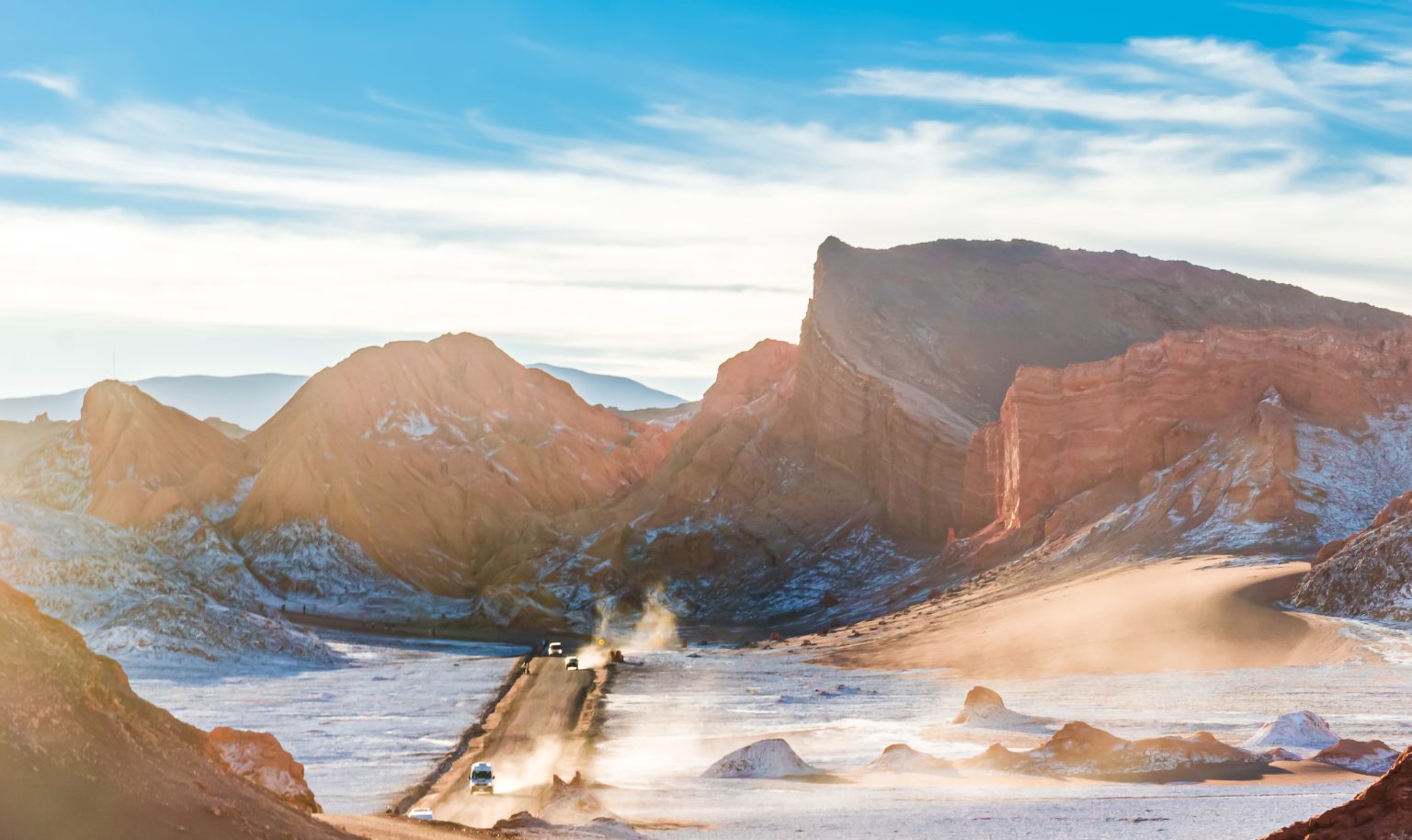
Chile stretches from the glaciers and fjords of Patagonia to the Atacama Desert, widely recognized as the driest non-polar desert on Earth. In northern Chile, salt flats, colorful rock formations, volcanoes, and high-altitude lagoons create a landscape unlike most other desert destinations. These contrasts make the region particularly appealing to travelers interested in nature, photography, geology, and outdoor exploration.
- Understanding the Atacama Desert in Chile
- One of the Driest Deserts on Earth
- Valle de la Luna and Valle de la Muerte
- Altiplano and High-Altitude Lagoons
- Volcanic and Geothermal Landscapes
- Preparing for Your Trip to the Chilean Desert
- What to Pack for the Atacama Desert
- Safety in the Chilean Desert
- Exploring the Atacama Desert
- Natural and Cultural Highlights
- Comfort and Food in the Desert
- Photography in the Atacama Desert
- Best Time to Visit the Atacama Desert
- Planning a Safe and Rewarding Atacama Journey
The Atacama’s high altitude and extreme dryness require careful preparation, especially for excursions into remote areas. This guide covers practical advice for exploring Chile’s desert landscapes, managing changing temperatures, and respecting the fragile environments around San Pedro de Atacama and the Altiplano.
Understanding the Atacama Desert in Chile
One of the Driest Deserts on Earth
The Atacama Desert is widely recognized as the driest non-polar desert in the world. Some locations receive exceptionally little rainfall, although conditions vary across the region, particularly between the coastal desert, interior basins, and high Andes.
Several geographical and atmospheric factors contribute to its aridity:
- The cold Humboldt Current, which influences conditions along the Pacific coast.
- Persistent subtropical high-pressure systems that limit rainfall.
- The Andes Mountains, which restrict moisture reaching parts of the desert from the east.
- The region’s varied elevation and terrain, which influence local weather patterns.
Together, these factors have produced an environment characterized by salt deposits, mineral-rich ground, dry valleys, and extensive areas with sparse vegetation. Temperature differences between day and night can also be substantial, particularly at higher elevations.
Valle de la Luna and Valle de la Muerte
Near San Pedro de Atacama, Valle de la Luna and Valle de la Muerte are among the region’s best-known destinations for desert scenery.
Valle de la Luna features eroded rock formations, dunes, and salt-rich terrain shaped by geological processes. Its appearance changes with the light, making late afternoon a popular time for photography.
Valle de la Muerte, also known as Death Valley, is known for its rugged terrain and steep sandy slopes. Visitors can explore designated viewpoints and suitable walking areas, depending on current access rules.
Highlights include:
- Viewing unusual rock formations and desert landforms.
- Photographing the changing colors of the landscape.
- Walking along permitted routes.
- Watching the light change across the valleys near sunset.
Follow marked paths and local instructions, particularly around steep slopes and fragile geological features.
Altiplano and High-Altitude Lagoons
Beyond the lower desert valleys, the landscape rises into the Altiplano, a high plateau extending across parts of the central Andes. This region combines wide-open views with volcanoes, salt flats, and lagoons situated at elevations that can affect visitors who are not acclimatized.
Notable places include:
- Salar de Talar, a salt flat surrounded by striking Andean scenery.
- Laguna Miscanti and Laguna Miñiques, high-altitude lagoons set among mountains and volcanic terrain.
- Volcanic peaks, some rising above 5,000 meters.
- Open plateaus with sparse vegetation and views across the Andes.
Altitude, wind, and rapidly changing temperatures can make these excursions physically demanding. Choose tours according to your fitness and acclimatization, and check the elevation of each stop before booking.
Volcanic and Geothermal Landscapes
The Atacama region lies within the geologically active Andes. Volcanic landforms and geothermal activity contribute to its varied scenery.
The El Tatio Geysers, located at high elevation north of San Pedro de Atacama, are a major attraction. Early-morning visits are popular because steam rising from the geothermal field is particularly visible in the cold air.
Lascar Volcano is another prominent feature of northern Chile’s volcanic landscape. Visiting volcanic areas requires attention to access restrictions, weather, altitude, and any official safety advice.
When planning these excursions:
- Confirm departure times and journey duration.
- Bring warm clothing for early-morning visits.
- Follow marked paths and barriers around geothermal features.
- Use a reputable operator for remote or high-altitude trips.
- Check current access conditions before departure.
Preparing for Your Trip to the Chilean Desert
Choosing the Right Base in the Atacama
Most visitors use San Pedro de Atacama as their main base for exploring the region. The town offers accommodation, restaurants, tour operators, and services for excursions into the surrounding desert.
It is a practical starting point for visits to:
- Valle de la Luna and Valle de la Muerte.
- Salar de Atacama and nearby lagoons.
- The Altiplano and its high-altitude landscapes.
- El Tatio Geysers.
- Rainbow Valley and other geological attractions.
Travel times vary considerably, and some destinations require departures before sunrise. Check the itinerary carefully and allow time to rest between demanding excursions.
Understanding Altitude Effects
Many popular destinations around San Pedro de Atacama sit above 2,400 meters, while some Altiplano excursions reach elevations exceeding 4,000 meters. Altitude sickness can affect otherwise healthy travelers, particularly those who ascend quickly from lower elevations.
To reduce the risk:
- Allow time to acclimatize before visiting higher locations.
- Increase elevation gradually when possible.
- Avoid strenuous exercise during the initial acclimatization period.
- Drink water regularly, without forcing excessive amounts.
- Avoid alcohol if you are experiencing altitude symptoms.
- Tell your guide if you feel unwell.
Headache, nausea, dizziness, and unusual fatigue can be signs of altitude sickness. Do not continue ascending if symptoms develop. Severe or worsening symptoms require prompt medical assessment and descent where appropriate. Hydration alone does not prevent altitude sickness.
Travelers with relevant medical concerns should seek professional advice before planning high-altitude excursions.
Planning Tours and Timing
Many Atacama excursions start early to reach high-altitude destinations before conditions change or to take advantage of morning light. Popular tours may fill up during busy travel periods, so booking in advance can be helpful.
Before confirming a tour, check:
- The highest elevation reached.
- Total travel time and expected walking distance.
- Whether meals, water, and transport are included.
- The guide’s experience with high-altitude travel.
- Weather-related cancellation arrangements.
Guided desert tours are particularly useful for remote destinations and high-altitude routes, where local knowledge can improve both safety and understanding of the landscape.
What to Pack for the Atacama Desert
Clothing for Extreme Desert Conditions
Temperatures can change sharply between sunny afternoons and cold nights. Layering allows you to adjust your clothing throughout the day.
During daytime activities, bring:
- Lightweight, breathable shirts.
- Long sleeves for sun protection.
- Sunglasses with suitable UV protection.
- A wide-brimmed hat or cap.
- Comfortable trousers and walking clothing.
For early mornings, evenings, and high-altitude trips, pack:
- An insulated jacket or fleece.
- A warm base layer.
- Long trousers suitable for cold conditions.
- A warm hat and gloves, especially during winter.
- A wind-resistant outer layer.
Even if San Pedro feels warm, conditions at El Tatio or the Altiplano can be much colder. Pack according to the highest and coldest location on your itinerary.
Footwear and Day Gear
Sturdy walking shoes or hiking boots are useful on rocky trails, uneven ground, and dusty paths. Some salt-crusted surfaces may be fragile or restricted, so follow local guidance instead of walking wherever the terrain appears accessible.
A small daypack should contain:
- Drinking water.
- Sunscreen and sunglasses.
- Snacks for longer excursions.
- An extra clothing layer.
- Personal medication.
- A phone and portable power bank.
- A headlamp for early departures or nighttime activities.
For remote journeys, ask your operator whether additional supplies are necessary.
Skin Protection and Hydration
The Atacama’s dry air, strong sunlight, and high elevation can contribute to dehydration and skin irritation. UV exposure can be significant even when temperatures feel cool.
Useful precautions include:
- Carrying sufficient drinking water.
- Applying high-SPF sunscreen and reapplying it as directed.
- Using lip balm and moisturizer.
- Wearing sun-protective clothing.
- Taking breaks during strenuous activities.
Do not assume that cooler temperatures mean the sun is harmless. Protect your skin throughout the day, especially during excursions across exposed terrain.
Safety in the Chilean Desert
Managing Sun Exposure and Heat
High elevation increases UV exposure, and the open desert provides limited natural shade. Sunburn can occur during relatively short periods outdoors.
Reduce exposure by following these measures:
- Schedule demanding walks outside the strongest midday sun when practical.
- Wear protective clothing, sunglasses, and a hat.
- Apply sunscreen regularly.
- Drink water throughout the day.
- Rest in suitable shade when available.
Heat, wind, and physical effort can all contribute to fatigue. Adjust your pace and stop if you feel unwell.
Preventing Altitude Sickness
High-altitude excursions require more than ordinary desert preparation. Even a short tour can involve a substantial increase in elevation.
Watch for symptoms such as:
- Headache.
- Nausea or vomiting.
- Dizziness.
- Unusual tiredness.
- Shortness of breath beyond what would normally be expected from the activity.
Rest and avoid further ascent if symptoms appear. Seek medical assistance if they persist or worsen, and descend when advised. Severe breathlessness at rest, confusion, or difficulty walking normally requires urgent medical attention.
If you are planning several high-altitude trips, consider arranging lower-elevation activities first to allow time for acclimatization.
Remote Terrain Awareness
Some Atacama destinations are far from towns and have limited mobile coverage. Remote roads, rough surfaces, and rapidly changing weather can complicate independent travel.
If you plan to drive yourself:
- Check the route and road conditions before departure.
- Carry enough fuel for the planned journey and reasonable contingencies.
- Bring adequate water and emergency supplies.
- Download offline maps.
- Avoid driving unfamiliar remote routes at night.
- Tell someone your itinerary and expected return time.
Use a suitable vehicle for the intended route, and do not enter restricted areas. For remote or high-altitude destinations, an experienced local operator is often the more practical choice.
Exploring the Atacama Desert
Guided Desert Excursions
Guided tours make it easier to reach many of the region’s major attractions and understand their geological and cultural significance.
Popular destinations include:
- Valle de la Luna, known for eroded formations and desert views.
- El Tatio Geysers, a high-altitude geothermal field.
- Altiplano lagoons, including Laguna Miscanti and Laguna Miñiques.
- Salar de Atacama, an extensive salt flat with important wetland habitats.
- Rainbow Valley, known for its multicolored geological formations.
Not every excursion is suitable for every traveler. Compare elevation, walking requirements, departure times, and journey duration before choosing a tour.
Hiking and Trekking Options
Short walks in designated areas around Valle de la Luna and Rainbow Valley can suit visitors who are comfortable walking on uneven terrain. Longer hikes and volcanic ascents demand more preparation.
Before choosing a route:
- Check its length and elevation gain.
- Wear suitable footwear.
- Carry sufficient water and sun protection.
- Confirm whether a guide or permit is required.
- Check weather and access restrictions.
- Avoid attempting demanding routes without the necessary experience.
Volcanic climbs and remote high-altitude treks should be undertaken only with appropriate training, equipment, and qualified local guidance.
Natural and Cultural Highlights
Atacameño Culture and History
The Atacameño people, also known as Lickanantay, have longstanding connections to the Atacama region. Communities developed ways of living in an arid environment through agriculture, water management, craft traditions, trade, and knowledge of the surrounding landscape.
Visitors can learn about local history through museums, archaeological sites, and community-led cultural experiences near San Pedro de Atacama.
When visiting cultural sites:
- Follow site rules and stay on permitted paths.
- Avoid touching or removing archaeological material.
- Ask permission before photographing people.
- Choose locally guided experiences where available.
- Respect the significance of places that remain important to Indigenous communities.
The region’s cultural history is not limited to its archaeological past. Local communities continue to live and work in the area, and their perspectives should be part of a respectful visit.
Salar de Atacama and Flamingo Reserves
Salar de Atacama is Chile’s largest salt flat and contains saline lagoons and wetland habitats that support specialized wildlife. Some of these habitats are important for flamingos, including species found in the high Andes.
The Laguna Chaxa area is a well-known place for observing flamingos and other birds. Wildlife sightings vary with season and environmental conditions, so visitors should not expect to see every species on every visit.
To protect the wetlands:
- Keep to designated paths and viewing areas.
- Observe birds from a respectful distance.
- Avoid feeding or disturbing wildlife.
- Follow reserve rules and guide instructions.
- Take all rubbish away with you.
The contrast between pale salt deposits, reflective water, and distant mountains makes this region particularly attractive for photography.
Rainbow Valley
Rainbow Valley is known for hills and rock formations displaying shades of red, green, white, and purple. These colors result from differences in mineral composition and the geological history of the area.
Visitors can explore designated viewpoints and suitable walking routes while learning about the region’s geology.
For a better visit:
- Wear sturdy shoes.
- Bring water and sun protection.
- Follow marked paths.
- Avoid climbing fragile formations.
- Allow time to appreciate the different colors and textures of the rock.
Comfort and Food in the Desert
Dining in San Pedro de Atacama
San Pedro de Atacama offers a mix of Chilean, regional, and international cuisine. Menus vary by restaurant, but visitors may find dishes and ingredients associated with northern Chile and the wider Andes.
Possible options include:
- Quinoa soups and other grain-based dishes.
- Empanadas, with a range of fillings.
- Corn- and potato-based meals.
- Meat dishes, including llama where offered.
- Fresh vegetables and lighter meals.
Alpaca is associated with parts of the wider Andean region, but it should not be assumed to be a standard dish everywhere in San Pedro. Ask restaurants about ingredients and preparation if you have dietary preferences or restrictions.
At higher elevations, some visitors experience reduced appetite or digestive discomfort. Eating moderate portions and avoiding heavy meals before strenuous activities may help with comfort, but these measures do not prevent altitude sickness.
Staying Comfortable on Long Excursions
Long drives, cold early starts, high elevation, and dry conditions can make a full day of sightseeing tiring.
To stay comfortable:
- Carry water and snacks.
- Apply sunscreen before leaving and reapply as needed.
- Bring extra layers for high-altitude stops.
- Rest between demanding excursions.
- Keep personal medication accessible.
- Confirm whether meals and restroom stops are included in your tour.
Avoid scheduling several demanding high-altitude activities on consecutive days if you have not had enough time to acclimatize.
Photography in the Atacama Desert
Best Photography Locations
The Atacama offers a wide range of photographic subjects, from geological formations to wildlife and exceptionally dark night skies.
Consider these locations:
- Valle de la Luna during late-afternoon light.
- Laguna Chaxa for flamingos and salt-lagoon scenery.
- Piedras Rojas for red rock formations and high-altitude landscapes.
- El Tatio Geysers at dawn.
- Remote locations with dark skies for astrophotography.
Access rules, weather, and lighting conditions can change, so check the arrangements for each site before travelling. At high-altitude locations, allow extra time for walking and equipment setup.
Protecting Camera Equipment
Dust, salt, and temperature changes can affect camera equipment. Protect your gear carefully when moving between exposed desert terrain and colder high-altitude locations.
Helpful precautions include:
- Keeping cameras and lenses in protective bags.
- Avoiding lens changes in dusty or windy conditions.
- Carrying spare batteries and memory cards.
- Keeping batteries warm during cold nights.
- Using suitable cleaning tools to remove dust.
- Allowing equipment to adjust gradually when moving between very different temperatures.
For astrophotography, confirm whether tripods are permitted and follow any rules about artificial light, especially during organised stargazing sessions.
Best Time to Visit the Atacama Desert
Ideal Travel Seasons
The Atacama can be visited throughout the year, but the most suitable period depends on the activities you have planned. Conditions vary between the lower desert, the coast, and the high-altitude Andes.
Broad seasonal considerations include:
- April to November: Often favorable for dry conditions and stargazing, although winter nights and high-altitude mornings can be very cold.
- December to March: Warmer conditions in many areas, with the possibility of summer rainfall and thunderstorms in the Andes.
The summer rainfall pattern known as the Altiplanic winter can affect high-altitude routes, especially during the broader austral summer period. Road access, visibility, and excursion schedules may change during unsettled weather.
Before booking, check current forecasts and ask local operators about the conditions at your intended destinations.
Seasonal Highlights
Different seasons offer different photographic and travel opportunities.
- Winter often brings cold nights and favorable stargazing conditions, depending on cloud cover.
- Spring can provide comfortable conditions for many lower-elevation excursions.
- Summer may bring clouds and occasional rainfall to the high Andes, changing the appearance of the landscape.
- Clear mornings can offer excellent visibility for mountain and volcanic views throughout much of the year.
No season guarantees clear skies or access to every destination. Build flexibility into your itinerary, particularly when planning remote or high-altitude excursions.
Planning a Safe and Rewarding Atacama Journey
Common Mistakes to Avoid
The region’s dry air and striking scenery can make conditions seem easier than they are. Common mistakes include:
- Underestimating altitude and ascending too quickly.
- Forgetting sun protection.
- Packing too lightly for cold mornings and nights.
- Carrying insufficient water.
- Attempting remote trips without adequate navigation or preparation.
- Ignoring weather warnings and access restrictions.
- Disturbing wildlife or fragile geological features.
Making the Most of Your Visit
A balanced itinerary can combine the lower desert valleys, salt flats, high-altitude lagoons, and cultural sites around San Pedro de Atacama. Allow enough time to acclimatize before heading to higher elevations, and leave room for changes caused by weather or road conditions.
The Atacama’s appeal lies in its geological variety, unusual light, high-altitude landscapes, and living cultural heritage. With suitable preparation and respect for local guidance, travelers can discover its most remarkable places while helping protect the fragile environments that make northern Chile distinctive.