
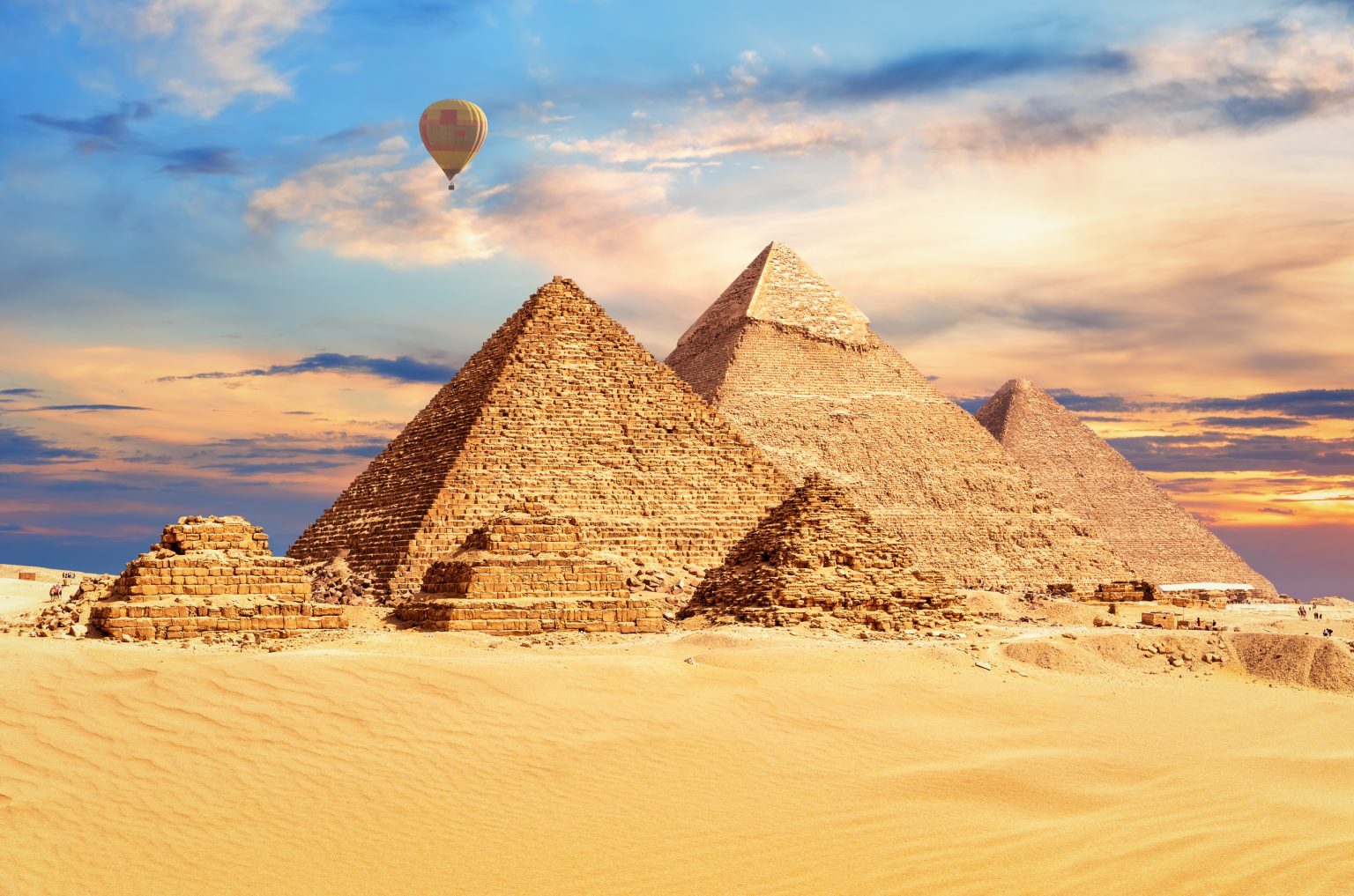
Beyond Egypt’s temples and pyramids lies a vast world of arid landscapes, remote oases, and remarkable geological formations. Covering more than 90% of the country, these environments range from pale limestone formations to dark rocky hills and extensive sand dunes. The Egyptian desert offers a different perspective on the country, shaped by its natural history, local communities, and long-standing connections to desert life.
- Understanding the Egyptian Desert Landscape
- The Western Desert and Its Oases
- The White Desert National Park
- The Black Desert and Crystal Mountain
- The Great Sand Sea and Siwa Oasis
- Preparing for Your Trip to the Egyptian Desert
- What to Know Before Visiting Egypt’s Sahara
- Staying Safe in the Egyptian Desert
- Transportation and Movement in the Desert
- Culture and Local Traditions
- Food and Comfort in the Desert
- Photography in Egypt’s Desert
- Best Time to Visit the Egyptian Desert
- Planning a More Rewarding Desert Journey
From the sculpted formations of the White Desert to the remote dunes of the Great Sand Sea, each region offers distinct scenery and travel experiences. Exploring these areas requires careful preparation, respect for local regulations, and reliable guidance. These Egypt desert travel tips will help you plan excursions, prepare for desert camping, and understand the practical considerations of travelling through Egypt’s arid regions.
Understanding the Egyptian Desert Landscape
The Western Desert and Its Oases
The Western Desert occupies a large part of Egypt between the Nile Valley and Libya. It includes extensive sandy and rocky landscapes, mountain formations, depressions, and several important oases.
Notable destinations include:
- Bahariya Oasis: A popular starting point for guided excursions to the White Desert and Black Desert.
- Fayoum: Known for its lakes, desert scenery, archaeological sites, and protected natural areas.
- Farafra Oasis: A smaller oasis associated with access to the White Desert.
- Dakhla Oasis: Known for palm groves, traditional settlements, and historical sites.
- Siwa Oasis: A remote oasis with distinctive Amazigh cultural heritage, salt lakes, palm plantations, and ancient ruins.
Each destination has its own character and travel requirements. Some journeys focus on natural scenery, while others combine desert excursions with local culture and historical attractions.
Many trips to the White Desert National Park begin in Bahariya Oasis, where licensed tour operators arrange transport, guides, and camping equipment.
The White Desert National Park
The White Desert National Park, near Farafra Oasis, is famous for its pale chalk and limestone formations shaped by erosion over long periods. Some formations resemble mushrooms, animals, and other unusual shapes, although their appearance changes with viewing angle and light.
The landscape is particularly striking around sunrise and sunset, when shadows emphasize the contours of the rock formations.
Visitors can experience the area through organized excursions that may include:
- Guided drives through permitted areas.
- Stops for landscape photography.
- Short walks around designated locations.
- Overnight camping where authorized.
- Stargazing away from urban lighting.
The White Desert is a protected natural area, so visitors should follow the applicable access rules and travel arrangements. Use an authorized operator and confirm permit requirements before departure. Avoid climbing on fragile formations or removing rocks as souvenirs.
The Black Desert and Crystal Mountain
The Black Desert, near Bahariya Oasis, is characterized by dark volcanic rocks scattered across hills and desert slopes. These dark surfaces contrast with the surrounding sandy plains and create a distinctive landscape for photography.
Nearby, Crystal Mountain is a well-known stop on some Western Desert excursions. Its exposed crystalline rock formations catch the light and offer a different geological feature from the surrounding dunes.
When visiting these locations:
- Follow your guide’s instructions and remain within permitted areas.
- Wear closed footwear suitable for rocky ground.
- Protect yourself from direct sunlight.
- Avoid collecting geological specimens where prohibited.
- Keep a safe distance from unstable rocks and slopes.
These sites are often included in the same itinerary as the White Desert, making them convenient additions to a guided trip from Bahariya.
The Great Sand Sea and Siwa Oasis
The Great Sand Sea extends across a remote area near Egypt’s western border with Libya. Its extensive dune fields are part of the wider Sahara and are best suited to carefully planned journeys with experienced desert operators.
Depending on the route and conditions, visitors may experience:
- Long stretches of rolling sand dunes.
- Remote desert camps.
- Photography in changing natural light.
- Stargazing far from major settlements.
- Guided four-wheel-drive excursions.
The region’s remoteness means that transport, fuel, communication, and emergency arrangements require particular attention.
Nearby Siwa Oasis offers a different experience, combining palm groves, salt lakes, archaeological remains, and a distinctive Amazigh cultural heritage. Visitors can explore the oasis itself and arrange guided excursions into suitable surrounding desert areas. Travel restrictions and access conditions should be checked before planning journeys farther into remote terrain.
Preparing for Your Trip to the Egyptian Desert
Choosing the Right Desert Tour
Desert experiences in Egypt range from short excursions to multi-day journeys involving camping and long drives. For most visitors, an organized trip with an authorized tourism company and an experienced guide is the most practical option.
Depending on the destination and itinerary, tours may include:
- Four-wheel-drive transportation.
- An experienced desert guide.
- Meals and drinking water.
- Tents and sleeping equipment.
- Stops at geological and natural landmarks.
- Arrangements for authorized overnight stays.
Before booking, confirm the route, duration, included services, and any additional costs. For longer expeditions, ask about backup vehicles, emergency supplies, communication arrangements, and the operator’s procedures if conditions change.
Setting Realistic Expectations
Desert travel differs considerably from visiting Egypt’s major cities. Roads may be rough, mobile reception can be limited, and services are often widely spaced. Camping arrangements also vary, from basic setups to more equipped camps.
Prepare for the following conditions:
- Long driving distances between destinations.
- Limited shade in exposed areas.
- Strong sunlight during the day.
- Cold nights during some seasons.
- Basic facilities on remote routes.
- Changes to itineraries caused by weather or access restrictions.
A flexible schedule allows time for rest, photography, and unexpected delays. Rather than filling every day with activities, choose a manageable itinerary that suits the distance and conditions.
What to Know Before Visiting Egypt’s Sahara
Clothing for Desert Conditions
Clothing should protect you from sunlight, dust, and changing temperatures. Lightweight, breathable fabrics are useful during the day, while warmer layers become important after sunset.
For daytime activities, pack:
- Lightweight, long-sleeved shirts.
- Comfortable trousers.
- A wide-brimmed hat or suitable head covering.
- UV-protective sunglasses.
- A scarf or buff for dusty conditions.
- Closed shoes suitable for sand and rocky ground.
For evenings and overnight camping, bring:
- A warm jacket or fleece.
- Thermal layers during cooler months.
- Comfortable sleeping clothes.
- Socks suited to the expected temperature.
Desert temperatures can change significantly between day and night. Check the forecast for your specific destination rather than relying on general seasonal averages.
Hydration and Personal Care
Dehydration is a serious risk during desert travel, particularly during hikes, long drives, and outdoor activities in hot weather. Carry sufficient drinking water for the planned itinerary, along with an additional reserve for delays.
Useful personal-care items include:
- High-SPF sunscreen.
- Lip balm.
- Moisturizer.
- A basic first-aid kit.
- Personal medication.
- Electrolyte replacement products when appropriate.
- Tissues or wet wipes.
Drink regularly throughout the day and take breaks when needed. Water requirements depend on the temperature, activity level, and individual needs, so avoid relying on a single fixed quantity for every trip.
Essential Gear
The right equipment depends on whether you are taking a short guided excursion or spending several nights in remote areas.
Consider bringing:
- A reusable water bottle.
- A small daypack.
- A power bank.
- A flashlight or headlamp.
- Offline maps or another navigation backup.
- A camera bag that protects against sand.
- Spare batteries and memory cards.
- Personal sleeping equipment if the tour does not provide it.
Ask your tour operator what equipment is supplied. Carrying duplicate bulky items may be unnecessary on organized trips, while independent preparation requires more attention to essential supplies.
Staying Safe in the Egyptian Desert
The Importance of Authorized Guides
Some Western Desert excursions require permits and an authorized guide, and access rules differ by location. The White Desert, Black Desert, and surrounding areas should not be approached as unrestricted driving destinations.
Before booking:
- Choose an authorized tourism company.
- Confirm permit requirements for your route.
- Check that the guide is familiar with the specific area.
- Ask about emergency communication and vehicle recovery.
- Follow instructions from local authorities and park personnel.
The Egyptian Ministry of Tourism and Antiquities provides information about licensed tourism companies, while official travel advisories may contain additional restrictions affecting particular roads or regions. Check current requirements shortly before departure. <Cite refs={[“turn476822search4″,”turn476822search0”]} />
Managing Heat and Sun Exposure
The desert sun can be intense throughout the year, especially during summer. Activities are often more comfortable in the early morning or late afternoon, but conditions vary by location and season.
Reduce heat-related risks by following these precautions:
- Avoid strenuous activity during the hottest hours.
- Wear a hat and sun-protective clothing.
- Apply sunscreen as directed.
- Drink water regularly.
- Rest in shade or shelter whenever possible.
- Reduce activity if you begin to feel unwell.
Watch for symptoms such as dizziness, nausea, headache, or unusual weakness. Confusion, collapse, or other severe symptoms require urgent medical assistance.
Sandstorms and Weather Changes
Wind can raise sand and dust quickly, reducing visibility and making outdoor activities unsafe. Sudden weather changes may also affect desert roads and camping arrangements.
If conditions deteriorate:
- Stay with your group.
- Protect your eyes and face from blowing sand.
- Follow your guide’s instructions.
- Avoid driving into areas where visibility is inadequate.
- Wait in suitable shelter until conditions improve.
- Follow any instructions from local authorities.
Do not continue a journey simply to keep to a planned schedule. A delayed excursion is preferable to travelling in unsafe conditions.
Transportation and Movement in the Desert
Traveling by 4×4
Many remote desert routes require a suitable four-wheel-drive vehicle. Soft sand, uneven ground, and long distances make vehicle choice and driver experience important.
For a safer journey:
- Use an appropriate vehicle for the planned terrain.
- Check tyres, fuel, and essential equipment before departure.
- Wear seatbelts throughout the journey.
- Secure luggage and loose objects.
- Stay on permitted routes.
- Follow the guide’s instructions during difficult sections.
- Confirm that emergency supplies and communication arrangements are available.
For multi-day trips, ask the operator about vehicle backup and recovery procedures. Do not attempt unfamiliar dune driving simply because a vehicle has four-wheel drive.
Camel Trekking
Camel rides are available through selected operators and can offer a slower way to experience certain desert landscapes. Availability and route suitability vary by destination, so confirm the details before booking.
A few practical precautions can make the experience more comfortable:
- Choose an operator that prioritizes animal welfare.
- Wear comfortable trousers and closed footwear.
- Follow the handler’s instructions when mounting and dismounting.
- Bring water and sun protection.
- Confirm the ride’s duration and difficulty.
- Ask about any age or mobility requirements.
Short rides may suit many visitors, while longer treks require more preparation and should only be undertaken when the route and conditions are appropriate.
Desert Camping
Desert camping in Egypt offers opportunities to experience the landscape after sunset, when temperatures may fall and the night sky becomes more visible away from artificial lighting.
Camping arrangements vary by destination and operator. An organized trip may provide tents, mattresses, meals, and other basic equipment.
Before your overnight stay, confirm:
- Whether camping is permitted at the planned location.
- What sleeping equipment is supplied.
- Whether warm bedding is included.
- How drinking water and meals are provided.
- What toilet and washing facilities are available.
- How rubbish and other waste are handled.
Follow all instructions concerning campfires, protected landscapes, and wildlife. Leave the site clean and avoid damaging fragile geological formations.
Culture and Local Traditions
Learning from Bedouin Communities
Bedouin communities have longstanding connections to several desert regions of Egypt. Their histories and traditions differ by location, and cultural experiences vary between communities and tourism operators.
Some guided visits may introduce travellers to local hospitality, food, oral storytelling, and practical knowledge of desert environments.
To approach these experiences respectfully:
- Listen to local hosts and follow their guidance.
- Ask permission before photographing people.
- Dress appropriately for the community and setting.
- Respect private property and culturally significant locations.
- Choose community-led experiences when available.
- Avoid assuming that all Bedouin communities share identical customs.
Tea may be offered as part of a traditional welcome, depending on the host and setting. Visitors can accept or politely decline while remaining respectful.
Respectful Photography
Photography is a major attraction in Egypt’s desert regions, but not every person or location should be treated as an unrestricted subject.
Follow these guidelines:
- Ask permission before photographing local residents.
- Respect requests not to take photographs.
- Follow restrictions at archaeological and protected sites.
- Avoid climbing on or damaging geological formations.
- Do not remove stones, fossils, or other natural materials where prohibited.
- Keep equipment and tripods away from sensitive habitats.
Responsible photography allows visitors to document their journey without disturbing the people and environments they have come to see.
Food and Comfort in the Desert
Typical Desert Meals
Meals on organized desert trips depend on the operator, destination, and length of the excursion. Visitors may be served simple dishes prepared at camp or brought from nearby settlements.
Possible meal options include:
- Grilled meat or vegetables.
- Rice and pasta dishes.
- Soups and salads.
- Fresh flatbread.
- Eggs and cheese at breakfast.
- Tea and other hot drinks.
Menus vary, so communicate dietary requirements before booking. On longer journeys, confirm how food is stored and whether additional snacks are needed.
Staying Comfortable
Desert conditions can be tiring, particularly during long drives or overnight trips. Simple habits help maintain comfort throughout the journey.
- Rest regularly during outdoor activities.
- Keep water and snacks within easy reach.
- Shake sand from footwear before putting it back on.
- Store food in sealed containers.
- Use lip balm and moisturizer when needed.
- Keep warm clothing accessible after sunset.
- Organize your daypack so essential items are easy to find.
A realistic itinerary with time for rest will generally be more enjoyable than a schedule packed with too many stops.
Photography in Egypt’s Desert
Best Times for Photography
The White Desert, Black Desert, and Great Sand Sea offer contrasting subjects for landscape photography. Light changes throughout the day, bringing out different colours, textures, and shadows.
Consider these opportunities:
- Sunrise and sunset in the White Desert: Capture the shapes of chalk formations in softer light.
- The Black Desert: Photograph dark rocky hills against the surrounding terrain.
- The Great Sand Sea: Look for dune patterns and broad desert horizons.
- Siwa Oasis: Explore the contrast between palm groves, salt lakes, and nearby sandy landscapes.
- Night skies: Photograph stars from suitable locations away from artificial lighting.
Early morning and late afternoon often provide more comfortable conditions for photography. Always follow your guide’s instructions about where you can walk or set up equipment.
Protecting Camera Equipment
Sand and dust can affect camera bodies, lenses, and electronic accessories. Protective storage is particularly important when travelling in open vehicles or during windy conditions.
Useful precautions include:
- Carrying a protective camera bag.
- Keeping lenses covered when not in use.
- Avoiding lens changes outdoors in dusty conditions.
- Bringing spare batteries and memory cards.
- Carrying a clean microfiber cloth.
- Keeping equipment away from direct sunlight where possible.
- Following the manufacturer’s advice for cleaning and maintenance.
Charging opportunities may be limited during camping trips, so plan battery use according to the length of your itinerary.
Best Time to Visit the Egyptian Desert
Ideal Travel Season
For many desert destinations, October to April is a practical period for outdoor exploration, although conditions differ across Egypt’s deserts and oases. Cooler weather can make walking, sightseeing, and camping more comfortable than during the hottest months.
Keep these seasonal considerations in mind:
- Winter: Often suitable for outdoor activities, but nights can be cold.
- Spring: Daytime temperatures rise, and some areas may experience seasonal changes in vegetation.
- Autumn: Conditions may become more comfortable after the summer heat.
- Summer: High temperatures can make prolonged outdoor activities difficult and require extra caution.
Check the forecast for your exact destination, including overnight temperatures. Seasonal averages are useful for planning, but they cannot guarantee conditions during an individual trip.
Seasonal Events and Local Experiences
Cultural activities and local events can add interest to visits to Siwa Oasis and Fayoum, while the cooler months are popular for many desert excursions.
Before travelling:
- Check current event dates and arrangements.
- Confirm that your chosen route is open.
- Book guided tours and accommodation in advance when necessary.
- Ask about local access rules and permits.
- Check for current travel advisories affecting the region.
Availability can change, particularly for remote excursions that depend on permits, weather, or security arrangements.
Planning a More Rewarding Desert Journey
The most common mistakes on desert trips include underestimating water needs, expecting facilities in remote locations, overlooking cold nights, and relying entirely on mobile navigation. Travelling without confirming access requirements can also lead to delays or cancelled plans.
Before departure, make sure you have:
- Selected a destination and route suited to your experience.
- Confirmed permits and guide arrangements where required.
- Checked current weather and travel advice.
- Packed adequate water, food, and suitable clothing.
- Prepared for limited mobile coverage and basic facilities.
- Respected local communities and protected natural areas.
A well-planned journey leaves room to enjoy the landscape without overlooking the practical realities of desert travel.
Egypt’s Desert Landscapes, from Chalk Formations to Great Sand Sea Dunes
The Egyptian desert reveals a side of the country shaped by geological variety, remote oases, and distinctive cultural traditions. The pale formations of the White Desert, the dark hills of the Black Desert, and the extensive dunes near Siwa each offer a different experience of the Sahara.
The best way to explore these regions is to match your itinerary to the terrain, travel with authorized guides where required, and prepare for changing weather and limited services. With careful planning and respect for local communities and protected environments, a journey through Egypt’s deserts can offer a deeper understanding of the country’s landscapes beyond its famous monuments.