
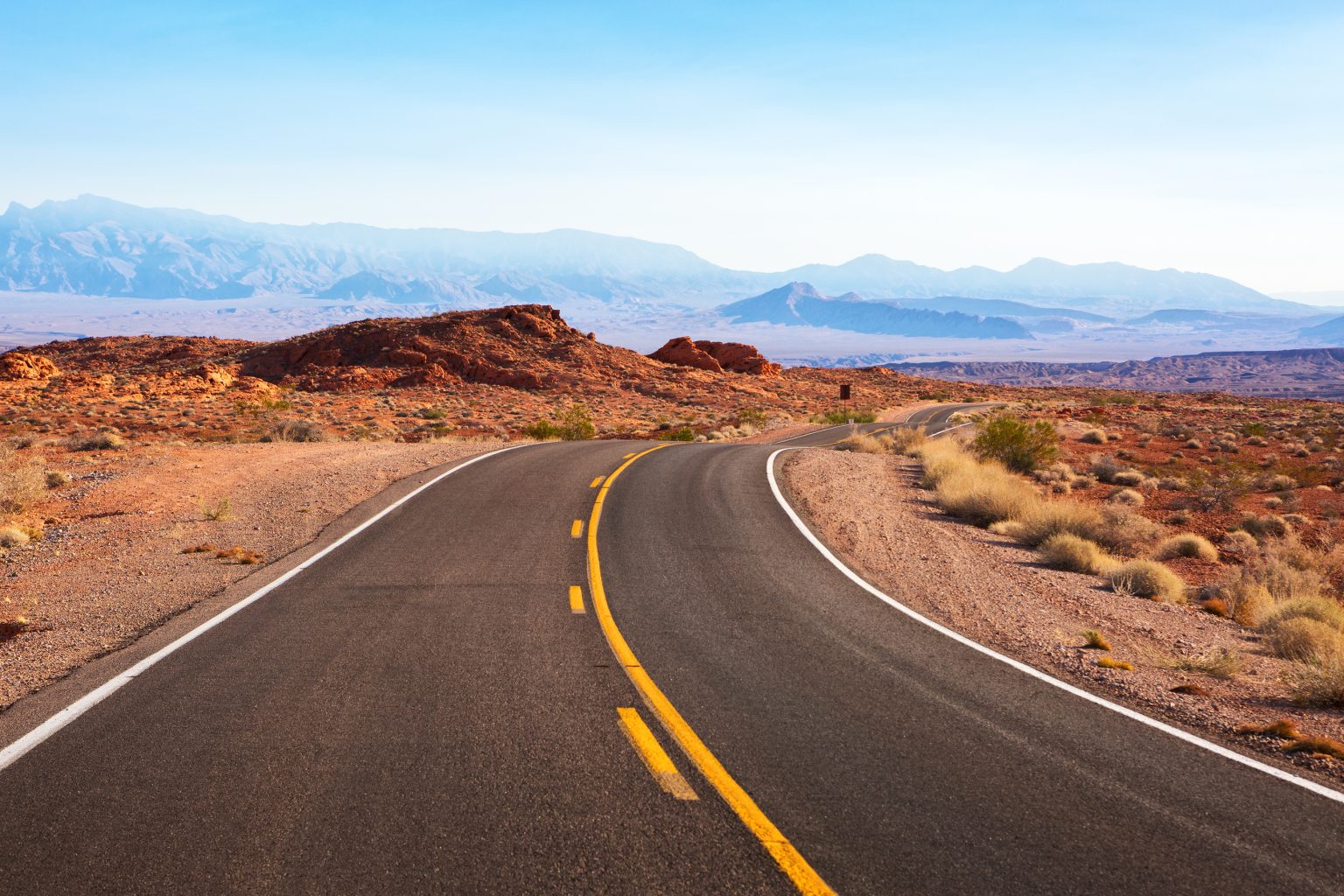
The deserts of the American Southwest span a remarkable range of landscapes across California, Arizona, Nevada, Utah, and New Mexico. From the open valleys of the Mojave Desert to Utah’s red sandstone formations and the white gypsum dunes of New Mexico, each region offers distinct scenery, outdoor activities, and cultural history. These landscapes are also connected to the enduring presence of Indigenous communities, whose histories and relationships with the land long predate modern tourism.
- Understanding the Desert Regions of the American Southwest
- Preparing for Your Desert Trip
- Choosing the Right Desert Destination
- Respecting Indigenous Lands and Heritage
- Planning Routes and Distances
- What to Pack for the American Desert
- Clothing for Heat and Temperature Changes
- Essential Gear and Footwear
- Water, Food, and Health Supplies
- Safety Tips for Traveling in the American Desert
- Exploring the Desert Landscape
- Cultural and Natural Highlights of the US Desert
- Food, Comfort, and Daily Needs
- Photography in the American Southwest Desert
- Best Time to Visit the US Deserts
- Planning a Responsible Journey Through the American Desert
This guide explains how to explore the deserts of the United States safely and comfortably. Whether you plan to hike through narrow canyons, camp beneath dark skies, photograph dramatic rock formations, or visit national parks, understanding local weather, terrain, distances, and access rules will help you prepare for a rewarding trip.
Understanding the Desert Regions of the American Southwest
The Mojave Desert
The Mojave Desert covers parts of California, Nevada, Arizona, and Utah. Well-known destinations include Joshua Tree National Park, Death Valley National Park, and desert areas around Las Vegas.
Its landscape features broad valleys, rocky mountains, volcanic formations, and distinctive Joshua trees. Temperatures can vary considerably between seasons and elevations, so visitors should check local forecasts before hiking or driving through remote areas.
Popular experiences include:
- Hiking among the unusual rock formations of Joshua Tree National Park
- Exploring selected viewpoints and established trails in Death Valley
- Photographing desert mountains, salt flats, and open valleys
- Stargazing away from urban lights
The Sonoran Desert
The Sonoran Desert extends across southern Arizona and southeastern California into northwestern Mexico. It is known for its saguaro cacti, varied plant life, and seasonal wildflowers, particularly after favorable rainfall.
Phoenix and Tucson are major urban centers within the region, making them useful bases for visitors exploring nearby desert parks and trails. Winters are generally more comfortable for outdoor activities than the hottest summer months, although conditions vary with elevation and location.
Travelers can enjoy guided nature walks, wildlife observation, scenic drives, and hiking routes suited to different fitness levels.
The Great Basin Desert
The Great Basin Desert covers much of Nevada and parts of Utah and Oregon. Its landscape includes high-elevation valleys, mountain ranges, salt flats, and rocky terrain. Unlike the warmer lowland deserts farther south, the Great Basin experiences cold winters, snowfall in many areas, and substantial temperature differences between seasons.
Elevation is an important consideration when planning a visit. Weather can change quickly in mountain environments, and some roads or facilities may be affected by winter conditions.
Useful activities include scenic driving, hiking in suitable weather, visiting remote public lands, and photographing the contrast between desert valleys and surrounding mountains.
The Chihuahuan Desert
The Chihuahuan Desert stretches across parts of southern New Mexico, western Texas, and northern Mexico. Its landscapes include dry grasslands, rocky hills, desert basins, and areas of diverse plant and animal life.
One of its best-known attractions is White Sands National Park in New Mexico, where bright white gypsum dunes create a distinctive landscape. Visitors can walk on designated routes, photograph the dunes, and enjoy the changing colors of the sand throughout the day.
Conditions remain highly seasonal. Summer heat, sudden storms, and cool winter evenings can all affect outdoor plans, so check forecasts and park guidance before visiting.
Preparing for Your Desert Trip
Choosing the Right Desert Destination
Each US desert region offers a different experience. Choose your destination according to the activities you enjoy, the time of year, and how much driving you are prepared to do.
- Death Valley National Park: Vast desert valleys, salt flats, mountain scenery, and sand dunes.
- Joshua Tree National Park: Joshua trees, striking rock formations, hiking, climbing, and exceptional night skies.
- Sedona, Arizona: Red sandstone scenery, hiking trails, galleries, and outdoor recreation.
- Monument Valley: Monumental sandstone buttes and opportunities to learn about Navajo history and culture through authorized tours.
- White Sands National Park: White gypsum dunes and distinctive photography opportunities.
- Utah’s national parks: Canyons, arches, cliffs, and extensive sandstone landscapes.
Check entrance requirements, seasonal closures, reservations, and guided-tour availability before setting off. Some popular destinations have restricted access or limited parking during busy periods.
Respecting Indigenous Lands and Heritage
The American Southwest is home to many Indigenous nations, including the Navajo Nation, Hopi Tribe, Ute communities, Paiute peoples, and Apache communities. Their histories, traditions, and relationships with the land are distinct, and many places have cultural or spiritual significance.
Travel respectfully by following local rules and the guidance of land managers or community authorities. On tribal lands, access requirements can differ from those in national parks and other public areas.
Responsible visitors should:
- Check whether permits or authorized guides are required.
- Follow photography restrictions, especially at cultural or ceremonial sites.
- Stay on permitted routes and avoid entering closed or restricted areas.
- Ask before photographing people or private property.
- Learn about local history through Indigenous-led tours and community-approved resources where available.
Respecting these guidelines helps travelers understand the region beyond its scenery while supporting responsible tourism.
Planning Routes and Distances
Distances across the American desert can be considerable. Fuel stations, restaurants, drinking water, and mobile coverage may be limited outside towns and established tourist areas.
Before a long drive, identify fuel stops, estimate travel time, and check road conditions. Download maps for offline use and carry a paper map as a backup. Tell someone your route and expected return time when traveling into remote areas.
Allow extra time for scenic stops, trail access, roadworks, and unexpected weather. A route that looks short on a map may take longer than expected on rural roads.
What to Pack for the American Desert
Clothing for Heat and Temperature Changes
Lightweight, breathable clothing helps manage daytime heat, while long sleeves and trousers provide protection from direct sunlight, rough vegetation, and insects. Choose clothing according to the season and the activities planned.
Useful items include:
- A wide-brimmed hat or cap with adequate sun protection
- UV-protective sunglasses
- Comfortable, breathable clothing
- Warm layers for cold evenings and early mornings
- A light rain jacket when forecasts indicate possible showers
- Sturdy footwear suited to rocky ground or sandy trails
Even in warm desert regions, temperatures can fall sharply after sunset. Higher elevations and winter conditions require additional preparation.
Essential Gear and Footwear
The right equipment depends on whether you plan to take short walks, complete longer hikes, camp overnight, or drive remote roads.
Consider packing:
- Hiking shoes or boots with suitable traction
- A comfortable backpack
- A headlamp with spare batteries
- Offline maps and a reliable navigation device
- Extra water containers
- A first-aid kit
- A sunshade or other suitable protection for outdoor breaks
- Emergency supplies appropriate to the route and season
For longer hikes, check the trail distance, elevation gain, exposed sections, and availability of water before leaving.
Water, Food, and Health Supplies
Dry air and hot weather can increase fluid loss, particularly during strenuous activity. Water requirements vary according to temperature, exertion, individual needs, and the length of the route, so there is no single quantity that suits every desert trip.
Carry more water than you expect to need, especially when hiking away from facilities. Follow park-specific recommendations and avoid beginning a demanding route without enough water for the planned activity and possible delays.
Other useful supplies include:
- High-SPF sunscreen
- Lip balm and moisturizer
- Salty snacks and easy-to-carry food
- Electrolyte products when appropriate for prolonged exertion
- Personal medication and a well-stocked first-aid kit
Water alone does not eliminate the risk of heat illness. Rest, shade, sensible pacing, and changing your plans when conditions become unsafe are equally important.
Safety Tips for Traveling in the American Desert
Managing Heat and Sun Exposure
Parts of the US desert experience extreme summer heat. Death Valley is particularly well known for its exceptionally high temperatures, and exposed trails can become dangerous during hot weather.
To reduce heat-related risks:
- Plan strenuous hikes for cooler hours, usually early morning.
- Avoid exposed trails during the hottest part of the day.
- Drink water regularly and carry sufficient supplies.
- Take breaks in shade whenever possible.
- Wear sun-protective clothing and apply sunscreen as directed.
- Turn back if temperatures, symptoms, or trail conditions make continuing unsafe.
Headache, dizziness, nausea, unusual weakness, and heavy sweating can indicate heat exhaustion. Confusion, collapse, or altered consciousness may indicate a life-threatening emergency. Seek emergency assistance immediately when severe symptoms occur, and begin cooling the affected person while help is arranged.
Wildlife Awareness
Desert environments support rattlesnakes, scorpions, insects, coyotes, and many other animals. Encounters are often avoidable when visitors give wildlife space and pay attention to their surroundings.
Follow these precautions:
- Watch where you step, especially around rocks and vegetation.
- Avoid reaching into crevices or areas you cannot see.
- Keep a safe distance from snakes and other wildlife.
- Store food securely and follow local rules for waste disposal.
- Keep pets leashed where permitted and check park-specific restrictions.
Never attempt to handle or feed wild animals. If you encounter a snake, give it room to move away rather than approaching it for a photograph.
Navigation and Remote Conditions
Desert roads and trails can become difficult to navigate because of poor visibility, storms, flooding, or changing ground conditions. Flash floods are a particular concern in narrow canyons and dry washes, even when rain is falling some distance away.
Before departure, check official park alerts, weather forecasts, road reports, and trail closures. Carry offline navigation information and avoid entering slot canyons or washes when thunderstorms or flash-flood warnings are possible.
If conditions deteriorate, choose a safer route or postpone the trip rather than relying on equipment alone.
Exploring the Desert Landscape
Driving Desert Roads Safely
A suitable, well-maintained vehicle is important for desert travel, but a four-wheel-drive vehicle is not necessary for every destination. Many popular viewpoints and established attractions can be reached on paved roads, while remote tracks may require high clearance, four-wheel drive, specialist equipment, or a guided excursion.
Before driving, confirm the requirements for your intended route. Carry adequate fuel, a spare tire suitable for the vehicle, basic tools, and emergency supplies. Do not assume that a rental vehicle is permitted on unpaved roads.
Additional precautions include:
- Check tire pressure and vehicle condition before departure.
- Avoid driving through flooded roads or washes.
- Slow down on unfamiliar roads and watch for wildlife.
- Carry enough water and food for unexpected delays.
- Avoid unnecessary night driving on remote routes.
For difficult backcountry routes, check current conditions and consider traveling with an experienced local guide.
Hiking and Trekking Routes
The American Southwest has hiking opportunities ranging from short walks to strenuous routes requiring careful preparation. Popular destinations include:
- Angels Landing, Zion National Park: A demanding route with exposed sections and permit requirements for the chained section.
- The Narrows, Zion National Park: A hike through the Virgin River, where water levels, flash-flood risk, and seasonal conditions affect safety.
- Delicate Arch Trail, Arches National Park: An exposed hike over slickrock that requires attention to heat and footing.
- Cathedral Rock, Sedona: A steep route with rocky sections and significant elevation gain.
- Mesquite Flat Sand Dunes, Death Valley National Park: An open dune landscape where visitors should plan around heat, distance, and limited shade.
Check current trail conditions, difficulty ratings, access rules, and weather before choosing a route. Carry sufficient water, wear suitable footwear, and allow enough time to return before conditions become dangerous.
Desert Camping Experiences
Camping in the American desert can offer clear night skies, quiet surroundings, and direct access to hiking and photography locations. Accommodation ranges from developed campgrounds and RV parks to designated primitive sites.
Before booking or arriving, check whether reservations are required, whether drinking water is available, and what facilities are provided. Primitive campsites may have few or no services.
For a more comfortable and responsible stay:
- Bring enough drinking water, food, and warm clothing.
- Use a tent and sleeping equipment appropriate for expected temperatures.
- Follow fire restrictions and campsite rules.
- Store food and rubbish securely.
- Keep noise and artificial light to a minimum.
- Leave the site clean and avoid disturbing wildlife or vegetation.
Stargazing is often a highlight, but moonlight, cloud cover, and nearby lighting affect visibility. Check conditions if night-sky photography is a priority.
Cultural and Natural Highlights of the US Desert
Monument Valley
Monument Valley, on the Navajo Nation along the Arizona-Utah border, is known for its immense sandstone buttes and open desert views. The landscape is also part of a living homeland with deep cultural significance.
Navajo-guided tours offer opportunities to learn about the area’s history, land, and cultural perspectives. Access rules vary by location, so check current visitor guidance and use authorized tours where required.
Stay on permitted routes and follow instructions about photography, restricted areas, and interactions with local communities.
The Grand Canyon
The Grand Canyon is a major natural landmark shaped by erosion over geological time. Although it is not a single desert landscape, its arid surroundings, layered rock formations, and steep canyon walls make it an important destination in the wider Southwest.
Popular activities include visiting overlooks, exploring short walking routes, and hiking trails such as the Bright Angel Trail. Hiking below the rim requires careful preparation because temperatures, elevation changes, and climbing back out can make a route much more demanding than it first appears.
Carry adequate water, check trail conditions, and follow National Park Service guidance. Avoid attempting a long descent and return in extreme heat without appropriate preparation.
Sedona
Sedona, in Arizona, is known for red sandstone formations, scenic hiking routes, art galleries, and outdoor recreation. The surrounding area includes trails for a range of abilities, although some routes are steep, rocky, or exposed to the sun.
Visitors can combine hiking and photography with local cultural attractions and wellness activities. When learning about Indigenous history, seek reliable sources and community-led experiences rather than assuming that all spiritual or cultural practices are shared by the same communities.
Food, Comfort, and Daily Needs
Food and Supplies
Services become less frequent as you travel away from towns and major roads. Stock up before entering remote areas, particularly if your route includes a long drive, a day hike, or an overnight stay.
Easy-to-carry options include:
- Nuts and trail mix
- Fresh or dried fruit
- Sandwiches and other ready-to-eat meals
- Crackers and energy snacks
- Extra drinking water
Towns such as Moab, Sedona, and Palm Springs offer restaurants, shops, and visitor services, although opening hours and availability vary. Confirm what is open before relying on a particular stop.
Staying Comfortable in Desert Conditions
Small adjustments can make a substantial difference during a desert trip. Wear loose-fitting clothing, protect your skin from the sun, and take breaks before fatigue builds.
For overnight stays, pack extra blankets or a suitable sleeping bag, especially during winter or at higher elevations. Keep electronics and sensitive equipment within their recommended temperature ranges, and avoid leaving essential supplies exposed to extreme heat inside a parked vehicle.
Photography in the American Southwest Desert
Iconic Photography Locations
The American Southwest offers varied subjects, from sweeping dunes and towering sandstone formations to narrow canyons and distant mountain ranges.
Popular locations include:
- Horseshoe Bend: A dramatic bend in the Colorado River near Page, Arizona.
- Antelope Canyon: A narrow sandstone canyon visited through authorized guided tours.
- Arches National Park: Natural sandstone arches and sculpted rock formations.
- Bryce Canyon National Park: Distinctive hoodoo formations and broad scenic viewpoints.
- White Sands National Park: Bright gypsum dunes with changing patterns of light and shadow.
- Death Valley National Park: Salt flats, mountain scenery, and dune fields.
Sunrise and late afternoon often provide softer light and more defined shadows. Conditions vary, so allow time for changing weather and access restrictions.
Protecting Camera Equipment
Dust, fine sand, and temperature extremes can affect camera equipment. Use a protective bag, keep cleaning tools accessible, and avoid changing lenses in exposed conditions whenever possible.
Bring spare batteries and memory cards, and store equipment securely when not in use. At popular viewpoints and on narrow trails, be mindful of other visitors and avoid stepping into restricted areas for a photograph.
At Indigenous cultural sites, follow photography rules and ask permission when appropriate. Some locations may prohibit photography entirely.
Best Time to Visit the US Deserts
Choosing the Right Season
For many low-elevation desert destinations, October through April offers more comfortable conditions for hiking and sightseeing than the hottest part of summer. However, this is a broad guideline rather than a rule for every region.
Winter can bring cold nights, snow, and icy roads in the Great Basin and at higher elevations in Utah and Arizona. Summer heat can be intense in Death Valley and other lowland areas, while mountain weather may change quickly.
Choose travel dates according to the specific destination, planned activities, and current forecasts rather than relying on a single season for the entire Southwest.
Seasonal Highlights
- Spring: Wildflowers may appear after favorable rainfall, particularly in parts of the Sonoran Desert. Blooms vary from year to year.
- Summer: Higher-elevation destinations may offer more manageable daytime conditions, but heat remains a serious concern at lower elevations.
- Autumn: Cooler weather can make many desert trails and scenic drives more comfortable.
- Winter: Some lowland areas offer pleasant daytime sightseeing, while higher terrain may experience snow, ice, and freezing nights.
Check local conditions shortly before departure, especially when visiting remote trails, high plateaus, or areas vulnerable to storms and flooding.
Planning a Responsible Journey Through the American Desert
A successful desert trip begins with realistic planning. Underestimating distances, carrying too little water, attempting strenuous hikes in extreme heat, or depending entirely on mobile coverage can turn a memorable outing into an emergency.
Before leaving, confirm the weather, route conditions, trail difficulty, and access requirements. Pack according to the activity and season, keep a reserve of essential supplies, and change your plans when conditions become unsafe.
Just as important is respecting the region’s Indigenous lands, cultural heritage, wildlife, and fragile desert ecosystems. From the sandstone formations of Utah to the dunes of Death Valley and the landscapes of Monument Valley, each destination has its own conditions and character.
With careful preparation and responsible choices, travelers can discover the deserts of the United States with greater confidence, while helping preserve the landscapes and communities that make the American Southwest distinctive.