
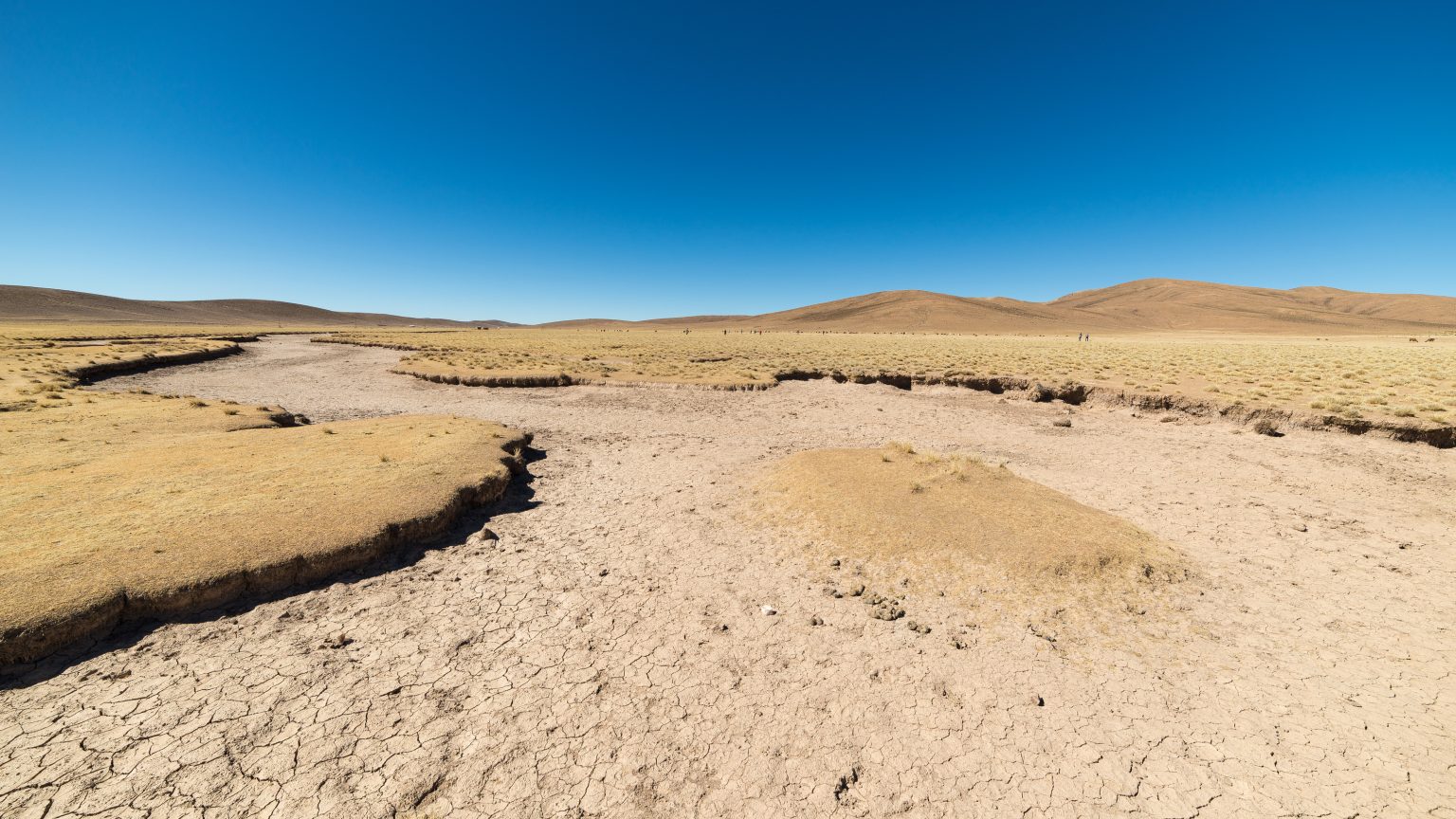
The Lípez Region is one of Bolivia’s most remote high-altitude desert areas. Located in the southern Andes, it is characterized by volcanic peaks, salt flats, mineral-rich lagoons, geothermal fields, and wide open plateaus at elevations of more than 4,000 meters.
- Where Is the Lípez Region Located?
- The Landscape of Lípez: Volcanoes, Salt, and High-Altitude Plateaus
- Best Time to Visit the Lípez Region
- How to Reach the Lípez Desert Region
- Top Places to Visit in the Lípez Region
- Laguna Colorada
- Laguna Verde and Licancabur Volcano
- Uturuncu Volcano
- Valle de las Rocas
- Desert Villages of Lípez
- Wildlife of the High Desert
- Two-Day Lípez Itinerary
- Where to Stay in the Lípez Region
- Cultural and Historical Background
- Practical Travel Tips
- Hidden Gems of Lípez
- Exploring Bolivia’s High-Altitude Desert
The region is divided into Southern Lípez and Northern Lípez, with each area offering different landscapes and attractions. South Lípez is known for its colorful lagoons, geysers, volcanoes, and the Eduardo Avaroa Andean Fauna National Reserve, while North Lípez includes parts of the Salar de Uyuni and extensive volcanic and rocky landscapes.
Because roads are mostly unpaved and distances between attractions are considerable, visiting Lípez requires careful planning and is usually done as part of a guided 4×4 journey.
Where Is the Lípez Region Located?
The Lípez Region lies in southwestern Bolivia, within the Potosí Department, close to the borders with Chile and Argentina. Much of the region lies at elevations between 4,000 and more than 5,000 meters above sea level, making it one of the highest desert environments in South America.
The region can broadly be divided into two areas:
South Lípez (Sud Lípez) contains many of the region’s best-known volcanic landscapes, geothermal areas, and mineral lagoons, including destinations within and around the Eduardo Avaroa Andean Fauna National Reserve.
North Lípez (Nor Lípez) includes the southern part of the Salar de Uyuni and landscapes such as Valle de las Rocas, with broad plains and volcanic rock formations.
Lípez occupies an extensive high plateau between roughly 21°S and 22.5°S, forming an important geographical link between Bolivia’s salt flats and the high Andean desert near Chile and Argentina.
The Landscape of Lípez: Volcanoes, Salt, and High-Altitude Plateaus
The landscape of Lípez has been shaped by volcanic activity, ancient lakes, wind erosion, and mineral deposits. Large salt plains sit alongside colorful lagoons, volcanic mountains, geothermal fields, and rocky valleys.
Several major volcanic peaks dominate the region, including:
- Ollagüe
- Uturuncu
- Licancabur
The Siloli Desert and Valle de las Rocas contain distinctive rock formations shaped by long-term erosion. In other areas, black volcanic ground contrasts with pale salt deposits and mineral-rich lagoons.
The strong sunlight at high altitude also intensifies the contrast between the white salt, colored sediments, dark volcanic rock, and blue sky.
Best Time to Visit the Lípez Region
The best time to travel through Lípez depends on whether you prefer more reliable roads or the reflective landscapes created by seasonal water.
Dry Season: April to October
The dry season generally provides:
- Clearer skies
- More reliable road conditions
- Good visibility for photography
- Cold but generally dry conditions
May to October is particularly popular for multi-day desert circuits.
Wet Season: November to March
The summer rainy season can make some routes more difficult, but it also changes the appearance of the landscape.
During wetter periods:
- Parts of the Salar de Uyuni can develop reflective surfaces.
- Lagoons receive additional water.
- Flamingos may become more concentrated around suitable wetlands.
- Clouds and changing light can create different photographic conditions.
Travel conditions should be checked before departure because heavy rainfall can affect unpaved roads and remote routes.
How to Reach the Lípez Desert Region
There is no extensive public transportation network within the remote areas of Lípez. Most visitors travel by 4×4 vehicle with an experienced driver and guide.
Common starting points include:
- Uyuni, Bolivia
- Tupiza, Bolivia
- San Pedro de Atacama, Chile
From Uyuni, multi-day circuits commonly travel through the high desert and the Eduardo Avaroa National Reserve before returning to Uyuni or continuing toward Chile.
Because roads are largely unpaved and conditions can change quickly, guided 4×4 tours are the most practical option for most visitors.
Top Places to Visit in the Lípez Region
Laguna Colorada
Laguna Colorada is one of the most recognizable landscapes in South Lípez. Its shallow water can appear red, pink, or reddish-brown depending on mineral concentrations, microorganisms, sunlight, and weather conditions.
The lagoon is also an important habitat for Andean flamingos, making it one of the region’s key wildlife sites.
Laguna Verde and Licancabur Volcano
Near the Chilean border, Laguna Verde lies below Licancabur Volcano. Its green and turquoise tones are associated with the lagoon’s mineral content and changing light conditions.
The combination of the lagoon and the snow-covered volcanic peak is one of the most photographed landscapes in the Bolivian highlands.
Uturuncu Volcano
Uturuncu Volcano reaches approximately 6,008 meters and is one of the highest peaks in the region.
Old mining roads provide access to parts of the surrounding highlands, although high-altitude travel requires careful acclimatization and appropriate equipment. The volcano is also studied for signs of geothermal activity beneath the region.
Valle de las Rocas
In North Lípez, Valle de las Rocas contains large volcanic rock formations shaped by erosion.
Some formations have acquired names based on their appearance, including the Condor Rock and other formations that resemble animals or architectural structures. The area is popular with photographers and travelers exploring the high desert by 4×4.
Desert Villages of Lípez
Small settlements such as San Pablo de Lípez, Quetena Chico, and San Cristóbal provide a glimpse into life on the high plateau.
Traditional activities include:
- Llama herding
- Weaving and textile production
- Small-scale agriculture where conditions permit
- Community and Aymara cultural traditions
Some communities also offer homestays or local tourism experiences.
Wildlife of the High Desert
Despite the extreme altitude and limited vegetation, Lípez supports a range of wildlife.
Species found in the wider region include:
- Andean flamingos
- James’s flamingos
- Vicuñas
- Andean foxes
- Vizcachas
- Various high-altitude birds
The mineral lagoons and surrounding wetlands are particularly important for flamingos and other birds adapted to the high Andes.
Visitors should maintain a safe distance from wildlife and avoid feeding or disturbing animals.
Two-Day Lípez Itinerary
A full Lípez experience normally requires more than two days because of the distances involved. For a condensed itinerary, a route could include the following:
Day 1: Southern Lípez
- Depart from Uyuni
- Cross the Siloli Desert
- Visit Laguna Colorada
- Continue to the Sol de Mañana geothermal area
- Stop at the Polques hot springs
- Overnight near the southern lagoons
Day 2: Northern Lípez
- Visit landscapes around Laguna Verde and Licancabur
- Travel through Valle de las Rocas
- Visit a settlement such as San Cristóbal
- Follow high-altitude desert routes toward Uyuni
For a more relaxed journey, extending the itinerary to three or four days is preferable.
Where to Stay in the Lípez Region
Accommodation is limited, particularly in the most remote parts of South Lípez.
Options include:
- Tayka de Piedra Lodge, built using local volcanic stone
- Los Flamencos Eco-Hotel, located near the Laguna Colorada area
- Community guesthouses in settlements along the main desert routes
Facilities can be basic. Travelers should expect limited electricity, simple heating systems, and few services outside the larger accommodations.
Cultural and Historical Background
The Lípez region has long been connected to high-Andean trade and movement. Routes crossing the plateau linked communities in the Andes with areas around the Atacama and neighboring regions.
The wider landscape also contains archaeological evidence, including rock art and ancient routes associated with earlier populations.
Aymara traditions remain important in several communities, including practices connected with Pachamama, the Earth Mother. These cultural traditions continue to influence local ceremonies and relationships with the surrounding landscape.
Practical Travel Tips
Lípez requires more preparation than many lower-altitude desert destinations.
- Best period: May to October for generally more reliable road conditions.
- Vehicle: A 4×4 is essential for most remote routes.
- Altitude: Acclimatize before entering the highest areas.
- Clothing: Bring warm layers because temperatures can drop sharply after sunset.
- Sun protection: Use sunscreen, sunglasses, and lip protection at high altitude.
- Water: Carry sufficient drinking water.
- Connectivity: Mobile phone coverage is limited in many areas.
- Wildlife: Observe animals from a distance.
- Environment: Do not collect rocks, fossils, or other natural materials.
- Guides: Use experienced drivers and guides familiar with high-altitude routes.
Hidden Gems of Lípez
Beyond the major attractions, several less-visited locations can add variety to a Lípez journey:
- Desierto de Dalí, known for isolated rock formations and broad desert views
- Laguna Hedionda, an important habitat for flamingos
- Cerro Tapaquillcha, offering views across the surrounding high plateau
- Quetena Grande, where travelers can experience community-based accommodation
- San Cristóbal, known for its mining history and surrounding desert landscapes
Exploring Bolivia’s High-Altitude Desert
The Lípez Region brings together several of the defining landscapes of Bolivia’s southern highlands: volcanic mountains, mineral lagoons, geothermal fields, salt flats, rocky valleys, and high-altitude wildlife habitats.
Its remote location and extreme elevation make travel more demanding than in many other desert destinations, but they also preserve a landscape with relatively little infrastructure. For visitors prepared for the altitude and long 4×4 journeys, Lípez offers a concentrated view of Bolivia’s volcanic and high-Andean desert environment, extending from the lagoons of South Lípez to the salt flats and rocky landscapes of the north.