
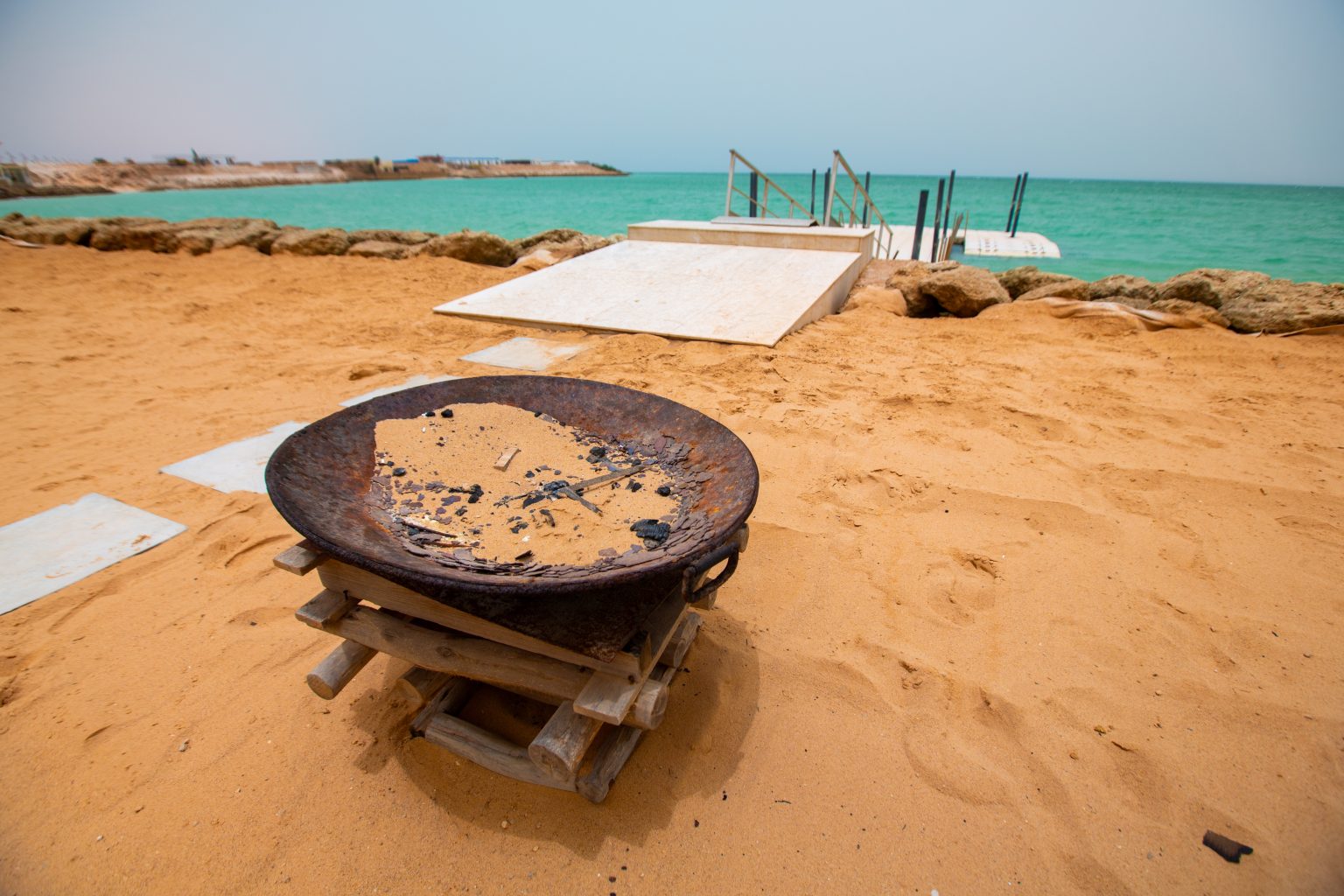
At the far southern edge of Morocco, Dakhla is known for its unusual combination of Sahara landscapes and Atlantic coastline. Golden dunes, rocky shores, shallow lagoons, and open ocean come together across the Dakhla peninsula, creating a landscape that is very different from most desert destinations.
- Where Is Dakhla Located in Morocco?
- Dakhla Landscape: Between Sea, Dunes, and Lagoons
- Climate of the Dakhla Desert
- Wildlife and Plant Life in Dakhla
- Culture and Identity of Dakhla
- Best Things to Do in the Dakhla Desert
- Kitesurfing in Dakhla Lagoon
- Camel Trekking in the Sahara
- Visit the White Dune
- Explore Dragon Island
- Relax at Asnaa Thermal Springs
- 4×4 Desert Adventures
- 2-Day Dakhla Desert Itinerary
- Where to Stay in Dakhla
- Practical Travel Tips for Dakhla
- Hidden Places Around Dakhla
- Dakhla Desert: Where the Sahara Meets the Atlantic
The area is particularly known for Dakhla Lagoon, where steady Atlantic winds and calm, shallow water have made the region a major destination for kitesurfing and other water sports.
For travelers, Dakhla offers the opportunity to combine desert exploration, coastal activities, wildlife, and Sahrawi culture in the same trip.
Where Is Dakhla Located in Morocco?
Dakhla lies on a narrow peninsula in southern Morocco, extending into the Atlantic Ocean, near the Western Sahara region.
- Geographic coordinates: 23.7°N, 15.9°W
- Elevation: approximately 10 meters above sea level
Distances
- 1,200 km south of Marrakech
- 530 km from Laayoune
- 350 km north of the Mauritanian border
With the Atlantic to the west and Saharan landscapes to the east, Dakhla occupies a distinctive position between the desert and the ocean.
Dakhla Landscape: Between Sea, Dunes, and Lagoons
Dakhla’s landscape is defined by the close proximity of desert and coastal environments.
- Golden dunes extending toward the lagoon and coastline
- Rocky Atlantic shores facing the open ocean
- Salt flats and sparse vegetation inland
- Beaches stretching along large sections of the peninsula
At the heart of the region lies Dakhla Lagoon, a shallow, sheltered body of water surrounded by desert. Its calm conditions and consistent winds are among the main reasons the lagoon has become internationally known for water sports.
Climate of the Dakhla Desert
Unlike many inland areas of the Sahara, Dakhla’s desert climate is moderated by the Atlantic Ocean and its persistent winds.
- Annual rainfall: less than 50 mm
- Summer temperatures: 25–28°C
- Winter temperatures: 17–20°C
The relatively mild temperatures allow visitors to explore Dakhla throughout the year. Desert excursions, camel rides, wildlife watching, and water sports can all be combined during the same visit.
Wildlife and Plant Life in Dakhla
Life in Dakhla has adapted to both dry desert conditions and saline coastal environments.
Plants
- Halophytic plants adapted to saline soil
- Palm trees and tamarisks near lagoons and oases
- Sparse Saharan grasses in the dunes
Animals
- Flamingos, pelicans, and herons around the lagoon
- Fennec foxes and jerboas in desert areas
- Dolphins and other marine species offshore
Dakhla is also an important migratory bird stopover between Europe and Africa, particularly around its lagoon and coastal wetlands.
Culture and Identity of Dakhla
Dakhla reflects a mixture of Sahrawi, Amazigh, and Sub-Saharan cultural influences.
Nomadic Heritage
Many Sahrawi families continue to preserve traditions associated with desert life, including camel herding, tent-making, and seasonal movement across arid regions.
Hospitality and Tea Rituals
Tea is an important part of social life and is traditionally served in three rounds:
- The first is bitter like life
- The second is sweet like love
- The third is gentle like rest
This tea ritual is closely associated with hospitality and social gatherings across Sahrawi and wider Moroccan culture.
Modern Coastal Life
Alongside these traditions, Dakhla has developed into a coastal tourism destination with surf schools, eco-lodges, restaurants, and local markets selling dates, spices, textiles, and other regional products.
Best Things to Do in the Dakhla Desert
Kitesurfing in Dakhla Lagoon
With steady winds and shallow water, Dakhla Lagoon is considered one of the top kitesurfing destinations in the world. Its conditions attract both beginners and experienced riders, with schools and specialized camps offering lessons and equipment.
Camel Trekking in the Sahara
Desert excursions east of the lagoon offer camel rides across open dunes and coastal desert areas. Sunset treks are particularly popular for photography and enjoying the cooler evening conditions.
Visit the White Dune
A distinctive white sand dune rises from the lagoon and has become one of Dakhla’s best-known natural landmarks. Depending on tides and water levels, the surrounding landscape can change significantly throughout the day.
Explore Dragon Island
This rocky formation can be reached by boat and, under suitable tidal conditions, explored on foot. It offers views across the lagoon and surrounding Atlantic coastline.
Relax at Asnaa Thermal Springs
South of Dakhla, Asnaa hot springs are known for their warm mineral-rich waters and remote desert setting.
4×4 Desert Adventures
Guided off-road tours cross cliffs, salt flats, dunes, and open desert terrain, allowing visitors to experience the different landscapes surrounding Dakhla.
2-Day Dakhla Desert Itinerary
Day 1: Lagoon and Coastal Activities
Morning: Explore Dakhla town and the lagoon
Afternoon: Kitesurfing, lagoon walks, or birdwatching
Evening: Beach barbecue and stargazing at an eco-lodge
Day 2: Desert and Coastal Landscapes
Morning: 4×4 trip to Dragon Island and White Dune
Afternoon: Camel ride and visit to Asnaa hot springs
Evening: Tea at sunset with traditional music
Where to Stay in Dakhla
Luxury Eco-Lodges
Dakhla Attitude, Ocean Vagabond, Westpoint Dakhla, PK25
Mid-Range & Boutique
Lagon Energy, Dakhla Club Hotel & Spa
Desert Camps
Sahara Spirit Camp, Dune Blanche Oasis
Accommodation ranges from specialized kitesurfing camps and eco-lodges to more conventional hotels, giving visitors several ways to experience the lagoon and surrounding desert.
Practical Travel Tips for Dakhla
- Best time to visit: all year
- Access: daily flights from Casablanca, Agadir, and Marrakech
- Currency: Moroccan dirham (MAD)
- Bring: windproof jacket, sunglasses, and camera
- Languages: Arabic, French, Hassaniya Arabic
Hidden Places Around Dakhla
- La Dune Blanche, a white dune surrounded by the lagoon
- Puerto Rico Beach, a remote coastal destination
- Asnaa Hot Springs, a natural thermal site in the desert
- Sahrawi villages offering opportunities to learn about local traditions and desert life
Dakhla Desert: Where the Sahara Meets the Atlantic
Dakhla stands out for the way its desert and coastal environments come together within a relatively small area. Visitors can move from dunes and salt flats to a sheltered lagoon and open Atlantic beaches without leaving the peninsula.
The combination of kitesurfing, camel trekking, wildlife watching, 4×4 excursions, thermal springs, and Sahrawi cultural experiences makes Dakhla more than a traditional desert destination.
For travelers looking for a place where desert landscapes and Atlantic activities can be combined in the same journey, Dakhla offers a distinctive experience at the southern edge of Morocco.