
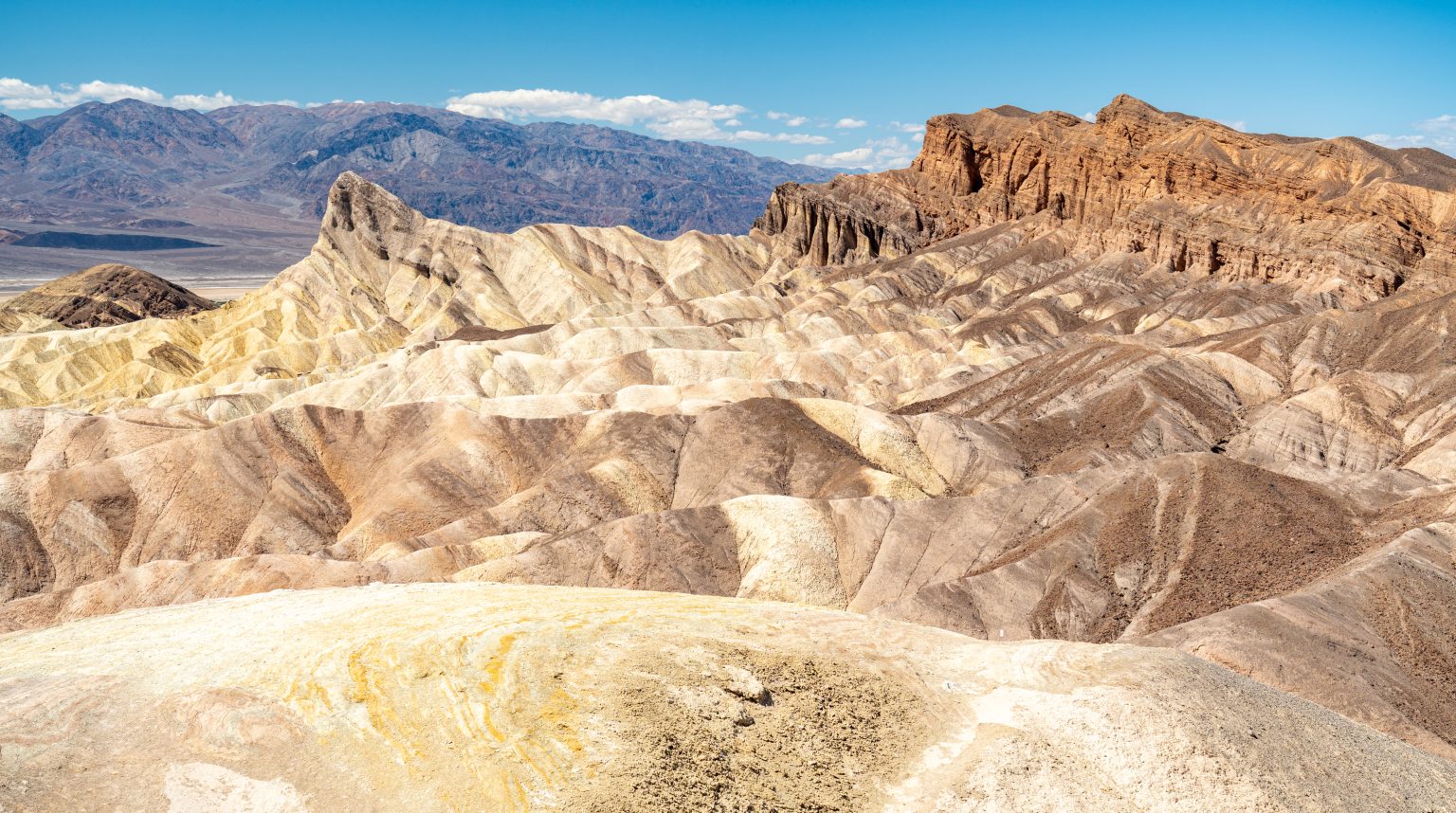
The Great Basin Desert stretches across the American West, mainly across Nevada and western Utah, with parts extending into neighboring states. Unlike the sandy deserts of the Southwest, it is a high desert characterized by mountain ranges, broad valleys, sagebrush plains, dry lakebeds, and salt flats.
- Where Is the Great Basin Desert Located?
- The Great Basin Landscape: Mountains, Valleys, and Salt Flats
- Climate of the Great Basin High Desert
- Plants of the Great Basin Desert
- Wildlife of the Great Basin Desert
- Cultural History of the Great Basin
- Best Places to Visit in the Great Basin Desert
- Two-Day Great Basin Desert Itinerary
- Where to Stay in the Great Basin
- Practical Travel Tips
- Hidden Gems of the Great Basin Desert
- Exploring America’s High Desert
Its landscape is shaped by a series of enclosed basins separated by rugged mountains. Rivers and streams generally drain into these internal basins rather than reaching the ocean, creating a distinctive combination of valleys, playas, springs, and salt flats.
The Great Basin Desert is also known for its high elevations, cold winters, diverse wildlife, ancient bristlecone pines, and some of the darkest night skies in the United States.
Where Is the Great Basin Desert Located?
The Great Basin Desert covers large portions of Nevada and western Utah, with extensions into southern Oregon, southern Idaho, and eastern California.
Its approximate center lies near 39°N, 115°W, covering nearly 190,000 square miles (492,000 km²). Elevations range from 1,200 to over 3,000 meters, making it one of the highest deserts in North America.
The Sierra Nevada Mountains form its western boundary, while the Wasatch Range rises to the east. To the north lies the Columbia Plateau, and to the south, the Mojave Desert.
What distinguishes the Great Basin is its internal drainage system. Many rivers and streams flow into closed basins, ending in salt flats, playas, or dry lakes instead of reaching the ocean.
The Great Basin Landscape: Mountains, Valleys, and Salt Flats
The Great Basin landscape is dominated by long mountain ranges separated by wide valleys. Many of these ranges rise sharply from the surrounding plains, creating a distinctive pattern that extends across much of Nevada and western Utah.
Valleys are often covered with sagebrush, while higher elevations support pinyon pine, juniper, and other mountain vegetation.
Dry lakebeds and salt flats occur in several of the closed basins. During wetter periods, temporary water can collect in these low areas, while snowmelt from the mountains feeds springs and streams.
The combination of mountain ranges, desert valleys, and high-elevation terrain gives the Great Basin a character very different from the hotter deserts farther south.
Climate of the Great Basin High Desert
Unlike hotter southern deserts, the Great Basin Desert climate is strongly influenced by elevation.
Annual precipitation ranges between 150 and 300 millimeters, much of it falling as snow at higher elevations. Summer temperatures average between 25 and 35°C, while winter nights can drop below -15°C. Snow can remain on mountain ranges well into spring.
The best time to visit the Great Basin is generally from May to October, when many roads and high-elevation areas are accessible and conditions are more stable.
The region is also affected by the Sierra Nevada rain shadow, which limits the amount of Pacific moisture reaching the Great Basin.
Plants of the Great Basin Desert
The Great Basin Desert vegetation is adapted to dry conditions, cold winters, and large changes in elevation.
Big sagebrush (Artemisia tridentata) is one of the region’s most characteristic plants and covers large areas of the valleys. Pinyon pine and juniper forests grow at higher elevations, providing food and shelter for many species.
In spring, wildflowers such as Indian paintbrush, phlox, and desert marigold can appear across suitable areas. Bunchgrasses also grow across parts of the plains and foothills.
Wildlife of the Great Basin Desert
The Great Basin supports a wide range of mammals, birds, reptiles, and other species.
Pronghorn antelope and mule deer move across open valleys, while coyotes, jackrabbits, and badgers are found across different desert habitats. Bighorn sheep inhabit rocky mountain slopes, and golden eagles can often be seen above the higher ranges.
Each spring, sage grouse gather in traditional breeding areas where males perform distinctive courtship displays. Reptiles and amphibians become more active during suitable weather conditions, particularly after rainfall.
Cultural History of the Great Basin
For thousands of years, Northern Paiute, Shoshone, and Goshute peoples lived throughout the Great Basin, adapting their seasonal activities to local water sources, plants, and wildlife.
They harvested resources such as pine nuts and hunted a range of animals, developing detailed knowledge of the region’s varied environments.
Later exploration, mining, transportation, and settlement left additional traces across the landscape, including ghost towns, wagon routes, mining sites, and charcoal ovens.
Today, the Great Basin contains several layers of cultural history, from Indigenous traditions to the remains of nineteenth-century mining communities.
Best Places to Visit in the Great Basin Desert
- Great Basin National Park (Nevada): Home to Wheeler Peak, ancient bristlecone pines, alpine lakes, and Lehman Caves, as well as some of the darkest night skies in the United States.
- Bonneville Salt Flats (Utah): Vast white salt plains formed from the remains of ancient Lake Bonneville.
- Black Rock Desert (Nevada): A large playa best known for hosting Burning Man each year.
- Ruby Mountains: A dramatic mountain range often called the “Swiss Alps of Nevada.”
- Antelope Island State Park: Known for its bison population and views across the Great Salt Lake.
Two-Day Great Basin Desert Itinerary
Day 1
Morning hike toward Wheeler Peak in Great Basin National Park. Afternoon exploration of Lehman Caves. Evening stargazing in the park.
Day 2
Sunrise visit to the Bonneville Salt Flats, followed by wildlife viewing at Antelope Island. Continue through the surrounding high desert before spending the evening at a suitable campsite or accommodation.
Where to Stay in the Great Basin
Baker, Nevada offers accommodation close to Great Basin National Park. Wendover, Utah provides convenient access to the Bonneville Salt Flats, while Elko, Nevada is a useful base for exploring the Ruby Mountains.
Camping inside or near Great Basin National Park provides the opportunity to experience the high desert after dark, when temperatures can fall considerably.
Practical Travel Tips
The best season is May to October, although conditions vary considerably with elevation.
Access to many areas is mainly by road, including U.S. Route 50, known as The Loneliest Road in America. Carry extra water, fuel, and warm clothing throughout the year.
Cell service can be limited in remote areas, and wildlife may cross roads, particularly around dawn, dusk, and at night. Always follow Leave No Trace principles and check road and weather conditions before entering remote areas.
Hidden Gems of the Great Basin Desert
- Bristlecone Pine Forest, home to some of the oldest individual trees known on Earth
- Fish Springs National Wildlife Refuge, a wetland habitat surrounded by desert
- Ward Charcoal Ovens, preserved stone structures connected to the region’s mining history
- Pyramid Lake, an important cultural and natural site for the Paiute people
Exploring America’s High Desert
The Great Basin Desert offers a very different desert experience from the sandy landscapes more commonly associated with the American Southwest. Its identity comes from the combination of high-elevation valleys, mountain ranges, sagebrush plains, salt flats, cold winters, and diverse wildlife.
A journey through the region can include Great Basin National Park, Wheeler Peak, Lehman Caves, Bonneville Salt Flats, the Ruby Mountains, and the Great Salt Lake, with each destination showing a different part of the Great Basin environment.
For travelers looking beyond the major desert landscapes of Arizona and southern California, the Great Basin provides an opportunity to explore a colder and higher desert shaped by mountains, internal drainage, seasonal snow, and some of the clearest night skies in the American West.