
American Deserts: Wildlife, Cacti, and Southwest Landscapes
The American deserts cover a remarkable range of landscapes, from the saguaro forests of Arizona to the red-rock canyons of Utah, the salt flats of Death Valley, and the rugged terrain of the Mojave and Great Basin. Each desert has its own climate, geology, vegetation, and wildlife.
- The Main Deserts of the United States
- Sonoran Desert: Home of the Giant Saguaro
- Mojave Desert: Home of the Joshua Tree
- Great Basin Desert: A High and Cold Desert
- Chihuahuan Desert: Plains, Dunes, and Limestone Landscapes
- Animals That Live in the American Desert
- Desert Plants of the American Southwest
- Top Desert Spots in the United States for Wildlife and Nature
- Joshua Tree National Park
- Death Valley National Park
- Saguaro National Park
- Big Bend National Park
- Arches and Canyonlands National Parks
- White Sands National Park
- Things to Do in the American Desert
- Hiking Through Canyons and Dunes
- Camping and Stargazing
- Wildlife Watching
- Scenic Desert Drives
- Desert Photography
- What the Weather Is Like and When to Go
- How to Stay Safe While Traveling Through the American Desert
- American Deserts: Diverse Landscapes and Wildlife
Despite the harsh conditions, desert wildlife in the USA includes roadrunners, bighorn sheep, coyotes, bobcats, tortoises, lizards, and many other species. Native American cultures, ancient rock art, historic routes, and protected natural areas also add an important human dimension to these Southwest desert landscapes.
The Main Deserts of the United States
Sonoran Desert: Home of the Giant Saguaro
The Sonoran Desert covers parts of Arizona and California in the United States and extends into northwestern Mexico. It is one of North America’s most biologically diverse deserts and is famous for the saguaro cactus.
Saguaros can reach around 12 meters in height and provide food, shelter, and nesting sites for numerous desert animals.
The Sonoran landscape includes:
- Saguaro cactus forests
- Rugged mountain ranges
- Rocky valleys
- Sandy areas
- Seasonal washes
- Desert grasslands and shrubs
Seasonal rainfall can temporarily increase plant growth and wildlife activity.
Mojave Desert: Home of the Joshua Tree
The Mojave Desert covers parts of California, Nevada, Arizona, and Utah. It is known for Joshua trees, dry lakebeds, rocky mountains, sand dunes, and isolated springs.
Joshua Tree National Park protects one of the region’s best-known landscapes, while Death Valley contains some of the Mojave’s most extreme terrain.
Death Valley’s Badwater Basin is the lowest point in North America, lying well below sea level.
Great Basin Desert: A High and Cold Desert
The Great Basin is a high-elevation desert covering much of Nevada and parts of Utah, Oregon, California, and Idaho.
Unlike the hotter deserts farther south, the Great Basin experiences cold winters and significant temperature changes between seasons.
Its landscapes include:
- Sagebrush plains
- Mountain ranges
- Broad valleys
- Salt flats and dry lakebeds
- High-elevation desert vegetation
Chihuahuan Desert: Plains, Dunes, and Limestone Landscapes
The Chihuahuan Desert extends across parts of Texas, New Mexico, and northern Mexico. It is characterized by broad plains, limestone mountains, grasslands, desert shrubs, and isolated dune systems.
White Sands National Park in New Mexico is one of its most distinctive destinations. Its bright gypsum dunes create a landscape that looks very different from the rocky and sandy deserts found elsewhere in the Southwest.
Animals That Live in the American Desert
The deserts of the United States support a wide range of mammals adapted to heat, limited water, and seasonal food supplies.
Desert Mammals
Common and notable mammals include:
- Coyotes, highly adaptable predators found across many desert habitats.
- Bobcats, which hunt rabbits, rodents, birds, and other small animals.
- Desert bighorn sheep, well adapted to steep rocky terrain.
- Javelinas, also known as collared peccaries, which live in social groups and feed on plants, roots, fruits, and other food.
- Kangaroo rats, which can survive with very little direct drinking water.
- Jackrabbits, whose large ears help release heat and regulate body temperature.
- Pronghorns, particularly in open high-desert and grassland areas.
- Mule deer, which often use desert mountain slopes, canyons, and areas with more vegetation.
Pumas also occur in many desert mountain regions, although they are elusive and rarely seen. In some areas, visitors may encounter desert-adapted foxes and other smaller predators.
Most desert mammals are more active during the cooler parts of the day, especially during summer.
Birds of the American Desert
The American Southwest supports a large variety of resident and migratory birds.
Notable species include:
- Greater roadrunners
- Common ravens
- Red-tailed hawks
- Golden eagles
- Cactus wrens
- Gila woodpeckers
- Burrowing owls
- Hummingbirds
- Warblers
Roadrunners spend much of their time on the ground, where they hunt insects, lizards, and small animals. Cactus wrens and Gila woodpeckers are strongly associated with Sonoran Desert vegetation.
Wetlands, springs, rivers, and desert oases can attract migratory birds during spring and fall.
Reptiles of the American Desert
The deserts of the United States are home to numerous reptiles, many of which are especially active during warmer parts of the day or after sunset.
Species include:
- Gila monsters
- Desert tortoises
- Horned lizards
- Western diamondback rattlesnakes
- Mojave rattlesnakes
- Sidewinders
- Geckos
- Skinks
The Gila monster is one of the world’s few venomous lizards. Desert tortoises are also well known for their long lifespans and ability to survive in extremely dry environments.
Visitors should never attempt to handle wild reptiles, particularly venomous species.
Desert Plants of the American Southwest
Desert vegetation varies considerably between the Sonoran, Mojave, Great Basin, and Chihuahuan deserts.
Saguaro Cactus
The saguaro is one of the defining plants of the Sonoran Desert. It grows slowly and stores large amounts of water in its tissues.
Its flowers and fruit provide food for wildlife, while its tall structure offers nesting sites for birds such as Gila woodpeckers and cactus wrens.
Joshua Trees
Joshua trees are one of the most recognizable plants of the Mojave Desert. Their distinctive branches provide habitat and food resources for a range of desert species.
They are especially associated with the higher and cooler parts of the Mojave.
Creosote Bush
Creosote bush is one of the most widespread shrubs in the deserts of the American Southwest. It is highly drought tolerant and can survive for long periods with very little rainfall.
Mesquite Trees
Mesquite trees grow around washes, groundwater sources, and other areas where moisture is more available. Their shade and pods provide important resources for wildlife.
Agave, Yucca, and Desert Wildflowers
Agave and yucca species are adapted to dry soils and intense sunlight. After seasonal rainfall, desert wildflowers can appear across some areas, creating short-lived displays of color.
These plants demonstrate how desert vegetation can survive through water storage, deep or extensive roots, reduced leaf surfaces, and other adaptations.
Top Desert Spots in the United States for Wildlife and Nature
Joshua Tree National Park
Joshua Tree National Park combines Joshua tree woodland, rocky formations, desert vegetation, and diverse wildlife. Visitors can explore hiking trails, scenic drives, and excellent areas for photography and stargazing.
Death Valley National Park
Death Valley contains salt flats, sand dunes, mountain ranges, canyons, and extremely hot desert conditions. It is also home to specially adapted species such as the Death Valley pupfish.
Saguaro National Park
Located around Tucson, Arizona, Saguaro National Park protects extensive stands of giant saguaro cacti along with desert mountains, birds, reptiles, and mammals.
Big Bend National Park
Big Bend in Texas combines Chihuahuan Desert landscapes with mountains and the Rio Grande. More than 300 bird species have been recorded in the park, making it particularly attractive to birdwatchers.
Arches and Canyonlands National Parks
These Utah parks showcase red-rock formations, canyons, mesas, and desert rivers. Their surrounding landscapes also support reptiles, birds, mammals, and drought-adapted plants.
White Sands National Park
White Sands protects a large field of bright gypsum dunes in New Mexico. The unusual environment supports specialized plants and animals adapted to the shifting sands.
Things to Do in the American Desert
Hiking Through Canyons and Dunes
Desert trails range from short walks through cactus landscapes to challenging routes through canyons and mountain terrain. Early morning and late afternoon are generally more comfortable during warmer seasons.
Camping and Stargazing
Many desert areas have dark skies and low levels of artificial light. National parks and designated campgrounds can provide excellent opportunities for stargazing when weather conditions are clear.
Wildlife Watching
Guided excursions can improve the chances of finding desert bighorn sheep, coyotes, foxes, reptiles, birds of prey, and other wildlife.
Wild animals are most active at different times of day, so early morning and evening can be particularly productive.
Scenic Desert Drives
Road trips through national parks and protected desert areas offer access to viewpoints, geological formations, cactus landscapes, and remote valleys.
Desert Photography
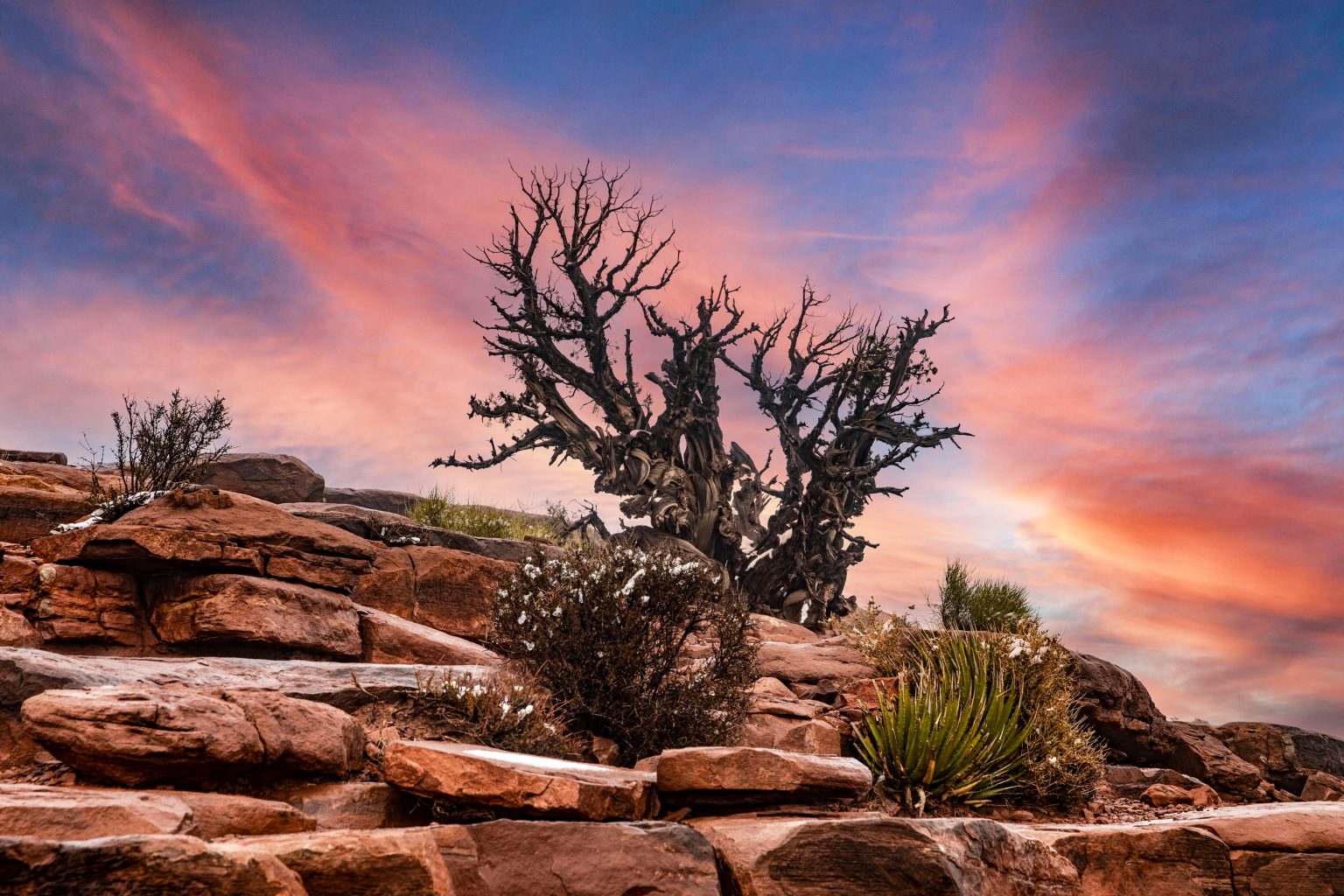
The American Southwest provides numerous photography opportunities. Sunrise at Monument Valley, sunset among the Joshua trees, and changing light across Utah’s red-rock landscapes are particularly popular.
What the Weather Is Like and When to Go
The best time to visit depends on the specific desert, but spring and fall are generally comfortable periods for many destinations.
- Spring: March to May brings moderate temperatures and, in some areas, seasonal wildflowers.
- Fall: September to November offers cooler conditions after the summer heat.
- Summer: Temperatures can exceed 45°C in parts of Death Valley and other low-elevation deserts.
- Winter: Higher desert areas and mountain regions can become very cold, particularly at night.
Rainfall is limited but can produce sudden changes in vegetation and wildlife activity. In some areas, summer thunderstorms can also create dangerous flash floods.
How to Stay Safe While Traveling Through the American Desert
Desert conditions can become dangerous quickly, particularly during summer.
- Carry at least 3 to 4 liters of water per person for day trips, and more when conditions or routes require it.
- Avoid strenuous hiking during the hottest part of the day.
- Wear protective clothing, a hat, and suitable footwear.
- Use sunscreen and sunglasses.
- Watch for flash floods in canyons and dry washes.
- Keep a safe distance from wildlife.
- Do not handle snakes, lizards, or other wild animals.
- Carry offline maps because mobile coverage can be limited.
- Tell someone your planned route before traveling into remote areas.
- Check weather, road, and trail conditions before departure.
Remote desert travel requires more preparation than the scenery might suggest. Heat, long distances, limited services, and rapidly changing weather can all create serious problems.
American Deserts: Diverse Landscapes and Wildlife
The deserts of the United States are far more varied than a single landscape of sand and heat. The Sonoran Desert is known for its giant saguaros, the Mojave for its Joshua trees and dry valleys, the Great Basin for its high and cold terrain, and the Chihuahuan Desert for its broad plains, mountains, and gypsum dunes.
These environments support an equally varied range of wildlife, from desert tortoises and roadrunners to bighorn sheep, coyotes, pumas, and numerous reptiles and birds. Native American cultural traditions, ancient rock art, historic routes, and protected landscapes add another important dimension to the region.
For travelers, the American deserts offer hiking, wildlife watching, scenic drives, camping, photography, and some of the best stargazing conditions in the country. Their diversity is what makes the desert Southwest such a distinctive part of the United States.