
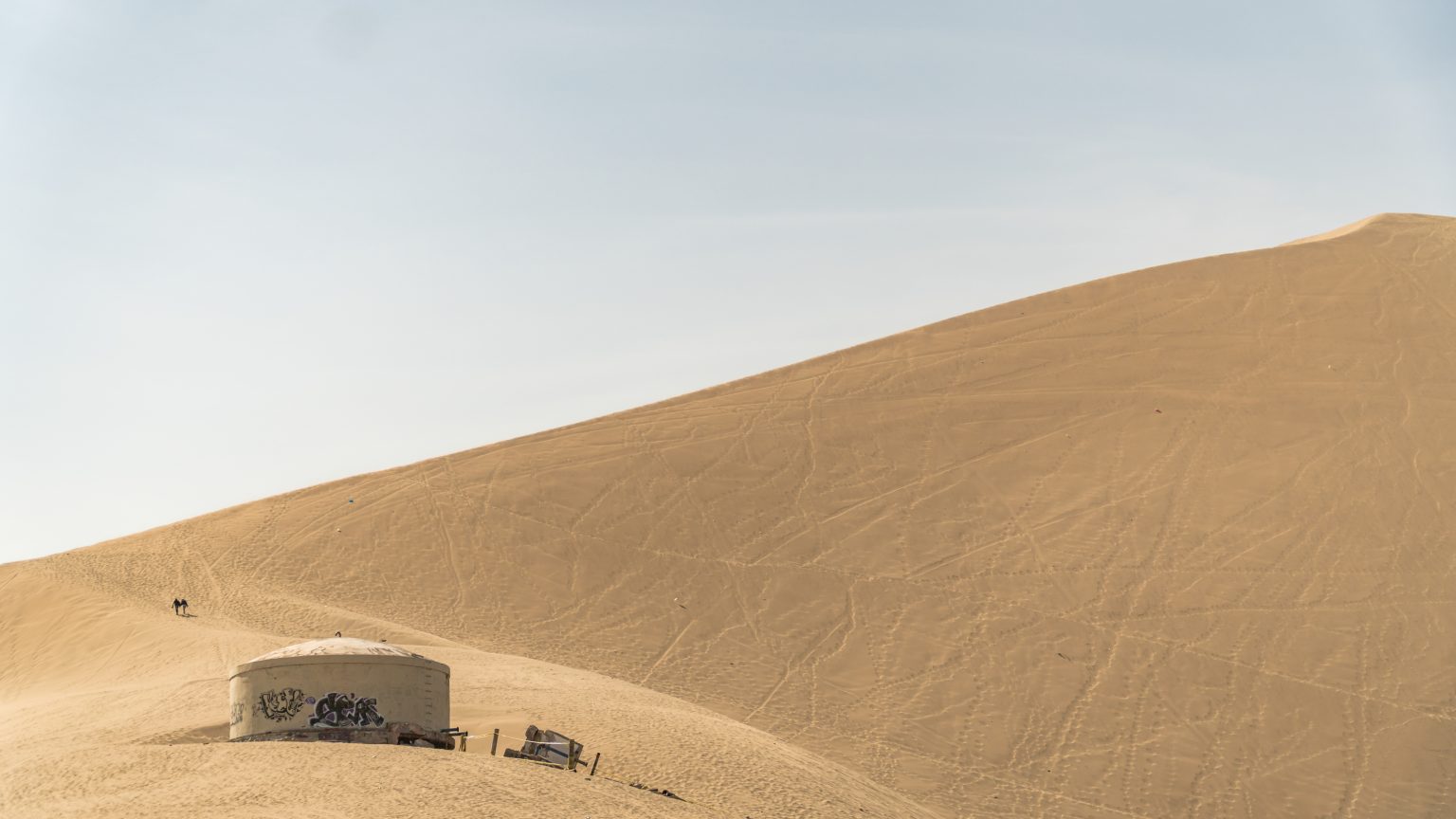
The Nazca Desert offers a striking setting for an overnight outdoor adventure, with wide sandy landscapes, rocky hills, and clear horizons far from the lights of major cities. As evening approaches, temperatures fall and the desert takes on a quieter atmosphere, making the night an opportunity to enjoy the landscape at a slower pace.
- Why Camp in the Peruvian Desert?
- Best Places for Desert Camping in Peru
- The Nazca Desert and Its Archaeological Heritage
- Cerro Blanco: A Demanding Dune Expedition
- Ica Desert and the Huacachina Oasis
- Paracas National Reserve: Desert Scenery by the Ocean
- Las Trancas Canyon and the Nazca Region
- What You Need for Desert Camping in Peru
- Best Time for Desert Camping in Peru
- A Two-Day Desert Camping Itinerary in Peru
- Experiences to Combine with Desert Camping
- Responsible Camping in the Peruvian Desert
- Prepare for a Memorable Night in Peru’s Desert
For travelers interested in desert camping in Peru, the region around Nazca and Ica offers several possibilities, from guided expeditions to Cerro Blanco to more accessible stays near Huacachina. Along the coast, the Paracas National Reserve provides a different experience, combining arid landscapes with ocean views and designated camping areas.
A successful Peruvian desert camping trip requires more than a tent and a sleeping bag. Choosing an authorized campsite, preparing for cool nights, and arranging suitable transport are important, particularly in remote areas where facilities and services are limited.
Why Camp in the Peruvian Desert?
Peru’s coastal desert combines extensive dry landscapes with archaeological sites, distinctive geology, and communities whose history is closely connected to the region. Camping allows travelers to spend more time outdoors, although the experience varies considerably between inland dunes and coastal reserves.
Reasons to consider a desert camping trip include:
- Stargazing: Areas away from urban lighting can offer excellent night-sky viewing when the weather is clear.
- Diverse landscapes: Explore sandy dunes, rocky valleys, dry plains, and coastal scenery.
- Archaeological heritage: Visit sites associated with the Nazca and other ancient cultures through authorized tours.
- Outdoor activities: Combine an overnight stay with hiking, sandboarding, or guided desert excursions.
- Different camping environments: Choose between a remote guided expedition, an established campsite, or accommodation near a desert attraction.
Conditions are not identical throughout the year. Coastal fog, wind, daytime heat, and cold nights can all influence the experience. It is worth checking the local forecast and confirming what facilities are available before booking.
Best Places for Desert Camping in Peru
The Nazca Desert and Its Archaeological Heritage
The area around Nazca is known for the Nazca Lines, the Cantalloc Aqueducts, and the archaeological complex of Cahuachi. These attractions make the region particularly appealing to travelers interested in combining desert landscapes with history.
Possible experiences include:
- Visiting the Cantalloc Aqueducts with a local guide.
- Exploring Cahuachi through an authorized archaeological tour.
- Booking an overnight desert excursion with an operator that provides a designated campsite.
- Stargazing away from artificial lighting when visibility is good.
Camping should not be arranged directly on archaeological geoglyphs or in restricted heritage areas. The Nazca Lines are protected cultural features, and visitors should remain within authorized viewing and access areas.
For an overnight stay, confirm the precise campsite location, transport arrangements, and any required permissions with a reputable local operator. Do not assume that every open stretch of desert is available for independent camping.
Cerro Blanco: A Demanding Dune Expedition
Cerro Blanco, near Nazca, is famous for its immense sand dune and challenging sandboarding excursions. It rises to approximately 2,000 metres above sea level, making it a distinctive feature of the surrounding desert landscape.
Some specialist operators offer multi-day trekking and camping expeditions in the Cerro Blanco area. These trips require considerably more preparation than an ordinary campsite stay.
Highlights may include:
- A guided trek through rocky and sandy terrain.
- Panoramic views across the Nazca Valley and surrounding landscape.
- An overnight camp arranged as part of an organized expedition.
- Sandboarding on suitable slopes, subject to the itinerary and conditions.
Important considerations:
- The approach involves strenuous walking, often over loose sand.
- Daytime temperatures can be demanding, so operators commonly schedule the ascent early.
- Carry sufficient drinking water, sun protection, and suitable footwear.
- Confirm whether tents, sleeping equipment, meals, and transport are included.
- Ask about the difficulty level and any physical fitness requirements before booking.
Cerro Blanco is not a casual roadside campsite. Choose an experienced operator and follow the planned route rather than attempting an independent overnight expedition without the necessary equipment and local knowledge.
Ica Desert and the Huacachina Oasis
The Ica region is one of Peru’s most accessible destinations for experiencing large sand dunes. Huacachina, a small oasis surrounded by dunes near the city of Ica, is a convenient base for visitors interested in sandboarding and organized desert excursions.
Experiences available in the wider area include:
- Guided sandboarding on suitable dunes.
- Dune buggy excursions with established operators.
- Visits to the Huacachina oasis and its surrounding viewpoints.
- Wine and pisco tastings at participating producers in the Ica region.
- Overnight stays at accommodation or camps that explicitly offer camping.
Huacachina is a practical option for first-time visitors because services and accommodation are close at hand. However, not every hotel or tour provider offers overnight camping on the dunes.
If sleeping outdoors is the main objective, confirm that the package includes a genuine campsite rather than a hotel stay followed by a short sunset excursion. Independent camping on the dunes should only be undertaken where permitted and with appropriate preparation.
Paracas National Reserve: Desert Scenery by the Ocean
The Paracas National Reserve offers a different type of desert experience. Here, dry coastal landscapes meet the Pacific Ocean, with beaches, cliffs, marine habitats, and viewpoints forming part of the reserve’s protected environment.
The reserve provides designated camping facilities in specific locations, including the area near the Interpretation Center and the Lagunillas control point. Camping arrangements and access rules should be confirmed with the reserve before arrival.
Possible highlights include:
- Exploring approved visitor routes and coastal viewpoints.
- Visiting Playa Roja and other recognized scenic locations.
- Watching seabirds and other wildlife from permitted viewing areas.
- Enjoying the contrast between the desert landscape and the Pacific coastline.
- Staying overnight at an authorized camping area when available.
Do not assume that camping is allowed directly on every beach or viewpoint. Access, overnight stays, and permitted activities vary by location and may be subject to seasonal rules or conservation measures.
Travelers who prefer not to camp can stay in nearby Paracas or Pisco and visit the reserve during the day.
Las Trancas Canyon and the Nazca Region
The wider Nazca region includes dry valleys and rocky landscapes that may appeal to hikers and photographers. Las Trancas and its surroundings can be considered for a regional excursion, but campsite availability and access should be verified locally.
Before including this area in a camping itinerary:
- Confirm whether overnight camping is permitted at the intended location.
- Ask a local guide about access routes and current conditions.
- Verify the location and accessibility of any archaeological or rock-art sites.
- Carry enough water and supplies for the planned duration.
- Avoid entering private land or protected sites without permission.
A canyon or remote valley should not automatically be treated as a suitable campsite simply because it offers shelter from the wind. Local guidance is particularly important where tracks are poorly marked or services are unavailable.
What You Need for Desert Camping in Peru
Packing for the Peruvian desert means preparing for sunny days, possible wind, and temperatures that can drop after sunset. Your equipment should reflect the season, altitude, length of the trip, and facilities at the campsite.
Essential Camping Gear
- A suitable tent: Choose a model that can be secured against wind and is appropriate for the expected conditions.
- A sleeping bag: Select one with a comfort rating suited to the forecast overnight temperature.
- A sleeping mat: Insulation between your body and the ground can make a significant difference on cold nights.
- A headlamp or flashlight: Bring spare batteries or a reliable rechargeable power source.
- Drinking water: Carry enough for drinking, cooking, and the planned activities, with extra capacity for hot or remote conditions.
- Cooking equipment: Use a suitable camping stove where cooking facilities are not provided.
- Warm layers: Bring a fleece, jacket, and long trousers for the evening.
- Sun protection: Pack sunscreen, sunglasses, a hat, and lightweight clothing that covers your skin.
- Navigation and communication: For remote trips, arrange suitable navigation equipment and a way to contact your guide or emergency services.
Useful Extras
- A power bank or spare batteries.
- A small first-aid kit.
- Snacks and food appropriate for the length of the trip.
- Binoculars for observing wildlife from a distance.
- A camera or tripod for night photography.
- Rubbish bags to carry waste out of the desert.
Water needs depend on the weather, physical effort, and availability of resupply. Do not rely on a single fixed daily quantity for every trip. Ask the operator how much water is provided and bring additional supplies when advised, especially for strenuous hikes such as Cerro Blanco.
Best Time for Desert Camping in Peru
The Peruvian coastal desert is dry for much of the year, but temperatures, wind, and cloud cover vary between destinations. Conditions around Nazca and Ica can also differ from those along the Pacific coast.
- April to May: Conditions inland are often suitable for outdoor activities, although temperatures and cloud cover vary.
- June to September: Nights can be cold, and coastal fog is more common in parts of Peru’s coast. Inland conditions may still be favorable for some excursions.
- October to November: Temperatures generally begin to rise, making early starts useful for strenuous outdoor activities.
- December to March: Inland daytime heat can be intense. Coastal conditions differ, so check the forecast for the exact destination.
There is no single best period for every Peruvian desert campsite. For a Cerro Blanco expedition, prioritize a forecast suitable for hiking and follow the operator’s recommended departure time. For Paracas, check current coastal conditions and the reserve’s camping arrangements.
Whenever you travel, prepare for cold evenings even if the afternoon is warm.
A Two-Day Desert Camping Itinerary in Peru
This sample itinerary combines archaeological sightseeing with an organized overnight desert excursion near Nazca. It should be adapted to the operator’s route, campsite permissions, and current conditions.
Day 1: Discover Nazca and Reach the Campsite
Begin in Nazca with a visit to the Cantalloc Aqueducts or an authorized tour of Cahuachi. Allow enough time for transport and sightseeing, and check opening arrangements before departure.
In the afternoon:
- Meet your local guide and confirm the overnight arrangements.
- Travel to the designated campsite using the agreed route.
- Set up camp and prepare for the evening.
- Eat dinner and enjoy the night sky if weather conditions allow.
If your itinerary includes a remote campsite, make sure your guide has confirmed access and that all essential supplies are available before leaving town.
Day 2: Sunrise and a Morning Walk
Wake early to enjoy the cooler morning conditions and changing light across the desert landscape.
Depending on the campsite and tour package, you may be able to:
- Take a short guided walk.
- Photograph the surrounding dunes or rocky terrain.
- Enjoy breakfast at camp.
- Pack all equipment and waste before departure.
Return to Nazca or continue to Ica according to your transport arrangements. Avoid adding a strenuous dune climb or sandboarding excursion without checking whether there is enough time and whether the activity is suitable for your group.
For travelers who prefer a less demanding trip, an overnight stay near Huacachina or an authorized campsite in the Paracas area may be a more practical alternative.
Experiences to Combine with Desert Camping
Peru’s coastal desert offers several activities that can complement an overnight stay.
- Nazca Lines flights: View the famous geoglyphs from the air with an authorized flight operator. Flights are weather-dependent and subject to operational arrangements.
- Sandboarding in Huacachina: Try sliding down suitable dunes with a local activity provider.
- Cerro Blanco trekking: Combine desert hiking with sandboarding on a guided expedition suited to your fitness level.
- Ica wine and pisco tours: Visit participating producers to learn about regional drinks and production methods.
- Paracas coastal excursions: Explore designated viewpoints and observe marine wildlife from permitted areas.
- Stargazing: Use a clear, dark location away from artificial lighting, while respecting campsite rules and the surrounding environment.
These activities are spread across different parts of the region. Plan transport carefully rather than assuming that Nazca, Ica, Huacachina, and Paracas are all close enough to combine comfortably in a single day.
Responsible Camping in the Peruvian Desert
The desert and coastal reserve environments can be vulnerable to litter, vehicle damage, and disturbance of wildlife or archaeological sites. Responsible camping begins with choosing a suitable location and following local rules.
- Use authorized campsites: Obtain permission where required, particularly in protected areas and remote locations.
- Protect archaeological heritage: Never camp on the Nazca Lines or enter restricted archaeological zones.
- Leave no waste: Pack out rubbish and dispose of it at an appropriate facility.
- Avoid unnecessary fires: Use a camping stove where permitted, and never light an open fire without explicit authorization.
- Respect wildlife: Observe animals from a distance and avoid disturbing nesting or feeding areas.
- Follow established routes: Do not drive across fragile terrain or create new tracks.
- Respect local communities: Ask permission before photographing people or entering private land.
- Follow guide instructions: Conditions and access rules can change, especially in protected coastal areas.
In Paracas National Reserve, visitors should follow marked routes, register at the required checkpoints, and comply with instructions from reserve staff. Camping is restricted to authorized areas and remains subject to current regulations.
Prepare for a Memorable Night in Peru’s Desert
Desert camping in Peru offers a chance to explore the country’s coastal landscapes beyond the usual daytime excursion. Around Nazca, an organized expedition can combine desert scenery with archaeological heritage, while Ica provides accessible dune activities and Paracas offers a coastal setting with designated camping areas.
Choose a campsite that matches your experience, confirm local access requirements, and prepare for both daytime heat and chilly nights. Remote expeditions require extra attention to water, equipment, transport, and the physical demands of the route.
With thoughtful planning, a night in the Peruvian desert can become more than an outdoor stay. It can be a way to experience the region’s landscape, history, and changing light while leaving its fragile environments undisturbed.