
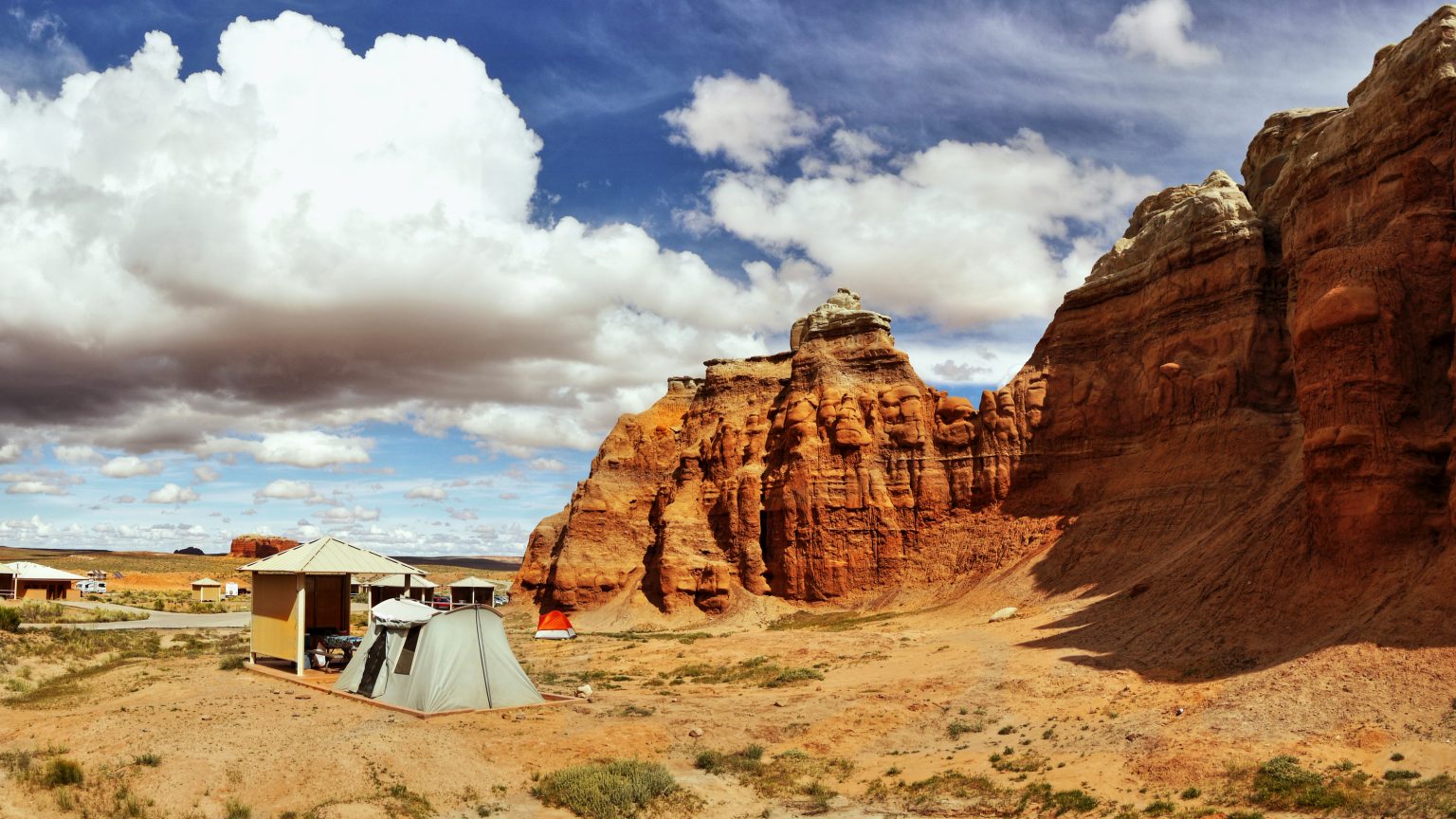
Camping in the American desert offers a chance to spend time away from crowded cities and reconnect with the outdoors. From the distinctive rock formations of Joshua Tree National Park to the vast landscapes of Death Valley, the American Southwest has a wide range of places to camp, hike, and observe the night sky.
- Why Desert Camping Appeals to Outdoor Travelers
- Best Desert Campgrounds in the United States
- Joshua Tree National Park, California
- Death Valley National Park, California and Nevada
- Canyonlands National Park, Utah
- Big Bend National Park, Texas
- White Sands National Park, New Mexico
- What to Pack for Desert Camping
- When to Go Desert Camping in the American Southwest
- Desert Nights and Stargazing
- Desert Camping Safety Tips
- A Three-Day Desert Camping Itinerary
- Day 1: Explore Joshua Tree National Park
- Day 2: Visit a Second Desert Area
- Day 3: Enjoy a Short Hike and Return
- Make Your American Desert Camping Trip Count
For travelers interested in desert camping in the USA, the experience combines open landscapes, dramatic sunsets, and clear nights under the stars. Good planning is essential, however, because temperatures, water availability, and access conditions vary considerably between destinations.
Why Desert Camping Appeals to Outdoor Travelers
Desert camping provides a different experience from camping in forests or near lakes. The landscape is often open and exposed, with limited shade, distinctive geological formations, and broad views of the sky.
Travelers choose American desert campgrounds for several reasons:
- Open landscapes: Explore rocky valleys, dunes, salt flats, and mountain scenery across different desert regions.
- Stargazing opportunities: Many remote desert areas have limited light pollution, making them excellent places to observe stars and the Milky Way when conditions are favorable.
- A quieter outdoor experience: Camp away from busy urban areas and enjoy hiking, photography, and time outdoors.
- Distinctive natural scenery: Joshua trees, red-rock canyons, gypsum dunes, and desert mountains give each destination its own character.
Desert camping also requires greater attention to water, shade, weather forecasts, and campsite regulations. Preparing for these conditions helps make the trip safer and more enjoyable.
Best Desert Campgrounds in the United States
Joshua Tree National Park, California
Joshua Tree National Park is known for its unusual Joshua trees, granite boulders, and rugged desert scenery. Located where the Mojave and Colorado deserts meet, the park offers camping opportunities for hikers, photographers, climbers, and visitors exploring the American Southwest.
Popular activities include:
- Hiking among granite formations and desert vegetation.
- Exploring climbing areas and established trails.
- Photographing sunset light across the rocks.
- Observing the night sky away from brighter urban areas.
Hidden Valley Campground is surrounded by prominent rock formations and provides access to popular climbing and hiking areas. Jumbo Rocks Campground is another well-known option, with campsites set among large granite boulders.
Both campgrounds can be busy during popular travel periods, so check current reservation arrangements and campsite availability before visiting.
Best for: Rock climbing, photography, hiking, and travelers who enjoy distinctive desert landscapes.
Death Valley National Park, California and Nevada
Death Valley is one of North America’s most extreme desert environments, with exceptionally low elevations, salt flats, sand dunes, and rugged mountain ranges. Summer heat can be dangerous, making seasonal planning especially important.
Highlights include:
- Mesquite Flat Sand Dunes: A popular area for walking and photographing the changing patterns of sand.
- Badwater Basin: A salt-flat landscape at the lowest point in North America.
- Zabriskie Point: A well-known viewpoint overlooking eroded hills and desert formations.
- Rhyolite Ghost Town: A historic mining settlement outside the national park near Beatty, Nevada.
Mesquite Spring Campground offers a more remote setting in the northern part of the park. Furnace Creek Campground is a convenient base for exploring central Death Valley, with facilities and seasonal reservation arrangements that should be checked before arrival.
The cooler months are generally more suitable for camping and hiking. Even in winter, nights can be cold, while summer temperatures can reach dangerous levels. Check official park alerts and heat guidance before planning outdoor activities.
Best for: Desert photography, geology, remote scenery, and travelers prepared for demanding conditions.
Canyonlands National Park, Utah
Canyonlands National Park features deep canyons, sandstone formations, broad mesas, and views shaped by the Colorado and Green rivers. Its immense scale makes it a rewarding destination for hikers, photographers, and visitors seeking dark skies.
Camping and outdoor activities include:
- Exploring established hiking trails and scenic overlooks.
- Photographing red-rock formations at sunrise and sunset.
- Observing stars in areas with limited artificial lighting.
- Visiting designated areas for permitted four-wheel-drive exploration.
Willow Flat Campground, in the Island in the Sky district, offers a small number of campsites near the park’s dramatic canyon scenery. The Needles Campground provides access to hiking routes and distinctive sandstone formations in the Needles district.
These districts are separated by substantial driving distances, so allow enough time if you want to visit both. Backcountry camping and vehicle routes may require permits, and some roads are suitable only for properly equipped vehicles.
Best for: Hiking, geology, photography, and experienced campers who enjoy remote landscapes.
Big Bend National Park, Texas
Big Bend National Park combines desert plains, the Chisos Mountains, and the Rio Grande along the Texas-Mexico border. Its varied elevations create different landscapes and temperatures within the same park.
Visitors can enjoy:
- Hiking through desert terrain and mountain trails.
- Exploring Santa Elena Canyon and other major geological features.
- Visiting the historic Hot Springs area.
- Watching the night sky in a region recognized for its dark-sky quality.
Rio Grande Village Campground is located in the eastern part of the park, near the river and several visitor facilities. Chisos Basin Campground sits in the mountains, where conditions are generally cooler than on the lower desert floor, although temperatures vary with the season.
Summer heat can make exposed trails hazardous, while mountain weather can change quickly. Check trail conditions, water availability, campsite rules, and current park alerts before setting out.
Best for: Hikers, wildlife observers, landscape photographers, and campers looking for a combination of desert and mountain scenery.
White Sands National Park, New Mexico
White Sands National Park protects a remarkable landscape of white gypsum dunes in southern New Mexico. The pale dunes create striking contrasts with the surrounding mountains and can look particularly dramatic in the early morning and late afternoon.
Activities include:
- Walking designated routes through the dunes.
- Photographing the changing light and patterns on the sand.
- Enjoying the open landscape and distinctive gypsum formations.
- Observing the sky when weather and visibility are favorable.
Backcountry camping has been subject to permit requirements and temporary closures. Do not assume overnight camping is available during your visit. Check the National Park Service’s current camping information and alerts before making plans.
The dunes offer little natural shade, and the pale surface can make it difficult to judge distance. Carry sufficient water, protect yourself from the sun, and follow all park instructions.
Best for: Landscape photography, short hikes, and travelers interested in unusual desert geology.
What to Pack for Desert Camping
The right equipment depends on the season, destination, campsite facilities, and whether you are traveling by vehicle or on foot.
Essential Equipment
- A suitable tent or vehicle-based sleeping setup, with protection from wind and sun.
- A sleeping bag rated for the expected overnight temperatures.
- Enough drinking water for each person, plus extra for delays and strenuous activity.
- Food, cooking equipment, and appropriate food-storage containers.
- A map or offline navigation system, with a backup navigation method.
- A first-aid kit and any personal essentials.
- A headlamp or flashlight with spare batteries.
- Sun protection, including a hat, sunglasses, and sunscreen.
- Layers of clothing for changing daytime and nighttime temperatures.
Useful Extras
- Binoculars for observing distant landscapes and wildlife.
- A tripod for night-sky photography.
- A power bank or suitable backup power source.
- A compact emergency kit for vehicle travel.
- A groundsheet or other equipment appropriate to the campsite surface.
Water planning is particularly important. Four liters per person per day may be insufficient in extreme heat, during strenuous activity, or on remote routes. Estimate your needs according to the weather, activity level, trip duration, and availability of reliable water supplies. Never assume that water will be available at a remote campsite.
When to Go Desert Camping in the American Southwest
There is no single camping season that works equally well across every American desert. Elevation, latitude, and local weather can make conditions very different from one park to another.
Autumn: September to November
Autumn often brings more comfortable daytime conditions to many lower-elevation desert destinations, although September can remain extremely hot in places such as Death Valley.
Check local forecasts before booking campsites, especially during periods of lingering heat or seasonal storms.
Winter: December to February
Winter can be a good time to visit several low-elevation desert parks. Days may be pleasant, but nights can become very cold, and higher elevations may experience freezing conditions or snow.
Pack suitable insulation and check road and trail conditions before traveling.
Spring: March to May
Spring is popular for hiking, photography, and camping in many desert parks. Temperatures can rise quickly toward late spring, while wind and occasional storms may affect outdoor plans.
Reserve popular campsites early when reservations are available.
Summer: June to August
Summer requires particular caution in lower-elevation deserts. Extreme heat can make hiking, sleeping outdoors, and vehicle travel dangerous, even when activities begin early in the day.
If visiting during summer, prioritize official heat guidance, access to shade and water, and activities appropriate to the conditions. Do not assume that going out at dawn or after sunset removes the risks associated with extreme heat.
Desert Nights and Stargazing
Many American desert parks offer excellent opportunities for desert stargazing, especially when the sky is clear and artificial lighting is limited. The Milky Way may be visible under suitable conditions, but visibility depends on moonlight, cloud cover, atmospheric conditions, and the time of year.
Consider these destinations for night-sky observation:
- Joshua Tree National Park: Look for darker areas away from developed sites and nearby urban light.
- Death Valley National Park: The park’s remote setting can offer excellent viewing conditions when skies are clear.
- Big Bend National Park: Its broad landscapes and limited nearby development support dark-sky experiences.
- Canyonlands National Park: Remote viewpoints and open horizons provide opportunities for observing the stars.
For a better experience, check the moon phase and forecast, allow your eyes time to adjust to the darkness, and use a red-light setting on your flashlight when possible. Follow campsite rules and avoid walking near cliffs or uneven ground without adequate lighting.
You do not need a telescope to enjoy the night sky. A clear horizon, a comfortable place to sit, and enough time away from bright screens can be all you need.
Desert Camping Safety Tips
Desert environments can be unforgiving when travelers underestimate the heat, distance, or lack of services. Preparation should begin before leaving the main road or your campsite.
Follow these precautions:
- Share your plans: Tell someone your route, destination, and expected return time.
- Check the forecast: Look for heat warnings, wind, thunderstorms, flash-flood risks, and park closures.
- Avoid dry washes during storm conditions: Rain falling far away can send sudden floodwater through desert channels.
- Carry sufficient water: Bring more than your estimated minimum, particularly on remote routes.
- Protect yourself from the sun: Use shade, suitable clothing, and sunscreen, and avoid strenuous activity during dangerous heat.
- Watch where you step: Snakes, scorpions, and other animals may be present. Use a flashlight at night and avoid reaching blindly into crevices.
- Store food properly: Follow local rules for securing food and disposing of waste to reduce wildlife encounters.
- Stay on permitted routes: Respect trail closures, backcountry regulations, fire restrictions, and vehicle-access rules.
- Prepare your vehicle: For remote driving, check fuel, tires, spare equipment, communications, and the suitability of the route before departure.
Campfires are not permitted everywhere and may be restricted during dry or windy weather. Use only approved fire areas where fires are allowed, and follow current park regulations. A stove may be a more practical cooking option at many desert campsites.
A Three-Day Desert Camping Itinerary
A three-day trip can introduce you to the landscapes of the American Southwest, but the destinations need to be chosen carefully. Joshua Tree and Death Valley are separate national parks, and combining them requires substantial driving time.
Day 1: Explore Joshua Tree National Park
Arrive with enough daylight to reach your campsite, set up your shelter, and explore nearby trails or rock formations. Hidden Valley and Jumbo Rocks are popular areas to consider, subject to campsite availability and current regulations.
Spend the evening observing the sky if conditions are favorable. Keep a warm layer available because temperatures can fall after sunset.
Day 2: Visit a Second Desert Area
Choose either a fuller day in Joshua Tree or a drive toward Death Valley, depending on your starting point and available time.
If you head to Death Valley, plan the journey around realistic driving times and allow for stops, fuel, and changing conditions. Visit accessible viewpoints such as Zabriskie Point or Mesquite Flat Sand Dunes when weather and park conditions permit. Choose an authorized campsite before nightfall.
Day 3: Enjoy a Short Hike and Return
Begin with a short walk suited to the temperature and your fitness level. In Death Valley, consider an established trail or viewpoint only after checking heat guidance, water needs, and current conditions.
Allow enough time to return safely. If you want to include another major destination, such as Mojave National Preserve, plan an additional day rather than squeezing several long drives into the same itinerary.
This flexible approach gives you time to enjoy the desert without turning the trip into a race between viewpoints.
Make Your American Desert Camping Trip Count
Camping in the American desert offers a chance to experience landscapes that range from granite boulder fields and deep canyons to white gypsum dunes and broad salt flats. Each destination has different access rules, weather patterns, and camping facilities, so a little research can make a significant difference.
Choose a season suited to your destination, prepare for cold nights and dangerous daytime heat, and confirm campsite availability before setting out. With sensible planning, camping in the American desert can bring together memorable scenery, quiet evenings, and rewarding time outdoors beneath some of the region’s darkest skies.