
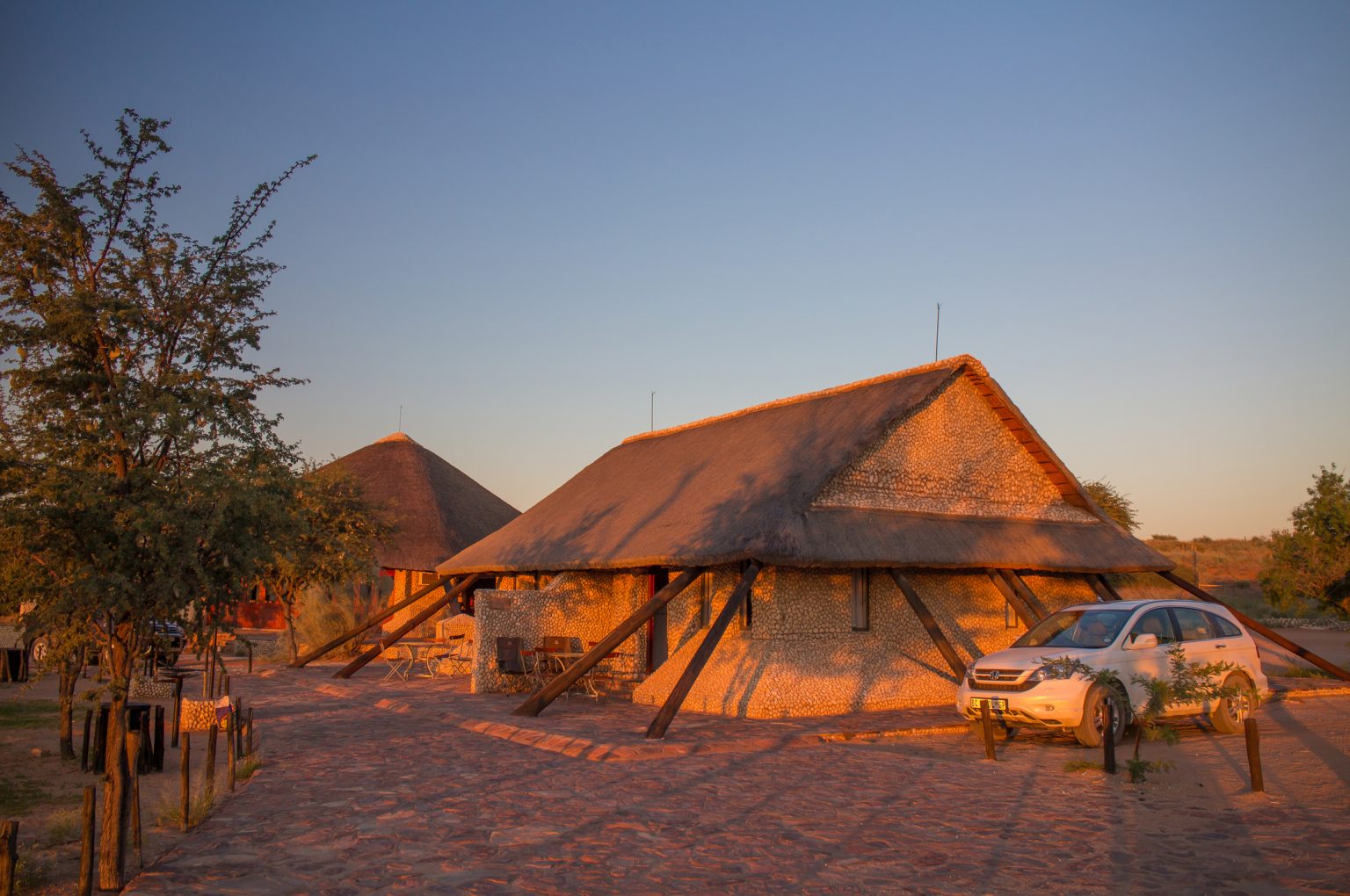
As the sun sets over the Kalahari Desert in Botswana, the landscape changes colour, temperatures begin to fall and the night sky gradually emerges above the open plains. Camping here offers an opportunity to experience one of Southern Africa’s distinctive wilderness regions, where wildlife, sandy tracks and expansive pans shape the journey. From the Central Kalahari Game Reserve to the remote campsites of Mabuasehube and Khutse, desert camping in Botswana rewards travellers who prepare carefully and understand the demands of travelling through remote terrain.
- Why Camping in Botswana’s Kalahari Is Special
- The Best Places to Camp in Botswana’s Kalahari
- Central Kalahari Game Reserve
- Khutse Game Reserve
- Mabuasehube, Kgalagadi Transfrontier Park
- Polentswa and Rooiputs in Kgalagadi Transfrontier Park
- Ghanzi and the Hainaveld Region
- What You Need for Desert Camping in Botswana
- Best Time to Camp in the Kalahari Desert
- Safety and Environmental Responsibility
- Stargazing in Botswana’s Kalahari
- A Sample Three-Day Camping Itinerary in the Central Kalahari
- Day 1: Enter Through Matswere Gate
- Day 2: Explore Deception Valley and Nearby Areas
- Day 3: Pack Up and Exit the Reserve
- Why a Kalahari Camping Trip Is Worth Planning Carefully
Why Camping in Botswana’s Kalahari Is Special
The Kalahari is not an entirely barren sea of dunes. Much of Botswana’s region consists of sandy plains, grasslands, shrubland, scattered trees and seasonal pans. Its changing landscapes support wildlife adapted to dry conditions, and the experience can vary considerably between reserves and seasons.
Camping in these areas offers several attractions:
- Remote wilderness: Some campsites are far from towns, shops and fuel stations, creating a sense of isolation that is difficult to find near major tourist centres.
- Wildlife viewing: Lions, hyenas, antelope and other animals inhabit parts of the Kalahari, although sightings are never guaranteed.
- Stargazing: Areas away from towns can offer excellent views of the night sky when clouds, dust and moonlight do not interfere.
- Self-drive exploration: Travellers with a suitable 4×4 vehicle can explore designated routes through several protected areas.
- Cultural experiences: Community-based activities in parts of the Kalahari provide opportunities to learn about local histories and knowledge of the environment.
Remote camping is not necessarily the best choice for every traveller. Some camps have very limited facilities, and wildlife reserves may have unfenced sites where dangerous animals move freely. A successful trip depends on suitable equipment, realistic driving plans and respect for park regulations.
The Best Places to Camp in Botswana’s Kalahari
Central Kalahari Game Reserve
The Central Kalahari Game Reserve (CKGR) is one of Botswana’s largest protected areas. Its landscapes include sandy plains, grasslands, occasional dunes, fossil river valleys and broad pans. Deception Valley is among its best-known areas, while Sunday Pan, Leopard Pan and Passarge Valley offer other routes to explore.
Public campsites are located in different parts of the reserve, including areas reached from Matswere Gate. Facilities and access conditions vary by campsite, so travellers should check their specific booking rather than assume every site has the same amenities.
What to expect:
- Long stretches of sandy or rough tracks, often requiring a high-clearance 4×4.
- Designated campsites with limited services compared with established lodge properties.
- Wildlife viewing from authorised roads and routes.
- Wide landscapes that can be particularly attractive in the early morning and late afternoon.
- Limited access to fuel, food, drinking water and vehicle assistance inside remote areas.
The CKGR is best suited to experienced self-drive campers who can manage remote travel and prepare for unexpected delays. First-time visitors should consider travelling with an experienced guide or joining an organised safari if they are unfamiliar with Botswana’s sandy roads.
Book campsites and confirm gate arrangements before departure. Do not assume that a campsite will have potable water or that supplies can be purchased inside the reserve.
Khutse Game Reserve
Khutse Game Reserve lies south of the Central Kalahari Game Reserve and offers another way to experience Botswana’s sandy landscapes and wildlife. Its environment includes open plains, scrub vegetation and pans that can attract animals when conditions are favourable.
Khutse can work well for travellers seeking a shorter wilderness trip from the Gaborone area, but driving times depend on the starting point, route and road conditions. Remote access tracks can be challenging, so it should not automatically be treated as an easy introduction to desert camping.
A visit may include:
- Wildlife viewing from designated tracks.
- Exploring the landscape around the reserve’s pans.
- Early-morning and late-afternoon drives.
- Stargazing when skies are clear.
- Overnight stays at designated campsites, subject to availability.
Facilities are limited in comparison with conventional lodges. Confirm the current condition of access roads, the availability of water and ablution facilities, and the vehicle requirements for your intended route.
Khutse is worth considering for travellers who want a remote camping experience without planning an itinerary that crosses the entire Central Kalahari.
Mabuasehube, Kgalagadi Transfrontier Park
Mabuasehube lies in the Botswana section of Kgalagadi Transfrontier Park, a protected area shared by Botswana and South Africa. The region is known for open pans, red Kalahari sands and dry savanna vegetation.
Campsites are associated with pans such as Mabuasehube, Mpayathutlwa, Lesholoago and Khiding. The setting can provide opportunities to watch wildlife near the pans, but animal activity changes with season, water availability and other local conditions.
Camping here is a serious self-sufficient undertaking. Travellers should plan for:
- A well-equipped 4×4 suitable for deep sand.
- Sufficient drinking water, food and fuel for the planned route.
- Recovery equipment and appropriate spare tyres.
- Reliable navigation and an emergency communication plan.
- Advance reservations and confirmation of route restrictions.
Routes on the Botswana side can require travel in a convoy of at least two vehicles. Wilderness trails may have additional booking requirements and restrictions on direction of travel or the number of nights at particular campsites. Check the current park rules before making arrangements.
Mabuasehube is most suitable for experienced off-road travellers who understand how to manage remote routes. If your vehicle breaks down, follow park guidance and prioritise safety rather than attempting a risky repair or walking a long distance for assistance.
Polentswa and Rooiputs in Kgalagadi Transfrontier Park
Polentswa and Rooiputs are remote camping areas on the Botswana side of Kgalagadi Transfrontier Park. Both offer a wilderness-oriented experience, but visitors should distinguish these designated campsites from commercial tented lodges elsewhere in the wider Kalahari region.
Facilities are basic, and campers may need to provide their own water and other supplies. Do not expect the restaurant, shop, fuel facilities or private bathrooms available at some established rest camps.
These locations can suit travellers who want to spend time in the Kgalagadi landscape while remaining self-sufficient. Before booking, confirm:
- Which facilities are available at the specific campsite.
- Whether your route requires a 4×4 and a second vehicle.
- The distance to the nearest fuel and supply points.
- The park’s current booking and border-crossing requirements.
- Any seasonal access restrictions.
The South African and Botswana sections of the park have different facilities and administrative arrangements. Confirm your entry and exit points carefully if your itinerary crosses the international border.
Ghanzi and the Hainaveld Region
Ghanzi is an important settlement in western Botswana and a practical base for exploring parts of the Kalahari. The wider region includes sandy landscapes, rural communities and tourism businesses offering different types of accommodation.
Travellers may find campsites, guest farms, lodges and community-linked cultural activities, depending on the property and season. Facilities are not uniform, so it is important to confirm what each place offers rather than assume that all camps are community-run or provide the same services.
A stay in the region can include:
- Exploring the surrounding landscape with a local guide.
- Learning about regional history and contemporary community life.
- Visiting a cultural tourism project where activities are available.
- Enjoying the open night sky away from brighter urban areas.
- Using Ghanzi as a supply stop before travelling farther into remote terrain.
Choose community-led experiences where possible and ask how the activities are organised and how local people participate. San communities are diverse, and their traditions should not be treated as identical across Botswana.
What You Need for Desert Camping in Botswana
Preparation is essential because remote camps may be many hours from fuel, food, drinking water or mechanical assistance. Botswana’s tourism guidance recommends carrying ample supplies, with particularly generous water reserves for desert journeys.
Essential Equipment
- Reliable tent or rooftop tent: Choose equipment that can withstand wind and keep insects out. Make sure it closes securely at night.
- Warm sleeping bag and bedding: Winter nights can become very cold, even when daytime temperatures are comfortable.
- Drinking water: Carry enough for every person, including an emergency reserve. Botswana Tourism recommends at least 20 litres per person as a general trip-planning guideline and around 50 to 100 litres for desert destinations. Calculate your needs according to trip length, heat, vehicle capacity and whether any verified safe refill points exist.
- Food and cooking equipment: Plan meals for the entire stay, plus extra supplies in case of delays.
- Fuel and vehicle spares: Carry sufficient fuel for your route, suitable spare tyres, basic tools and recovery equipment.
- Navigation and communication: Download maps in advance and consider a satellite communicator or satellite phone where mobile coverage is unreliable.
- First-aid kit: Include personal medication and supplies suitable for remote travel.
- Lighting: A headlamp, spare batteries and a red light for stargazing can be useful.
- Sun and insect protection: Pack sunscreen, a hat, suitable clothing and insect repellent.
Before leaving, inspect the vehicle, share your itinerary with a responsible person and confirm the procedure for reporting your route to park authorities where required.
Best Time to Camp in the Kalahari Desert
The best time depends on whether your priority is comfortable weather, wildlife viewing, photography or experiencing the landscape after seasonal rain.
May to August
These months fall within the cooler, generally dry part of the year. Daytime conditions can be comfortable for driving and outdoor activities, but nights may be very cold. Warm bedding and layered clothing are essential.
September and October
Temperatures rise as the dry season progresses. Midday heat can become intense, so plan drives and outdoor activities around cooler parts of the day. Carry sufficient water and monitor the weather before travelling.
November to April
This period includes the hotter months and the main summer rainfall season, although the timing and intensity of rain vary. Rain can transform grasslands and influence wildlife movement, but it can also make sandy tracks difficult or impassable.
For many self-drive campers, May to August is a practical period to consider, provided they prepare for cold nights. Travellers interested in seasonal greenery or wildlife activity after rain may prefer a different time, but should check current road conditions and reserve guidance before committing to a route.
Safety and Environmental Responsibility
Camping in Botswana’s unfenced wildlife areas requires caution. Lions, hyenas and other animals may pass near campsites, and snakes or scorpions can also be present.
Follow these precautions:
- Remain inside a secure tent or vehicle at night. Never sleep directly on the ground in an unfenced wildlife area.
- Keep food secured: Store food and rubbish according to campsite and park guidance, rather than leaving them on tables or outside the vehicle.
- Do not walk into the bush alone: Follow official advice about movement around camp and use a qualified guide where required.
- Supervise children closely: Children should never be left unattended in remote campsites.
- Manage fires carefully: Use designated fire areas where permitted and extinguish fires completely before leaving or going to sleep.
- Stay on established tracks: Off-road driving can damage fragile vegetation and may be prohibited.
- Avoid unplanned water use: Do not drink from natural water sources unless the water has been treated appropriately.
- Carry out rubbish: Pack waste securely and dispose of it at appropriate facilities.
- Prepare for breakdowns: If the vehicle fails in a remote area, follow your emergency plan and park instructions. Avoid walking long distances through wildlife areas.
Check local fire restrictions, park rules and weather warnings before each journey. The rules may differ between reserves and campsites.
Stargazing in Botswana’s Kalahari
Away from towns and artificial lighting, parts of the Kalahari can offer excellent conditions for observing the night sky. The quality of the view depends on cloud cover, dust, moonlight and the campsite’s surroundings, so a clear sky is never guaranteed.
For a better stargazing experience:
- Check the lunar phase: Nights around the new moon are generally darker, making faint stars and the Milky Way easier to see.
- Allow your eyes to adjust: Use a dim red light where possible and avoid looking at bright phone screens.
- Download a sky map: An offline astronomy app can help identify constellations when mobile coverage is unavailable.
- Bring warm clothing: Temperatures can fall quickly after sunset, particularly in winter.
- Respect wildlife and campsite rules: Observe the sky from the campsite or another permitted area rather than walking into the bush at night.
Deception Valley, the pans around Khutse and Mabuasehube are possible places to enjoy night skies when access and conditions allow. Your actual view will depend on weather, light levels and the location of your campsite.
A Sample Three-Day Camping Itinerary in the Central Kalahari
This itinerary is intended for travellers who have secured suitable campsites and confirmed their route. Driving distances and times can vary considerably, so allow a generous margin for slow tracks, wildlife and unexpected delays.
Day 1: Enter Through Matswere Gate
Arrive at the designated entrance with enough time to complete entry procedures and reach your reserved campsite before dark. If you plan to explore Deception Valley, check the campsite location and route carefully before departure.
After setting up camp:
- Secure food and supplies.
- Check the vehicle and equipment.
- Prepare dinner before it becomes fully dark.
- Enjoy the evening sky from the campsite, following all wildlife safety guidance.
Do not begin a long drive late in the day simply to reach a preferred sunset viewpoint.
Day 2: Explore Deception Valley and Nearby Areas
Start early, when temperatures are cooler and wildlife may be more active. Follow permitted tracks and observe animals from a safe distance.
Allow time for:
- A morning wildlife drive.
- Stops at designated viewpoints and pans.
- Lunch and rest during the hottest part of the day.
- A shorter afternoon drive, if conditions and daylight allow.
Sunday Pan or another nearby area may be an option only if the distance, road condition and campsite booking make the journey realistic. Do not assume that every pan can be visited comfortably within one day.
Return to your reserved campsite before dark and follow the reserve’s safety rules.
Day 3: Pack Up and Exit the Reserve
Begin the day with enough time to pack, check the campsite and secure all supplies. Take a final short drive only if it fits the route and exit schedule.
Leave the campsite clean, account for rubbish and follow the designated road back towards your exit gate. Keep enough fuel, water and time in reserve for unexpected delays.
For a three-day trip, it is generally better to explore one manageable section of the reserve than to attempt a long cross-reserve route.
Why a Kalahari Camping Trip Is Worth Planning Carefully
Camping in Botswana’s Kalahari offers an opportunity to experience broad landscapes, wildlife and night skies far from major settlements. The Central Kalahari Game Reserve, Khutse and Mabuasehube each provide a different setting, but all require visitors to take remote travel seriously.
Choose a campsite that matches your driving experience, verify current access and facilities, carry sufficient water and fuel, and prepare for cold nights and wildlife encounters. If you want to learn about the region’s cultural heritage, look for respectful, community-led activities rather than assuming that every experience represents all San communities.
With thoughtful preparation and a realistic route, a Kalahari camping trip can be both rewarding and responsible, allowing you to appreciate Botswana’s desert landscapes while protecting the places and wildlife that make them special.