
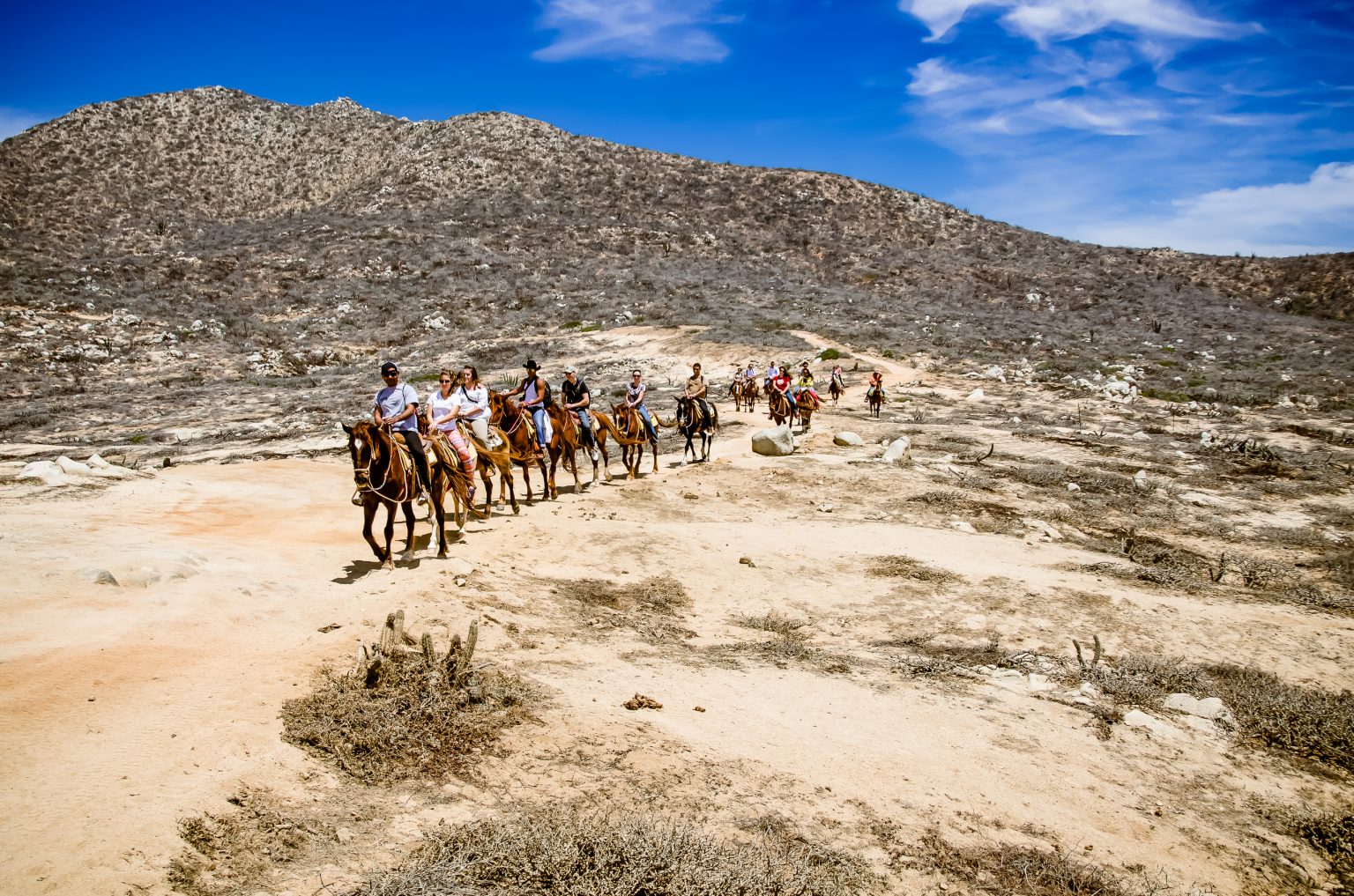
The Baja California desert offers a striking mix of arid landscapes, rugged mountains and Pacific and Gulf coastlines. Across Mexico’s Baja California Peninsula, travellers can explore cactus-covered plains, coastal dunes and remote tracks while discovering the region’s distinctive wildlife and local communities. This guide covers 4×4 adventures in Baja California, from off-road routes to sandboarding at El Mogote, alongside practical advice for desert camping and outdoor experiences around La Paz and beyond.
- What Makes the Baja California Desert Unique?
- The Best Things to Do in the Baja California Desert
- 4×4 Off-Road Driving in Baja California
- Sandboarding at El Mogote Dunes
- Desert Camping and Stargazing
- Wildlife and Eco-Adventures
- Combine Desert and Sea Adventures
- Best Time to Visit the Baja California Desert
- What to Pack for a Baja Desert Trip
- Responsible Travel in Baja’s Desert
- A Three-Day Baja Desert Adventure: La Paz and Its Surroundings
- Day 1: Explore La Paz and El Mogote
- Day 2: Choose a Coastal or Marine Adventure
- Day 3: Explore the Sierra de la Laguna Region
- Why the Baja California Desert Stays With You
What Makes the Baja California Desert Unique?
The Baja California Peninsula stretches between the Pacific Ocean and the Gulf of California, also known as the Sea of Cortez. Its landscapes range from dry coastal plains and cactus-covered hills to rugged mountain ranges, sheltered bays and seasonal wetlands.
The peninsula includes the states of Baja California and Baja California Sur. Each has its own destinations, road networks and outdoor opportunities, so planning a trip around one region is often more practical than attempting to cover the entire peninsula.
What sets Baja apart:
- Two coastlines: The Pacific side and the Gulf of California offer different scenery, marine environments and coastal activities.
- Varied desert landscapes: Cardón cacti, rocky hills, dry riverbeds, sandy beaches and isolated dune fields create diverse scenery.
- Outdoor adventure: Selected areas offer hiking, kayaking, sandboarding, wildlife watching and guided off-road excursions.
- Seasonal contrasts: Winter is often more comfortable for desert exploration, while summer heat can make exposed routes demanding.
- Distinctive wildlife: The region supports desert-adapted animals, endemic plants and important marine habitats.
From the coastal dunes near La Paz to the rugged terrain of the Sierra de la Giganta, Baja rewards travellers who choose their routes carefully and allow enough time to explore.
The Best Things to Do in the Baja California Desert
4×4 Off-Road Driving in Baja California
Baja California is internationally known in the off-road community, in part because of the Baja 1000, a demanding motorsport race held on changing courses across the peninsula. The race’s reputation has helped make Baja a popular destination for off-road enthusiasts, but race routes should not be treated as unrestricted tourist trails.
A guided excursion is often the best way to explore remote terrain, particularly where tracks cross loose sand, rocky ground or isolated areas with limited services.
Routes and regions to consider:
- San Felipe and the northern Gulf coast: Explore accessible desert landscapes and coastal scenery around San Felipe. Longer journeys toward Bahía de los Ángeles require careful planning and should use verified routes.
- La Paz and the surrounding coast: Discover coastal viewpoints and desert roads with a local operator who understands road conditions and access restrictions.
- The Vizcaíno region: This large area of Baja California Sur contains desert landscapes and important wildlife habitats. Plan visits around designated roads and protected-area rules rather than assuming off-road driving is allowed everywhere.
- Sierra de la Giganta: Explore rugged mountain scenery on suitable established routes, with a guide when terrain or navigation makes independent travel difficult.
What to expect:
- Rocky tracks, gravel roads and occasional sandy sections.
- Remote viewpoints and dramatic changes in landscape.
- Long stretches with limited fuel, food and mobile coverage.
- Routes that may become difficult after rain or other weather events.
A suitable 4×4 does not automatically make every route safe or legal. Before departure, confirm road access, fuel stops, vehicle requirements, recovery equipment and emergency communication. Never enter a protected area or private property without the required permission.
Best for: Experienced off-road drivers, adventure travellers and photographers who are comfortable with remote travel.
Sandboarding at El Mogote Dunes
Across the bay from La Paz, El Mogote is a distinctive sandy peninsula known for its dunes and coastal setting. Its proximity to the city makes it an appealing option for travellers interested in combining desert scenery with water-based activities.
The shape and condition of the dunes can change with wind and weather, so do not assume that every slope is suitable for sandboarding or that all areas are open to unrestricted recreational use.
Why visit El Mogote?
- Convenient access from La Paz: The area is close enough for a short excursion, subject to the chosen access point and current conditions.
- Coastal scenery: Sand dunes, shallow coastal waters and views across the bay create excellent photography opportunities.
- Outdoor activities: Depending on local availability and conditions, visitors may combine a dune excursion with kayaking or wildlife watching.
- Sunset views: Late afternoon can provide softer light and more comfortable temperatures than midday.
Tips for sandboarding:
- Ask a local operator which dunes are suitable and permitted for the activity.
- Wear closed footwear when walking over hot sand.
- Bring water, sun protection and a way to protect your equipment from sand.
- Avoid sensitive vegetation and wildlife areas.
- Check wind conditions before attempting a descent.
El Mogote is a useful option for a half-day outing from La Paz, but it should not be described as a guaranteed sandboarding site under every condition. Confirm current activity availability before making a booking.
Best for: Beginners, photographers and travellers seeking a short coastal desert excursion.
Desert Camping and Stargazing
Away from towns and bright coastal centres, parts of Baja offer excellent opportunities to experience the night sky. Camping environments vary considerably, from designated coastal sites to mountain camps and more remote desert locations.
Areas to consider include:
- Sierra de la Laguna Biosphere Reserve: This protected region contains dry forests, canyons and pine-oak woodland at higher elevations. Camping is possible in designated areas, subject to site rules and arrangements.
- San Pedro Mártir National Park: Located in the northern state of Baja California, this mountainous park is known for its forested highlands and astronomical research facilities. It is a separate destination from La Paz and requires a different itinerary.
- Bahía Concepción: This stretch of the Gulf coast is known for sheltered bays and coastal scenery. Check the rules and facilities of the specific beach or campground before staying overnight.
Camping experiences may include:
- Stargazing away from artificial light.
- Photographing the Milky Way when skies are clear.
- Watching sunrise over coastal hills or desert terrain.
- Hiking in authorised areas during cooler hours.
- Enjoying a quiet night at an established campsite.
Clear skies are never guaranteed. Clouds, haze, wind and seasonal weather can affect visibility, while mountain nights can be much colder than coastal conditions.
Use designated camping areas, follow local fire restrictions and secure food and waste. In protected areas, campfires may be restricted to authorised locations or prohibited under certain conditions.
Best for: Stargazers, nature photographers, couples and travellers who prefer slower outdoor experiences.
Wildlife and Eco-Adventures
Baja’s arid appearance can be misleading. The peninsula supports a variety of desert plants, reptiles, birds and mammals, while its surrounding waters provide habitat for marine life.
Wildlife and natural features to look for include:
- Desert-adapted mammals: The Baja California Peninsula supports native species such as the peninsula’s desert fox subspecies and other small mammals. Sightings depend on location and conditions.
- Bighorn sheep: These animals inhabit suitable rugged mountain terrain, but sightings are not guaranteed.
- Marine wildlife: Depending on the season and location, guided excursions may offer opportunities to observe whales, dolphins, sea lions or other marine species.
- Cardón cacti: These giant columnar cacti are among the peninsula’s most recognisable plants.
- Seasonal wildflowers: Rainfall can trigger desert blooms, although their timing and intensity vary from year to year.
The waters around La Paz are also known for seasonal whale shark encounters. The local tourism authority lists the whale shark refuge near El Mogote as a seasonal activity, generally from October to April. Availability, operating dates and authorised tour arrangements should be checked before booking.
Responsible wildlife viewing:
- Choose authorised operators with appropriate permits.
- Maintain the required distance from animals.
- Never touch, feed or chase wildlife.
- Follow instructions from guides and protected-area staff.
- Avoid damaging vegetation or disturbing nesting and resting areas.
Best for: Nature lovers, wildlife photographers and travellers interested in conservation.
Combine Desert and Sea Adventures
One of Baja’s biggest attractions is the close relationship between its dry landscapes and coastal environments. Depending on the location, a trip can combine a desert excursion with time on the water without requiring a journey across the entire peninsula.
Activities to consider around La Paz include:
- A guided 4×4 excursion on an authorised route.
- Sandboarding, where available, on suitable dunes near El Mogote.
- Kayaking in appropriate coastal waters.
- Snorkelling or other marine activities with a reputable local operator.
- Sunset photography from an accessible coastal viewpoint.
Not every activity belongs in the same location or season. Check the distance between sites, weather conditions and the time required for each excursion. Wildlife tours may have specific seasonal rules, while water activities depend on sea conditions.
The most rewarding itinerary balances adventure with enough time to enjoy each place safely.
Best Time to Visit the Baja California Desert
Baja’s climate varies between the northern peninsula, the southern desert and higher mountain areas. Temperatures also differ between the coast and inland terrain, so broad seasonal averages should not be treated as a forecast for every destination.
November to March
This period is often suitable for desert exploration because daytime temperatures can be more comfortable than in summer. It can be a good time for hiking, camping and selected 4×4 excursions.
Winter is also an important season for several whale-watching experiences around Baja California Sur. Specific dates vary by species and location, so check local guidance before booking.
April to May
Spring can bring warm, dry conditions and good opportunities for outdoor activities. Temperatures rise as summer approaches, making early starts increasingly useful for exposed routes and hikes.
June to September
Summer can be extremely hot in lower desert areas, and heat stress is a serious concern during strenuous activities. Plan outdoor excursions for cooler hours, carry sufficient water and avoid remote travel without appropriate preparation.
The Pacific and Gulf coasts may experience different conditions, and the summer and early autumn period can also bring tropical weather systems. Check forecasts and local advisories before travelling.
Choosing Your Travel Dates
For many visitors, November through March is a practical starting point for desert adventures, although the best dates depend on the activities and region.
Before booking, check:
- Local weather forecasts and heat advisories.
- Seasonal access restrictions for protected areas.
- Current road conditions for off-road excursions.
- Whale-watching and other wildlife-tour dates.
- Campground availability and fire restrictions.
What to Pack for a Baja Desert Trip
Packing depends on whether you are staying near La Paz, camping along the coast or travelling into remote desert terrain.
Essential Items
- Lightweight, breathable clothing for daytime heat.
- A warm layer for cool evenings and mountain locations.
- Sunglasses, a wide-brimmed hat and high-SPF sunscreen.
- Comfortable walking shoes or sturdy boots.
- Reusable water bottles and enough drinking water for the planned activity.
- Snacks and food appropriate to the length of the journey.
- Offline maps or a reliable GPS device.
- A fully charged phone, power bank and emergency contact details.
- A first-aid kit and any personal medication.
Additional Gear for Remote Adventures
- A suitable sleeping bag and sleeping mat for overnight trips.
- A headlamp or torch with spare batteries.
- Dust protection for cameras and electronic equipment.
- A paper map or backup navigation method.
- Emergency communication equipment where mobile coverage is unreliable.
- Vehicle recovery equipment appropriate to the vehicle and route, carried by people who know how to use it.
Water needs vary with heat, exertion and trip duration. Ask a knowledgeable guide for a route-specific plan and carry a reserve for delays. Do not rely on finding safe drinking water in remote areas.
For 4×4 journeys, check the vehicle, tyres, fuel range and recovery arrangements before departure. Tyre pressure and other vehicle settings depend on the terrain, tyres and vehicle load, so there is no single setting suitable for every Baja route.
Responsible Travel in Baja’s Desert
Baja’s natural landscapes and wildlife require care, particularly where visitor activity overlaps with protected habitats and remote communities.
Travel responsibly by:
- Choosing qualified local guides: Use operators with the relevant permits and experience for the activity.
- Staying on authorised routes: Avoid creating new tracks or driving over sensitive vegetation.
- Carrying out all waste: Do not leave rubbish, food scraps or plastic behind.
- Respecting wildlife: Follow viewing rules and keep a safe distance from animals.
- Supporting local businesses: Use locally run accommodation, guides and services when possible.
- Respecting community and cultural sites: Ask permission before entering private land or photographing people.
- Following camping rules: Use designated sites and obey current restrictions on fires and overnight stays.
Responsible travel helps protect the peninsula’s fragile desert ecosystems and supports the communities that welcome visitors.
A Three-Day Baja Desert Adventure: La Paz and Its Surroundings
This itinerary focuses on La Paz and nearby destinations rather than attempting to cover distant regions of the peninsula in three days. Activities should be adjusted to weather, road conditions and seasonal availability.
Day 1: Explore La Paz and El Mogote
Arrive in La Paz and settle into your accommodation. Explore the waterfront and local restaurants before arranging a guided visit to the El Mogote area.
If sandboarding is available and permitted, plan the activity for a cooler part of the day. Otherwise, enjoy the coastal scenery and photography opportunities. Confirm access arrangements before travelling to the dunes.
Day 2: Choose a Coastal or Marine Adventure
Spend the morning on a guided kayaking or marine excursion, depending on conditions and seasonal availability. During the appropriate season, a licensed operator may offer a whale shark experience in the La Paz Bay area, subject to current regulations and availability.
In the afternoon, enjoy the city or visit a nearby coastal viewpoint. Avoid adding a long off-road expedition if it would leave insufficient time for the marine activity or the return journey.
Day 3: Explore the Sierra de la Laguna Region
Travel toward a suitable access point for the Sierra de la Laguna Biosphere Reserve, allowing time for the drive and any required arrangements. Choose an authorised guided hike or nature excursion that matches your fitness level.
The reserve contains a variety of environments, including semi-desert vegetation, dry forest and pine-oak woodland at higher elevations. Camping should take place only at permitted sites and requires advance planning.
Return to La Paz or stay overnight in an authorised nearby accommodation, depending on your route and transport arrangements.
Planning note: Sierra de la Laguna is a separate excursion from El Mogote and the La Paz waterfront. This itinerary is most practical with a suitable vehicle or organised transfers, and it should not be combined with distant destinations such as San Pedro Mártir National Park in the same three-day trip.
Why the Baja California Desert Stays With You
The Baja California desert offers a distinctive combination of arid landscapes, rugged terrain and coastal scenery. From the dunes near La Paz to the mountain environments of Sierra de la Laguna, each region provides different opportunities for exploration.
A well-planned journey can include off-road driving, sandboarding, wildlife watching or camping beneath a clear night sky. The key is to choose realistic routes, respect access rules and prepare for changing desert conditions.
Travel slowly enough to appreciate the landscapes, support responsible local tourism and leave each place as you found it. Baja’s appeal lies not only in the adventure, but also in the remarkable variety of environments found across its peninsula.