
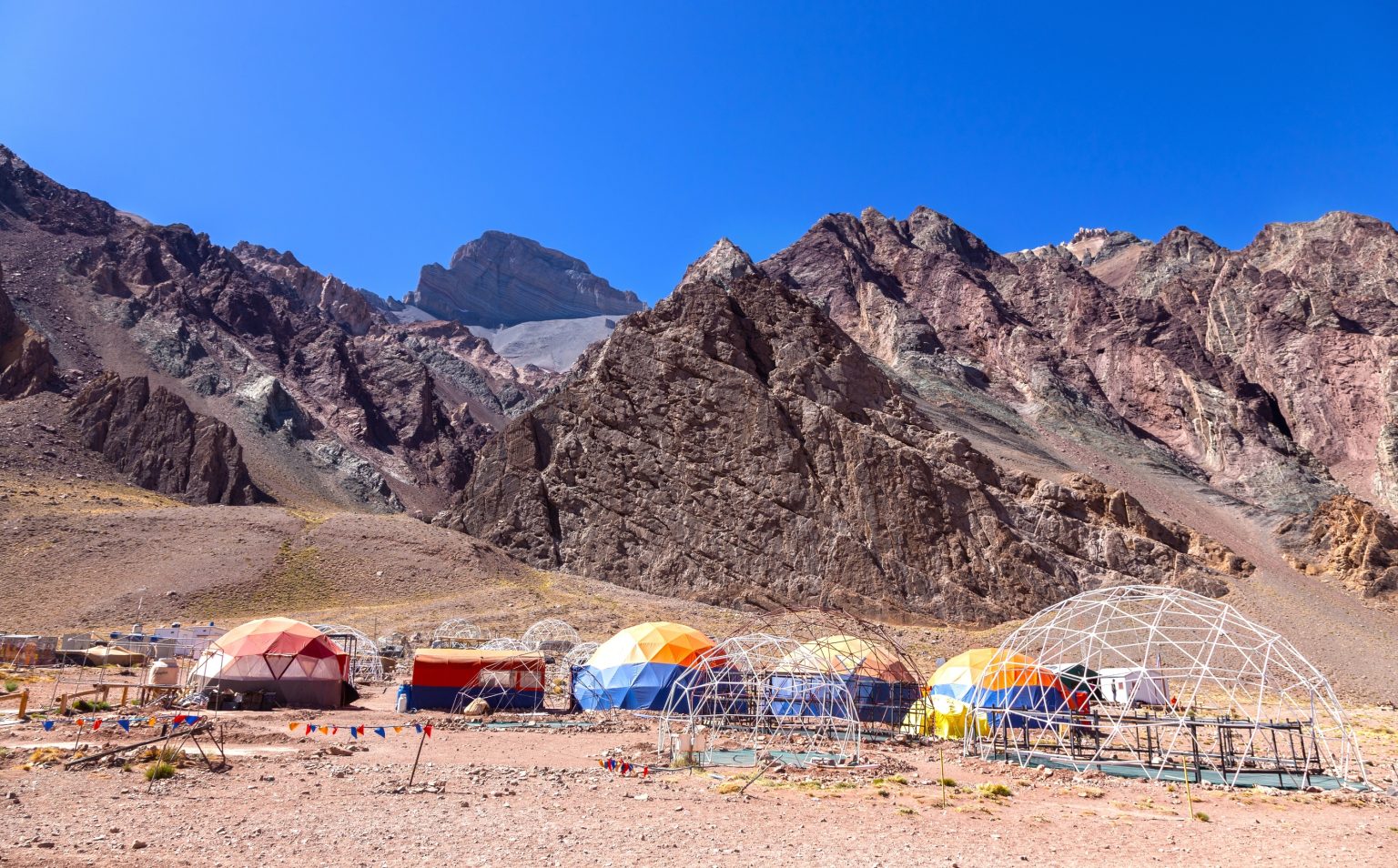
Camping in Argentina’s desert landscapes offers a chance to experience remote scenery, wide-open skies and quiet nights far from major cities. From the sand dunes around Fiambalá to the volcanic formations of Catamarca and the red rock valleys of Salta, northern Argentina brings together several landscapes that reward careful planning.
- Why Choose Desert Camping in Argentina?
- Best Places for Desert Camping in Argentina
- 1. Fiambalá Dunes, Catamarca
- 2. Campo de Piedra Pómez, Catamarca
- 3. Quebrada de las Conchas, Salta
- 4. Valle de la Luna, San Juan
- 5. Salinas Grandes, Jujuy
- What to Expect When Camping in Argentina’s Desert Regions
- What to Bring for Desert Camping
- Best Time to Camp in Argentina’s Desert Regions
- Eco-Camping and Local Experiences
- Safety and Responsible Camping
- A Three-Day Camping Itinerary in Catamarca
- Day 1: Arrive in Fiambalá
- Day 2: Explore the Dunes and Surrounding Area
- Day 3: Enjoy a Short Excursion and Depart
- Make Your Argentina Desert Camping Trip Count
This Argentina desert camping guide covers the best places to stay outdoors, what to pack, when to travel and how to camp responsibly. Whether you prefer an established campsite or a guided excursion into a remote area, choosing the right location is essential for a safe and rewarding trip.
Why Choose Desert Camping in Argentina?
Northern Argentina contains a remarkable variety of dry landscapes, including sand dunes, salt flats, red-rock canyons and high-altitude volcanic terrain. These environments differ in elevation, weather and accessibility, so camping experiences can vary considerably from one destination to another.
What makes desert camping in Argentina appealing?
- Dark night skies: Remote locations can offer excellent stargazing when weather and moonlight conditions are favorable.
- Distinctive geology: Explore wind-shaped dunes, pale volcanic formations, salt flats and colorful rock layers.
- Outdoor adventure: Combine camping with hiking, photography, scenic drives and guided excursions.
- Local culture: Discover regional food, crafts and traditions through nearby communities and locally operated tourism services.
- A slower pace: Spend time outdoors and experience landscapes that are often far removed from large urban centers.
Camping is not permitted everywhere, particularly in protected areas and sensitive geological sites. Check local regulations before pitching a tent, lighting a stove or planning an overnight stay.
Best Places for Desert Camping in Argentina
1. Fiambalá Dunes, Catamarca
The Fiambalá area is known for its extensive sand dunes, mountain scenery and dry landscapes near the Andes. The nearby dunes of Saujil and Tatón are popular destinations for sandboarding and scenic excursions.
Highlights include:
- Exploring the dunes with a local guide or authorized operator.
- Photographing the changing colors of the sand in the early morning and late afternoon.
- Visiting Fiambalá’s thermal baths, approximately 17 km from the town.
- Staying at an established campsite in or around Fiambalá.
Camping directly on the dunes should not be assumed to be permitted. Use an established campsite or obtain confirmation from local authorities before planning an overnight stay on the sand. Rain can also affect road conditions, so check access before setting out.
Best for: Travelers interested in sand dunes, outdoor activities and combining camping with visits to local attractions.
2. Campo de Piedra Pómez, Catamarca
Campo de Piedra Pómez is a striking high-altitude landscape of pale pumice formations created by volcanic activity. Its unusual shapes and colors make it one of Catamarca’s most distinctive geological destinations.
What makes it special?
- Extensive white and cream-colored volcanic formations.
- Unusual rock shapes formed by geological processes and erosion.
- Opportunities for landscape photography in changing light.
- Guided excursions from the Antofagasta de la Sierra area.
This is a remote, high-altitude destination rather than a conventional campsite. Do not assume that overnight camping is permitted within the protected landscape. Arrange accommodation in an authorized location and confirm access conditions with a local guide.
The elevation also matters. Cold temperatures, wind and the effects of altitude can make the visit more demanding than the scenery suggests.
Best for: Experienced travelers, geology enthusiasts and photographers prepared for remote, high-altitude conditions.
3. Quebrada de las Conchas, Salta
Located along Route 68 between the Cafayate area and the route toward Salta city, Quebrada de las Conchas is known for its red sandstone formations, sculpted cliffs and colorful geological layers.
It is a scenic destination for road trips and day excursions, but it is not an unrestricted wild-camping area. Parts of the landscape are protected, and overnight stays must follow local rules.
Reasons to visit include:
- Photographing red and ochre rock formations in the changing light.
- Stopping at recognized viewpoints along Route 68.
- Exploring designated walking areas where access is permitted.
- Visiting Cafayate and its surrounding vineyards.
- Staying at an authorized campsite or accommodation in the wider region.
The canyon is especially suitable for travelers who want to combine geological sightseeing with regional food and wine experiences. Check the rules for the specific site before planning an overnight stay.
Best for: Road-trippers, photographers and travelers combining nature with a visit to Cafayate.
4. Valle de la Luna, San Juan
Valle de la Luna is a common name for the landscape within Ischigualasto Provincial Park, a protected area known for its unusual rock formations and important fossil record.
The park is primarily a destination for organized sightseeing rather than unrestricted camping. Follow the park’s visitor rules and arrange overnight accommodation at an authorized campsite or lodging option outside the protected area.
Highlights include:
- Distinctive rock formations shaped by erosion.
- Geological features that reveal different stages in the region’s history.
- Guided park excursions and educational interpretation.
- Opportunities to combine the visit with other attractions in San Juan Province.
Do not assume that night walks, astronomy sessions or overnight camping are available inside the park. Confirm any special activities with the park administration before traveling.
Best for: Families, geology enthusiasts and visitors interested in landscapes and ancient fossils.
5. Salinas Grandes, Jujuy
Salinas Grandes is an expansive high-altitude salt flat in the Puna region, reached via National Route 52. The white surface contrasts with the surrounding mountains and open sky, creating excellent conditions for landscape photography.
The salt flat sits at roughly 3,350 metres above sea level, so visitors should prepare for intense sunlight, dry air and a wide difference between daytime and nighttime temperatures.
What to experience:
- Photographing the salt patterns and surrounding mountain scenery.
- Visiting designated areas where salt is extracted.
- Learning about local salt production and purchasing regional crafts.
- Observing the unusual reflections that can appear when water covers parts of the salt flat.
- Staying at authorized accommodation or campsites in nearby communities.
The mirror effect depends on rainfall and surface conditions, so it cannot be guaranteed. Camping directly on the salt flat should not be assumed to be allowed. Follow local guidance and stay away from vehicle routes and working extraction areas.
Best for: Photographers and travelers interested in high-altitude landscapes and salt-flat scenery.
What to Expect When Camping in Argentina’s Desert Regions
Conditions depend on the destination. A campsite near Fiambalá’s dunes is different from an overnight stay in the high Andes or a visit to a salt flat.
Prepare for the following:
- Large temperature changes: Days may be sunny and warm while nights become very cold, particularly at high elevations.
- Dark skies: Remote campsites can offer excellent stargazing, although clouds, wind and moonlight affect visibility.
- High-altitude conditions: Some destinations in Catamarca and Jujuy are above 3,000 metres, where visitors may experience altitude-related symptoms.
- Limited services: Remote areas may have little mobile coverage, few shops and long distances between fuel stops.
- Variable road conditions: Rain, wind and rough surfaces can delay travel or make some routes temporarily inaccessible.
- Local wildlife: Depending on the region, you may encounter animals such as vicuñas, foxes or Andean birds. Sightings are never guaranteed.
Choose an overnight location based on your experience, equipment and access to support. Remote camping requires more preparation than staying at a serviced campsite.
What to Bring for Desert Camping
Good preparation makes a substantial difference, especially when temperatures fall after sunset or when you are far from towns.
Essential Equipment
- A suitable tent: Choose a model that can withstand the expected wind and weather conditions.
- A sleeping bag and insulated sleeping mat: Select equipment rated for the lowest temperatures expected during your trip.
- A portable stove and cooking kit: Check local fire restrictions and use cooking equipment safely.
- Warm layers: Bring thermal clothing, a fleece or insulated jacket, and wind-resistant outerwear.
- Headlamp and spare batteries: Useful after dark and during early starts.
- Offline maps and navigation: Download maps before entering areas with unreliable mobile coverage.
- Sun protection: Pack sunglasses, a hat, sunscreen and clothing that covers exposed skin.
- Adequate drinking water: Carry enough for drinking, cooking and the planned activity, with extra supplies for delays.
- First-aid supplies and personal medication: Include any items you may need when pharmacies are far away.
Useful Extras
- Binoculars for observing distant landscapes and wildlife.
- A camera tripod for night-sky photography.
- Power banks and charging cables.
- A reusable water container and a waste bag.
- Paper maps and a reliable way to communicate in remote areas.
For remote or high-altitude destinations, consider a local guide or established operator. Ask about emergency procedures, road conditions and the equipment needed for the specific route.
Best Time to Camp in Argentina’s Desert Regions
There is no single ideal season for every destination. Northern Argentina includes hot lowland areas, exposed dunes and high-altitude plateaus, each with different seasonal conditions.
April to June
Autumn generally brings cooler conditions in many northern destinations. It can be a good period for outdoor activities, although high-altitude nights may be cold and conditions vary by location.
July to September
Winter can offer dry conditions in some areas, but high-altitude destinations may experience freezing nights, strong winds and difficult weather. Use suitable cold-weather equipment and check forecasts before departure.
October to November
Spring brings changing temperatures and can be suitable for camping, depending on elevation and local conditions. Check the forecast and road status before traveling to remote areas.
December to March
Summer can bring high daytime temperatures, and the rainy season affects parts of the Andean northwest. Heavy rain may cause road closures, flash flooding or difficult access, especially in mountain valleys and high-altitude regions.
For many travelers, autumn and spring provide a useful starting point when planning a trip. However, the best dates depend on the specific destination, forecast and type of camping. Always check current conditions rather than relying on a fixed temperature range.
Eco-Camping and Local Experiences
Staying at an established campsite or booking through a local operator can help visitors understand the landscape and support services in nearby communities.
Depending on the region, you may find:
- Campsites around Fiambalá: Established facilities provide a base for visiting the dunes, thermal baths and surrounding attractions.
- Accommodation near Antofagasta de la Sierra: Local lodging and guided excursions can help visitors access remote volcanic landscapes.
- Community-based stays in the Quebrada de Humahuaca: Explore regional food, crafts and cultural traditions while using an established base for nearby excursions.
- Campsites around Cafayate: Combine visits to the red-rock canyon with vineyards and local cuisine.
Confirm that a site is operating, what facilities it provides and whether it accepts tents before traveling. Do not assume that a location described as an eco-camp offers solar power, organized cultural activities or unrestricted access to nearby natural areas.
Choose locally operated services where possible, respect community guidance and avoid treating cultural traditions as performances arranged on demand.
Safety and Responsible Camping
Desert environments can appear open and easy to navigate, but remote roads, changing weather, cold nights and limited services can create serious challenges.
Follow these precautions:
- Camp only where permitted: Use designated campsites or obtain permission from the relevant land manager or property owner.
- Check weather and road conditions: Heavy rain can make some routes impassable and may cause flash flooding.
- Avoid uncontrolled fires: Follow local fire restrictions and use a portable stove where permitted.
- Carry enough water and fuel: Plan for delays and avoid relying on services being available in remote settlements.
- Respect wildlife: Keep a safe distance and never feed wild animals.
- Leave no trace: Pack out rubbish and avoid damaging plants, rocks or archaeological remains.
- Limit noise and unnecessary lighting: Reduce disturbance to other visitors and wildlife.
- Prepare for altitude: Ascend gradually when possible and take symptoms seriously. Severe headache, confusion, breathlessness at rest or worsening symptoms require urgent medical attention.
- Share your itinerary: Tell someone where you are going and when you expect to return, particularly if traveling beyond established routes.
Respect local communities and protected landscapes without assuming that all residents share the same beliefs or customs. Ask for guidance when unsure about access or local practices.
A Three-Day Camping Itinerary in Catamarca
A more practical short trip focuses on the Fiambalá area rather than attempting to connect distant destinations across northern Argentina in three days.
Day 1: Arrive in Fiambalá
Arrive in Fiambalá, settle into an established campsite or local accommodation, and check the weather and road conditions. If time permits, visit the nearby dunes of Saujil or another accessible dune area with a local operator.
Spend the evening preparing for the next day and observing the night sky if conditions are clear.
Day 2: Explore the Dunes and Surrounding Area
Visit the dunes of Tatón or another suitable destination, depending on access and weather. A guided excursion can help with navigation and provide information about the landscape.
Return to your established campsite or accommodation. If you plan to visit the thermal baths, check opening hours and arrange the visit around your travel schedule.
Day 3: Enjoy a Short Excursion and Depart
Use the morning for a final walk, photography or a visit to a nearby attraction before departing. Allow sufficient time for driving and check road conditions before beginning a long journey.
Planning note: Campo de Piedra Pómez and Salinas Grandes are separate destinations that require additional travel and planning. They are better treated as part of a longer itinerary rather than squeezed into this three-day route.
Make Your Argentina Desert Camping Trip Count
Camping in Argentina’s dry landscapes offers more than a night outdoors. It can be an opportunity to explore striking geology, experience dark skies and discover the distinct character of northern Argentina’s towns and communities.
From the dunes of Fiambalá to the volcanic formations of Catamarca and the salt flats of Jujuy, each destination requires its own preparation. Choose an authorized place to stay, pack for cold nights and changing weather, and plan travel times realistically.
With the right equipment and respect for local rules, desert camping in Argentina can become a rewarding way to experience the country’s remarkable landscapes while helping protect them for future visitors.