
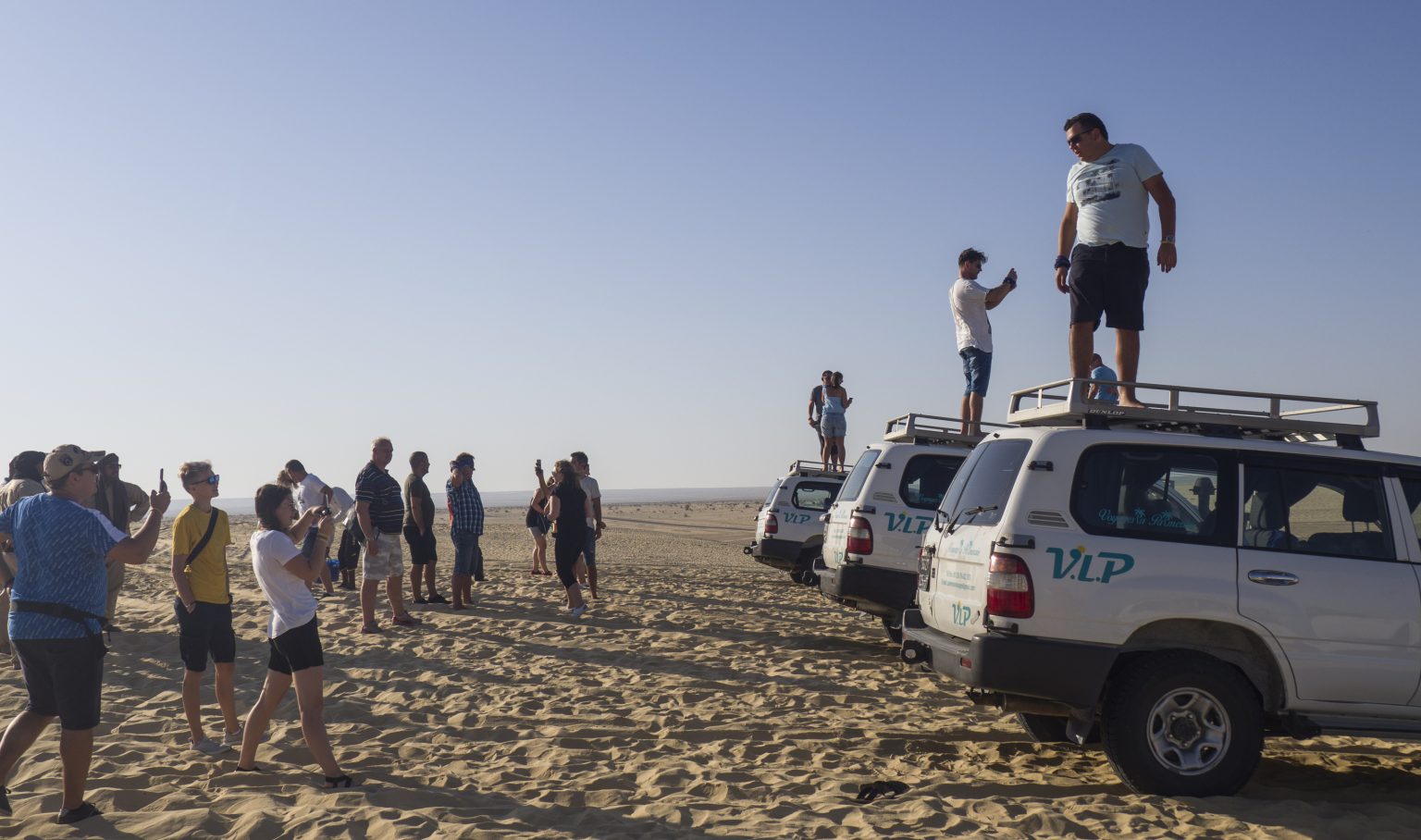
A 4×4 journey through the Tunisian Sahara reveals a remarkable variety of landscapes, from palm-filled oases and vast salt flats to rocky plateaus and rolling sand dunes. Traveling south from Tozeur toward Douz and Ksar Ghilane, visitors encounter a different side of Tunisia, where desert scenery, historic settlements, and local traditions come together.
- Why a 4×4 Tour in the Tunisian Sahara Is Worth It
- The Main Route from Tozeur to Ksar Ghilane
- Ong Jemel and the Tozeur Oasis
- Chott el Jerid: Tunisia’s Great Salt Lake
- Douz: The Gateway to the Sahara
- Tembaine: Remote Dunes and Desert Tracks
- Ksar Ghilane: A Desert Oasis and Natural Spring
- Additional Desert Routes and Cultural Stops
- What You Need for a Sahara 4×4 Adventure
- Best Time to Explore the Tunisian Sahara
- Where to Stay Along the Route
- Staying Safe and Respectful in the Desert
- A Four-Day Tunisian Sahara 4×4 Itinerary
- Day One: Tozeur and Ong Jemel
- Day Two: Chott el Jerid and Douz
- Day Three: Guided Desert Expedition
- Day Four: Ksar Ghilane or Return via an Approved Route
- Discovering the Tunisian Sahara One Route at a Time
A Tunisian Sahara 4×4 tour can include geological landmarks, traditional villages, desert camps, and remote tracks that require specialist vehicles and experienced drivers. Some sections are accessible by paved road, while deeper desert routes demand careful planning, appropriate permissions, and reliable local guidance.
For travelers planning a Sahara off-road adventure, the key is to match the route to the available time, season, driving experience, and current access conditions. With the right preparation, southern Tunisia offers an exceptional journey through one of North Africa’s most distinctive desert regions.
Why a 4×4 Tour in the Tunisian Sahara Is Worth It
The Tunisian Sahara combines accessible tourist destinations with more remote desert environments. In a single trip, visitors can explore traditional oasis towns, cross salt-flat landscapes, and experience the dunes of the Grand Erg Oriental.
Highlights include:
- Varied desert scenery: Salt flats, rocky plains, palm groves, and sand dunes.
- Historic locations: Traditional Amazigh villages, ancient fortified settlements, and archaeological sites.
- Off-road exploration: Designated desert tracks that can be reached with suitable 4×4 vehicles and experienced drivers.
- Local hospitality: Opportunities to experience regional food, accommodation, and guided activities.
- Desert camping: Overnight stays at established camps, with more remote options available through specialist operators.
Not every part of the Sahara requires a 4×4. Many popular attractions are reached by paved roads, while deep-sand routes and remote tracks require different equipment and driving skills. Always confirm the requirements for the exact itinerary you intend to follow.
The Main Route from Tozeur to Ksar Ghilane
A journey linking Tozeur, Chott el Jerid, Douz, the Tembaine area, and Ksar Ghilane combines several major attractions of southern Tunisia. The route can be adapted to include more time in the oases or a longer off-road expedition, but the deep-desert sections require particular care.
Ong Jemel and the Tozeur Oasis
Tozeur is a major oasis town in southwestern Tunisia, known for its date palms, traditional brick architecture, and proximity to several distinctive desert landscapes.
One of the best-known nearby attractions is Ong Jemel, a sandstone formation whose shape resembles a camel’s neck. The surrounding landscape has also served as a filming location for productions including Star Wars.
Highlights include:
- Visiting the sandstone formations at Ong Jemel.
- Exploring the film-set remains associated with Mos Espa.
- Photographing the surrounding rocky desert and salt-flat scenery.
- Discovering Tozeur’s palm groves and traditional architecture.
- Learning about the region’s oasis agriculture and date production.
Ong Jemel and the nearby filming locations are generally visited as excursions from Tozeur. Confirm road conditions and the route with your driver, particularly after bad weather.
Chott el Jerid: Tunisia’s Great Salt Lake
Chott el Jerid is Tunisia’s largest salt lake and one of the most distinctive landscapes in the south. Much of the lakebed is dry for significant parts of the year, leaving broad expanses of salt crust and mineral-rich ground.
The scenery changes with weather and light. Heat can create optical mirages, while rainfall may produce shallow water and temporary reflections.
Things to look for include:
- Broad white and pale-colored salt surfaces.
- Patterns formed by salt and mineral deposits.
- Distant mountains and changing desert light.
- Reflections when shallow water is present.
- Sunrise or late-afternoon photography from suitable stopping points.
Flamingos and other birds are not guaranteed sightings, and conditions vary with water levels and season. Stop only in safe, designated areas, and avoid driving onto unfamiliar sections of the salt crust, where the surface may be unstable.
Douz: The Gateway to the Sahara
Douz is one of Tunisia’s principal gateways to the Sahara and a useful base for exploring the surrounding desert. The town has a long association with desert travel and offers access to organized excursions, camel rides, and trips toward the dunes.
Visitors can enjoy:
- Guided camel rides on the outskirts of town.
- Sandboarding where suitable dunes and operators are available.
- Local markets and regional crafts.
- Organized desert excursions by 4×4.
- The annual International Festival of the Sahara, traditionally associated with Douz, subject to the current event schedule.
Douz is also a practical place to arrange supplies, accommodation, and transport before heading into more remote terrain. Confirm the details of any off-road excursion before departure, including the driver’s experience, route, meals, and overnight arrangements.
Tembaine: Remote Dunes and Desert Tracks
Tembaine, also spelled Tembaïne, is associated with remote desert landscapes and organized expeditions beyond the more accessible routes around Douz.
The terrain can include open desert plains, soft sand, and extensive dune fields. Travel here is substantially different from driving on paved roads or visiting established tourist viewpoints.
Potential highlights include:
- Wide views across remote desert terrain.
- Sunset photography among the dunes.
- Overnight stays at specialist desert camps when available.
- Stargazing away from urban lighting.
- Guided 4×4 journeys through designated tracks.
Access arrangements, road conditions, and any applicable permissions must be confirmed before departure. Do not attempt to reach Tembaine independently using ordinary navigation directions without checking the route and current restrictions with a qualified local operator.
Lowering tire pressure can improve traction in soft sand, but there is no single pressure that suits every vehicle. The correct setting depends on the tires, vehicle weight, terrain, and manufacturer’s guidance. Drivers should know how to reinflate tires before returning to firmer roads.
Ksar Ghilane: A Desert Oasis and Natural Spring
Ksar Ghilane is a well-known oasis on the edge of the Grand Erg Oriental. It combines palm trees, surrounding dunes, a natural warm spring, and accommodation options that make it more accessible than many remote desert locations.
The oasis can be reached by paved road, while some routes across the surrounding sand require a suitable 4×4 and an experienced driver. Travelers should distinguish between the ordinary road journey and deeper off-road excursions.
Highlights include:
- Swimming in the natural warm spring where facilities and conditions permit.
- Taking a guided camel ride among nearby dunes.
- Exploring the surrounding desert on an authorized excursion.
- Visiting the nearby Roman frontier fort of Tisavar.
- Staying overnight at an established desert camp.
Camps and activities vary in comfort, availability, and location. Confirm what is included before booking, especially if you want a remote bivouac rather than accommodation at the oasis itself.
Additional Desert Routes and Cultural Stops
Matmata and Traditional Underground Houses
Matmata is known for its traditional troglodyte dwellings, which are built partly underground to help moderate indoor temperatures in the region’s dry climate.
Some houses remain inhabited, while others receive visitors through organized tours. The area is also associated with Star Wars filming locations, making it popular with both cultural travelers and film enthusiasts.
When visiting:
- Use authorized visitor sites and respect private homes.
- Ask permission before photographing residents.
- Follow local guidance inside traditional dwellings.
- Allow time to learn about the architecture and its practical purpose.
Matmata is a cultural and architectural destination rather than a deep-sand driving route, so it can be included in an itinerary that combines paved-road travel with selected off-road excursions.
Chenini and Tataouine: The Ksour Region
The area around Tataouine is known for its Amazigh heritage and historic fortified granaries, often called ksour. The hilltop village of Chenini is particularly well known for its distinctive setting and traditional architecture.
Depending on access and local arrangements, visitors may explore:
- Chenini’s historic settlement and surrounding landscape.
- Traditional ksour and fortified storage structures.
- Local architecture and regional history.
- Nearby viewpoints and rural routes.
These locations offer a different perspective on southern Tunisia from the dunes and salt flats. They can be combined with a broader road trip, but routes should be planned carefully if the itinerary continues toward remote or restricted border areas.
What You Need for a Sahara 4×4 Adventure
Vehicle and Recovery Equipment
Remote desert driving requires a suitable vehicle and the knowledge to use it correctly. A high-clearance 4×4 with appropriate tires is important for many deep-sand routes, but the specific requirements depend on the terrain.
Useful equipment includes:
- A reliable 4×4 suited to the planned route.
- A spare tire and tire-repair equipment.
- A compressor and tire-pressure gauge.
- Recovery boards and a suitable shovel.
- Rated recovery points and compatible recovery equipment.
- Basic tools and vehicle-specific emergency supplies.
- Additional fuel when required by the route and vehicle range.
Recovery equipment is only useful when the driver knows how to use it safely. For difficult terrain, choose an experienced local driver rather than attempting obstacles beyond your ability.
Navigation and Emergency Supplies
- GPS with offline maps.
- A paper map or other backup navigation method.
- Adequate drinking water and extra supplies for delays.
- Food and high-energy snacks.
- A first-aid kit and personal medication.
- A headlamp or flashlight with spare batteries.
- A suitable communication device for areas with limited mobile coverage.
- Emergency shelter and clothing appropriate to the season.
For remote expeditions, share the itinerary and expected return time with someone who is not traveling with you. Confirm the operator’s emergency procedures before setting off.
Personal Essentials
- Lightweight clothing for daytime heat.
- Warm layers for cold desert evenings.
- A hat, sunglasses, and high-SPF sunscreen.
- Comfortable walking shoes.
- A scarf to help protect against wind and blowing sand.
- A power bank and camera equipment if needed.
Water needs vary with temperature, activity, and trip duration. Carry enough for the planned journey and possible delays rather than relying on one fixed quantity for every traveler.
Best Time to Explore the Tunisian Sahara
Autumn, Winter, and Spring
The cooler months are generally more comfortable for desert driving and outdoor activities. From autumn through spring, temperatures may be more suitable for long drives, walking, and overnight stays than during the height of summer.
Winter nights can still be cold, particularly in exposed desert camps. Bring suitable clothing and confirm what bedding is supplied by your accommodation.
Summer Conditions
Summer brings intense heat to southern Tunisia, especially in the interior. Long periods outdoors and strenuous activities can become dangerous when temperatures are high.
If you travel during warmer months:
- Check the forecast and any heat warnings.
- Schedule outdoor activities for cooler hours.
- Carry sufficient water and sun protection.
- Follow the guide’s advice on route changes and rest stops.
- Postpone or shorten activities when conditions become unsafe.
Choosing Your Travel Dates
October to April is a useful broad planning window for many desert itineraries, but conditions vary from year to year. The best period for a trip depends on whether you prioritize comfortable daytime temperatures, clear skies, or a particular festival or local event.
Check the current event calendar and confirm the operating dates of camps and tour operators before booking.
Where to Stay Along the Route
Accommodation ranges from hotels in oasis towns to permanent tented camps and more basic desert bivouacs. Your choice should reflect the route, available facilities, and the degree of remoteness you want.
Tozeur
Tozeur offers hotels, guesthouses, restaurants, and access to nearby attractions. It is a convenient base for visiting the oasis, Ong Jemel, and selected surrounding landscapes.
Douz
Douz provides a useful starting point for desert excursions and access to local services. Accommodation options include hotels, guesthouses, and camps outside town.
Tembaine and Remote Desert Camps
Remote camps can provide a more isolated experience, but facilities may be limited. Ask about drinking water, toilets, heating, electricity, meals, and emergency communication before booking.
Camp Mars is associated with the Tembaine desert area, so confirm its exact location and the route included in your package rather than assuming it is at Ksar Ghilane.
Ksar Ghilane
Ksar Ghilane has established desert camps and tented accommodation near the oasis. Options differ in comfort and services, and some properties offer access to the warm spring and nearby dunes.
When comparing accommodation, confirm whether the price includes transport, meals, guided activities, and any required permits.
Staying Safe and Respectful in the Desert
The desert’s scale and remoteness make preparation essential. Routes that appear close together on a map may involve long driving times, difficult terrain, or areas with restricted access.
Follow these precautions:
- Travel with an experienced local guide on remote desert tracks.
- Confirm current security advice and route permissions before departure.
- Avoid driving at night in unfamiliar desert areas.
- Stay on approved routes and protect fragile dunes and vegetation.
- Carry sufficient water, fuel, and emergency supplies.
- Check weather conditions, particularly when traveling across salt flats.
- Carry out all rubbish and avoid disturbing wildlife.
- Respect local communities, private property, and archaeological sites.
Traveling in a convoy can provide useful backup in remote terrain, but it does not replace proper planning or skilled driving.
Check Security and Access Restrictions
Some parts of southern Tunisia, especially areas near the Libyan and Algerian borders and designated military zones, are subject to travel restrictions or additional authorization requirements. The boundaries and official advice can change.
Before leaving, consult your country’s current Tunisia travel advisory and ask a reputable local operator to confirm that the proposed route is permitted. If a route requires registration or authorization, arrange it before departure. Do not improvise detours toward restricted border areas.
A Four-Day Tunisian Sahara 4×4 Itinerary
This sample route combines major attractions with a guided excursion into the desert. The actual sequence depends on road conditions, permits, weather, and the operator’s itinerary.
Day One: Tozeur and Ong Jemel
- Explore Tozeur’s oasis and traditional architecture.
- Visit Ong Jemel and the nearby filming locations if access permits.
- Photograph the surrounding desert scenery.
- Stay overnight in Tozeur.
Day Two: Chott el Jerid and Douz
- Cross the Chott el Jerid area using the established road.
- Stop only at safe, permitted viewpoints.
- Continue to Douz and arrange the next day’s excursion.
- Stay overnight in Douz or at an accommodation included in your tour.
Day Three: Guided Desert Expedition
- Leave Douz with an experienced driver for a prearranged route toward Tembaine, if current access permits.
- Explore approved desert tracks and suitable viewpoints.
- Enjoy sunset photography and an overnight stay at an authorized camp.
- Follow the guide’s instructions about water, equipment, and route safety.
The distance and driving time for this day depend heavily on the exact destination and conditions. Do not assume that Tembaine can be reached on a fixed schedule without local confirmation.
Day Four: Ksar Ghilane or Return via an Approved Route
- Continue along the authorized itinerary toward Ksar Ghilane if the operator confirms that the route is feasible.
- Visit the oasis and warm spring where access is available.
- Alternatively, return toward Douz or another planned stop if the itinerary or conditions require it.
- Arrange onward travel with sufficient time for the drive.
Matmata, Chenini, and Tataouine are better included as part of a separately planned extension or a route that has enough time for the additional driving. Trying to combine every destination in four days can make the journey unnecessarily rushed.
Discovering the Tunisian Sahara One Route at a Time
A 4×4 journey through southern Tunisia offers much more than dune driving. Tozeur introduces travelers to oasis life, Chott el Jerid reveals the scale of the salt flats, Douz provides access to desert excursions, and Ksar Ghilane combines dunes with an oasis and a historic Roman fort. More remote areas such as Tembaine offer a deeper desert experience for travelers with suitable preparation and expert guidance.
The best itinerary balances adventure with realistic driving times, seasonal conditions, and respect for local communities. Confirm access before entering remote areas, choose equipment suited to the route, and let experienced local drivers handle the most demanding terrain.
With thoughtful planning, a Tunisian Sahara 4×4 adventure can become a memorable journey through salt, stone, dunes, and the cultural landscapes of southern Tunisia.