
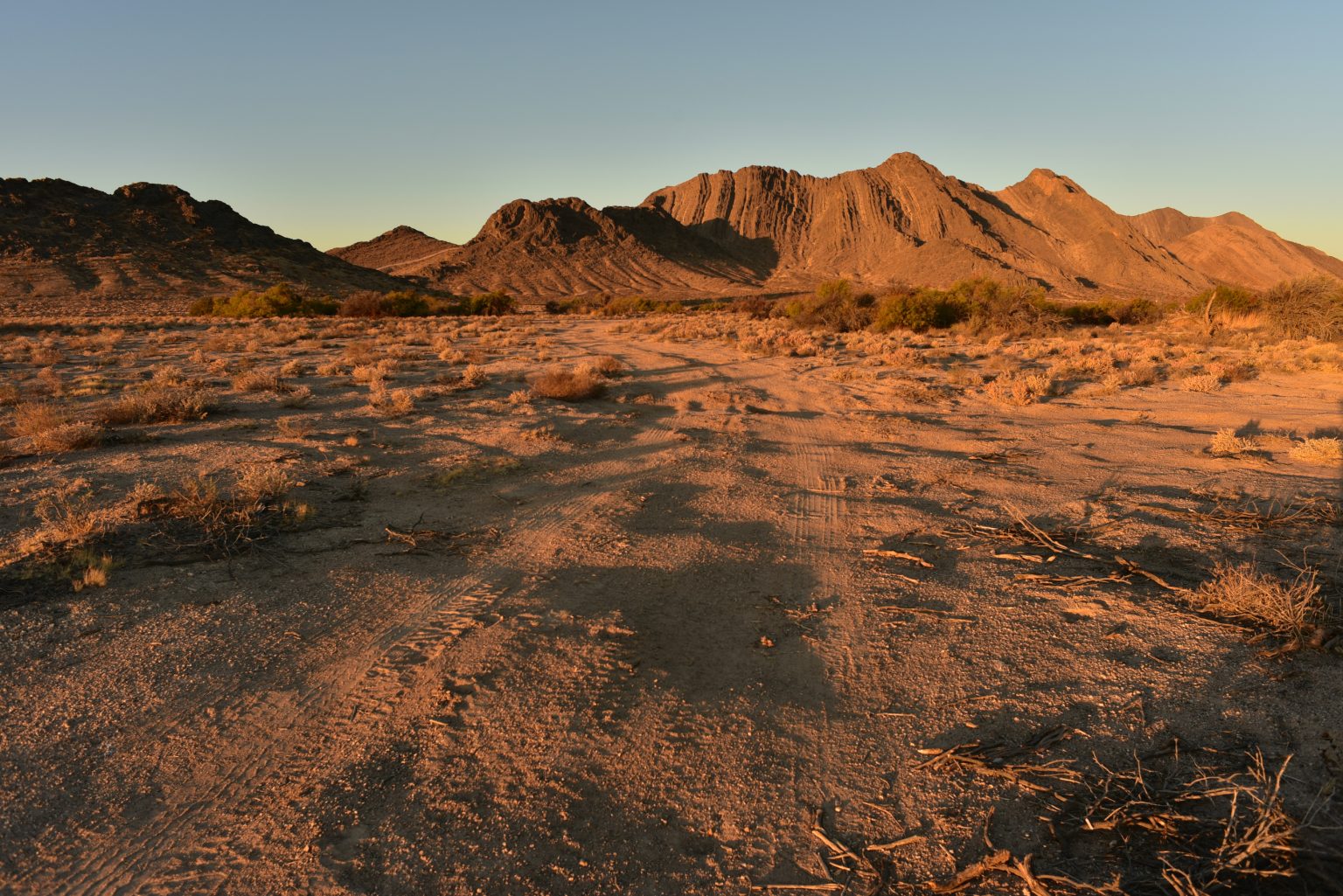
The Mojave Desert covers a large area of the American Southwest, stretching across southeastern California and parts of Nevada, Utah, and Arizona. Its landscape combines dry valleys, mountain ranges, volcanic formations, sand dunes, rocky plains, and ancient lakebeds.
- Where Is the Mojave Desert Located?
- A Landscape Shaped by Geology
- Climate of Extremes
- Plants of the Mojave Desert
- Wildlife of the Mojave
- Cultural History of the Mojave
- Top Places to Visit in the Mojave Desert
- Death Valley National Park
- Joshua Tree National Park
- Mojave National Preserve
- Amboy Crater
- Zabriskie Point
- Suggested 2-Day Mojave Desert Itinerary
- Where to Stay
- Practical Travel Tips
- Hidden Corners Worth Exploring
- A Desert Defined by Variety
The desert is known for its extreme temperatures and distinctive plant life, particularly the Joshua tree (Yucca brevifolia). Major protected areas such as Joshua Tree National Park, Mojave National Preserve, and Death Valley National Park offer very different views of the region, from granite formations and Joshua tree forests to salt flats, volcanic craters, and vast dune fields.
The Mojave is not a uniform landscape. Its elevation changes, geological history, and limited rainfall create a wide range of habitats and scenery across the desert.
Where Is the Mojave Desert Located?
The Mojave Desert covers approximately 125,000 square kilometers across:
- Southeastern California
- Southern Nevada
- Southwestern Utah
- Northwestern Arizona
Elevations range from low desert basins to mountain areas rising well above 1,800 meters, producing significant differences in temperature, vegetation, and landscape.
The Mojave is generally bordered by:
- Great Basin Desert to the north
- Sonoran Desert to the south
- Colorado Plateau to the east
- Sierra Nevada and associated mountain ranges to the west
One of its best-known identifying species is the Joshua tree (Yucca brevifolia), which is native to the Mojave region and neighboring parts of the Southwest.
A Landscape Shaped by Geology
The Mojave contains a remarkable variety of geological formations. Mountain ranges rise from broad desert basins, while wind and water have shaped dunes, canyons, dry lakebeds, and rocky valleys over long periods.
Some of the region’s best-known landscapes include:
- Kelso Dunes, a large dune field within Mojave National Preserve
- Death Valley, with salt flats, mountains, dunes, and colorful badlands
- Badwater Basin, one of the lowest points in North America
- Amboy Crater, a volcanic cinder cone surrounded by lava flows
- Joshua Tree National Park, known for granite formations and Joshua tree landscapes
- Mojave National Preserve, containing dunes, volcanic features, mountains, and historic sites
The region’s geology also includes old mining areas, abandoned settlements, volcanic formations, and dry lakebeds known as playas.
Climate of Extremes
The Mojave has an arid climate with very low precipitation and large temperature differences between seasons and between day and night.
Typical conditions include:
- Annual precipitation: commonly around 50–250 millimeters, depending on location and elevation
- Summer temperatures: can exceed 49°C in the hottest low-elevation areas
- Winter nights: can approach freezing, particularly at higher elevations
- Spring: occasional rainfall can produce seasonal wildflower displays
The most comfortable period for most outdoor activities is generally October through April, when daytime temperatures are more manageable and hiking conditions improve.
Spring can be particularly attractive in years with sufficient rainfall, when wildflowers appear across parts of the desert.
Plants of the Mojave Desert
Mojave vegetation is adapted to limited rainfall, intense sunlight, and long dry periods. The type and density of vegetation vary considerably according to elevation and access to water.
Important desert plants include:
- Joshua tree (Yucca brevifolia), one of the region’s most recognizable species
- Creosote bush, one of the most widespread shrubs in the lower desert
- Mojave yucca, adapted to dry rocky and sandy environments
- Cholla cactus, found in several parts of the Mojave and surrounding deserts
- Seasonal grasses and wildflowers that appear after favorable winter and spring rainfall
In particularly wet years, parts of the desert can experience impressive wildflower displays, although the timing and intensity vary from one year to another.
Wildlife of the Mojave
Despite the region’s limited water and extreme temperatures, the Mojave supports a diverse range of wildlife. Many species are nocturnal or most active during the cooler hours of the day.
Wildlife includes:
- Kit foxes
- Coyotes
- Desert bighorn sheep
- Kangaroo rats
- Desert tortoises
- Sidewinder rattlesnakes
- Common ravens
- Roadrunners
- Various owls, hawks, and other desert birds
The kangaroo rat is particularly well adapted to arid conditions and obtains much of the water it needs from its food.
Wetlands, springs, and other water sources can also attract migratory birds. Locations such as Zzyzx Springs provide important habitat within an otherwise dry environment.
Cultural History of the Mojave
The Mojave has been home to Indigenous peoples for thousands of years. Communities including the Mojave, Chemehuevi, and Southern Paiute developed extensive knowledge of desert water sources, plants, animals, and seasonal travel routes.
Evidence of earlier habitation can be found in archaeological sites, rock art, trails, and other cultural resources.
Later periods brought explorers, miners, railroad workers, ranchers, and settlers into the region. Mining districts, abandoned settlements, railroad infrastructure, and historic roads remain visible across parts of the desert.
Route 66, in particular, became closely associated with the Mojave landscape and continues to attract travelers interested in the region’s transportation and roadside history.
Visitors should treat archaeological and Indigenous cultural sites with care and avoid touching, removing, or disturbing artifacts and rock art.
Top Places to Visit in the Mojave Desert
Death Valley National Park
Death Valley National Park contains some of the region’s most dramatic elevation and landscape contrasts. Visitors can see salt flats, dunes, mountains, canyons, and colorful geological formations within the park.
Badwater Basin, Mesquite Flat Sand Dunes, and Zabriskie Point are among its best-known locations.
Joshua Tree National Park
Joshua Tree National Park lies in the transition zone between the Mojave and Sonoran deserts. It is famous for its Joshua trees, granite boulders, desert trails, and dark night skies.
Popular areas include:
- Hidden Valley
- Keys View
- Cholla Cactus Garden
- Skull Rock
- Jumbo Rocks
Mojave National Preserve
Mojave National Preserve protects a large area of desert containing mountains, volcanic formations, Joshua tree forests, and the Kelso Dunes.
It offers a more remote experience than many of the better-known attractions closer to major cities.
Amboy Crater
Amboy Crater is a volcanic cinder cone located near historic Route 66. Trails around the formation provide views of the surrounding lava fields and desert landscape.
Zabriskie Point
Located in Death Valley, Zabriskie Point is known for its eroded badlands and broad views across the surrounding desert. Sunrise is particularly popular because the low-angle light emphasizes the folds and ridges of the terrain.
Suggested 2-Day Mojave Desert Itinerary
A two-day itinerary can cover several highlights, although the Mojave is too large to experience comprehensively in such a short trip.
Day 1: Dunes and Volcanic Landscapes
- Early morning visit to Kelso Dunes
- Explore sections of Mojave National Preserve
- Continue toward Amboy Crater
- Visit nearby Route 66 sites
- Spend the evening camping or staying near the desert
- Stargaze after dark
Day 2: Death Valley Highlights
- Early visit to Zabriskie Point
- Continue to Badwater Basin
- Explore the Mesquite Flat Sand Dunes
- Stop at selected viewpoints and geological sites
- End the day around Joshua Tree if the route and available time allow
Because the major attractions are spread across a very large area, travelers should plan driving times carefully rather than trying to cover every location in one trip.
Where to Stay
Accommodation ranges from remote campsites to hotels and desert lodges.
Camping
Camping in areas such as Mojave National Preserve provides direct access to the desert landscape and excellent opportunities for stargazing.
Death Valley
Death Valley offers a combination of campgrounds and established lodging within and around the national park.
Joshua Tree
Around Joshua Tree National Park, travelers can choose from:
- Campgrounds
- Guesthouses
- Desert cabins
- Vacation rentals
- Small desert retreats
Reservations are especially important during popular seasons and holiday periods.
Practical Travel Tips
The Mojave can be dangerous without proper preparation, particularly during summer.
- Best time to visit: October to April for most outdoor activities
- Carry plenty of drinking water, even for short hikes.
- Avoid strenuous hiking during the hottest part of the day.
- Bring sunscreen, a hat, sunglasses, and appropriate clothing.
- Carry offline maps or reliable navigation equipment.
- Do not depend entirely on mobile phone coverage in remote areas.
- Check road conditions before entering remote desert routes.
- Keep a safe distance from wildlife, especially snakes and desert tortoises.
- Fill your vehicle with fuel before entering remote areas where services are limited.
- Tell someone about your route when traveling into isolated areas.
For photography, the hours around sunrise and sunset generally provide the best combination of softer light, longer shadows, and cooler temperatures.
Hidden Corners Worth Exploring
Travelers who have more time can explore several lesser-known areas of the Mojave:
- Teutonia Peak Trail: A hiking route through a dense Joshua tree landscape with broad desert views.
- Lava Tube Cave: A volcanic feature within Mojave National Preserve that can be explored under appropriate conditions and with suitable equipment.
- Kelso Depot: A historic railroad depot that provides insight into the development of transportation across the desert.
- Cima Dome: A prominent granite formation known for its broad, rounded profile and surrounding Joshua tree landscape.
Remote locations should be approached with proper navigation and preparation, particularly where roads are unpaved or services are unavailable.
A Desert Defined by Variety
The Mojave Desert is best understood not as a single type of landscape but as a large collection of interconnected desert environments. Joshua tree forests, dry lakebeds, sand dunes, volcanic formations, granite mountains, salt flats, and rugged canyons all form part of the region.
Its wildlife and vegetation are adapted to limited water and extreme temperatures, while Indigenous history, mining, railroads, and Route 66 add layers of human history to the landscape.
For travelers, the Mojave offers a wide range of experiences, from hiking among Joshua trees and exploring volcanic formations to visiting Death Valley’s salt flats and watching the night sky far from major cities. Its defining character comes from this combination of geological variety, desert ecology, extreme climate, and cultural history.