
In Bahrain’s southern desert, where golden plains stretch beneath open skies, gazelles roam freely and flamingos gather beside calm waters. Here lies Al Areen Desert Reserve, an important conservation area that brings together desert landscapes, wetlands, and protected wildlife.
- Where Is Al Areen Desert Reserve Located?
- A Brief History of Al Areen Reserve
- Best Time to Visit Al Areen Desert Reserve
- How to Get to Al Areen from Manama
- Opening Hours and Entry
- Top Things to Do in Al Areen Desert Reserve
- 1. Explore the Wildlife Park
- 2. Visit the Waterbird Sanctuary
- 3. Discover the Arabian Wildlife Center
- 4. Walk Desert Trails and Botanical Gardens
- 5. Combine Your Visit with Al Areen Palace & Spa
- 6. Family-Friendly Experiences
- Suggested 2-Day Al Areen Itinerary
- Where to Stay Near Al Areen
- Culture, Conservation, and Vision
- Practical Travel Tips
- Hidden Gems Near Al Areen
- A Protected Corner of Bahrain’s Desert
The reserve offers a different side of Bahrain’s desert environment. In a region known for its hot and dry climate, Al Areen provides protected habitats for native and migratory species while giving visitors an opportunity to learn more about Bahrain’s approach to wildlife conservation.
Where Is Al Areen Desert Reserve Located?
Al Areen Desert Reserve is located in southern Bahrain, approximately 40 kilometers southwest of Manama, near the Sakhir region.
It sits close to major landmarks, including:
- Bahrain International Circuit (BIC)
- Al Areen Palace & Spa
- The wider Sakhir Desert area
Coordinates: 26.016°N, 50.514°E
The reserve covers about 8 square kilometers, combining desert landscapes, wetlands, and protected wildlife zones.
A Brief History of Al Areen Reserve
Established in 1976, Al Areen Wildlife Park & Reserve was one of the Gulf region’s earliest conservation projects. Its mission was to protect endangered Arabian species and raise awareness about desert ecosystems.
Today, the reserve shelters over 100 animal species and more than 60 plant species, serving as a bridge between scientific research, education, and responsible tourism.
Best Time to Visit Al Areen Desert Reserve
The experience at Al Areen changes with the seasons.
- November to March (20–28°C): Ideal for walking, wildlife observation, and birdwatching
- April to May (30–36°C): Warm, with increased animal activity
- June to September (38–46°C): Very hot, best visited early morning
- October (~30°C): Quieter, softer light, fewer visitors
Winter and early spring are the most comfortable and rewarding periods.
How to Get to Al Areen from Manama
- Distance: 40 km (about 45 minutes by car)
- Route: Manama → Zallaq Highway → Al Areen Road → Sakhir
The entrance is clearly marked and located opposite Al Areen Palace & Spa.
Opening Hours and Entry
- Open daily: 9:00 AM – 4:00 PM (seasonal changes possible)
- Entry fee: approximately BD 1 for adults
- Visitor center: Educational displays and guided tours
Top Things to Do in Al Areen Desert Reserve
1. Explore the Wildlife Park
At the heart of the reserve lies a spacious wildlife park designed to replicate natural desert habitats.
Highlights include:
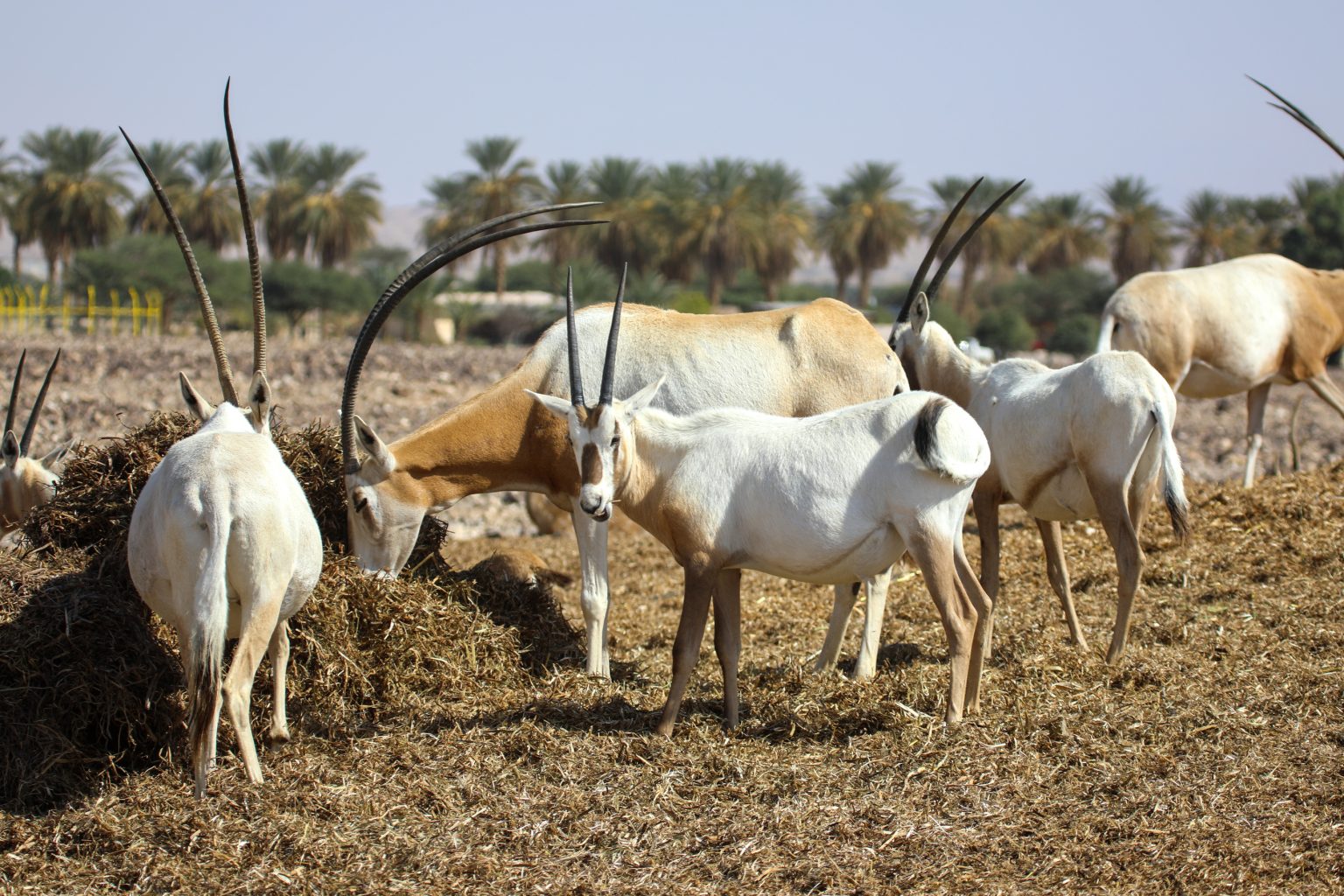
- Arabian oryx, once extinct in the wild
- Gazelles and sand gazelles grazing freely
- Flamingos, ostriches, peacocks, and desert birds
- Desert foxes and porcupines hidden among dunes
Enclosures are open and humane, prioritizing animal wellbeing.
2. Visit the Waterbird Sanctuary
Freshwater lakes surrounded by palms and reeds attract migratory birds.
You may encounter:
- Large groups of pink flamingos
- Ducks, herons, pelicans, and egrets
- Calm reflections at dawn and sunset
This wetland provides an unusual contrast to the surrounding desert and shows how different habitats can exist within the reserve.
3. Discover the Arabian Wildlife Center
This educational zone focuses on conservation and awareness.
It features:
- Native desert plants and animals
- Research on endangered species protection
- Programs for schools and families
It offers insight into Bahrain’s environmental vision.
4. Walk Desert Trails and Botanical Gardens
Shaded walking paths pass acacias, palms, and desert flowers. Observation huts and benches invite visitors to pause, observe, and enjoy the surroundings.
In winter, patches of green and wildflowers appear across the sand.
5. Combine Your Visit with Al Areen Palace & Spa
Next door, Al Areen Palace & Spa offers one of Bahrain’s most refined desert retreats. Many visitors pair a morning in the reserve with a relaxing afternoon at the spa or private villa.
6. Family-Friendly Experiences
Al Areen is suitable for families and school visits, offering:
- Guided electric safari-style tours
- Educational feeding sessions
- Interactive exhibits for children
The combination of wildlife, exhibits, and outdoor spaces makes the reserve accessible to younger visitors as well.
Suggested 2-Day Al Areen Itinerary
Day 1 – Nature and Discovery
- Morning: Drive from Manama to Al Areen Reserve
- Afternoon: Wildlife park, waterbird sanctuary, desert gardens
- Evening: Sunset relaxation at Al Areen Palace & Spa
Day 2 – Culture and Leisure
- Morning: Visit Bahrain International Circuit or explore Sakhir Desert
- Afternoon: Gentle desert walk or spa time
- Evening: Return to Manama
Where to Stay Near Al Areen
Luxury
- Al Areen Palace & Spa – private villas in the desert
- Sofitel Bahrain Zallaq – beach resort, 20 minutes away
Mid-Range
- BIC Desert Lodges for motorsport enthusiasts
- Manama hotels for urban comfort
Culture, Conservation, and Vision
Al Areen reflects Bahrain’s long relationship with its desert environment. For generations, Bedouin communities relied on careful use of land, animals, and water in a challenging climate.
Today, the reserve combines this traditional awareness of the desert with modern conservation, creating protected habitats for wildlife and a space for environmental education.
Practical Travel Tips
- Visit early morning for the best wildlife activity
- Bring binoculars for birdwatching
- Do not feed animals without permission
- Wear sunscreen and stay hydrated
- Drones require special permits
- Keep noise low, as this is a protected wildlife area
Hidden Gems Near Al Areen
- Sakhir Desert for night camping and dune drives
- Tree of Life, Bahrain’s iconic natural wonder
- Zallaq Beach for sea breezes after desert heat
- Oil Museum near the first oil well
- Bahrain International Circuit
A Protected Corner of Bahrain’s Desert
Al Areen Desert Reserve offers a different way to experience Bahrain’s southern landscape. Instead of vast open dunes alone, visitors find wildlife habitats, wetlands, native plants, and conservation projects within the desert.
For travelers interested in nature and wildlife, the reserve provides a useful introduction to Bahrain’s environment while showing how protected areas can support life in an arid climate.