
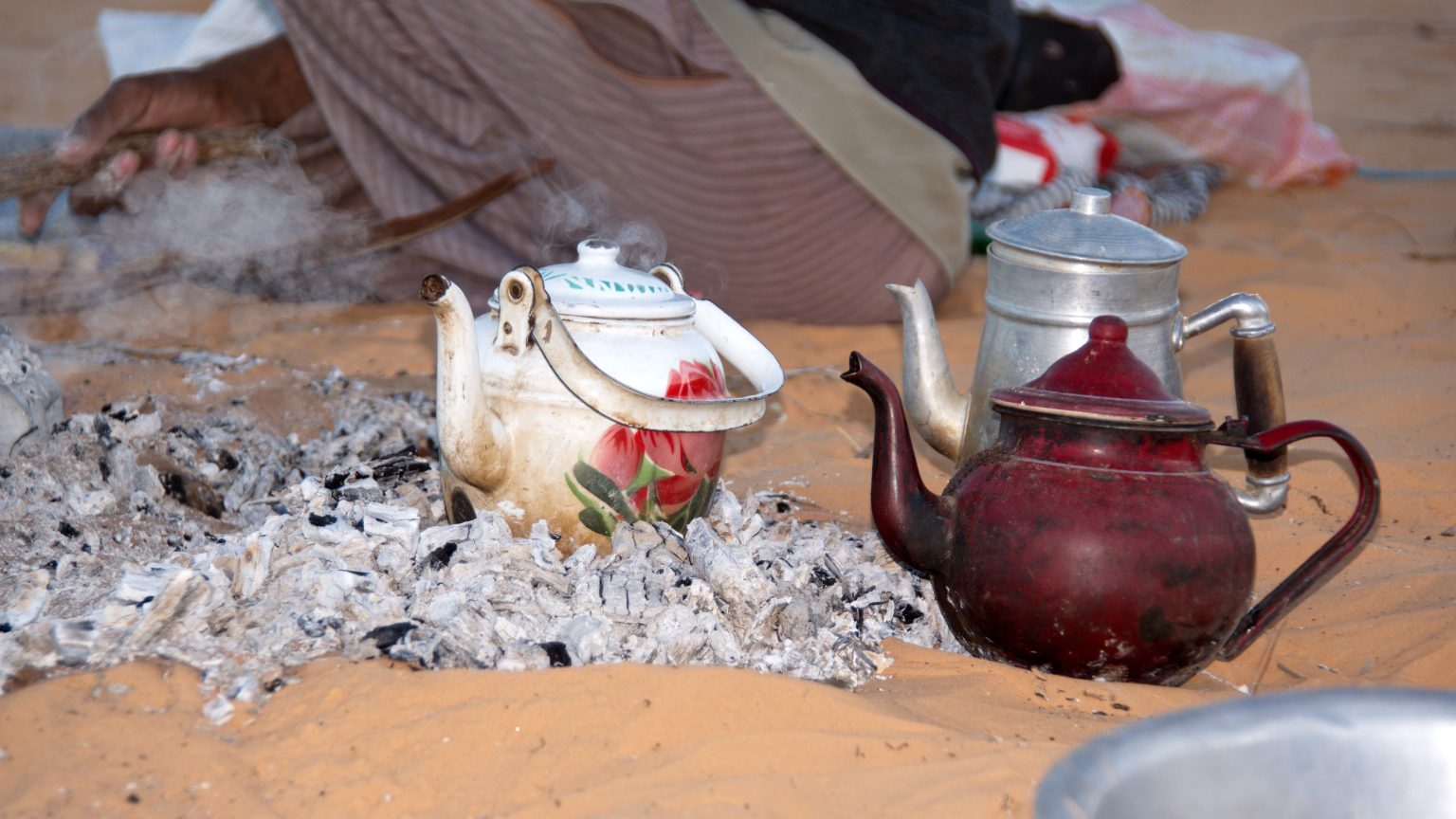
Southern Tunisia has a diverse food culture shaped by oasis agriculture, pastoral traditions, Amazigh heritage, and centuries of trade across North Africa. Tunisian desert cuisine brings together grain-based dishes, dates, olive oil, meat, and locally available ingredients. Exploring traditional food in southern Tunisia reveals regional differences between places such as Tataouine, Tozeur, Nefta, and Douz, while Saharan Tunisian dishes show how local cooking has adapted to different environments and ways of life.
- The Cultural Roots of Southern Tunisian Food
- Essential Ingredients in the Southern Tunisian Kitchen
- Famous Foods of Southern Tunisia
- Southern-Style Couscous
- Méchoui: Roasted Meat for Gatherings
- Lablabi: Chickpea Soup with Bread
- Kaddid: Preserved Meat
- Tabouna and Mella Bread
- Regional Food Traditions Across Southern Tunisia
- Douz and Saharan Food Culture
- Tozeur and Nefta: Oasis Ingredients
- Tataouine and Chenini: Amazigh Food Heritage
- Spices and Seasonings in Tunisian Cooking
- Hospitality and Sharing Food
- Food for Celebrations and Religious Occasions
- Drinks in Southern Tunisia
- Traditional Cooking Equipment and Skills
- From Traditional Food to Contemporary Tourism
- Food Experiences in the South
- Contemporary Chefs and Regional Ingredients
- Food Preservation and Responsible Use of Resources
- Discovering Southern Tunisia Through Its Food
The Cultural Roots of Southern Tunisian Food
Amazigh Heritage
Amazigh communities have a long history in southern Tunisia, including the mountain villages and settlements around Tataouine and Matmata. Their food traditions developed through farming, livestock raising, storage techniques, and the use of locally available ingredients.
Common ingredients in southern Tunisian cooking include:
- Dates, especially in oasis regions.
- Wheat and barley, used in breads and grain-based dishes.
- Olive oil, widely used in Tunisian cooking.
- Beans, chickpeas, and other legumes.
- Lamb, goat meat, and other locally available meats.
- Dried herbs and spices used to season everyday meals.
These ingredients are not exclusive to Amazigh communities. They form part of the wider food culture of Tunisia, with recipes and preparation methods varying by region and family.
Arab Influence and Regional Exchange
Arab cultural influences, alongside older Amazigh traditions and wider Mediterranean connections, have contributed to the development of Tunisian cuisine. Spices such as cumin, coriander, and caraway appear in different regional dishes, while bread, soups, stews, and couscous remain important across the country.
Rather than representing a simple blend of two cuisines, southern Tunisian food reflects many generations of exchange, local adaptation, and family cooking practices.
The Mediterranean and the Sahara
Southern Tunisia connects inland settlements and oasis communities with coastal and Mediterranean food networks. The ingredients available in a particular town depend on local agriculture, markets, transport, and household resources.
Cooking methods also vary. Some dishes are prepared slowly in pots, while others are baked in traditional ovens or cooked over heat. The food of southern Tunisia shares many features with the rest of the country but also reflects the agricultural and pastoral traditions of its different regions.
Essential Ingredients in the Southern Tunisian Kitchen
Couscous and Grain-Based Foods
Couscous is one of Tunisia’s best-known dishes and is prepared in many regional styles. It is commonly made from semolina and served with vegetables, meat, or fish, depending on the recipe and location.
In southern Tunisia, ingredients may include:
- Semolina or other locally used grains.
- Lamb or other meats.
- Seasonal vegetables.
- Chickpeas and other legumes.
- Harissa and spices.
- Olive oil and a seasoned cooking broth, often called marqa.
Couscous is not one fixed recipe. Its ingredients, seasoning, and preparation differ between households and occasions.
Dates from the Oasis Regions
Dates are an important agricultural product in southern Tunisia. The Tozeur and Kebili regions are particularly associated with date cultivation, including Deglet Nour, a variety valued for its translucent appearance and sweet flavour.
Dates can be eaten fresh or dried, served with tea, or used in sweets and other preparations. They are also convenient to carry during travel because they are easy to store and provide energy.
Common ways to enjoy dates include:
- Eating them as a snack.
- Serving them with coffee or tea.
- Using them in pastries and desserts.
- Pairing them with nuts or other dried fruits.
- Incorporating them into selected sweet and savoury recipes.
The exact uses depend on the recipe and local preferences. Dates are not a substitute for adequate water during desert travel.
Olive Oil and Herbs
Olive oil is widely used throughout Tunisia, including in the south. Its flavour varies according to the olive variety, growing conditions, and production method, so it is not accurate to attribute the country’s best olive oils to only one southern town.
Herbs and spices used in Tunisian cooking can include:
- Cumin, which adds an earthy, warm flavour.
- Coriander, used in spice blends and cooked dishes.
- Caraway, found in several Tunisian preparations.
- Thyme and rosemary, depending on the recipe.
- Garlic, dried chilli, and other seasonings.
These ingredients are used in different combinations. Their proportions depend on the dish and the cook.
Famous Foods of Southern Tunisia
Southern-Style Couscous
Couscous is prepared throughout Tunisia, with regional differences in seasoning, vegetables, and meat. Southern versions may feature lamb, seasonal vegetables, chickpeas, and a broth seasoned with chilli and other spices.
Some recipes use dried meat known as kaddid, which adds a concentrated savoury flavour. The ingredients and cooking methods differ between families, so there is no single recipe that represents every desert community.
Couscous is often served at family gatherings and celebrations, although it is also an everyday meal.
Méchoui: Roasted Meat for Gatherings
Méchoui is a preparation of roasted meat, often lamb, found in several North African food traditions. It is associated with gatherings and special occasions, although its preparation varies by region.
Depending on the method, the meat may be seasoned simply or with ingredients such as:
- Salt and pepper.
- Garlic.
- Cumin or other spices.
- Olive oil or other fat, depending on the recipe.
Méchoui is generally roasted rather than necessarily cooked in a sand oven. It should not be described as a uniquely southern Tunisian dish, since versions are found across the wider region.
Lablabi: Chickpea Soup with Bread
Lablabi is a well-known Tunisian chickpea soup served with pieces of bread and seasonings. It is eaten in different parts of Tunisia, particularly as a filling and affordable meal.
Common additions include:
- Cooked chickpeas.
- Pieces of bread.
- Garlic and cumin.
- Harissa.
- Olive oil.
- Lemon juice.
- An egg or other optional toppings.
Recipes vary between vendors and households. Although lablabi is not exclusive to the desert south, it belongs to Tunisia’s broader culinary tradition and may be found in towns across the country.
Kaddid: Preserved Meat
Kaddid is meat that has been salted and dried or otherwise preserved using traditional methods. It can be prepared from lamb or other meat, depending on the local practice.
Preserving meat helps extend its storage life when refrigeration is unavailable. Kaddid may be used in dishes such as couscous, stews, and other cooked meals.
Preparation differs by family and region. It is important not to assume that every household uses the same spices or drying method.
Tabouna and Mella Bread
Bread is central to Tunisian meals and comes in several regional forms.
- Tabouna bread is traditionally associated with baking in a special oven, often made from clay or another heat-resistant material.
- Mella refers to traditional bread preparations associated with baking in hot ashes or embers in some regional contexts.
- Everyday breads made in modern ovens are also common throughout southern Tunisia.
The ingredients and methods vary, and names can have different uses across regions. Bread may accompany soups, stews, olive oil, and other dishes.
Regional Food Traditions Across Southern Tunisia
Douz and Saharan Food Culture
Douz is widely associated with the Sahara and serves as a starting point for some desert excursions. The town is also known for the International Festival of the Sahara, which showcases aspects of Saharan culture, including music, traditional activities, and performances.
Food available in Douz reflects both everyday Tunisian cooking and the needs of visitors. Travellers may find couscous, grilled meat, bread, dates, and other regional dishes, depending on the restaurant or event.
Claims about a distinctive camel-meat stew being a defining dish of Douz should be treated cautiously unless a specific local recipe or establishment can be identified.
Tozeur and Nefta: Oasis Ingredients
Tozeur and Nefta are associated with oasis agriculture, particularly date cultivation. The surrounding palm groves support an agricultural landscape that differs from the drier areas beyond the oases.
Foods and ingredients associated with this region include:
- Dates, including varieties grown in local palm groves.
- Grain-based dishes such as couscous.
- Bread and pastries.
- Olive oil and locally available vegetables.
- Meat and stews prepared for family meals or celebrations.
Date-based sweets are found in Tunisian cuisine, but the ingredients and recipes vary. A dish should not be attributed to Tozeur or Nefta without a reliable regional connection.
Tataouine and Chenini: Amazigh Food Heritage
Tataouine and nearby villages such as Chenini are associated with Amazigh heritage and distinctive traditional architecture. Local food practices reflect the wider southern Tunisian use of grain, olive oil, dates, legumes, and meat.
Regional dishes may include couscous and breads prepared using traditional techniques. The availability of particular recipes varies by household, village, and season.
Amazigh food traditions in Tunisia are diverse. They should not be reduced to a single menu or assumed to be identical across all villages in the south.
Spices and Seasonings in Tunisian Cooking
Harissa and Chilli-Based Seasoning
Harissa is a well-known Tunisian chilli paste made with dried chillies and other ingredients, often including garlic, spices, and oil. Recipes differ in heat level, texture, and seasoning.
Harissa may be served alongside a meal or incorporated into soups, stews, sauces, and other dishes. Its use is widespread in Tunisia and is not restricted to the southern desert regions.
Common Spices
Several spices appear in Tunisian cooking, with combinations depending on the recipe.
- Cumin: Adds an earthy flavour to soups, legumes, and meat dishes.
- Coriander: Used in seasoning blends and cooked preparations.
- Caraway: Appears in selected Tunisian spice mixtures and regional recipes.
- Paprika and dried chilli: Add colour and heat to certain dishes.
- Garlic: Provides flavour in sauces, soups, and meat preparations.
Spices contribute aroma and taste, but claims that a particular spice warms the body or improves digestion should not be presented as established medical effects without suitable evidence.
Hospitality and Sharing Food
Eating Together
Meals can play an important role in family life and hospitality across Tunisia. Guests may be welcomed with refreshments or invited to share a meal, depending on the household and circumstances.
Traditional meals may be served from shared dishes, while other meals use individual plates. Practices differ between families, and it would be inaccurate to claim that everyone in southern Tunisia always eats with the right hand from one communal dish.
Offering Food to Guests
Hospitality is an important social value in many Tunisian communities. Hosts may offer tea, coffee, dates, pastries, or a meal to visitors.
The specific customs vary by family and occasion. Visitors should follow their host’s guidance, ask questions politely, and respect local expectations when attending a family gathering.
Food for Celebrations and Religious Occasions
Weddings and Family Gatherings
Wedding meals can include couscous, roasted meat, pastries, and other dishes chosen by the family. The menu depends on local customs, household resources, and personal preferences.
Traditional sweets may include makroudh, a pastry commonly made with semolina and a date filling, although recipes and shapes vary across Tunisia.
Music, singing, and other celebrations may accompany wedding meals, but the customs are not identical in every southern community.
Ramadan
During Ramadan, families prepare meals for breaking the daily fast after sunset. Foods vary, but common options across Tunisia include:
- Dates and water to begin the meal.
- Soup.
- Brik, a thin pastry filled with ingredients such as egg or tuna and then fried.
- Bread and other savoury dishes.
- Sweets and drinks served according to household preferences.
Not every household follows the same menu, and regional variations are common.
The Festival of the Sahara in Douz
The International Festival of the Sahara in Douz is associated with Saharan cultural heritage and typically features performances and traditional activities. The programme and dates can vary from year to year, so visitors should check current information before travelling.
Food stalls and local vendors may be part of the festival experience, but the event should not be presented as a single fixed culinary celebration. Its wider focus includes cultural performances and activities.
Drinks in Southern Tunisia
Mint Tea
Mint tea is served in many parts of Tunisia and can be offered to guests at home, in cafés, and during social gatherings. Preparation varies, but tea may be sweetened and flavoured with mint or other herbs.
Visitors may encounter tea served in small glasses, especially in traditional cafés and settings where hospitality is part of the experience.
Camel Milk
Camel milk is used as food in some pastoral communities across North Africa and other arid regions. However, it should not be described as a drink consumed by all residents of southern Tunisia or as a defining feature of every desert town.
Its availability depends on local livestock practices and supply. Visitors interested in trying it should ask about the source and handling of the milk and choose food providers that follow appropriate hygiene standards.
Date Syrup and Herbal Infusions
Dates are used in a variety of sweet preparations, and date-based syrups may be available through local producers and markets. Their use varies by recipe.
Herbal infusions made from plants such as thyme or rosemary may be prepared in some households, but specific medicinal claims should not be made without evidence. Traditional use does not automatically establish a treatment’s medical effectiveness.
Traditional Cooking Equipment and Skills
Clay Ovens, Pots, and Open Fires
Traditional cooking equipment varies across southern Tunisia. Depending on the dish and setting, people may use:
- Clay or masonry ovens for bread.
- Pots for soups, stews, and sauces.
- Cooking vessels suited to couscous preparation.
- Grills or open fires for roasting meat.
- Modern gas or electric appliances in contemporary kitchens.
Not every household continues to use traditional equipment, and the methods used today reflect changes in housing, fuel availability, and daily routines.
Passing on Recipes
Family members may learn cooking techniques through observation, shared preparation, and experience. Recipes can be adapted as ingredients, tools, and personal preferences change.
Women have played important roles in transmitting many household cooking traditions, but food preparation is not exclusively women’s work. Responsibilities differ between families and generations.
From Traditional Food to Contemporary Tourism
Food Experiences in the South
Visitors to Tozeur, Douz, and Tataouine may encounter regional foods through restaurants, markets, guesthouses, and tourism experiences. Some providers offer opportunities to learn about couscous preparation, bread baking, or local ingredients.
The availability of these activities varies. Travellers should confirm what is offered before booking and ask whether an experience is run in collaboration with local cooks or producers.
Contemporary Chefs and Regional Ingredients
Tunisian chefs and food businesses continue to reinterpret traditional ingredients through modern cooking. Date-based desserts, regional breads, couscous, olive oil, and meat dishes may appear in both traditional and contemporary menus.
These developments create opportunities to introduce regional ingredients to new audiences while keeping their origins clear. Not every modern dish is an old desert recipe, and contemporary adaptations should be identified as such.
Food Preservation and Responsible Use of Resources
Traditional preservation methods, seasonal cooking, and careful use of ingredients can offer useful lessons about food management. However, it is important not to assume that every traditional practice was designed with modern sustainability goals in mind.
Practical approaches to reducing food waste include:
- Planning meals around the amount of food needed.
- Storing ingredients appropriately.
- Using suitable preservation methods.
- Making use of leftovers safely.
- Supporting local producers when possible.
Water conservation is also important in arid regions, particularly where agricultural production depends on limited supplies. Sustainable practices need to reflect local conditions and current evidence.
Discovering Southern Tunisia Through Its Food
Southern Tunisia’s cuisine reflects a combination of Amazigh heritage, wider Tunisian traditions, oasis agriculture, pastoral livelihoods, and regional exchange. Couscous, dates, breads, olive oil, harissa, and preserved foods appear in different forms across the south, while local recipes and ingredients vary from one place to another.
Exploring traditional Tunisian desert food means paying attention to these regional differences rather than treating the Sahara as a single culinary culture. From date-growing areas around Tozeur and Kebili to the Amazigh heritage of villages near Tataouine, local food offers insight into agriculture, family life, and the changing traditions of southern Tunisia.
For travellers, tasting regional dishes can be a useful way to discover the country’s cultural diversity. Asking about a dish’s ingredients, origin, and preparation helps preserve the connection between the food and the people who continue to make it.