
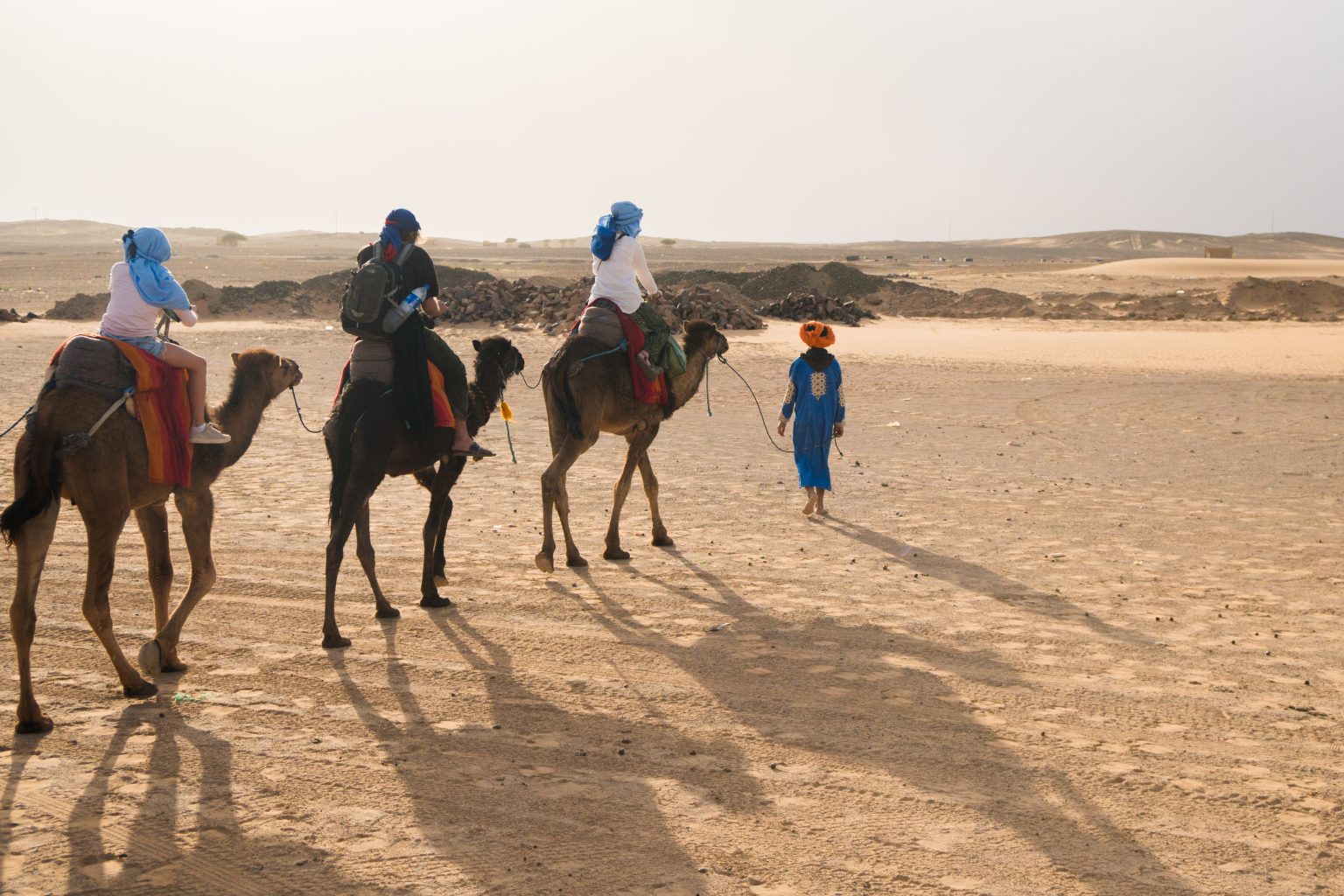
The Sahara Desert in Morocco offers a remarkable mix of vast dunes, rocky plains, palm-filled oases and remote settlements. Whether you explore by camel or travel in a 4×4, the journey reveals landscapes and traditions that extend far beyond the familiar image of golden sand.
- What Makes a Sahara Desert Tour in Morocco Special?
- Best Routes to Explore the Moroccan Sahara
- 1. Marrakech to Merzouga via the High Atlas Mountains
- 2. Marrakech to Erg Chigaga via the Draa Valley
- 3. Merzouga and Erg Chebbi
- 4. Zagora and the Draa Valley
- What to Expect on a Moroccan Desert Tour
- The Best Time to Visit the Moroccan Sahara
- What to Pack for the Sahara Desert
- Understanding Amazigh Culture in the Sahara
- Responsible Travel and Desert Conservation
- Morocco Sahara Tour Prices and Options
- A Practical Three-Day Sahara Tour from Marrakech
- Day 1: Marrakech to the Dades Valley
- Day 2: Dades Valley to Merzouga
- Day 3: Sunrise and Return to Marrakech
- Choosing Between Merzouga and Erg Chigaga
- Discover the Moroccan Sahara at Your Own Pace
A Morocco Sahara desert tour can include camel trekking at sunset, a night in a desert camp, visits to historic kasbahs and opportunities to learn about Amazigh culture. This Moroccan Sahara travel guide explains the main destinations, popular routes, seasonal conditions, tour costs and practical steps for planning a responsible desert trip.
What Makes a Sahara Desert Tour in Morocco Special?
The Moroccan Sahara is a varied landscape of dunes, gravel plains, dry valleys and oases. Its appeal lies not only in the scenery but also in the communities whose livelihoods and traditions have developed in response to the desert environment.
Depending on your route, a desert tour may include:
- Camel trekking: Ride across accessible dunes near Merzouga or take a shorter excursion around a desert camp.
- 4×4 desert adventures: Explore authorized tracks and remote landscapes with experienced local drivers.
- Overnight desert camping: Stay in a traditional-style tent or a more comfortable camp with private facilities.
- Stargazing: Enjoy the night sky away from the stronger lights of towns.
- Amazigh cultural experiences: Learn about regional music, food, crafts and local history through community-based activities.
- Oasis and kasbah visits: Discover palm groves, traditional architecture and historic settlements along the southern routes.
The experience depends on the destination and operator. A busy camp near a popular dune area offers a different atmosphere from a remote excursion requiring several hours of off-road travel.
Best Routes to Explore the Moroccan Sahara
1. Marrakech to Merzouga via the High Atlas Mountains
The route from Marrakech to Merzouga and Erg Chebbi is one of Morocco’s best-known desert journeys. It crosses the High Atlas Mountains and passes through landscapes shaped by mountain roads, historic settlements and southern valleys.
A typical itinerary may include:
- Tizi n’Tichka Pass: A mountain crossing with broad views of the High Atlas.
- Aït Ben Haddou: A historic ksar recognized as a UNESCO World Heritage Site.
- Ouarzazate: A gateway to southern Morocco, with historic architecture and film-related attractions.
- Dades Valley or Todra Gorge: Dramatic valleys and rock formations that can be included depending on the itinerary.
- Merzouga and Erg Chebbi: The main destination for camel rides, dune walks and desert camping.
A three-day round trip from Marrakech is common, but it involves substantial driving and leaves limited time at some stops. Four days or longer allows a more relaxed pace, especially if you want to explore the valleys or spend additional time in the desert.
Best for: First-time visitors who want a combination of mountain scenery, historic sites and the classic Sahara dune experience.
2. Marrakech to Erg Chigaga via the Draa Valley
For a more remote desert experience, travel south through the Draa Valley toward Zagora and M’Hamid El Ghizlane, a gateway for excursions into the desert around Erg Chigaga.
This route passes through palm groves, villages, historic kasbahs and increasingly open landscapes before reaching the sandy terrain around the dunes.
Highlights include:
- Agdz and the Draa Valley: A landscape of date-palm groves, villages and traditional architecture.
- Zagora: A useful stop on the journey south.
- M’Hamid El Ghizlane: A base for arranging guided desert excursions.
- Erg Chigaga: A remote dune area reached by suitable off-road vehicles, generally with an experienced local driver.
- Desert camping: Overnight stays at camps reached by organized excursions.
Access to Erg Chigaga usually involves extended driving on rough tracks. Conditions and travel times vary, so confirm the route and vehicle arrangements before booking.
Best for: Travelers seeking a quieter desert setting, longer off-road journeys and a stronger sense of distance from major towns.
3. Merzouga and Erg Chebbi
Erg Chebbi, near Merzouga in southeastern Morocco, is known for its large, sweeping dunes and established range of desert tourism services. It is one of the most convenient places to arrange a camel ride and overnight camp.
Popular activities include:
- Sunset or sunrise camel rides.
- Walking on the dunes and photographing changing colors.
- Staying overnight in a standard or luxury desert camp.
- Sandboarding where the operator provides suitable equipment and access.
- Visiting nearby villages and learning about regional culture.
Merzouga is also a practical base for exploring the wider area, including local oases and the seasonal lake of Dayet Srij when water conditions allow.
Best for: First-time desert travelers, couples, families and visitors who want a wide choice of camps and organized activities.
4. Zagora and the Draa Valley
The Zagora region offers a different experience from Merzouga. The journey focuses more on palm groves, historic villages and the transition from settled agricultural landscapes to the desert around M’Hamid.
A trip may include:
- Scenic drives through the Draa Valley.
- Visits to local markets and historic settlements.
- Guided excursions from Zagora or M’Hamid.
- Camel rides and overnight camping, depending on the chosen route.
Zagora is often marketed as a shorter desert trip from Marrakech, but reaching the major dunes of Erg Chebbi or Erg Chigaga involves different routes and travel times. Check exactly which destination is included before booking.
Best for: Travelers interested in southern Moroccan landscapes and oasis culture, particularly when they have limited time.
What to Expect on a Moroccan Desert Tour
Most organized Sahara tours combine transportation, selected sightseeing stops and a desert activity. The precise experience depends on whether you choose a shared group tour, a private journey or a stay booked directly with a local desert operator.
A typical itinerary may include:
- Transportation: A minibus, private vehicle or 4×4, depending on the route and package.
- Camel ride: Often scheduled around sunset or sunrise near the dunes.
- Desert camp accommodation: From basic tents with shared facilities to luxury tents with private bathrooms.
- Meals: Dinner and breakfast are commonly included in overnight camp packages, while lunch and drinks may cost extra.
- Cultural activities: Some camps offer music or demonstrations, but the program varies by provider.
- Scenic stops: Historic kasbahs, mountain passes, gorges, villages or oases along the route.
Before booking, check the vehicle type, group size, accommodation standard, meal inclusions, camel ride duration and whether the camp is reached by camel, 4×4 or both.
The Best Time to Visit the Moroccan Sahara
The most comfortable season for many travelers is autumn through early spring, although weather varies between destinations and from year to year.
October to November
Autumn often brings more comfortable daytime temperatures after the summer heat. It is a good period for camel trekking, photography and overnight camping, although warm afternoons are still possible.
December to February
Winter is a popular time for desert trips because daytime conditions are often more suitable for outdoor activities. However, temperatures can fall sharply after sunset, particularly in exposed camps.
Bring warm clothing and confirm whether bedding and heating arrangements are provided.
March to April
Spring can be a good time to visit, with warmer days and cooler evenings. Conditions vary, and occasional strong winds or dust can affect outdoor activities.
May to September
Summer can bring extreme heat, especially in June, July and August. Camel rides and outdoor activities are generally best scheduled for early morning or late afternoon, and some travelers may prefer to avoid the hottest months.
For many visitors, October to April offers the most practical balance of daytime comfort and overnight desert experiences. Check the forecast close to departure rather than relying on seasonal averages alone.
What to Pack for the Sahara Desert
Temperatures can change considerably between day and night, so pack for both sun and cold.
Essential Items
- Lightweight, breathable clothing: Long sleeves and loose trousers help protect against sun and dust.
- Warm layers: Bring a jacket or fleece for cold evenings and early mornings.
- Head covering or scarf: Useful for sun, wind and blowing sand.
- Sunglasses and sunscreen: Essential during extended periods outdoors.
- Comfortable footwear: Choose shoes suitable for walking on sand and uneven ground.
- Reusable water bottle: Follow your guide’s advice about water supplies and refilling.
- Personal medication and basic toiletries: Especially important on overnight excursions.
Useful Extras
- A flashlight or headlamp.
- A power bank and charging cables.
- A camera stored in a dust-resistant bag.
- Cash in Moroccan dirhams for small purchases and locations where cards may not be accepted.
- A small daypack for water, sun protection and extra clothing.
ATMs and shops are available in many towns, including major tourist gateways, but services become more limited on remote routes. Carry enough cash for planned expenses without relying on finding an ATM near a desert camp.
Understanding Amazigh Culture in the Sahara
Amazigh communities have a long history across Morocco, including its southern valleys, mountain regions and desert-edge settlements. Their cultural traditions include languages, music, crafts, food and forms of local knowledge shaped by different environments and histories.
During a desert trip, you may have opportunities to:
- Share mint tea with a local host.
- Learn about regional food and bread-making.
- Explore handmade textiles, jewelry or other crafts.
- Hear local music and learn about its regional context.
- Visit a village or oasis with a knowledgeable local guide.
The term Amazigh refers to Indigenous peoples of North Africa, while Gnawa music has its own distinct history and cultural traditions in Morocco. These should not be treated as interchangeable labels for all desert music or communities.
Hospitality is important in many Moroccan settings, but customs differ between households and circumstances. Accept invitations respectfully, ask before taking photographs and avoid assuming that every encounter is a staged tourist activity.
Responsible Travel and Desert Conservation
The Sahara’s ecosystems are fragile, and tourism can affect dunes, wildlife, water resources and local communities. Choosing responsible operators helps reduce unnecessary impacts.
Follow these practices:
- Choose locally responsible operators: Look for clear information about local employment, animal welfare and environmental practices.
- Stay on authorized tracks: Avoid driving across fragile vegetation or sensitive terrain.
- Respect camel welfare: Choose operators who provide appropriate care, water, rest and suitable equipment.
- Reduce plastic waste: Carry reusable items and take all rubbish back with you.
- Respect local communities: Ask permission before photographing people or entering private land.
- Protect wildlife: Observe animals from a distance and avoid disturbing their habitat.
- Use water thoughtfully: Water is a limited resource in many desert settlements and camps.
Responsible travel is not about expecting every camp to be identical. It is about asking informed questions, respecting local guidance and choosing services that treat people, animals and the environment well.
Morocco Sahara Tour Prices and Options
Tour prices vary according to departure city, group size, season, transportation, accommodation and the number of nights spent in the desert. A shared minibus tour from Marrakech is not directly comparable with a private 4×4 journey or a luxury camp package.
As a rough planning guide, published prices for common routes can fall within these ranges:
- Three-day shared Marrakech–Merzouga tour: approximately €100–€180 per person.
- Three-day private Marrakech–Merzouga tour: approximately €250–€450 per person, with the final price depending heavily on group size and comfort level.
- Luxury desert camp: often around €150–€250 per person per night for some packages, although premium options can cost more.
These are indicative estimates, not fixed rates or confirmed quotes. Prices can fall outside these ranges, and camp-only bookings may cost less than a tour that includes long-distance transportation.
Before paying, compare:
- The exact route and number of nights.
- Shared versus private transportation.
- Hotel and camp names and room or tent category.
- Whether meals, drinks, camel rides and transfers are included.
- Cancellation terms and any additional fees.
A very low headline price may exclude lunches, drinks, entrance fees or other costs. Ask for a complete itinerary and written list of inclusions so you can compare offers fairly.
A Practical Three-Day Sahara Tour from Marrakech
This sample itinerary follows the popular Marrakech-to-Merzouga route. It is a busy schedule, so allow extra time if you prefer slower travel or more sightseeing.
Day 1: Marrakech to the Dades Valley
Leave Marrakech and cross the High Atlas Mountains via Tizi n’Tichka. Visit Aït Ben Haddou if time and the itinerary allow, then continue through the Ouarzazate region toward the Dades Valley.
The day involves several hours of driving, so expect scenic stops rather than extended visits at every location. Overnight in accommodation arranged by your tour operator.
Day 2: Dades Valley to Merzouga
Continue through the southern valleys toward Merzouga. Depending on the route, the day may include a visit to Todra Gorge or other local stops.
Arrive near Erg Chebbi and join a sunset camel ride or another organized transfer to your desert camp. Enjoy dinner and spend the night at the accommodation included in your package.
Day 3: Sunrise and Return to Marrakech
Wake early to see the dunes at sunrise if weather and the schedule permit. After breakfast, begin the return journey toward Marrakech.
Because the return drive is long, stops may be limited and arrival time can vary. If you want to explore more of the desert or avoid spending so much of the trip on the road, consider a four-day itinerary or a different starting point.
Choosing Between Merzouga and Erg Chigaga
Both destinations offer memorable desert experiences, but they suit different travel plans.
Choose Merzouga and Erg Chebbi if you want:
- A well-established destination with many accommodation choices.
- A convenient range of camel rides and overnight camps.
- A classic dune landscape on a popular southern Morocco itinerary.
- More choice when comparing tour styles and comfort levels.
Choose Erg Chigaga if you want:
- A more remote dune destination.
- A longer off-road journey from the desert gateway.
- A trip that usually requires more advance planning.
- A quieter setting, depending on the camp and season.
Neither destination guarantees complete solitude. Visitor numbers vary, and the best choice depends on your available time, budget and preferred style of travel.
Discover the Moroccan Sahara at Your Own Pace
A journey through the Moroccan Sahara can combine towering dunes, palm-filled valleys, historic settlements and meaningful cultural encounters. From the accessible camps around Erg Chebbi to the more remote landscapes of Erg Chigaga, each destination offers a different way to experience southern Morocco.
Plan realistic driving times, choose an operator carefully and prepare for changing temperatures. Above all, approach the desert with respect for the people who live there and the fragile environment that surrounds them. With thoughtful preparation, a Morocco Sahara desert tour can become a rewarding journey through the country’s landscapes, heritage and living traditions.