
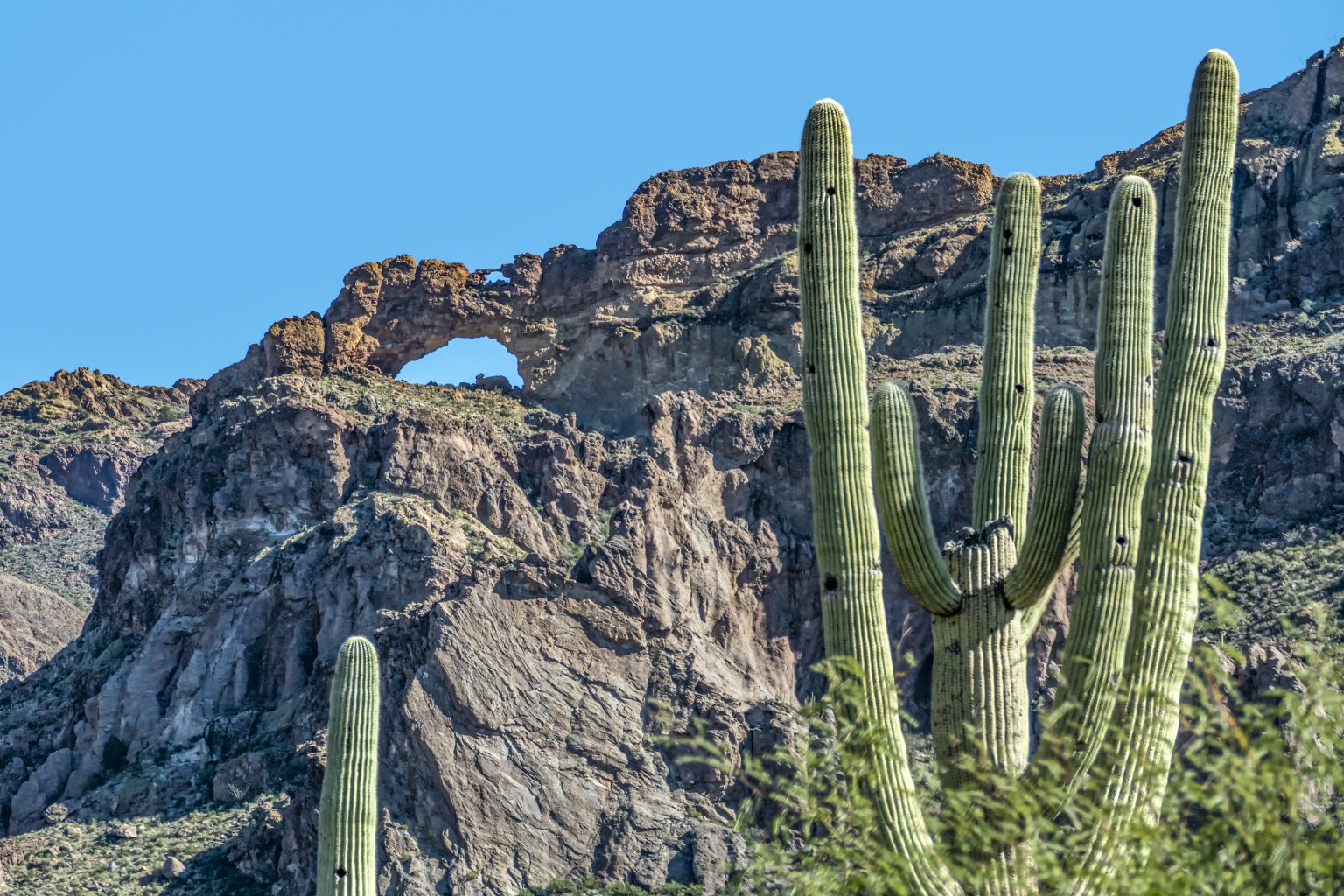
Mexico is home to several major desert regions, each with its own landscape, wildlife, and vegetation. The Chihuahuan Desert covers a large area of northern Mexico, while the Sonoran Desert stretches toward the Gulf of California and is known for its exceptional cactus diversity.
- The Main Deserts in Mexico
- Chihuahuan Desert: Mexico’s Largest Desert Region
- Sonoran Desert: Where Desert Meets the Sea
- The Deserts of the Baja California Peninsula
- Animals That Live in Mexico’s Deserts
- Birds of Mexico’s Desert Landscapes
- Reptiles and Other Desert Wildlife
- Desert Plants of Mexico: Cacti and Drought-Adapted Flora
- Best Places to See Wildlife and Nature in Mexico’s Deserts
- Cuatro Ciénegas
- El Pinacate and Gran Desierto de Altar Biosphere Reserve
- Valle de los Cirios
- Sierra Madre Desert and Mountain Regions
- Islands of the Gulf of California
- Things to Do in Mexico’s Deserts
- Walking Through Cactus Landscapes
- Desert Camping and Stargazing
- Wildlife Watching
- Exploring Rock Art
- 4×4 Desert Trips
- The Weather and the Best Time to Go
- Tips for Staying Safe in Mexico’s Deserts
- Mexico’s Deserts: Wildlife, Cacti, and Cultural Landscapes
From giant cacti and rocky mountains to sand dunes, salt flats, and coastal desert habitats, Mexican desert wildlife has adapted to some of the country’s most challenging environments. Roadrunners, pronghorns, coyotes, foxes, pumas, reptiles, and numerous bird species share these landscapes with communities whose traditions are closely connected to the desert.
The Main Deserts in Mexico
Chihuahuan Desert: Mexico’s Largest Desert Region
The Chihuahuan Desert is one of North America’s largest desert regions, extending across northern Mexico and parts of the southwestern United States.
Its Mexican landscapes include:
- Wide desert plains
- Limestone mountains
- Canyons and dry valleys
- Cactus-covered areas
- Salt flats
- Grasslands and shrublands
Compared with some other North American deserts, the Chihuahuan receives relatively more seasonal rainfall. This supports a diverse mixture of grasses, shrubs, cacti, mammals, birds, and reptiles.
The region also contains several species with restricted ranges, making biodiversity one of its defining characteristics.
Sonoran Desert: Where Desert Meets the Sea
The Sonoran Desert extends across northwestern Mexico and the southwestern United States, including parts of Sonora and the Baja California Peninsula.
Its landscapes include:
- Saguaro and other large cacti
- Ocotillo-covered plains
- Rugged mountain ranges
- Volcanic landscapes
- Rocky valleys
- Coastal dunes
The desert reaches the Gulf of California, creating an unusual combination of arid and marine environments.
The Seri people, or Comcaac, have a long cultural connection with the Sonoran Desert and the nearby Gulf of California. Their traditional knowledge reflects generations of experience with the region’s plants, animals, and coastal resources.
The Deserts of the Baja California Peninsula
The Baja California Peninsula contains several dry landscapes with a high number of endemic species.
One of its best-known plants is the boojum tree, a distinctive species with a tall, narrow shape that is native to the Baja California region and parts of Sonora.
The peninsula also contains cactus landscapes, rocky mountains, coastal deserts, and isolated islands, creating habitats for species found nowhere else.
Animals That Live in Mexico’s Deserts
Mexico’s deserts support a wide variety of mammals, many of which are most active during cooler periods of the day.
Important species include:
- Mexican gray wolves, which have been reintroduced in parts of their former range.
- Pumas, also known as mountain lions, which occupy remote mountain and desert habitats.
- Pronghorns, which can move rapidly across open plains.
- Coyotes, among the most adaptable predators in North American deserts.
- Bobcats, which hunt small mammals and birds.
- Kangaroo rats, which can survive with very little direct drinking water.
- Jackrabbits, known for their long ears and powerful hind legs.
Other desert mammals include bats, foxes, bighorn sheep, and various rodents.
Kangaroo rats are particularly well adapted to dry conditions. Their kidneys are highly efficient at conserving water, allowing them to obtain much of the moisture they need from their food.
Birds of Mexico’s Desert Landscapes
Mexico’s deserts support numerous resident and migratory bird species. Open plains, cactus forests, mountains, wetlands, and coastal habitats provide different environments for birdlife.
Notable species include:
- Greater roadrunners
- Harris’s hawks
- Golden eagles
- Gila woodpeckers
- Cactus wrens
- Burrowing owls
- Other desert-adapted owls and raptors
Roadrunners are especially well suited to desert environments and spend much of their time moving across the ground in search of insects, reptiles, and small animals.
During spring and fall migration, desert rivers, wetlands, and coastal areas can attract additional species.
Along the Baja California Peninsula and the Gulf of California, visitors may also see coastal and marine-associated birds such as pelicans, herons, frigatebirds, and ospreys.
Reptiles and Other Desert Wildlife
Mexico’s deserts support many reptiles adapted to heat and dry conditions.
Visitors may encounter:
- Gila monsters
- Horned lizards
- Iguanas
- Geckos
- Skinks
- Desert tortoises
- Rattlesnakes
- Sidewinders
Many reptiles are most active during the cooler morning and evening hours. Snakes generally avoid people, but visitors should watch where they step and avoid reaching into rock crevices or dense vegetation.
Smaller animals and insects are also important to desert ecosystems. Ants, beetles, spiders, and other invertebrates provide food for reptiles, birds, and mammals while contributing to pollination and nutrient cycling.
Desert Plants of Mexico: Cacti and Drought-Adapted Flora
Mexico’s deserts contain some of North America’s richest cactus diversity.
Well-Known Desert Plants
Important species include:
- Saguaro cactus, which can reach impressive heights in suitable conditions.
- Organ pipe cactus, known for its tall, column-like stems.
- Prickly pear, or nopal, widely used as food and also important for wildlife.
- Cholla cactus, with distinctive segmented stems and dense spines.
- Ocotillo, which produces bright red flowers after favorable rainfall.
- Boojum tree, a distinctive plant of the Baja California region and parts of Sonora.
How Desert Plants Survive
Desert plants have developed several strategies for dealing with heat and limited water.
These include:
- Storing water in stems or other tissues
- Developing extensive or deep root systems
- Using spines instead of broad leaves
- Reducing water loss through specialized leaf structures
- Opening stomata at night in many succulent plants
After seasonal rainfall, some desert areas can produce short-lived displays of wildflowers, including species such as lupines and desert marigolds.
Best Places to See Wildlife and Nature in Mexico’s Deserts
Cuatro Ciénegas
Cuatro Ciénegas is a desert basin in Coahuila known for its springs, pools, wetlands, and limestone formations. The isolated aquatic environments support several species with very restricted distributions.
El Pinacate and Gran Desierto de Altar Biosphere Reserve
This protected landscape in Sonora combines volcanic craters, lava formations, sand dunes, and desert vegetation. It supports a wide range of wildlife and is recognized as a UNESCO World Heritage Site.
Valle de los Cirios
Located in Baja California, Valle de los Cirios is known for its distinctive desert vegetation, including large cacti and boojum trees. The protected area also supports a range of desert wildlife.
Sierra Madre Desert and Mountain Regions
The mountain ranges of northern and central Mexico create cooler, higher-elevation habitats within and around desert regions. Pumas, bobcats, eagles, and other wildlife can be found in suitable areas.
Islands of the Gulf of California
The islands and coastal waters of the Gulf of California create an unusual meeting point between desert and marine ecosystems. Many islands support endemic plants and animals, while the surrounding waters provide habitat for marine wildlife and seabirds.
Things to Do in Mexico’s Deserts
Walking Through Cactus Landscapes
Guided walks through cactus-rich areas allow visitors to observe desert plants, birds, reptiles, and smaller wildlife while learning about their adaptations.
Desert Camping and Stargazing
Remote desert areas can offer excellent night-sky conditions when weather is clear and artificial light is limited. Camping also provides opportunities to observe nocturnal wildlife.
Wildlife Watching
Experienced guides can help visitors search for species such as pronghorns, coyotes, bighorn sheep, roadrunners, and desert birds.
Wildlife sightings depend on the location, season, and time of day.
Exploring Rock Art
Several desert regions of Mexico contain ancient rock art and petroglyphs. These sites provide evidence of long-term human presence and cultural traditions in arid environments.
Visitors should avoid touching or climbing on rock-art surfaces.
4×4 Desert Trips
Off-road excursions can reach remote canyons, volcanic fields, dunes, and mountain valleys that are difficult to access by ordinary vehicles.
The Weather and the Best Time to Go
The best time to visit depends on the specific desert and elevation, but November to April is generally more comfortable for many desert destinations.
Key seasonal conditions include:
- Cooler temperatures during the winter months
- Very hot conditions in many areas during summer
- Temperatures that can exceed 45°C in the hottest desert locations
- Cold nights in higher-elevation desert regions
- Seasonal rainfall that can temporarily transform parts of the landscape
Rainfall varies significantly between the Chihuahuan and Sonoran deserts and from one location to another. After rain, plants may flower and wildlife activity can increase.
Tips for Staying Safe in Mexico’s Deserts
Desert travel requires preparation, particularly in remote areas.
- Carry plenty of drinking water.
- Avoid strenuous activities during the hottest part of the day.
- Wear sunscreen, a hat, and protective clothing.
- Use experienced guides when visiting remote locations.
- Watch where you step because snakes and other reptiles may be present.
- Stay on designated routes where required.
- Carry reliable navigation equipment.
- Tell someone about your route when traveling far from populated areas.
- Bring enough food, fuel, and emergency supplies for remote journeys.
- Never approach or feed wild animals.
Distances between services can be considerable in some Mexican desert regions, so planning ahead is essential.
Mexico’s Deserts: Wildlife, Cacti, and Cultural Landscapes
Mexico’s deserts are far more diverse than a landscape of sand and heat. The Chihuahuan Desert combines plains, mountains, grasslands, and salt flats, while the Sonoran Desert is known for its remarkable cactus diversity and its connection to the Gulf of California. Baja California adds another layer of dry coastal landscapes and endemic species.
Wildlife has adapted to these environments in equally varied ways. Roadrunners move across open ground, pronghorns travel through desert plains, coyotes and foxes hunt in cooler hours, while reptiles and insects occupy the rocky and sandy habitats around them.
For travelers, Mexico’s deserts offer opportunities for wildlife watching, hiking, camping, photography, stargazing, rock-art exploration, and 4×4 travel. Combined with Indigenous traditions and long-established desert communities, these landscapes provide a broad view of Mexico’s natural and cultural diversity.