
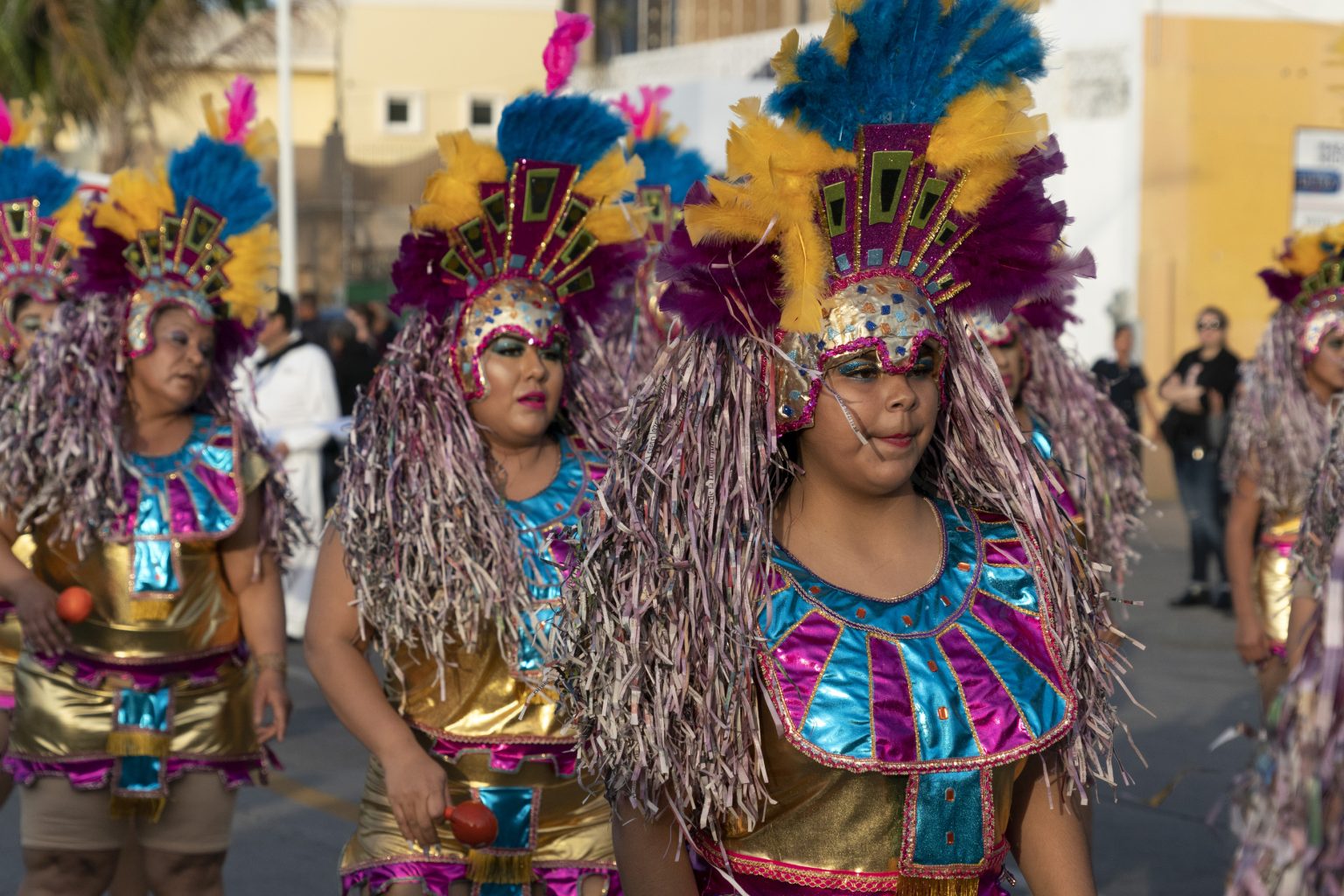
Mexico’s arid regions offer more than striking landscapes. Towns and communities across the north celebrate their heritage through music, dance, food, art and local traditions. Desert festivals in Mexico range from contemporary dance performances in Sonora to community celebrations in Baja California Sur. Whether you are interested in Mexican cultural festivals or experiences that connect regional traditions with the desert environment, these events offer a way to explore northern Mexico beyond its dunes and open plains. This guide highlights cultural events in Mexico’s desert regions and practical tips for planning a visit.
- The Cultural Role of Mexico’s Desert Regions
- Cultural Festivals to Explore in Mexico’s Desert Regions
- Un Desierto para la Danza, Hermosillo, Sonora
- Ballenafest, Guerrero Negro, Baja California Sur
- MaQueCho Festival, San Antonio, Baja California Sur
- Festival del Dátil, Mulegé Municipality, Baja California Sur
- Desert Landscapes and Cultural Experiences Beyond Festivals
- What to Bring to a Desert Festival
- When Is the Best Time to Attend Desert Festivals in Mexico?
- Festival Etiquette and Responsible Travel
- Planning a Three-Day Cultural Trip in Sonora
- Day 1: Discover Hermosillo
- Day 2: Experience the Regional Arts Scene
- Day 3: Explore the Sonoran Landscape
- Discovering Mexico Through Its Desert Festivals
The Cultural Role of Mexico’s Desert Regions
Northern Mexico includes several arid and semi-arid landscapes, from the Sonoran Desert to the Chihuahuan Desert and the dry coastal environments of the Baja California peninsula. These regions are home to diverse communities whose traditions reflect local histories, livelihoods, food and artistic expression.
Festivals provide opportunities for residents and visitors to experience these traditions through activities such as:
- Music and dance: Performances can range from regional music and traditional dances to contemporary artistic productions.
- Local food: Community festivals often showcase regional ingredients, traditional recipes and local producers.
- Arts and crafts: Markets, exhibitions and workshops introduce visitors to the work of local artists and craftspeople.
- Community heritage: Celebrations may highlight regional history, religious traditions, agriculture or local identity.
- Nature-based activities: In some destinations, cultural visits can be combined with stargazing, desert walks or guided excursions.
Not every festival in a desert region takes place outdoors or follows Indigenous traditions. Many are organised in towns and cultural venues, and each event has its own purpose and history. Checking the official programme helps visitors understand what a particular celebration actually offers.
Cultural Festivals to Explore in Mexico’s Desert Regions
Un Desierto para la Danza, Hermosillo, Sonora
Un Desierto para la Danza is a contemporary dance festival organised by the Sonora Institute of Culture. Established in 1993, it has become an important platform for contemporary dance in northwestern Mexico, bringing together companies and performers from Mexico and other countries.
The festival has included performances, workshops and opportunities for artistic exchange. In 2025, its programme ran from 22 to 30 April at the Casa de la Cultura de Sonora and Teatro de la Ciudad in Hermosillo. The venues are in the city rather than on remote desert terrain, making the event a practical option for travellers who want to combine cultural activities with a visit to the surrounding Sonoran region.
What to expect:
- Contemporary dance performances by Mexican and international companies.
- Workshops and activities connected with movement and artistic practice, depending on the programme.
- Opportunities to explore Hermosillo’s museums, food scene and cultural attractions.
- Potential excursions into the surrounding desert region, arranged separately.
The festival’s dates, venues and ticket arrangements can change each year. Check announcements from the Instituto Sonorense de Cultura before planning your trip.
Ballenafest, Guerrero Negro, Baja California Sur
Guerrero Negro lies in a coastal desert environment on the Baja California peninsula. Its regional identity is closely connected with the surrounding landscape, local livelihoods and the seasonal presence of gray whales in nearby waters.
Ballenafest, also associated with the Festival de la Ballena Gris, is a community celebration featuring cultural activities and local talent. The event has brought together music, dance, gastronomy, crafts and educational activities, giving residents and visitors a chance to experience the character of Guerrero Negro.
Highlights may include:
- Live music and dance performances.
- Regional food and local artisan products.
- Community activities and cultural presentations.
- Educational activities connected with the surrounding environment.
The festival is a useful option for travellers who want to explore the coastal side of Mexico’s desert regions. Whale-watching excursions are a separate activity and depend on the season, operator and local conditions. Do not assume that a whale-watching trip is included in the festival programme.
Confirm the latest edition dates and activities with local tourism organisers before travelling.
MaQueCho Festival, San Antonio, Baja California Sur
The MaQueCho Festival celebrates three regional food specialities: machaca, queso and chorizo. Its name combines the first syllables of these products. The event takes place in San Antonio, a historic settlement in the municipality of La Paz known for its mining heritage and rural character.
Unlike a large music festival, MaQueCho centres on local food production and the culinary traditions of Baja California Sur. It offers visitors a way to discover the region through the people who prepare, produce and sell its food.
What visitors can experience:
- Regional dishes featuring machaca, cheese and chorizo.
- Local producers and traditional food preparations.
- A community gathering in a historic settlement.
- An opportunity to explore the surrounding rural landscape.
The festival is generally held around early December, although dates should be confirmed for the year of travel. Visitors can combine the event with a wider stay in the La Paz area, while allowing time for the drive to San Antonio.
Festival del Dátil, Mulegé Municipality, Baja California Sur
Dates are an important agricultural product in parts of Baja California Sur, and the Festival del Dátil celebrates this local industry. The event has been organised in the community of Alfredo V. Bonfil, in Mulegé municipality, bringing producers together to present date-based foods and other local products.
The festival combines agriculture, regional cuisine and community activities. It provides a different perspective on desert-region culture, showing how cultivation and local enterprise contribute to life in an arid environment.
Depending on the edition, activities may include:
- Stalls selling dates and foods prepared with them.
- Competitions involving date-based products.
- Local food and cultural presentations.
- Music and family-oriented community activities.
The festival is not held in the dunes themselves. It is a community event in a rural area of Baja California Sur, and its location and programme should be confirmed before travel. Because dates can change, consult local or state tourism announcements for the latest information.
Desert Landscapes and Cultural Experiences Beyond Festivals
A festival can be the centrepiece of a trip, but Mexico’s desert regions offer other activities that help visitors understand the landscape.
Stargazing at the Samalayuca Dunes, Chihuahua
The Samalayuca Dunes lie south of Ciudad Juárez in the Chihuahuan Desert. Their extensive silica-sand formations create a distinctive landscape, and the area is known for opportunities to observe the night sky away from major urban lights.
Stargazing can complement a cultural itinerary, particularly for travellers interested in photography or astronomy. However, it should not be confused with attendance at a specific annual festival unless an organised event has been announced.
For a responsible visit:
- Arrange access and activities with a reliable local operator where required.
- Check weather conditions and local guidance before travelling.
- Bring warm clothing for cooler evenings and enough drinking water.
- Avoid driving on dunes or entering restricted areas without permission.
- Use low-impact lighting and follow instructions intended to protect the landscape.
The dunes are also associated with outdoor activities such as sandboarding and guided vehicle excursions. Availability and conditions vary, so confirm arrangements in advance.
What to Bring to a Desert Festival
Preparation depends on whether the event takes place in a town, at an outdoor venue or in a remote location. A city-based cultural festival may require little more than a day bag, while a desert excursion needs additional planning.
Useful items include:
- Sun protection: A hat, sunglasses, sunscreen and lightweight clothing help reduce exposure during daytime activities.
- Water: Carry drinking water, particularly when travelling beyond urban areas or joining outdoor excursions.
- Layers: Temperatures can fall after sunset, even when afternoons are warm.
- Comfortable footwear: Choose shoes suited to walking on pavement, uneven ground or sand, depending on the activity.
- Phone and power bank: Keep your phone charged and download essential maps or booking information before travelling into areas with limited reception.
- Cash and payment options: Small vendors may have different payment arrangements from larger venues.
- Camera: Ask permission before photographing people, performances or culturally sensitive activities.
A tent and sleeping bag are necessary only if your chosen itinerary includes camping. Do not assume that a festival provides camping facilities or permits overnight stays in the surrounding desert.
When Is the Best Time to Attend Desert Festivals in Mexico?
There is no single festival season for all of northern Mexico. Events follow their own annual schedules, while weather varies between inland deserts, highland areas and the Pacific coast.
The cooler months can be comfortable for exploring many desert destinations, but the best dates depend on the specific festival. Some cultural programmes take place in spring, while food and community celebrations may occur at other times of the year.
Before booking:
- Check the festival’s official dates for the year you intend to visit.
- Confirm the venue and whether activities are indoors or outdoors.
- Review local weather forecasts and expected daytime and nighttime temperatures.
- Reserve accommodation early if the event attracts visitors from outside the region.
- Check road conditions and transport options if visiting rural communities or desert attractions.
Avoid relying on general temperature ranges for the entire country. Conditions in Hermosillo, the Samalayuca Dunes and coastal Guerrero Negro can differ considerably.
Festival Etiquette and Responsible Travel
Cultural events are opportunities to learn about a place, but visitors should respect the people who organise and participate in them.
- Support local businesses: Buy food, crafts and services directly from local vendors where possible.
- Follow photography rules: Ask before photographing individuals, performers or private activities.
- Respect local customs: Observe the guidance of organisers, hosts and community members.
- Reduce waste: Carry reusable items where practical and use designated rubbish and recycling facilities.
- Protect the environment: Stay on permitted routes and avoid damaging plants, dunes or wildlife habitat.
- Plan transport responsibly: Use reliable operators for remote excursions and avoid driving into unfamiliar desert terrain without appropriate preparation.
- Check event information: Programmes, access arrangements and ticket requirements can change from one edition to the next.
Responsible participation helps keep cultural celebrations welcoming for visitors while respecting the communities that make them possible.
Planning a Three-Day Cultural Trip in Sonora
Hermosillo can serve as a convenient base for a short trip centred on Sonora’s arts and regional culture. The following itinerary works best when a festival or cultural programme coincides with your travel dates.
Day 1: Discover Hermosillo
Arrive in Hermosillo and explore the city’s cultural attractions and regional food. If Un Desierto para la Danza or another suitable event is taking place, attend a performance or workshop after checking the current schedule.
Day 2: Experience the Regional Arts Scene
Use the day to explore local museums, markets and cultural venues. If a festival programme is running, select activities that interest you and allow enough time to travel between venues. Keep the schedule flexible, since performance times and workshops vary by edition.
Day 3: Explore the Sonoran Landscape
Arrange a guided excursion into the surrounding region, choosing an activity appropriate to the weather, access conditions and your interests. Options may include a nature outing or a visit to a suitable desert landscape with a local operator.
This itinerary combines urban culture with a separate outdoor experience. It does not imply that festival performances take place in remote desert locations. If your priority is stargazing among dunes, consider planning a separate trip to the Samalayuca area in Chihuahua rather than trying to combine distant destinations in three days.
Discovering Mexico Through Its Desert Festivals
Mexico’s desert regions have varied cultural identities shaped by local history, agriculture, artistic practice and community life. Events such as Un Desierto para la Danza, Ballenafest, MaQueCho and the Festival del Dátil reveal different sides of that diversity, from contemporary performance to food traditions and regional celebrations.
The most rewarding trip begins with a specific event, verified dates and a realistic route. Add time to explore the surrounding landscape, support local businesses and learn about the region beyond the festival venue. In northern Mexico, cultural discovery is not limited to a stage or a single celebration. It is found in the food people prepare, the art they share and the communities that welcome visitors into their part of the desert.