
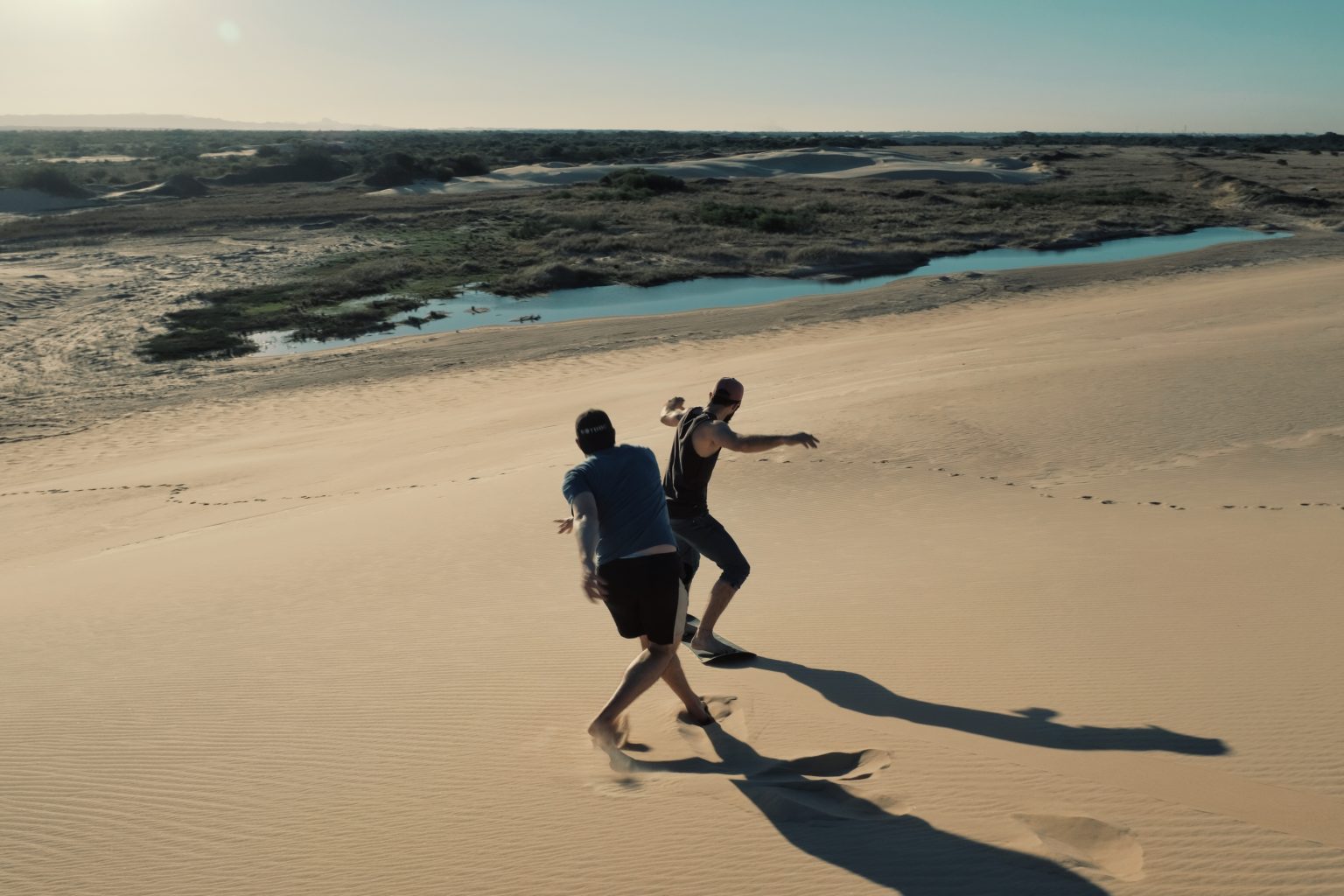
Bolivia’s southwestern highlands combine volcanic landscapes, wind-shaped rock formations, colorful lagoons, and vast salt flats. These remote environments offer memorable opportunities for photography, outdoor exploration, and multi-day 4×4 journeys across the Altiplano.
- High-Altitude Desert Adventures in Bolivia
- Best Places to Explore Around Bolivia’s Desert Landscapes
- Sud Lípez, Potosí Department
- Siloli Desert
- Tunupa Volcano and the Northern Edge of Salar de Uyuni
- San Pedro de Lípez and the Surrounding Highlands
- What to Bring for Sandboarding in Bolivia
- Best Time of Year for Desert Adventures in Bolivia
- How to Reach Bolivia’s Desert Regions
- More Than Sandboarding: Desert Experiences in Bolivia
- Safety and Responsible Travel
- A Two-Day Itinerary for Exploring Siloli and Sud Lípez
- Plan Your Bolivia Sandboarding Adventure Carefully
Sandboarding in Bolivia can appeal to adventurous travelers, but suitable dunes and organized riding opportunities need to be confirmed locally. The well-known landscapes of Siloli Desert and Sud Lípez are primarily visited for their geology, lagoons, and high-altitude scenery rather than established sandboarding facilities.
This guide explores the region’s distinctive landscapes, explains how to plan a sandboarding excursion where suitable slopes are available, and covers the equipment and safety precautions needed for travel at high altitude.
High-Altitude Desert Adventures in Bolivia
Bolivia’s southwestern desert region forms part of the Andean Altiplano, a high plateau characterized by volcanic terrain, mineral-rich lagoons, salt flats, and extensive areas of sparse vegetation. The landscapes differ from the large, continuous sand dunes associated with some other sandboarding destinations.
The region stands out for several reasons:
- High-altitude scenery: Much of the classic Uyuni and Sud Lípez circuit lies above 3,500 meters, with some destinations approaching or exceeding 4,500 meters.
- Volcanic landscapes: Rock formations, volcanic mountains, and mineral deposits create varied colors and textures.
- Colorful lagoons: Laguna Colorada and Laguna Verde are among the region’s best-known natural attractions.
- Remote travel routes: Many excursions use 4×4 vehicles because of the rough terrain and limited road infrastructure.
- Clear-sky opportunities: The remote setting can be excellent for photography and stargazing when weather conditions cooperate.
These conditions make the region appealing for adventurous travel, but altitude, cold temperatures, and long distances require careful preparation. Sandboarding should be treated as an optional activity at a verified suitable site, not something guaranteed at every stop.
Best Places to Explore Around Bolivia’s Desert Landscapes
Sud Lípez, Potosí Department
Sud Lípez is a remote region in southwestern Bolivia known for dramatic Andean landscapes, volcanic formations, high-altitude lagoons, and access routes toward the Eduardo Avaroa Andean Fauna National Reserve.
The region is commonly included in multi-day excursions departing from Uyuni. Its principal attractions are natural and geological, so travelers interested in sandboarding should confirm whether a guide can identify an appropriate, authorized slope along their planned route.
Highlights include:
- Laguna Colorada: A mineral-rich lagoon known for its reddish appearance and flamingos.
- Laguna Verde: A high-altitude lake whose color varies with light, weather, and water conditions.
- Volcanic landscapes: Mountains, mineral formations, and broad highland plains.
- Remote viewpoints: Scenic stops that provide opportunities for photography and observing the surrounding terrain.
Sandboarding considerations:
- Do not assume that the shores of Laguna Colorada or Laguna Verde contain suitable riding dunes.
- Ask a local operator whether a verified sand slope is available and whether riding is permitted.
- Avoid slopes with loose rocks, fragile vegetation, wildlife, or unstable surfaces.
- Consider the effects of altitude before adding physically demanding activities to a long 4×4 excursion.
Sud Lípez is particularly suitable for travelers who want to combine high-altitude exploration with other outdoor activities. Sandboarding may be possible only if a suitable location and reliable local arrangement can be confirmed.
Siloli Desert
The Siloli Desert lies in southwestern Potosí, within the wider high-altitude route toward the Eduardo Avaroa reserve. It is best known for its ochre-colored terrain, wind-shaped rock formations, and the distinctive Árbol de Piedra, or Stone Tree. Visitors commonly explore it as part of a multi-day 4×4 circuit from Uyuni. <Cite refs={[“turn335231search0″,”turn335231search1″,”turn335231search9”]}/>
Reasons to visit include:
- Árbol de Piedra: A striking rock formation shaped by erosion.
- High-altitude desert scenery: Broad, open terrain with colors that change throughout the day.
- Photography: Opportunities to capture rock formations, mountains, and dramatic skies.
- Access to nearby attractions: The wider route connects with lagoons and other landscapes of the Eduardo Avaroa region.
Siloli is not a destination where visitors should assume that long, groomed sandboarding runs are available. Its terrain includes rocky and uneven surfaces, so a potential riding location needs to be assessed carefully.
If an operator offers sandboarding, confirm the exact site, the type of board used, the slope conditions, and the safety equipment provided. Otherwise, explore Siloli for its geological features and continue to another activity suited to the landscape.
Best for: Landscape photographers, geology enthusiasts, and travelers exploring Bolivia’s high-altitude desert circuit.
Tunupa Volcano and the Northern Edge of Salar de Uyuni
Tunupa Volcano rises near the northern side of Salar de Uyuni, with the village of Coquesa providing access to parts of the surrounding landscape. This area is known for volcanic scenery, views over the salt flat, and cultural and archaeological sites.
Possible activities include:
- Exploring viewpoints around the northern salt-flat region.
- Photographing the contrast between the volcano and the white salt surface.
- Visiting nearby communities and cultural sites through appropriate local arrangements.
- Joining a guided excursion around the Salar de Uyuni.
The terrain around the salt flat should not be treated as a standard sandboarding area. Salt crusts, soft ground, changing surface conditions, and protected locations may make riding unsuitable.
If sandboarding is a priority, ask a local operator to recommend a separate site with appropriate sand, safe access, and permission for the activity.
Best for: Travelers interested in volcanic landscapes, salt-flat scenery, photography, and cultural excursions.
San Pedro de Lípez and the Surrounding Highlands
San Pedro de Lípez is a small settlement in the wider Sud Lípez region. The surrounding highlands offer remote landscapes, historic settlements, and access to routes used by organized 4×4 tours.
Visitors may find:
- Broad desert and mountain views.
- Historic mining and settlement landscapes.
- Opportunities for photography and guided exploration.
- Access to longer itineraries across southwestern Bolivia.
Terrain varies considerably, and not every open sandy-looking area is suitable for riding. Confirm the conditions with a guide before attempting sandboarding, particularly where rocks, loose gravel, steep slopes, or fragile ground are present.
Best for: Travelers interested in remote highland routes and a broader exploration of the region.
What to Bring for Sandboarding in Bolivia
Equipment requirements depend on the slope, the type of board, the length of the excursion, and the altitude. Confirm what your operator supplies before carrying bulky equipment over long distances.
Essential Equipment
- A sandboard or suitable sand sled, provided or approved by the operator.
- Closed-toe shoes with a secure fit.
- Warm layers for cold highland conditions.
- Sunglasses and high-SPF sunscreen.
- Drinking water and suitable snacks.
- A hat or sun protection for exposed areas.
- Gloves if needed for cold weather or handling the board.
Additional Safety Equipment
Depending on the slope and the activity, consider:
- A helmet.
- Knee and elbow protection.
- A small first-aid kit.
- A phone or camera secured with a suitable strap.
- Extra clothing for changing weather.
- Navigation and communication equipment for remote travel.
Do not assume that equipment designed for snowboarding will work properly on sand. Sandboards and their bases may require different preparation, and the correct equipment depends on the surface and local conditions.
Altitude is an important consideration. Much of the Sud Lípez circuit lies at elevations where physical exertion can become more difficult. Allow time to acclimatize before strenuous activities, and do not use medication to mask symptoms while continuing to ascend or exercise. Seek medical advice before travel if you are concerned about altitude exposure.
Best Time of Year for Desert Adventures in Bolivia
The most suitable travel period depends on whether you want to explore the highlands, visit Salar de Uyuni, or participate in a specific outdoor activity.
May to October: The Drier Season
The drier months are often favored for overland travel across the southwestern highlands because many routes are less affected by seasonal rainfall.
Possible advantages include:
- More favorable conditions on many established 4×4 routes.
- Clear days that can be excellent for landscape photography.
- Opportunities to visit the salt flats, lagoons, and volcanic scenery.
However, nights can be extremely cold, and high-altitude weather may change quickly. Dry conditions do not guarantee suitable sandboarding slopes.
November to April: The Rainier Season
Rainfall can change access conditions across the region. At Salar de Uyuni, a shallow layer of water can sometimes create the famous mirror effect, particularly during the rainy season. The amount of water and the accessibility of different areas vary from year to year. <Cite refs={[“turn335231search0″,”turn335231search23”]}/>
During these months:
- Check road and tour conditions before departure.
- Confirm whether planned stops are accessible.
- Expect changes to itineraries if weather affects travel.
- Do not assume that wet or saturated surfaces are suitable for sandboarding.
Choosing Your Dates
For a trip focused on the high-altitude desert circuit, the drier months are often a practical starting point. The final decision should depend on local conditions, the route offered by your operator, and whether your preferred activity can be arranged safely.
How to Reach Bolivia’s Desert Regions
Most trips to Siloli and Sud Lípez begin in Uyuni, which can be reached by air, bus, or train depending on the departure city and current transport schedules. Bolivia’s tourism information lists air and road connections between La Paz and Uyuni, as well as rail services on the Oruro–Uyuni route. <Cite refs={[“turn335231search0”]}/>
From Uyuni, travelers can:
- Join a guided 4×4 tour through the southwestern highlands.
- Book a multi-day itinerary that includes Siloli and the colorful lagoons.
- Arrange a private excursion with a local operator.
- Ask in advance whether a suitable and authorized sandboarding location can be included.
Because distances are long and many routes cross high-altitude terrain, check what is included in your tour: vehicle, driver, accommodation, meals, entrance fees, and emergency arrangements.
Choosing a reputable local operator can also help visitors understand regional access rules and reduce the risks associated with remote travel.
More Than Sandboarding: Desert Experiences in Bolivia
Even if sandboarding cannot be arranged at your chosen destination, Bolivia offers many other activities across its desert and highland landscapes.
Options include:
- 4×4 exploration: Travel across the salt flats, volcanic plains, and high-altitude lagoons on established tour routes.
- Stargazing: Observe the night sky away from major urban lighting when the weather is clear.
- Landscape photography: Photograph Árbol de Piedra, colorful lagoons, and volcanic scenery.
- Wildlife observation: Look for flamingos, vicuñas, and other species from a respectful distance.
- Cultural visits: Learn about local communities and regional history through suitable guided experiences.
- Hot springs: Some itineraries include geothermal bathing areas, subject to access and operating conditions.
These activities provide different ways to experience the region without assuming that every landscape is appropriate for a specific sport.
Safety and Responsible Travel
High-altitude desert travel combines several challenges: reduced oxygen availability, cold nights, intense sunlight, remote roads, and limited access to medical assistance.
Follow these precautions:
- Acclimatize gradually: Allow time to adjust to altitude before strenuous activity.
- Recognize altitude symptoms: Headache, nausea, dizziness, and unusual fatigue may indicate altitude illness. Worsening symptoms require stopping ascent and seeking medical help.
- Dress for changing conditions: Temperatures can drop rapidly after sunset, even when daytime sunshine feels strong.
- Protect yourself from the sun: Use sunscreen, sunglasses, and appropriate clothing.
- Stay hydrated: Drink regularly, while remembering that hydration alone does not prevent altitude illness.
- Travel with a reliable guide: Remote 4×4 routes can be difficult to navigate independently.
- Respect wildlife: Keep away from flamingos and other animals, especially around sensitive lagoons.
- Protect fragile terrain: Avoid unauthorized driving, damaging vegetation, or riding on surfaces that may be unstable or protected.
- Carry emergency supplies: Bring suitable clothing, food, water, and a communication plan.
If sandboarding is available, inspect the slope before riding, maintain a safe distance from other participants, and follow the operator’s instructions. Do not ride on steep or rocky terrain simply because it looks suitable from a distance.
A Two-Day Itinerary for Exploring Siloli and Sud Lípez
This sample itinerary focuses on the region’s established highland attractions. Sandboarding is included only as an optional activity if a local operator confirms a suitable site and safe conditions.
Day 1: Uyuni to Siloli Desert
Depart Uyuni with an experienced 4×4 guide and follow the planned route through the southwestern highlands.
Possible stops include:
- Scenic areas along the route toward the Eduardo Avaroa reserve.
- Árbol de Piedra in the Siloli Desert.
- Viewpoints and other authorized stops, depending on road and weather conditions.
If a verified sandboarding site is available along the route, ask your guide whether conditions and altitude make it appropriate. Otherwise, spend the time exploring the landscape and photographing its rock formations.
Overnight at accommodation included in your tour. Confirm facilities and temperatures in advance, as high-altitude nights can be very cold.
Day 2: Colorful Lagoons and Return Route
Continue through the planned highland circuit, with stops selected according to the itinerary and current access conditions.
Possible highlights include:
- Laguna Colorada and its surrounding landscapes.
- Volcanic scenery and highland viewpoints.
- Laguna Verde, if included in the route and accessible under current conditions.
Wildlife sightings and lake colors vary with season, weather, and environmental conditions. Keep a respectful distance from wildlife and follow local rules.
Return to Uyuni only if the tour schedule allows enough time for the journey. For many travelers, a longer itinerary is more practical than trying to cover the entire region in two days.
Plan Your Bolivia Sandboarding Adventure Carefully
Bolivia’s high-altitude deserts offer distinctive scenery, from the wind-sculpted rocks of Siloli to the colorful lagoons and volcanic landscapes of Sud Lípez. These are rewarding destinations for travelers interested in photography, geology, wildlife, and remote overland journeys.
For sandboarding in Bolivia, the key is to confirm that a suitable site and experienced operator are available before building the trip around the activity. Prepare for the altitude, allow time for acclimatization, and respect the region’s sensitive environments.
With realistic expectations and careful planning, you can enjoy Bolivia’s remarkable highland landscapes while choosing activities that fit the terrain and conditions.