
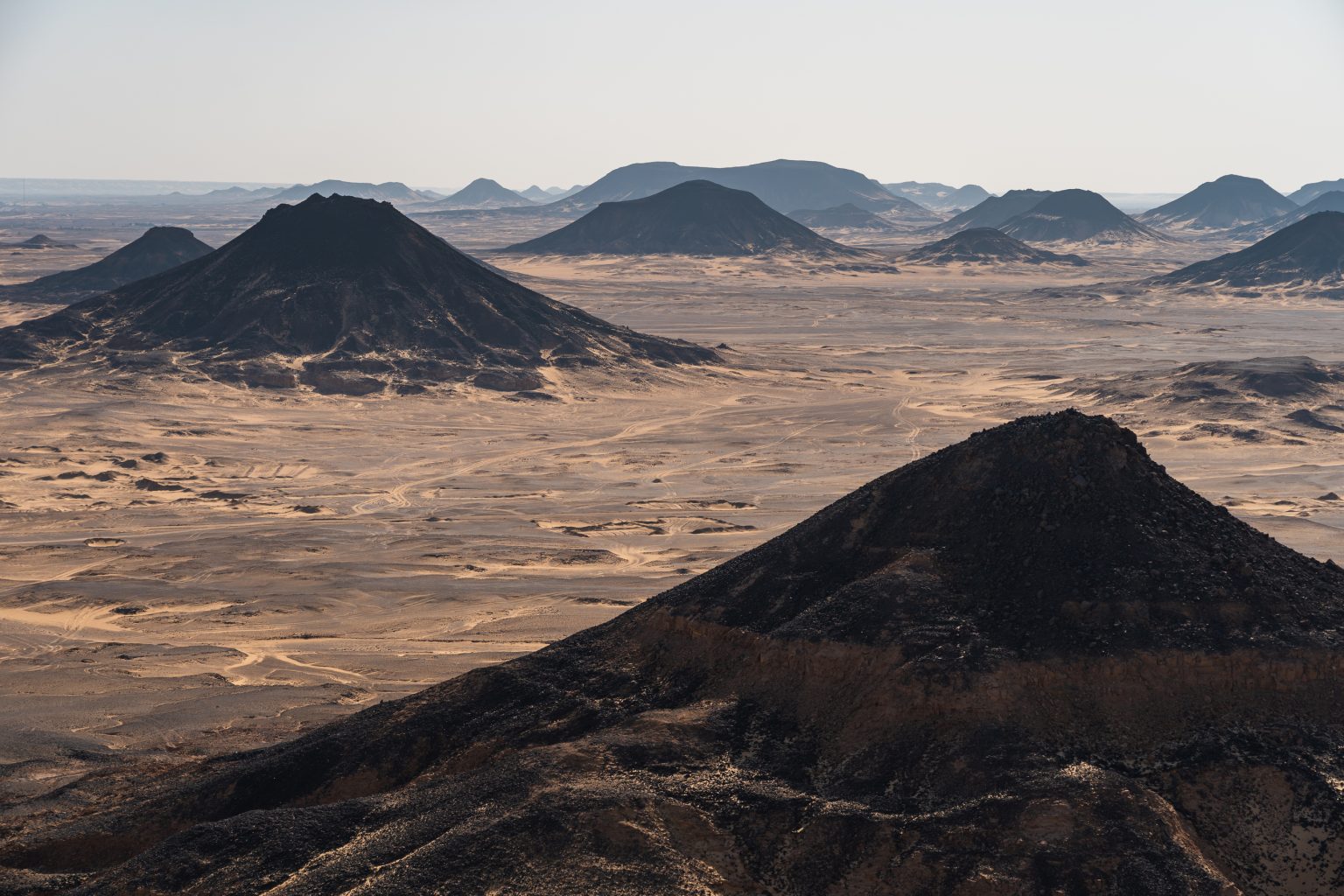
Southern Qatar is best known for its wide desert plains, golden dunes, and the coastal landscape of Khor Al Adaid, also known as the Inland Sea. Here, sand dunes extend toward the coast and meet shallow waters, creating one of Qatar’s most distinctive natural landscapes.
- Understanding Qatar’s Desert Landscape
- Khor Al Adaid and the Southern Desert
- Dukhan and the Western Desert
- Northern Desert Landscapes and Historic Sites
- Preparing for Your Trip to the Qatari Desert
- What to Bring to the Qatar Desert
- Safety Considerations in Qatar’s Desert
- Traveling Through the Qatari Desert
- Cultural and Natural Highlights
- Food and Comfort in the Desert
- Photography in the Qatari Desert
- Best Time to Visit Qatar’s Desert
- Final Tips for a Safe and Enjoyable Desert Experience
- Exploring Qatar’s Desert Landscapes
Qatar’s desert also includes rocky western landscapes, historic settlements, coastal areas, and places connected to the country’s Bedouin heritage. With suitable preparation and respect for local customs and the environment, travelers can explore these different settings through dune driving, camel rides, camping, photography, and cultural experiences.
This guide covers the main desert regions, activities, practical preparations, and safety considerations for exploring Qatar’s desert landscapes.
Understanding Qatar’s Desert Landscape
Khor Al Adaid and the Southern Desert
The southern desert of Qatar extends toward the Saudi border and is characterized by large dunes and open sandy plains. At its center lies Khor Al Adaid, a UNESCO-recognized natural reserve and one of Qatar’s best-known natural attractions.
The inlet extends inland from the Arabian Gulf, with sand dunes rising around its coastal waters. Reaching the area requires a suitable 4×4 vehicle, and most visitors travel with an experienced driver or organized tour.
The combination of large dunes and coastal water makes Khor Al Adaid particularly attractive for photography, desert excursions, camping, and wildlife observation.
Dukhan and the Western Desert
The desert around Dukhan has a different character from the large dunes of southern Qatar. The western landscape includes rocky ground, salt flats, fossil-bearing areas, and limestone formations shaped by erosion.
This region is suitable for travelers interested in geology, photography, and quieter desert landscapes away from the main southern dune areas.
Northern Desert Landscapes and Historic Sites
Northern Qatar combines desert terrain with historic coastal settlements. Areas around Al Zubarah and the abandoned village of Al Jumail provide examples of earlier communities connected to trade, fishing, and coastal life.
Historic ruins and forts set within the surrounding landscape offer an opportunity to explore Qatar’s history alongside its desert environment.
Preparing for Your Trip to the Qatari Desert
Qatar’s desert supports a range of activities, from off-road adventures to camping and cultural excursions.
Popular experiences include:
- 4×4 dune driving
- Camel riding
- Desert camping
- Stargazing and photography
- Coastal excursions around the Inland Sea
- Guided cultural tours
Choose activities according to your experience, available time, and the conditions of the area you plan to visit.
Understanding Local Customs
Respect for local customs is important when visiting Qatar, particularly when entering Bedouin-style camps or meeting local communities.
Hospitality is an important part of Qatari culture, and visitors may be offered Arabic coffee, tea, or dates. Dressing modestly and following local guidance helps ensure respectful interactions.
Planning Ahead
The most comfortable period for visiting Qatar’s desert is generally November to April, when temperatures are more suitable for outdoor activities.
During the hotter months, excursions are best planned for early morning or late afternoon. Guided tours should be booked in advance during the busy winter season, particularly for popular destinations such as Khor Al Adaid.
What to Bring to the Qatar Desert
Clothing for Day and Night
Light, breathable clothing works well during the day, while long sleeves and trousers provide additional protection from sunlight and blowing sand.
During the cooler months, desert nights can be noticeably colder than the daytime, so bring a light jacket or warmer layer. A scarf or ghutra can also protect against wind and dust.
Footwear and Essentials
Closed, comfortable footwear is preferable for walking across rocky ground and dunes.
Essential items include:
- Reusable water bottle
- Sunglasses
- Sunscreen
- Small backpack
- Hat or head covering
- Light jacket during cooler months
Hydration and Personal Care
Dry conditions can increase the risk of dehydration. Drink water regularly and carry enough for the duration of the excursion, particularly when traveling away from settlements.
Lip balm, moisturizer, and a basic first-aid kit can also be useful during longer desert trips.
Safety Considerations in Qatar’s Desert
Managing Heat and Sun Exposure
Heat is one of the main risks when traveling through Qatar’s desert. Avoid the hottest part of the day when possible, drink water regularly, and use protective clothing and sunscreen.
Shade can be limited, especially in open dune areas, so plan activities around the weather and carry adequate supplies.
Navigating Challenging Terrain
The dunes of southern Qatar can be steep and difficult to navigate. Travelers should not attempt to drive into remote dune areas without the necessary experience and equipment.
For visitors unfamiliar with desert driving, an experienced 4×4 guide is the safest option.
Weather and Sandstorms
Strong winds and sandstorms can reduce visibility quickly. If conditions deteriorate, stop in a safe location, protect your face and eyes, and wait for visibility to improve.
Even during the cooler season, desert weather can change quickly, so check conditions before leaving.
Traveling Through the Qatari Desert
4×4 Dune Driving
Dune bashing is one of Qatar’s most popular desert activities. Experienced drivers take visitors across steep dunes and sandy tracks, particularly around the southern desert and Khor Al Adaid.
Always wear a seatbelt and follow the driver’s safety instructions.
Camel Trekking
Camel rides provide a slower way to experience the desert and are suitable for visitors looking for a traditional activity.
Short rides are widely available, while longer excursions can provide more time in the dunes. Local guides may also explain aspects of traditional desert travel and camel use.
Desert Camping Experiences
Overnight stays are available in different types of camps, including:
- Traditional Bedouin-style camps
- Private tents with beds and meals
Camping provides opportunities for stargazing and outdoor dining. During winter, warm clothing is important because temperatures can drop significantly after sunset.
Cultural and Natural Highlights
The Inland Sea (Khor Al Adaid)
Khor Al Adaid is one of Qatar’s most distinctive natural attractions. Sand dunes surround an inland stretch of coastal water, creating a landscape that changes with the tides, weather, and light.
Visitors can enjoy guided excursions, photography, swimming in suitable areas, and wildlife observation. The area should be explored responsibly to protect its fragile coastal and desert environment.
Wildlife and Natural Life
Qatar’s desert supports a range of wildlife despite its harsh conditions. Depending on the area and season, visitors may encounter:
- Arabian oryx
- Camels
- Desert and coastal birds
- Reptiles
- Small desert mammals
Wildlife is generally easier to observe during cooler parts of the day. Animals should be observed from a distance and never fed or disturbed.
Desert Heritage and Traditions
The desert has played an important role in Qatari history and culture. Falconry, camel traditions, storytelling, and desert gatherings remain connected to the country’s heritage.
Cultural experiences provide an opportunity to understand how earlier communities adapted to the desert environment and its limited water resources.
Food and Comfort in the Desert
Traditional Desert Meals
Desert camps may serve traditional dishes such as:
- Grilled meats
- Rice dishes
- Lentil soups
- Fresh flatbread
- Arabic coffee
- Dates
Meals are often served outdoors or in traditional-style camp settings.
Staying Comfortable
Take regular breaks during outdoor activities and avoid prolonged exposure to direct sunlight.
Loose, breathable clothing helps with heat management, while keeping equipment organized reduces the chance of losing important items in the sand.
Photography in the Qatari Desert
Best Photography Locations
Some of the most rewarding locations include:
- Khor Al Adaid, for views of dunes and coastal water
- Western desert landscapes near Dukhan
- Southern dune areas at sunrise and sunset
Early morning and late afternoon generally provide softer light and stronger shadows across the dunes.
Protecting Camera Equipment
Sand and fine dust can damage cameras and other electronics. Keep equipment in protective bags or cases when it is not being used.
Avoid changing lenses in exposed areas when possible, and carry extra batteries and a microfiber cloth for removing dust.
Best Time to Visit Qatar’s Desert
Ideal Season
November to April is generally the most comfortable period for desert travel, particularly for camping, dune activities, and longer outdoor excursions.
Seasonal Desert Life
The cooler season is also when desert camps, weekend gatherings, off-road groups, and cultural activities become more common. These experiences can provide additional insight into how residents use the desert during the more pleasant months of the year.
Final Tips for a Safe and Enjoyable Desert Experience
Common Mistakes to Avoid
Avoid these common problems when planning a desert excursion:
- Not carrying enough water
- Underestimating the difference between daytime and nighttime temperatures
- Driving off-road without sufficient experience
- Ignoring weather and visibility conditions
- Entering remote areas without adequate navigation and communication plans
Making the Most of the Journey
A well-planned trip can combine several experiences, such as camel riding, camping, sandboarding, photography, dune driving, and cultural activities.
Allow enough time to enjoy each location rather than trying to cover too many places in one day. Respect local customs, protect the environment, and follow the advice of experienced guides when entering remote desert areas.
Exploring Qatar’s Desert Landscapes
Qatar’s desert offers more variety than its sandy dunes alone suggest. The southern landscapes around Khor Al Adaid combine large dunes with coastal waters, while the western desert near Dukhan provides rocky and geological landscapes. Northern areas add historic sites that connect the desert environment with Qatar’s trading and coastal heritage.
With suitable preparation, travelers can experience this variety through desert driving, camping, camel rides, photography, wildlife observation, and cultural encounters. The result is a desert journey shaped not only by sand, but also by Qatar’s coastline, history, and long relationship with its arid environment.