
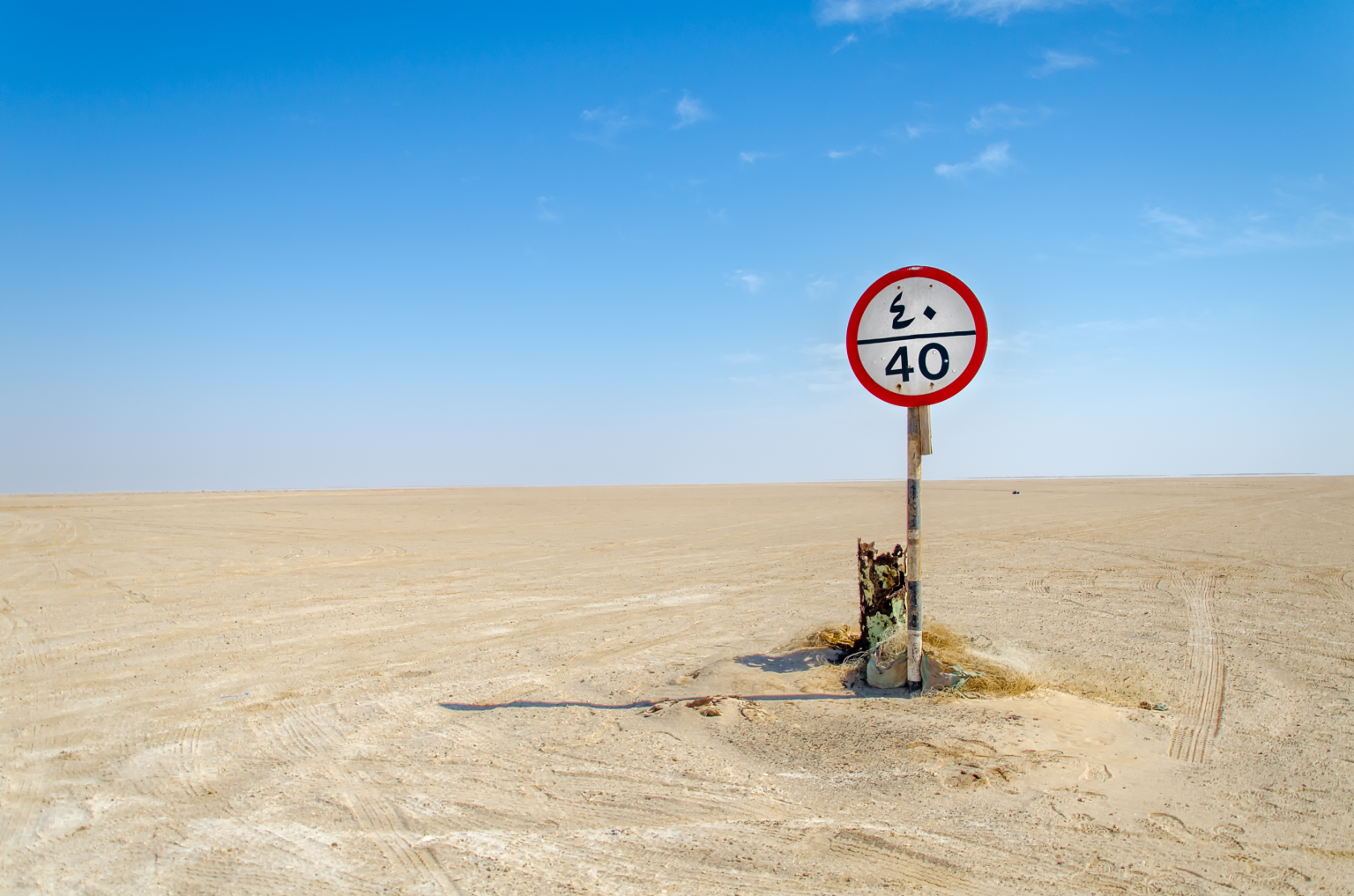
On the central coast of Oman, the remote Bar Al Hikman peninsula combines sandy desert, coastal lagoons, salt flats, and rich marine habitats. Located far from the country’s major cities, the area is known for its extensive wetlands and importance to migratory birds.
- Where Is Bar Al Hikman Located
- Best Time to Visit Bar Al Hikman
- How to Get to Bar Al Hikman from Muscat
- Top Things to Do in Bar Al Hikman
- Walk Where the Desert Meets the Sea
- Birdwatching in One of Arabia’s Important Wetlands
- Explore the Sabkhas and Salt Flats
- Visit Mahout and Its Coastal Islands
- Camp Between Dunes and the Coast
- Discover Fossils and Ancient Marine Deposits
- 2-Day Bar Al Hikman Itinerary
- Where to Sleep
- Local Life and Traditions
- Practical Travel Tips
- Hidden Gems Near Bar Al Hikman
- A Remote Coast Shaped by Desert and Sea
Unlike Oman’s better-known dune landscapes, Bar Al Hikman is defined by the close relationship between desert and sea. Golden dunes, white sabkhas, shallow lagoons, and the Arabian Sea create a varied environment that supports large numbers of birds and other wildlife.
For travelers, Bar Al Hikman offers a remote coastal experience focused on birdwatching, camping, photography, fishing communities, and desert landscapes.
Where Is Bar Al Hikman Located
Bar Al Hikman lies in Oman’s Al Wusta Governorate, on a large peninsula extending into the Arabian Sea. It is located between Muscat and Salalah, in one of the country’s least developed coastal regions.
Key distances include:
- Muscat to Bar Al Hikman: approximately 550 km south
- Haima to Bar Al Hikman: approximately 250 km east
- Duqm to Bar Al Hikman: approximately 200 km southwest
The peninsula covers roughly 4,000 square kilometers and includes coastal desert, dunes, lagoons, mudflats, and extensive sabkhas, or salt flats.
Its isolation and limited development have helped preserve important coastal and wetland habitats.
Best Time to Visit Bar Al Hikman
Seasonal conditions are particularly important because Bar Al Hikman has a hot desert climate and limited infrastructure.
- November to March: generally the best period for camping, birdwatching, coastal walks, and outdoor activities, with more comfortable temperatures.
- April and May: increasingly warm but still suitable for shorter excursions and photography.
- June to September: very hot and humid, making extended outdoor activities difficult.
- October: temperatures begin to moderate, although conditions can still be warm.
The main birdwatching season generally falls during the cooler months, particularly from December to February, when large numbers of migratory birds use the peninsula’s wetlands and coastal areas.
How to Get to Bar Al Hikman from Muscat
The journey from Muscat requires careful planning because services become increasingly limited as you approach the peninsula.
A common route follows Route 32, passing through areas such as Adam, Haima, and Mahout before continuing toward Bar Al Hikman. A 4×4 vehicle is strongly recommended for sandy tracks, loose surfaces, and sections of salt-flat terrain.
From Duqm, travelers can head toward Mahout and then continue along unpaved coastal routes.
Fuel, food, drinking water, and other essential supplies should be purchased in Haima or Mahout before entering the remote areas. There are no regular services on the peninsula itself.
Top Things to Do in Bar Al Hikman
Walk Where the Desert Meets the Sea
One of Bar Al Hikman’s defining features is the direct transition between sandy terrain and the coast. Dunes, salt flats, shallow lagoons, and beaches occur within a relatively compact area.
The landscape is particularly attractive for coastal walks, landscape photography, and birdwatching. Visitors should avoid walking too close to sensitive bird colonies or nesting areas.
Birdwatching in One of Arabia’s Important Wetlands
Bar Al Hikman is an important stop for migratory birds traveling between breeding grounds in northern regions and wintering areas farther south.
Depending on the season, visitors may encounter:
- Greater flamingos
- Pelicans
- Spoonbills
- Grey herons
- Plovers
- Ospreys
- Other shorebirds and waterbirds
The extensive mudflats, lagoons, and salt flats provide feeding and resting areas for large concentrations of birds.
Binoculars and a long camera lens are useful, particularly when observing birds from a respectful distance.
Explore the Sabkhas and Salt Flats
Large areas of the peninsula are covered by sabkhas, where seawater and groundwater interact with intense evaporation to produce salt-rich surfaces.
Their appearance changes according to moisture, sunlight, and season. Some areas can look firm while remaining unstable underneath, so drivers should avoid crossing unfamiliar salt flats without local guidance.
Visit Mahout and Its Coastal Islands
The fishing town of Mahout is an important access point for the Bar Al Hikman area. Local boat trips can provide opportunities to explore nearby coastal waters and islands.
Depending on the season and conditions, visitors may encounter:
- Dolphins
- Green turtles
- Coastal birds
- Mangrove habitats
- Shallow coral-rich waters
Mahout also provides an opportunity to see the fishing traditions that remain important to communities along this part of the Omani coast.
Camp Between Dunes and the Coast
Camping is one of the main ways to experience Bar Al Hikman. Travelers can set up in suitable areas near the coast or dunes, provided they follow local regulations and avoid environmentally sensitive sites.
Guided camps may provide:
- Simple tents
- Local seafood meals
- Stargazing
- Desert and coastal excursions
Independent camping is also possible for well-prepared travelers, but the remote setting means that water, food, fuel, navigation equipment, and emergency supplies must be carried in advance.
Discover Fossils and Ancient Marine Deposits
The geology of Bar Al Hikman reflects its long marine history. In parts of the region, visitors can encounter marine fossils, shell deposits, and limestone formations associated with earlier marine environments.
These geological features add another layer to the landscape and help explain why marine materials occur across areas that are now dry desert.
2-Day Bar Al Hikman Itinerary
Day 1: Desert Coast and Salt Flats
- Morning departure from Haima or Duqm.
- Continue toward the Bar Al Hikman area by 4×4.
- Afternoon exploration of selected dunes, lagoons, beaches, and sabkhas.
- Set up camp in a suitable location near the coast.
- Evening meal and stargazing.
Day 2: Wildlife and Coastal Exploration
- Early morning birdwatching and landscape photography.
- Continue toward Mahout.
- Optional boat excursion, depending on local availability and sea conditions.
- Return toward the main road or spend another night in the area if supplies and weather conditions allow.
A two-day trip provides only a brief introduction. Travelers interested in birdwatching, photography, or exploring remote coastal areas may benefit from staying longer.
Where to Sleep
Camping is the main accommodation option around Bar Al Hikman itself. Because there are few services, visitors should bring:
- Plenty of drinking water and food
- GPS or satellite navigation
- Sufficient fuel
- Shade and wind protection
- Camping and emergency equipment
For travelers who prefer a hotel before or after visiting the peninsula:
- Duqm: offers modern hotels and services.
- Haima: provides basic accommodation and is useful as an inland stop before continuing toward the coast.
Local Life and Traditions
Communities around this part of Al Wusta have long depended on both the desert and the sea. Coastal fishermen and Bedouin communities remain part of the region’s social landscape.
Visitors may encounter:
- Traditional dhows and fishing boats.
- Fish being processed or dried.
- Camels grazing around settlements and coastal areas.
- Local fishing activities linked to seasonal conditions.
Hospitality is an important part of Omani culture, and visitors may be offered Omani coffee and dates when interacting with local communities.
Life in this remote region remains closely connected to fishing, livestock, water availability, weather, and seasonal movement.
Practical Travel Tips
- Vehicle: A capable 4×4 is strongly recommended, particularly beyond the main roads.
- Navigation: Carry GPS or satellite navigation because signs are limited in remote areas.
- Supplies: Stock up on food, water, fuel, and other essentials in Haima or Mahout.
- Season: Avoid the hottest summer months if possible.
- Wildlife: Keep a safe distance from birds and other animals.
- Drones: Check local rules and avoid flying near bird colonies or sensitive wildlife areas.
- Camping: Choose established or suitable camping areas and respect local restrictions.
- Leave no trace: Take all waste with you and avoid damaging salt flats, vegetation, or coastal habitats.
- Communication: Do not rely on continuous mobile coverage in remote sections of the peninsula.
Hidden Gems Near Bar Al Hikman
Travelers with additional time can explore several nearby attractions:
- Al Khaluf Sugar Dunes, known for their bright white sand formations.
- Wusta Wildlife Reserve, an important protected area in central Oman.
- Duqm salt domes, unusual geological formations in the wider region.
- Remote fishing villages along the central Omani coast.
- Coastal waters around Mahout, where dolphins and other marine species may be encountered.
A Remote Coast Shaped by Desert and Sea
Bar Al Hikman stands out because several environments meet in one remote region: sandy desert, salt flats, shallow lagoons, mudflats, and the Arabian Sea.
Its importance goes beyond scenery. The wetlands provide habitat for large numbers of migratory birds, while the coast supports marine life and fishing communities. The surrounding desert and salt flats add a distinctly arid character to the landscape.
For travelers prepared for long distances and limited infrastructure, Bar Al Hikman offers a different side of Oman, centered on coastal wildlife, desert terrain, birdwatching, camping, and the natural connection between land and sea.