
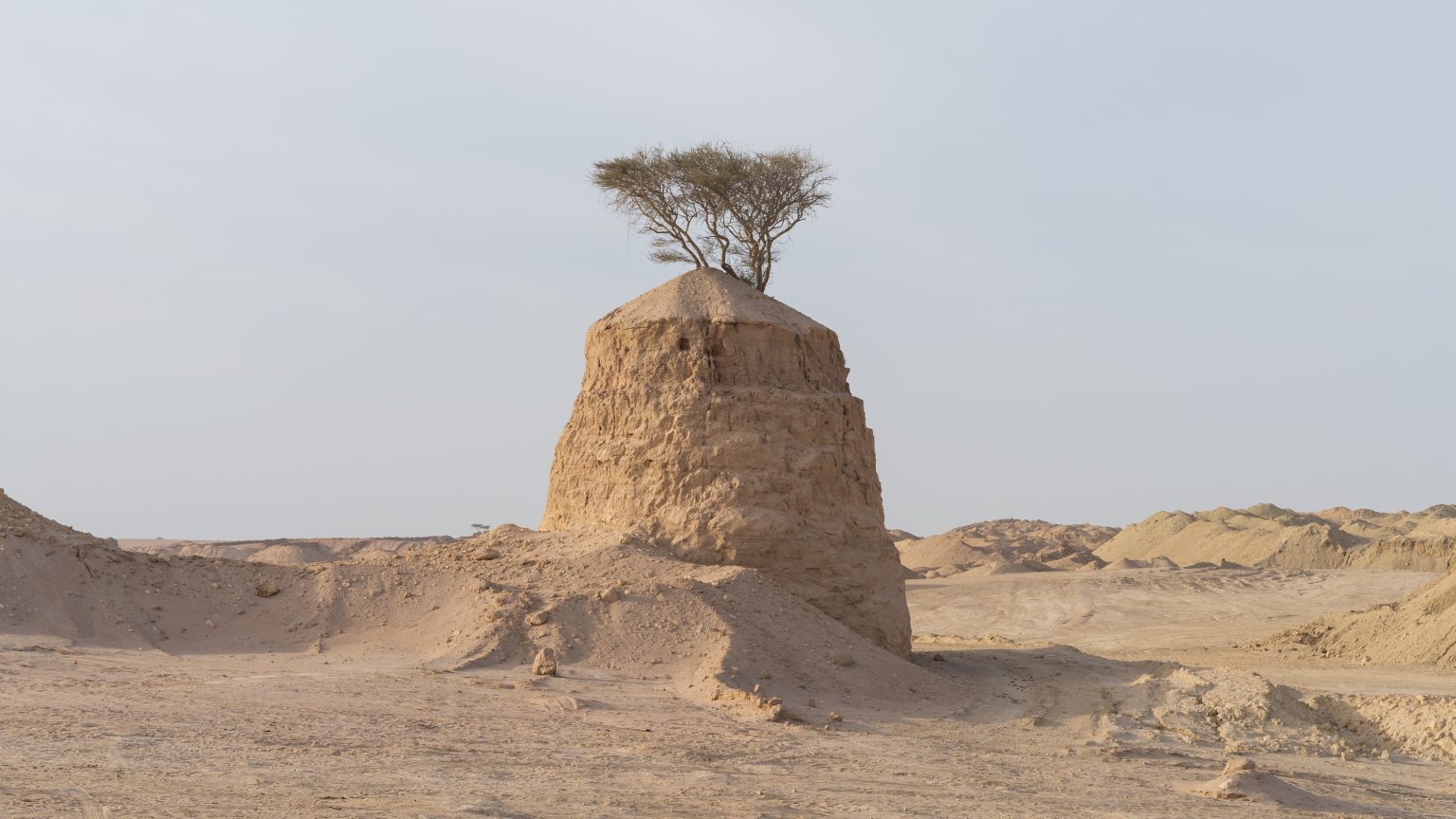
On Qatar’s western coast, away from the busy areas of Doha, Umm Bab Desert combines sandy terrain, limestone formations, and a distinctive coastal setting. The area is known for its fossil dunes and the unusual presence of mature date palms along the shoreline at Palm Tree Beach.
- Where Is Umm Bab Located?
- Best Time to Visit Umm Bab Desert
- How to Get to Umm Bab from Doha
- Things to Do in Umm Bab Desert
- Explore the Fossil Dunes
- Visit Palm Tree Beach
- Camp Between Desert and Sea
- Fossil Walks and Geological Discovery
- Photography and Aerial Views
- Two-Day Umm Bab Desert Itinerary
- Where to Stay Near Umm Bab
- Bedouin Heritage and Local Culture
- Practical Travel Tips
- Hidden Gems Around Umm Bab
- Exploring Umm Bab’s Coastal Desert Landscape
The landscape reflects Qatar’s geological and coastal history, with limestone shaped by wind and traces of ancient marine environments preserved in the ground. For travelers, Umm Bab offers opportunities for photography, coastal camping, geological exploration, and quiet desert walks.
Where Is Umm Bab Located?
Umm Bab is located on Qatar’s western coast, roughly 100 kilometers west of Doha. It lies south of Dukhan and within reach of several western desert attractions.
The area extends from the Arabian Gulf coast toward Qatar’s limestone desert interior. Umm Bab is particularly known for Palm Tree Beach, where a group of mature date palms grows close to the shoreline, creating a distinctive contrast between vegetation, sand, and sea.
Best Time to Visit Umm Bab Desert
Winter is generally the most comfortable season for exploring Umm Bab and the surrounding western desert.
Seasonal conditions include:
- November to March: Temperatures are generally around 20–28°C, making this the best period for camping, walking, and photography.
- April and May: Warmer conditions, often around 30–35°C, with fewer visitors.
- June to September: Temperatures can exceed 45°C, making extended outdoor activities difficult.
- October: A transition period with increasingly comfortable temperatures and good conditions for photography.
Early morning and late afternoon are particularly suitable for exploring the fossil dunes, when lower sunlight creates stronger shadows across the limestone and sand.
How to Get to Umm Bab from Doha
Umm Bab is approximately a 1.5-hour drive from Doha, depending on traffic and the exact destination.
Travelers generally follow the Doha–Dukhan Highway before continuing toward Umm Bab on local roads. The main approach is paved and straightforward.
A 4×4 vehicle is recommended if you plan to leave the main roads and explore sandy tracks, coastal areas, or more remote geological sites. Umm Bab can also be combined with visits to Dukhan Beach and the Zekreet Peninsula.
Things to Do in Umm Bab Desert
Explore the Fossil Dunes
One of Umm Bab’s main attractions is its fossil dunes, where ancient marine and coastal deposits have been preserved within the region’s limestone landscape.
Wind erosion has gradually exposed and shaped the formations, producing ridges, irregular surfaces, and distinctive rock patterns. Walking around these formations provides an opportunity to see evidence of Qatar’s geological past while exploring a relatively quiet desert environment.
Visitors should avoid climbing or damaging fragile formations.
Visit Palm Tree Beach
Palm Tree Beach is one of the most recognizable landscapes around Umm Bab. A line of mature date palms grows close to the shoreline, with desert terrain behind them and the Arabian Gulf in front.
The palms provide shade and create a distinctive setting for photography, picnics, and coastal camping. After rainfall, wet sand can also create reflections around the shoreline.
Camp Between Desert and Sea
Umm Bab is suitable for coastal desert camping, particularly during the cooler months. Visitors can camp near the beach and explore the surrounding dunes and limestone formations during the day.
Because permanent facilities are limited, independent campers should bring everything they need, including:
- Drinking water
- Food
- Camping equipment
- Shade structures
- Lighting
- Navigation equipment
- Waste bags
Travelers who prefer additional support can choose an organized camping or guided desert excursion.
Fossil Walks and Geological Discovery
The western desert around Umm Bab contains evidence of ancient marine environments, including fossilized shells and other marine material preserved in sedimentary rock.
These formations help illustrate how Qatar’s landscape has changed over geological time. Fossils and rock formations should be observed without collecting or damaging them, particularly in protected areas.
Photography and Aerial Views
Umm Bab offers several strong subjects for landscape photography:
- Fossil dunes and limestone formations
- Palm trees along the coast
- Desert and sea contrasts
- Sunrise and sunset over the western desert
- Curved dune and shoreline patterns
Aerial photography can reveal the relationship between the coastal vegetation, sandy areas, limestone terrain, and Gulf shoreline particularly well.
Two-Day Umm Bab Desert Itinerary
Day 1
Depart Doha early and explore the fossil dunes during the cooler morning hours. Continue to Palm Tree Beach in the afternoon for photography and time along the coast. Set up camp before sunset and spend the evening near the beach.
Day 2
Photograph the landscape at sunrise, then explore additional coastal or desert areas. Continue north toward Dukhan Beach or visit the Zekreet Peninsula before returning to Doha later in the day.
Where to Stay Near Umm Bab
Most visitors who want to stay overnight choose beach camping, as accommodation directly around Umm Bab is limited.
Independent campers should bring:
- Tent and sleeping equipment
- Drinking water
- Food and cooking supplies
- Shade
- Lighting
- Navigation tools
For hotel accommodation, travelers can consider options in Dukhan or return to Doha, depending on their itinerary.
Bedouin Heritage and Local Culture
Umm Bab and the surrounding western coast have connections to traditional Bedouin movement, coastal fishing, and desert livelihoods.
The wider region reflects the relationship between inland desert communities and the Gulf coast. Fishing, camel herding, and seasonal movement were historically important to communities living in Qatar’s arid environment.
Visitors may encounter local traditions through guided cultural experiences, where Arabic coffee, food, and stories provide additional context about life along the coast and desert.
Practical Travel Tips
A 4×4 vehicle is recommended if you plan to travel beyond paved roads or access sandy coastal tracks.
Keep these points in mind:
- Bring enough water and food because services are limited.
- Wear light, protective clothing and use sunscreen.
- Carry navigation equipment or download offline maps.
- Avoid climbing or walking directly over fragile fossil formations.
- Take all waste with you when camping.
- Check weather and wind conditions before heading into remote areas.
- Visit during the cooler months for safer and more comfortable outdoor activities.
Hidden Gems Around Umm Bab
Several nearby destinations can be combined with a visit to Umm Bab:
- Ras Abrouq Peninsula, known for its unusual limestone formations and coastal desert scenery.
- Dukhan Beach, a convenient western-coast stop for travelers exploring the area.
- Zekreet Peninsula, with distinctive limestone landscapes and cultural attractions.
- Khor Al Adaid, the Inland Sea, for travelers continuing toward Qatar’s southern desert.
- Historic industrial and oil-related sites that reflect the development of Qatar’s western region.
Exploring Umm Bab’s Coastal Desert Landscape
Umm Bab stands out because several landscapes come together within a relatively small area. Fossil-bearing limestone, sandy desert, mature palms, and the Arabian Gulf create a setting that is different from Qatar’s large southern dunes.
For travelers, the area is best explored slowly, with time for geological sites, Palm Tree Beach, photography, and coastal camping. Its appeal lies not in a single monumental attraction, but in the combination of natural features that reveal both Qatar’s geological history and its relationship with the sea.