
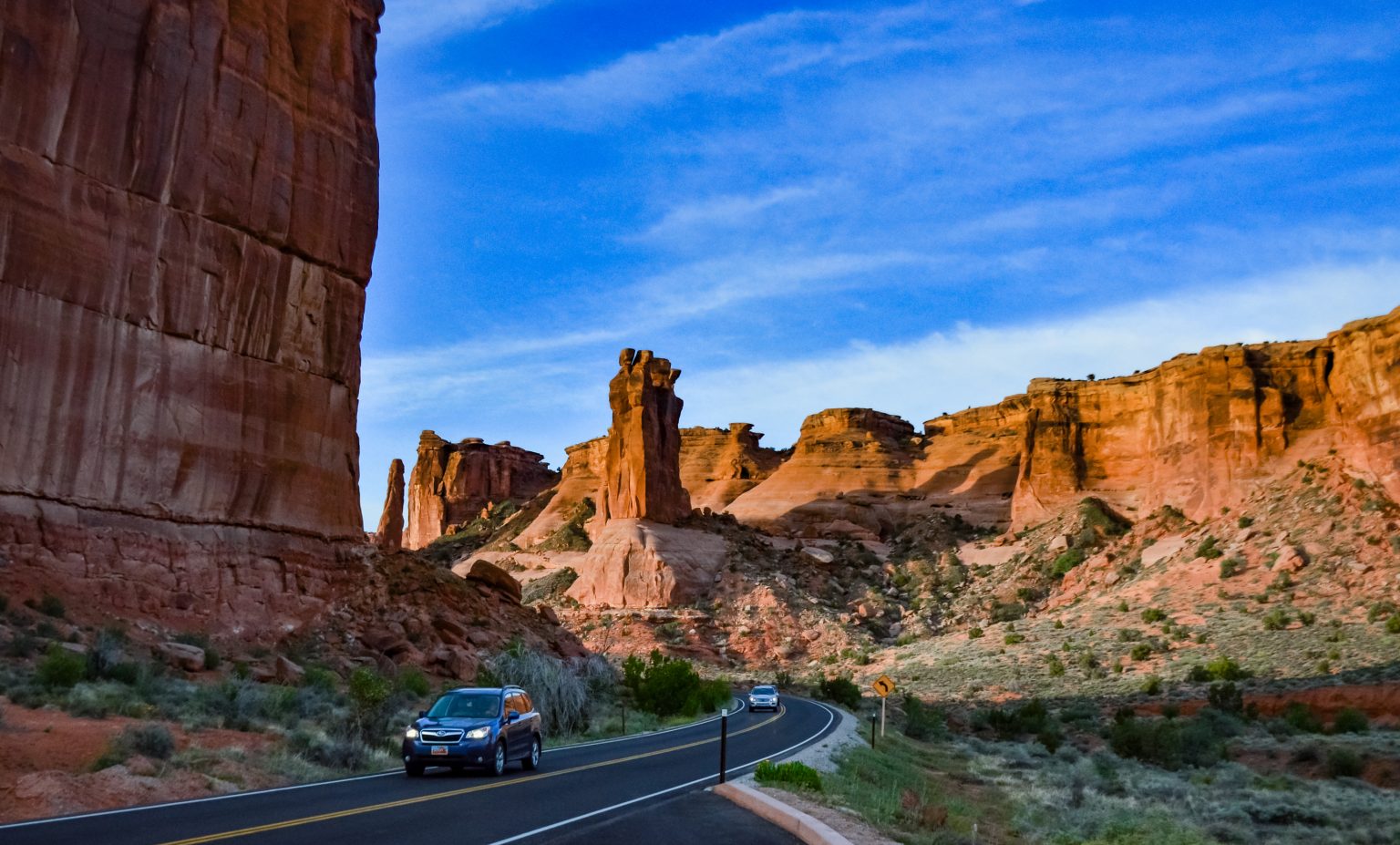
The American Southwest offers an extraordinary range of terrain for travelers seeking 4×4 desert adventures in the United States. From Utah’s rugged sandstone trails to Arizona’s red rock canyons and California’s expansive sand dunes, the region combines technical driving, scenic backcountry routes, and access to landscapes shaped by millions of years of geological change.
- Why the American Southwest Is Ideal for 4×4 Adventures
- Moab, Utah: Technical Trails and Red Sandstone
- Sedona, Arizona: Red Rocks and Rugged Backroads
- Valley of Fire and Nearby Off-Road Routes, Nevada
- Monument Valley, Arizona and Utah: Desert Scenery and Navajo Heritage
- Imperial Sand Dunes, California: A Destination for Sand Driving
- Essential Gear for Southwest Desert Off-Roading
- Best Time for Off-Road Travel in the Southwest
- Safety and Responsible Off-Road Driving
- A Four-Day Southwest Road Trip With 4×4 Experiences
- Day 1: Moab, Utah
- Day 2: Moab to Monument Valley
- Day 3: Monument Valley to Sedona
- Day 4: Sedona to the Las Vegas Area
- Making the Most of a Southwest 4×4 Adventure
A successful Southwest off-road trip takes more than a capable vehicle. Drivers need to understand trail difficulty, seasonal conditions, access restrictions, and the responsibilities that come with traveling through remote terrain. With the right preparation, the region offers memorable journeys across slickrock, sand, gravel, and open desert country.
Why the American Southwest Is Ideal for 4×4 Adventures
The Southwest stands out for its varied geology, extensive public lands, and wide choice of off-road routes. Some trails are suitable for drivers with basic experience, while others involve steep climbs, exposed ledges, deep sand, or obstacles that demand advanced vehicle control.
Highlights include:
- Extensive networks of designated off-road trails on public lands.
- Varied terrain, including slickrock, sandy washes, volcanic rock, gravel, and dry desert valleys.
- Scenic drives through canyons, mesas, and mountain landscapes.
- Opportunities to learn about Indigenous history and visit historic settlements where access is permitted.
- Seasonal driving conditions that make route planning essential.
Not every scenic desert road is an off-road trail. National parks, state parks, tribal lands, and federal recreation areas each have their own regulations. Check the rules for the specific route before driving, and never leave designated roads to create your own track.
Moab, Utah: Technical Trails and Red Sandstone
Moab is one of the best-known destinations for four-wheel-drive enthusiasts. Its red sandstone terrain, steep slickrock slopes, and expansive views attract drivers from across the United States and beyond.
Signature 4×4 Routes
Hell’s Revenge is a demanding trail known for steep slickrock climbs, narrow ledges, and challenging obstacles. It is intended for experienced drivers with suitable off-road vehicles and equipment. Beginners should consider a guided excursion rather than attempting the route independently. The Bureau of Land Management describes it as a challenging route requiring advanced off-highway driving skills.
Fins and Things features undulating sandstone formations and steep sections that require careful wheel placement, traction management, and controlled driving. Conditions and difficulty can vary, so check current route information before departure.
White Rim Road, in Canyonlands National Park, offers a long journey through dramatic desert scenery beneath towering sandstone formations. It is a different kind of experience from the shorter technical trails around Moab. The route requires substantial planning, and overnight trips require the appropriate backcountry permits. Check the National Park Service’s current road conditions, vehicle requirements, and reservation rules before committing to the drive.
Who Should Visit?
Moab suits travelers who want a mix of technical driving, scenic backcountry exploration, and access to hiking and photography locations. Drivers new to the area can begin with easier routes or join an experienced local guide.
Allow time to inspect your vehicle, understand the route, and stop safely at viewpoints. Do not attempt difficult obstacles simply because another vehicle has crossed them.
Sedona, Arizona: Red Rocks and Rugged Backroads
Sedona is famous for its red sandstone formations, desert canyons, and scenic drives. The surrounding area includes designated off-road routes, although conditions range from manageable dirt roads to technical trails that require appropriate clearance and driving experience.
Routes to Consider
Broken Arrow Trail is a popular route near Sedona featuring rocky obstacles and striking views of the surrounding formations. Some sections require careful vehicle positioning, and drivers should check current restrictions and trail conditions before setting out.
Schnebly Hill Road provides broad views across Sedona’s red rock country. Its surface can be rough, and conditions may change after rain or other weather events. Check whether the road is suitable for your vehicle before driving it.
Rather than treating every route as a test of skill, choose one that matches your experience and equipment. A guided tour is a practical option for visitors unfamiliar with the local terrain.
Photography and Scenic Stops
Sedona offers excellent opportunities to combine off-road driving with landscape photography. Early morning and late afternoon often provide softer light on the sandstone formations.
- Use established pullouts and designated parking areas.
- Avoid stopping on narrow sections of road.
- Stay on permitted routes and protect fragile desert vegetation.
- Check whether permits or access fees apply to your chosen trail.
The region is particularly suitable for travelers who want outdoor adventure without committing every day to remote backcountry driving.
Valley of Fire and Nearby Off-Road Routes, Nevada
Valley of Fire State Park, northeast of Las Vegas, is known for its bright red sandstone formations, ancient petroglyphs, and striking desert scenery. It is an excellent destination for scenic driving, short hikes, photography, and camping.
However, visitors should distinguish between exploring the state park and driving designated off-road trails nearby. Off-road driving is prohibited within Valley of Fire State Park itself. Nevada State Parks identifies Logandale Trails and the Bitter Springs area as nearby options for off-road recreation.
What to Do in the Area
- Drive the park’s approved roads and stop at designated viewpoints.
- Explore permitted hiking trails and interpretive areas.
- Photograph the sandstone formations in the early morning or late afternoon.
- Camp at designated sites where reservations and availability permit.
- Visit nearby designated off-road areas if you want a dedicated 4×4 experience.
Check official maps and local land-management rules before leaving paved roads. Do not assume that a dirt road near a state park is automatically open to motor vehicles.
Monument Valley, Arizona and Utah: Desert Scenery and Navajo Heritage
Monument Valley Navajo Tribal Park is one of the most recognizable landscapes in the American Southwest. Its towering sandstone buttes rise above a broad desert floor, creating a dramatic setting for photography and cultural exploration.
The area is on Navajo land, and visitors should follow the park’s access rules and respect its cultural significance.
Exploring the Valley
The park’s scenic drive follows a roughly 17-mile loop through the landscape. The road can include rough ground and deep sand, and vehicle restrictions apply. Check current conditions and vehicle eligibility before deciding to drive it independently. Authorized guided tours are an alternative for visitors who want to explore beyond the standard visitor experience.
Navajo-guided tours can provide insight into the area’s history, cultural meaning, and local perspectives. Book through an authorized operator and follow instructions about where visitors may walk or take photographs.
Responsible Visiting
- Stay on permitted routes and respect closed areas.
- Follow guidance about photography and cultural sites.
- Do not remove rocks, artifacts, or other natural materials.
- Allow extra time during busy periods.
- Carry water and prepare for changing weather.
Monument Valley is not simply a dramatic driving destination. It is a living homeland, and respectful travel means following the rules established by the community that manages it.
Imperial Sand Dunes, California: A Destination for Sand Driving
The Imperial Sand Dunes Recreation Area, commonly associated with Glamis, offers extensive dunes and open terrain for off-highway recreation near California’s border with Mexico. It attracts experienced drivers and riders seeking a different challenge from the sandstone trails around Moab.
Sand driving requires specific skills because the surface shifts beneath the tires. Drivers must understand traction, tire pressure, vehicle recovery, and the risks of cresting dunes without a clear view of the other side.
What to Know Before You Go
- Check current recreation permits and seasonal requirements.
- Carry the required safety flag and ensure the vehicle meets applicable rules.
- Use designated open riding areas and respect closed zones.
- Travel with suitable recovery equipment and a reliable communication plan.
- Avoid driving over dune crests when you cannot see approaching vehicles.
- Bring adequate water, sun protection, and emergency supplies.
The Bureau of Land Management lists permit and safety requirements for the Imperial Sand Dunes, including vehicle permits for applicable periods and required safety flags. Check the current rules before departure.
The area is best suited to visitors who understand off-highway vehicle safety and are prepared for heat, dust, and busy recreation periods.
Essential Gear for Southwest Desert Off-Roading
A reliable vehicle is only one part of a safe off-road setup. Equipment should match the route, season, number of travelers, and distance from assistance.
Vehicle and Recovery Equipment
Consider carrying:
- A suitable high-clearance 4×4 with tires appropriate for the terrain.
- A full-size spare tire or an appropriate replacement solution.
- A tire repair kit and compatible air compressor.
- A shovel and traction boards for sand or loose surfaces.
- Recovery straps and rated recovery points, used only by people who know the correct procedures.
- Basic tools and vehicle-specific emergency equipment.
Not every trail requires the same equipment. A demanding slickrock route and a long sandy track present different challenges, so check the route’s specific requirements rather than relying on a generic packing list.
Navigation and Emergency Supplies
Useful supplies include:
- Offline maps and a dependable navigation device.
- A paper map and compass as backups.
- A first-aid kit and flashlight or headlamp.
- A power bank or suitable spare batteries.
- Extra food and drinking water.
- A communication device appropriate for areas without mobile coverage.
- Additional fuel when the route and vehicle range make it necessary.
For remote trips, share your route and expected return time with someone who is not traveling with you. Understand how you will contact assistance if the vehicle becomes disabled.
Water and Tire Pressure
Water requirements depend on temperature, activity, trip length, and individual needs. Carry more than you expect to consume, particularly when traveling far from services or undertaking strenuous activity. Do not rely on a single daily quantity for every desert journey.
Lowering tire pressure can improve traction on sand, but the correct pressure depends on the tire, vehicle, load, and terrain. Follow vehicle and tire guidance, avoid excessive deflation, and reinflate before returning to higher-speed roads. Carry an appropriate compressor and pressure gauge.
Best Time for Off-Road Travel in the Southwest
The most suitable season depends on the destination and terrain. Cooler months are often more comfortable in low-elevation deserts, while high-elevation routes can experience snow, ice, or freezing temperatures.
Seasonal Considerations
Autumn: Cooler daytime temperatures can make many desert routes more comfortable. Check for storms and recent rainfall before driving remote tracks.
Winter: Some lowland destinations remain suitable for exploration, but snow and ice can affect higher routes. Cold nights also require appropriate camping equipment.
Spring: Conditions can be favorable for scenic driving and outdoor activities. However, rain can make clay roads slippery and increase flash-flood risks in washes and canyons.
Summer: Extreme heat can create serious risks for drivers and passengers. Plan activities around cooler hours, check vehicle temperatures, and avoid strenuous activity during dangerous conditions.
At the Imperial Sand Dunes, the main recreation season and permit rules differ from those at many sandstone destinations. Verify current seasonal requirements before planning a trip.
Safety and Responsible Off-Road Driving
Remote desert travel requires good judgment as well as driving ability. A route that looks straightforward on a map may become difficult because of soft sand, steep rock, weather, mechanical trouble, or limited visibility.
Before Setting Out
- Check official trail information, closures, permits, and weather forecasts.
- Match the route to your driving experience and vehicle capability.
- Inspect tires, brakes, fluids, recovery points, and essential equipment.
- Carry enough water, food, and fuel for delays.
- Tell someone your route and expected return time.
While Driving
- Stay on designated routes to protect fragile soil, vegetation, and archaeological sites.
- Keep a safe distance from other vehicles, especially on dunes and steep terrain.
- Avoid driving into washes or canyons when flash flooding is possible.
- Never cross a flooded road or stream when the depth and current are uncertain.
- Stop and reassess when visibility, traction, or vehicle performance becomes unsafe.
Traveling with another capable vehicle can provide useful backup on remote routes, but it does not remove the need for suitable equipment, communication, and preparation. If you travel alone, choose routes appropriate for solo travel and make a clear emergency plan.
Respecting Indigenous Lands
The Southwest includes tribal lands, culturally significant locations, and protected archaeological sites. Access permissions vary, and a route shown on a general map may cross land with its own entry requirements.
Check with the relevant tribal authority or land manager, use authorized guides when required, and follow restrictions on photography, camping, and off-road access. Responsible driving protects both the landscape and the communities connected to it.
A Four-Day Southwest Road Trip With 4×4 Experiences
A four-day trip can combine off-road driving, scenic roads, and cultural experiences, but the distances between destinations are substantial. This itinerary focuses on Utah, Arizona, and Nevada rather than attempting to cover the entire Southwest.
Day 1: Moab, Utah
Begin in Moab and choose a route that matches your experience. Experienced drivers can consider Hell’s Revenge after checking current trail information and vehicle requirements. Less experienced visitors can book a guided excursion.
Spend the rest of the day visiting accessible viewpoints or exploring nearby established trails. Stay overnight in or near Moab.
Day 2: Moab to Monument Valley
Travel south toward Monument Valley, allowing time for the drive and stops along the way. On arrival, check the current opening hours, scenic-drive access, and tour availability.
Explore the permitted scenic route or book an authorized Navajo-guided tour. Stay nearby so you do not need to rush the experience before sunset.
Day 3: Monument Valley to Sedona
Drive toward Sedona and use the afternoon for a scenic stop or a short walk if time and conditions allow. If you want to drive Broken Arrow Trail, check access rules and difficulty in advance, and allow sufficient time rather than attempting it after a long day on the road.
Spend the night in Sedona or nearby.
Day 4: Sedona to the Las Vegas Area
Travel toward the Las Vegas region, allowing for the drive and traffic. If time permits, visit Valley of Fire State Park for its approved scenic roads and viewpoints. Remember that motorized off-road driving is prohibited inside the state park itself.
If dedicated off-road driving is your priority, consider a separately planned visit to a designated nearby recreation area such as Logandale Trails. Do not try to fit a demanding off-road excursion into the itinerary unless you have enough time to complete it safely.
This route offers a combination of technical driving opportunities, red rock scenery, and cultural experiences. Travelers who want to include California’s Imperial Sand Dunes should plan a separate trip or allow additional days rather than adding a long detour to this schedule.
Making the Most of a Southwest 4×4 Adventure
The American Southwest rewards travelers who balance exploration with preparation. Moab offers technical sandstone trails, Sedona combines red rock scenery with designated off-road routes, Monument Valley provides opportunities to learn about Navajo heritage, and the Imperial Sand Dunes present a different challenge for experienced sand drivers.
Choose routes according to your experience, confirm current access rules, and prepare for the weather and distance involved. Respect Indigenous lands, protect fragile desert terrain, and turn back when conditions become unsafe.
The goal is not to conquer every obstacle. It is to experience the region’s extraordinary landscapes while returning safely, with a deeper appreciation of the desert and the people connected to it.