
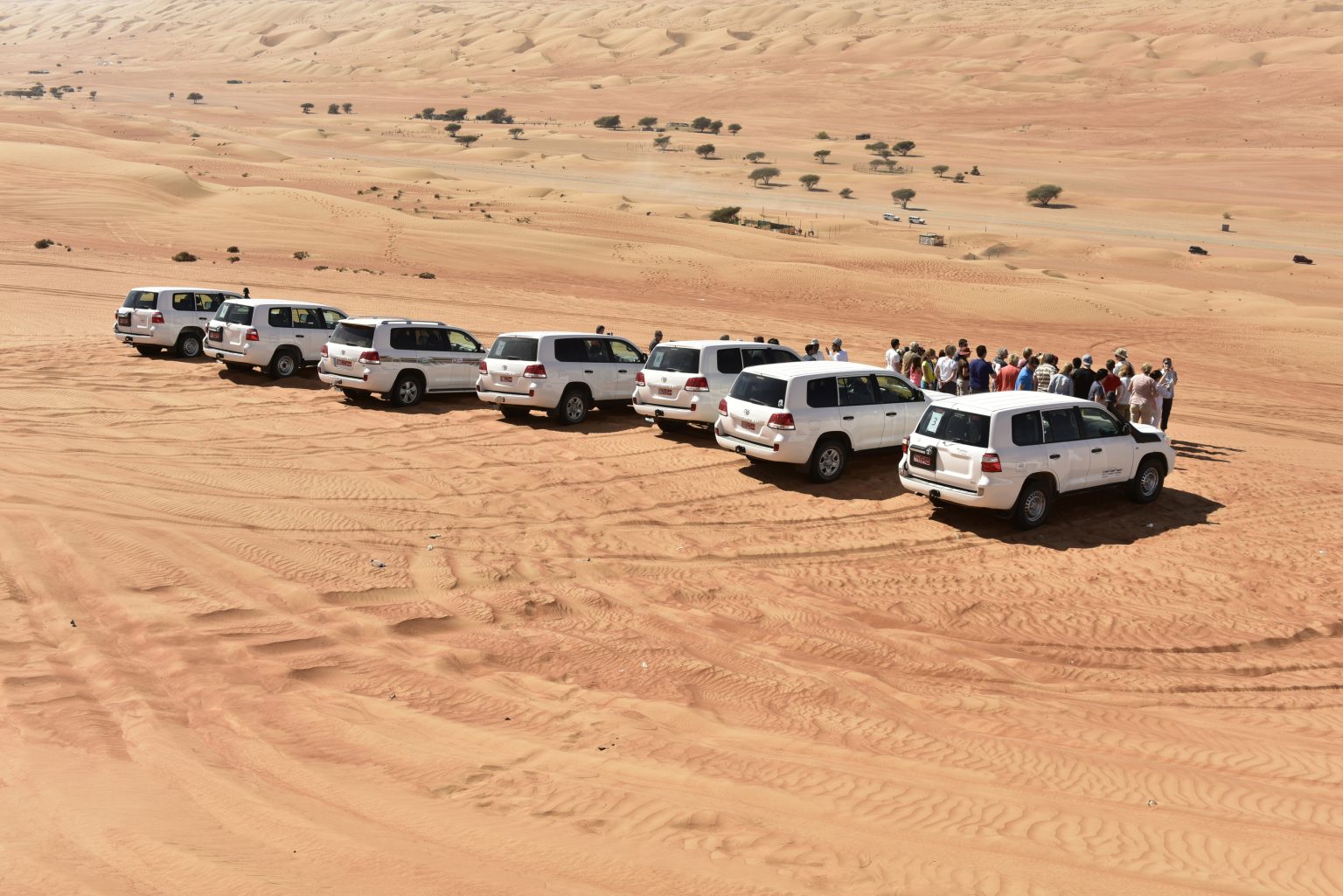
The Oman desert safari experience combines sweeping dunes, rocky tracks and remote landscapes with opportunities to discover the country’s natural and cultural heritage. From the golden sands of Sharqiya Sands to the coastal wetlands of Bar Al Hikman and the vast dunes of the Empty Quarter, each destination offers a different kind of adventure.
- Why Oman Is a Great Destination for a Desert Safari
- The Best 4×4 Desert Safari Routes in Oman
- Muscat to Sharqiya Sands (Wahiba Sands)
- Bar Al Hikman: Coastal Flats and Birdlife
- The Empty Quarter (Rub al Khali) from Dhofar
- Exploring the Al Wusta Interior
- Things to Do on an Oman Desert Safari
- Dune Bashing
- Sandboarding
- Guided Desert Walks
- Stargazing and Overnight Camping
- Omani Food and Hospitality
- What to Bring on a 4×4 Desert Safari
- Important Safety Tips for Desert Driving
- Best Time of Year for a Desert Safari in Oman
- Respect Oman’s Environment and Cultural Heritage
- A Three-Day 4×4 Safari from Muscat to Sharqiya Sands and Back
- Day 1: Muscat to Sharqiya Sands
- Day 2: Explore the Dunes and Enjoy the Desert Night
- Day 3: Return to Muscat
- Discover Oman’s Deserts at Your Own Pace
A 4×4 desert adventure in Oman can include guided dune driving, sandboarding, wildlife observation, stargazing and overnight camping. Some routes are suitable for a short guided excursion, while others require specialist vehicles, careful navigation and experienced local guides.
This guide explores Oman’s main desert routes, explains what to expect on an off-road trip and offers practical advice for planning a safe, responsible journey across the country’s varied terrain.
Why Oman Is a Great Destination for a Desert Safari
Oman offers more than sand dunes. Its landscapes include rocky mountains, dry river valleys, gravel plains, coastal wetlands and remote desert regions. These different environments make it possible to combine several types of outdoor experience within a longer road trip.
What makes 4×4 adventures in Oman distinctive includes:
- Varied terrain: Travel through sandy dunes, rocky landscapes and selected gravel tracks with a suitable vehicle and guide.
- Desert camping: Spend a night at an established desert camp or an authorized camping location.
- Wildlife observation: Look for desert-adapted species and migratory birds without disturbing their habitats.
- Local heritage: Visit traditional markets, historic settlements and cultural sites along established routes.
- Stargazing: Enjoy dark skies away from towns when weather and visibility are favorable.
- Flexible itineraries: Choose a short excursion from Muscat or a longer expedition into more remote regions.
Not all routes are suitable for every driver. Deep sand, wet salt flats and remote tracks require different skills, and a standard tourist safari is not the same as an independent off-road expedition.
The Best 4×4 Desert Safari Routes in Oman
Muscat to Sharqiya Sands (Wahiba Sands)
Sharqiya Sands, widely known as Wahiba Sands, is one of Oman’s best-known desert destinations. Its rolling dunes, sandy plains and desert camps make it a practical choice for visitors who want to experience the dunes without undertaking a long expedition into the Empty Quarter.
The journey from Muscat usually involves several hours on the road, depending on the destination, traffic and stops. Ibra and the Al Mintrib area are useful reference points for trips into the sands, but the exact route depends on the camp or excursion you book.
A visit may include:
- Guided dune bashing with an experienced driver.
- Sandboarding on suitable slopes.
- Sunset photography from a designated viewpoint.
- Camel rides offered by local operators.
- Overnight accommodation at a desert camp.
- Traditional refreshments or meals, depending on the package.
Sharqiya Sands is a good option for first-time visitors because organized excursions and established camps are available. However, not every route through the dunes is easy, and visitors should not drive onto deep sand without the necessary skills and equipment.
Best for: First-time desert travelers, couples, families and visitors looking for a relatively accessible desert experience.
Bar Al Hikman: Coastal Flats and Birdlife
Bar Al Hikman, in Oman’s Al Wusta Governorate, offers a very different landscape from Sharqiya Sands. This remote coastal peninsula includes salt flats, tidal wetlands, shallow lagoons and sandy shores along the Arabian Sea.
The area is particularly important for migratory birds and other coastal wildlife. Depending on the season and conditions, visitors may observe flamingos, shorebirds and other species across the wetlands.
Activities can include:
- Birdwatching and wildlife photography.
- Exploring selected coastal areas with an experienced local guide.
- Observing lagoons, tidal flats and the surrounding shoreline.
- Camping through properly arranged trips where permitted.
- Enjoying the contrast between the coast and the inland desert.
Bar Al Hikman is not a simple dune-driving route between Muscat and Wahiba Sands. Remote access can involve soft sand, mud, tidal flats and salt surfaces that may appear firm but cannot safely support a vehicle. Tide conditions and recent weather are important, and mobile coverage may be limited.
Use a knowledgeable local operator rather than relying on a map pin or assuming that any 4×4 can cross the flats safely.
Best for: Birdwatchers, photographers and travelers interested in remote coastal landscapes.
The Empty Quarter (Rub al Khali) from Dhofar
The Rub al Khali, or Empty Quarter, is the world’s largest continuous sand desert and extends across parts of Oman, Saudi Arabia, the United Arab Emirates and Yemen. Its Omani section lies in the northwest of Dhofar Governorate, where vast dunes and remote sandy terrain create opportunities for specialist desert expeditions.
Access from Salalah generally involves a long drive north toward the desert. The route and distance depend on the intended destination, with areas such as Al Hashman and Al Khadhf associated with desert activities and camping.
Possible experiences include:
- Guided 4×4 driving across selected dune routes.
- Overnight desert camping with appropriate support.
- Sandboarding where suitable slopes are available.
- Stargazing far from major settlements.
- Learning about desert travel and the region’s natural environment.
The Empty Quarter requires more preparation than a short safari near Muscat. Visitors should arrange a specialist tour with an operator familiar with the terrain, vehicle recovery and emergency procedures.
Do not assume that a paved road leads directly to every dune area or that a route through the desert connects conveniently to Salalah. Some expeditions require additional time, supplies and carefully planned navigation.
Best for: Experienced off-road travelers and visitors seeking a guided multi-day desert expedition.
Exploring the Al Wusta Interior
Oman’s Al Wusta region includes extensive dry landscapes, remote coastal areas and long stretches of road between settlements. It offers opportunities for travelers who want to explore beyond the country’s better-known dune camps.
Rather than treating the entire region as one continuous desert loop, plan around specific destinations and realistic driving distances. Bar Al Hikman, for example, is a coastal wetland, while other areas farther inland have a different terrain and access requirements.
Depending on your chosen route, experiences may include:
- Guided drives through permitted desert and gravel-road areas.
- Wildlife observation in suitable habitats.
- Visits to coastal landscapes and wetlands.
- Photography of open plains and remote scenery.
- Overnight stays at established accommodation or authorized campsites.
Facilities can be sparse outside towns, so fuel, drinking water, food and accommodation should be planned in advance.
Best for: Independent-minded travelers who prefer quieter routes and are prepared for longer distances and limited services.
Things to Do on an Oman Desert Safari
Dune Bashing
Dune bashing in Oman involves driving across suitable sand dunes with a trained driver. The route may include climbs, descents and sweeping turns, depending on the terrain and the tour.
Passengers should wear seat belts, follow the driver’s instructions and avoid standing or moving around inside the vehicle while it is moving. Anyone with medical or mobility concerns should check whether the activity is appropriate before booking.
Sandboarding
Sandboarding lets visitors slide down selected sandy slopes using a board designed for sand. Ask the operator whether equipment is included and whether the terrain is suitable for beginners.
Choose a slope with a clear landing area, follow the guide’s instructions and wait until the previous rider has moved away before starting.
Guided Desert Walks
A guided walk offers a slower way to explore the desert. Local guides can explain the terrain, identify plants and tracks, and share information about the area’s history and environment.
Wear suitable footwear, protect yourself from the sun and stay with the guide in unfamiliar terrain.
Stargazing and Overnight Camping
Away from towns, the desert can offer excellent night-sky viewing when clouds and moonlight are limited. An overnight stay also gives visitors a chance to experience the change from warm daylight to cooler evening conditions.
Choose an established camp or a permitted camping location, and bring warm clothing for the night. Clear skies are never guaranteed.
Omani Food and Hospitality
Some desert camps serve Omani dishes, Arabic coffee, dates and tea. Menus and activities vary by provider, so confirm what is included before booking.
You may also encounter shuwa, a traditional Omani dish of meat slow-cooked in an underground oven, although it is not served at every camp and may require advance arrangements.
Cultural experiences should be approached with respect. Ask your host about local customs and avoid assuming that one camp experience represents every community in Oman.
What to Bring on a 4×4 Desert Safari
The right equipment depends on whether you are joining a guided day trip or driving independently into remote terrain.
For a typical guided excursion, bring:
- Lightweight clothing that covers your skin and is comfortable in warm weather.
- Sunglasses, a hat and high-SPF sunscreen.
- Closed footwear suitable for walking on sand and uneven ground.
- Drinking water and any personal medication.
- Snacks for longer excursions, if meals are not included.
- A phone or camera protected from sand and dust.
- A light jacket for cooler evenings.
- A flashlight or headlamp if the trip continues after dark.
For remote self-drive trips, additional equipment may include:
- A suitable shovel and vehicle recovery equipment.
- A tire compressor and pressure gauge.
- Navigation equipment and offline maps.
- Extra fuel and adequate supplies of water and food.
- Emergency communication equipment appropriate to the route.
- A first-aid kit and a practical emergency plan.
The appropriate quantity of water and other supplies depends on the length of the trip, the number of travelers, the weather and the availability of services. Do not rely on a single fixed water allowance for every excursion.
Tire pressure should not automatically be reduced to 1.5 bar. The correct setting depends on the vehicle, tire specifications, load and sand conditions. Lowering pressure requires experience and a reliable way to reinflate the tires before returning to paved roads.
Important Safety Tips for Desert Driving
Driving across sand is different from driving on ordinary roads. Dunes can conceal steep drops, soft patches and sudden changes in terrain, while wind can alter the surface and reduce visibility.
For most visitors, a guided tour is the safest option. If you plan an independent Oman off-road adventure, take these precautions:
- Avoid remote solo driving: Travel with another suitable vehicle on challenging routes.
- Check the weather: Heat, wind, rain and poor visibility can affect access and safety.
- Plan the route: Share your itinerary and expected return time with someone who is not travelling with you.
- Carry emergency supplies: Bring adequate water, food, fuel, recovery equipment and suitable communication tools.
- Use reliable navigation: Download offline maps and do not depend entirely on mobile coverage.
- Know your vehicle: Confirm that the 4×4 and its tires are suitable for the terrain.
- Respect access restrictions: Do not enter private land, protected habitats or industrial areas without authorization.
Bar Al Hikman deserves particular caution because the condition of salt flats, mud and tidal approaches can change. A vehicle should never be driven onto a surface simply because it looks dry or firm.
For remote routes in the Empty Quarter, use a specialist operator familiar with the area. Do not attempt steep dunes or difficult recovery situations without the necessary experience.
Best Time of Year for a Desert Safari in Oman
The best season depends on the region and the type of activity. For many inland desert excursions, October to March offers more comfortable temperatures than the hottest summer months.
October to March
Cooler weather generally makes this a popular period for dune driving, camping, walking and stargazing. Nights can still be cold, particularly in remote areas, so bring warm layers for overnight stays.
April and May
Temperatures begin to rise, making early-morning and late-afternoon activities preferable to midday excursions. Check the forecast and ask your operator whether the planned route is suitable for the conditions.
June to September
Inland deserts can experience intense heat during summer. Avoid prolonged outdoor exertion in the hottest part of the day and follow the operator’s safety advice.
Dhofar has a different seasonal pattern because of the khareef monsoon season, which usually affects the region from around June to September. Weather and visibility in the Dhofar mountains and coastal areas can differ considerably from conditions in the inland desert.
For many travelers, November to February is a useful starting point for planning a desert trip, particularly if overnight camping is part of the itinerary. However, the best dates depend on the specific destination and forecast.
Respect Oman’s Environment and Cultural Heritage
Responsible travel helps protect Oman’s deserts, coastal wetlands and the communities connected to them.
- Stay on permitted routes and avoid damaging desert vegetation.
- Take all rubbish with you.
- Keep a respectful distance from wildlife, especially birds in sensitive wetland areas.
- Avoid driving over tidal flats or salt surfaces without local guidance.
- Ask permission before photographing people.
- Respect private land, local customs and restrictions around cultural sites.
- Choose operators who explain their safety procedures and environmental practices.
- Keep noise low at campsites and wildlife-viewing locations.
Omani communities are diverse, and customs vary by region and family. A greeting such as As-salamu alaykum is a courteous way to begin an interaction, while asking before photographing someone shows respect for their privacy.
A desert safari should leave the landscape and its inhabitants undisturbed. Good planning and respectful behavior are as important as the vehicle you choose.
A Three-Day 4×4 Safari from Muscat to Sharqiya Sands and Back
For a short trip, it is more practical to concentrate on Sharqiya Sands than to combine it with Bar Al Hikman and the Empty Quarter. These destinations lie in different regions and require separate travel planning.
Day 1: Muscat to Sharqiya Sands
Leave Muscat after breakfast and travel toward the Sharqiya Sands area. Depending on your route, you may stop in Ibra or another town along the way.
Continue to your booked desert camp or meet your guide at the agreed location. Enjoy a guided dune drive, take photographs and watch the light change across the sand. Dinner and overnight accommodation can be arranged through the camp.
Day 2: Explore the Dunes and Enjoy the Desert Night
Begin the morning when temperatures are cooler. Depending on your package, activities may include sandboarding, a camel ride or a guided walk.
Spend part of the day relaxing at the camp or exploring nearby areas with your guide. After sunset, enjoy dinner and stargazing if weather conditions are favorable.
If you plan to visit a local market, confirm its opening day and hours rather than assuming it will be operating during your visit.
Day 3: Return to Muscat
Enjoy breakfast and any short morning activity included in your booking. Leave the desert with enough time for the road journey back to Muscat.
If you want to visit Bar Al Hikman or the Empty Quarter, arrange a separate extension with a suitable operator. Trying to fit all three regions into this short itinerary would involve substantial driving and leave little time for the experiences themselves.
Discover Oman’s Deserts at Your Own Pace
An Oman 4×4 desert adventure can be a short guided excursion into Sharqiya Sands, a wildlife-focused trip to Bar Al Hikman or a specialist expedition into the Omani section of the Empty Quarter. Each offers a different combination of scenery, activities and practical challenges.
Choose the route that matches your experience, allow enough time for travel and prepare for the actual conditions. With a suitable vehicle, knowledgeable local guidance and respect for the environment, Oman’s deserts reveal far more than sweeping dunes: they offer a chance to understand the country’s landscapes, wildlife and cultural heritage.