
The landscapes of Southern Africa preserve a long history of human life, recorded in rock paintings, oral traditions and knowledge of the natural environment. The San people of Southern Africa have a deep cultural connection to these landscapes, including the dry regions of the Karoo and Kalahari. Their heritage can be explored through San rock art in South Africa, community-led cultural experiences and visits to historic sites. This guide introduces the San cultural heritage of the Karoo and Kalahari, highlighting where to learn about it and how to visit with respect.
- Who Are the San People?
- Understanding San Rock Art
- Where to Experience San Rock Art and Culture in South Africa
- Game Pass Shelter, KwaZulu-Natal
- Cederberg Mountains, Western Cape
- The Karoo and Tankwa Karoo
- Khwa ttu San Heritage Centre, Western Cape
- Khomani San Heritage Experiences, Northern Cape
- The Cultural Significance of the Trance Dance
- How to Visit San Cultural Sites Respectfully
- A Sample Three-Day Cultural Itinerary
- Day 1: Explore the Khomani San Heritage
- Day 2: Learn About the Kalahari Landscape
- Day 3: Choose a Rock Art Region
- When Is the Best Time to Visit?
- Keeping San Heritage Alive
Who Are the San People?
The San are Indigenous peoples of Southern Africa whose communities have long histories as hunter-gatherers. Their ancestors lived across extensive areas of the region, adapting to different environments through detailed knowledge of plants, animals, water sources and seasonal changes.
The term San refers to diverse peoples with distinct languages, histories and cultural practices. The older term Bushmen still appears in historical sources and some place names, but it can be considered offensive by some people. Using the names preferred by the community being visited is the most respectful approach.
Traditional San knowledge includes practical skills and cultural traditions passed between generations, such as tracking animals, identifying edible plants and understanding changes in weather and wildlife. Oral storytelling has also played an important role in preserving histories, beliefs and relationships with the land.
San cultures should not be treated as a single, unchanged way of life. Communities have experienced displacement, restrictions on access to ancestral lands and major social changes. Today, San people continue to maintain, share and develop their cultural traditions in different ways.
Understanding San Rock Art
San rock paintings and engravings are among Southern Africa’s most important archaeological and cultural records. Found on rock shelters, cave walls and exposed rock surfaces, these images preserve evidence of the relationships between people, animals, landscapes and spiritual beliefs.
Many paintings feature eland, other animals, human figures and beings with a combination of human and animal characteristics. Researchers have linked some images to spiritual practices, healing rituals and altered states of consciousness. However, not every image has a confirmed interpretation, and meanings can differ between sites and cultural contexts.
Common Features of San Rock Art
When visiting a rock art site, look for details such as:
- Eland antelope: These animals hold particular significance in several San belief systems and appear frequently in southern African rock art.
- Human and animal figures: Some figures appear to combine human and animal characteristics, which researchers have interpreted in connection with spiritual experiences.
- Dancing and clapping figures: Certain painted scenes have been associated with healing or trance dances described in ethnographic accounts.
- Geometric patterns: Dots, lines and zigzag shapes appear in some paintings and have been interpreted in different ways by researchers.
- Natural rock formations: Cracks, ledges and changes in the rock surface can form part of the visual composition.
Interpretations of San rock art draw on archaeology, historical records and knowledge shared by San communities. Visitors should avoid treating every painting as a straightforward illustration of everyday life or assigning a definite spiritual meaning without reliable evidence.
Where to Experience San Rock Art and Culture in South Africa
Game Pass Shelter, KwaZulu-Natal
Game Pass Shelter lies in the Kamberg area of the Maloti-Drakensberg region. It is known for an extensive panel of San paintings featuring human figures, eland and figures with mixed human and animal characteristics.
The site is especially important to researchers studying the relationship between rock art, spiritual beliefs and Indigenous knowledge. It is sometimes described as the “Rosetta Stone” of southern African rock art because of its importance in developing interpretations of these images.
Visitors should check current access arrangements before travelling. A knowledgeable guide can help explain the archaeological context and the different interpretations associated with the paintings.
Cederberg Mountains, Western Cape
The Cederberg region is known for its rugged sandstone formations, hiking routes and numerous examples of San rock art. Shelters and caves across the wider area preserve paintings that offer insight into the region’s long human history.
Places such as Stadsaal Caves and Truitjieskraal are known for their striking rock formations and cultural or archaeological interest. Access conditions, permits and walking requirements vary by site, so confirm the arrangements with the relevant land manager before setting out.
For travellers interested in photography and cultural heritage, the Cederberg combines mountain scenery with opportunities to learn about the people who lived in the region long before modern settlements and roads.
When visiting:
- Stay on permitted trails and follow local access rules.
- Do not touch, wet, trace or apply anything to the paintings.
- Avoid using flash or other equipment where site rules prohibit it.
- Photograph rock art only where photography is permitted.
The Karoo and Tankwa Karoo
The Karoo is a broad, dry region rather than a single uniform desert. Its open plains, rocky hills and sheltered rock formations contain evidence of long-standing human occupation, including rock art at various locations.
The wider Karoo and Tankwa areas can suit travellers who want to combine remote landscapes with cultural and geological interests. However, individual paintings are not necessarily accessible from major towns or national parks, and a visit to Tankwa Karoo National Park does not automatically include a rock art experience.
Before travelling, identify a specific site and confirm whether it is open to visitors. Where possible, arrange a visit with a local guide who understands the area’s heritage and access requirements.
Khwa ttu San Heritage Centre, Western Cape
Khwa ttu San Heritage Centre offers an opportunity to learn about San history and living heritage through interpretation and community-based experiences. Rather than focusing exclusively on ancient paintings, a visit can introduce the diversity of San identities, knowledge and contemporary experiences.
Visitors should check the centre’s current programme, opening arrangements and available guided activities before planning a trip. Choosing an experience led by San guides can provide a more direct understanding of the subjects being discussed and help support Indigenous-led heritage tourism.
Khomani San Heritage Experiences, Northern Cape
The Khomani San community has a deep connection to the landscape around the Kgalagadi region. Visitors can learn about this heritage through community-linked tourism and interpretive experiences, including the Khomani San Interpretive Centre at Twee Rivieren in Kgalagadi Transfrontier Park.
Depending on current availability, activities may introduce visitors to local history, traditional knowledge and relationships with the surrounding environment. Experiences and services should be confirmed directly with the community or relevant tourism operators in advance.
Approach these visits as opportunities to learn from living communities, not as a chance to observe people as historical exhibits. Ask before taking photographs and follow the guidance of hosts throughout the experience.
The Cultural Significance of the Trance Dance
Healing or trance dances are important in the ethnographic record of several San communities, particularly in discussions of traditional healing and spiritual practice. These ceremonies have been described as involving rhythmic dancing, clapping and singing, with some participants entering altered states of consciousness.
Researchers have connected certain San rock paintings with these practices. Some interpretations suggest that figures with unusual postures or animal characteristics represent experiences associated with trance and spiritual journeys. Such interpretations are influential but remain part of a broader discussion about how to understand rock art.
The practices of one San community should not automatically be attributed to every other San group. Traditions differ across regions and generations, and some knowledge may be shared only in appropriate cultural settings.
If a community offers a cultural demonstration, ask whether it is a contemporary educational presentation, a performance adapted for visitors or a ceremony with particular cultural significance. Respect the host’s explanation and any restrictions on recording or participation.
How to Visit San Cultural Sites Respectfully
Responsible travel helps protect fragile archaeological sites and supports communities that share their heritage with visitors.
- Choose community-led experiences: Where available, book through San organisations or guides and ask how tourism income benefits the community.
- Respect photography rules: Always ask permission before photographing people, ceremonies, homes or community activities.
- Protect rock art: Never touch, trace, chalk, wet or mark painted surfaces. Even seemingly harmless contact can contribute to deterioration.
- Follow access restrictions: Some sites are on private land, protected areas or places where permission is required.
- Listen to local knowledge: Let guides explain the history and meaning of a site instead of assuming that every symbol has one universal interpretation.
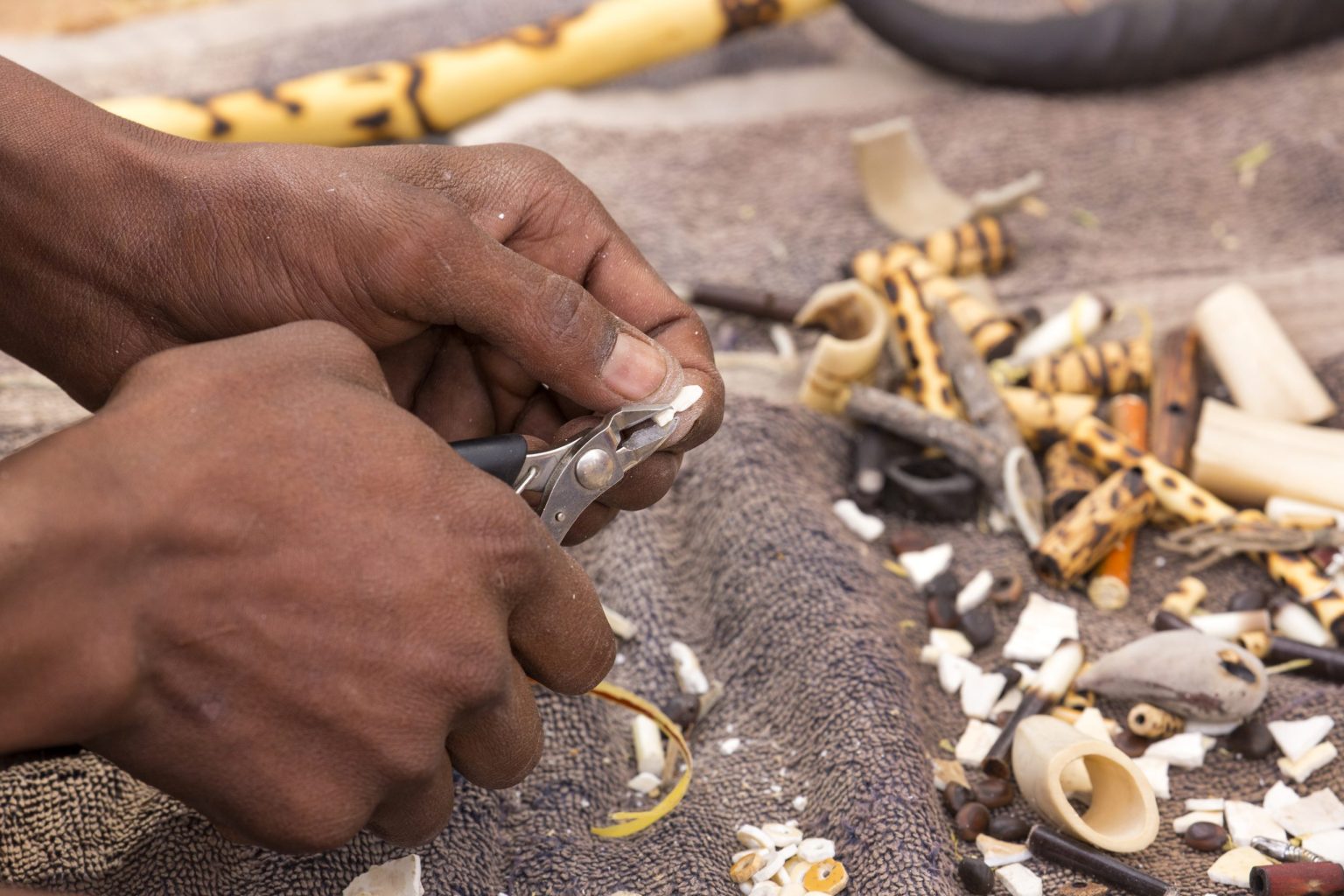
- Buy crafts directly where possible: Purchasing locally made work through community-supported channels can help sustain livelihoods.
- Avoid stereotypes: San communities are living societies with varied experiences, contemporary priorities and different cultural practices.
A respectful visit recognises both the archaeological importance of the past and the rights of Indigenous people today.
A Sample Three-Day Cultural Itinerary
A trip combining San heritage and South Africa’s dry landscapes needs careful planning because the places mentioned below are spread across different parts of the country. The itinerary is best treated as a choice of regional experiences rather than a continuous route that can comfortably be completed in three days.
Day 1: Explore the Khomani San Heritage
Begin in the Upington area if it fits your transport arrangements, then travel towards the Kgalagadi region. Allow sufficient time for the drive and confirm accommodation and community activities before departure.
At Twee Rivieren, explore the Khomani San Interpretive Centre if it is open and accepting visitors. A community-linked activity can provide context about the region’s history, traditional knowledge and contemporary heritage.
Day 2: Learn About the Kalahari Landscape
Spend the day exploring the surrounding region through permitted activities and guided experiences. Depending on what is available, a guide may introduce local plant knowledge, animal tracking or the area’s cultural history.
Keep expectations flexible. Not every skill or tradition is demonstrated on every visit, and access to particular activities depends on community arrangements, season and availability.
Day 3: Choose a Rock Art Region
For a rock art experience, select a destination that fits your onward travel plans. The Cederberg offers sandstone landscapes and documented rock art sites, while Game Pass Shelter is in the Drakensberg region of KwaZulu-Natal.
These destinations are far apart, so neither should be treated as a quick continuation of a trip to the Kgalagadi area. If rock art is a priority, plan a separate regional visit and confirm access, guiding arrangements and travel times in advance.
When Is the Best Time to Visit?
The best time depends on the region, the activity and the weather. South Africa’s dry landscapes experience substantial differences in temperature, rainfall and altitude, so one seasonal recommendation does not apply everywhere.
For many outdoor activities in the Karoo and Kalahari, the cooler months can be comfortable for walking and exploring. In the Northern Cape, nights during the winter period can become very cold, even when daytime conditions are pleasant.
Before travelling:
- Check regional weather forecasts and road conditions.
- Confirm opening times and guided-tour availability.
- Carry sufficient drinking water for walks and remote journeys.
- Bring layers for cold mornings and evenings.
- Avoid visiting exposed rock art sites during unsafe weather or when access is restricted.
Spring and autumn can also be suitable, depending on the destination. For the best experience, choose dates around the specific site and activities you intend to visit rather than relying on a single national travel season.
Keeping San Heritage Alive
San heritage is preserved through rock art, oral histories, traditional knowledge, community initiatives and the work of people who continue to share their culture on their own terms. These forms of heritage connect the landscapes of Southern Africa with the lives and experiences of Indigenous communities across generations.
For travellers, the most meaningful visits combine curiosity with care. Explore recognised rock art sites with permission, learn from knowledgeable guides and support tourism experiences that respect community priorities.
The Karoo and Kalahari are not simply remote landscapes to cross. They are places with complex histories and living cultural connections. By approaching San heritage with respect, visitors can gain a richer understanding of South Africa’s past while recognising the people whose knowledge and traditions remain part of its present.