
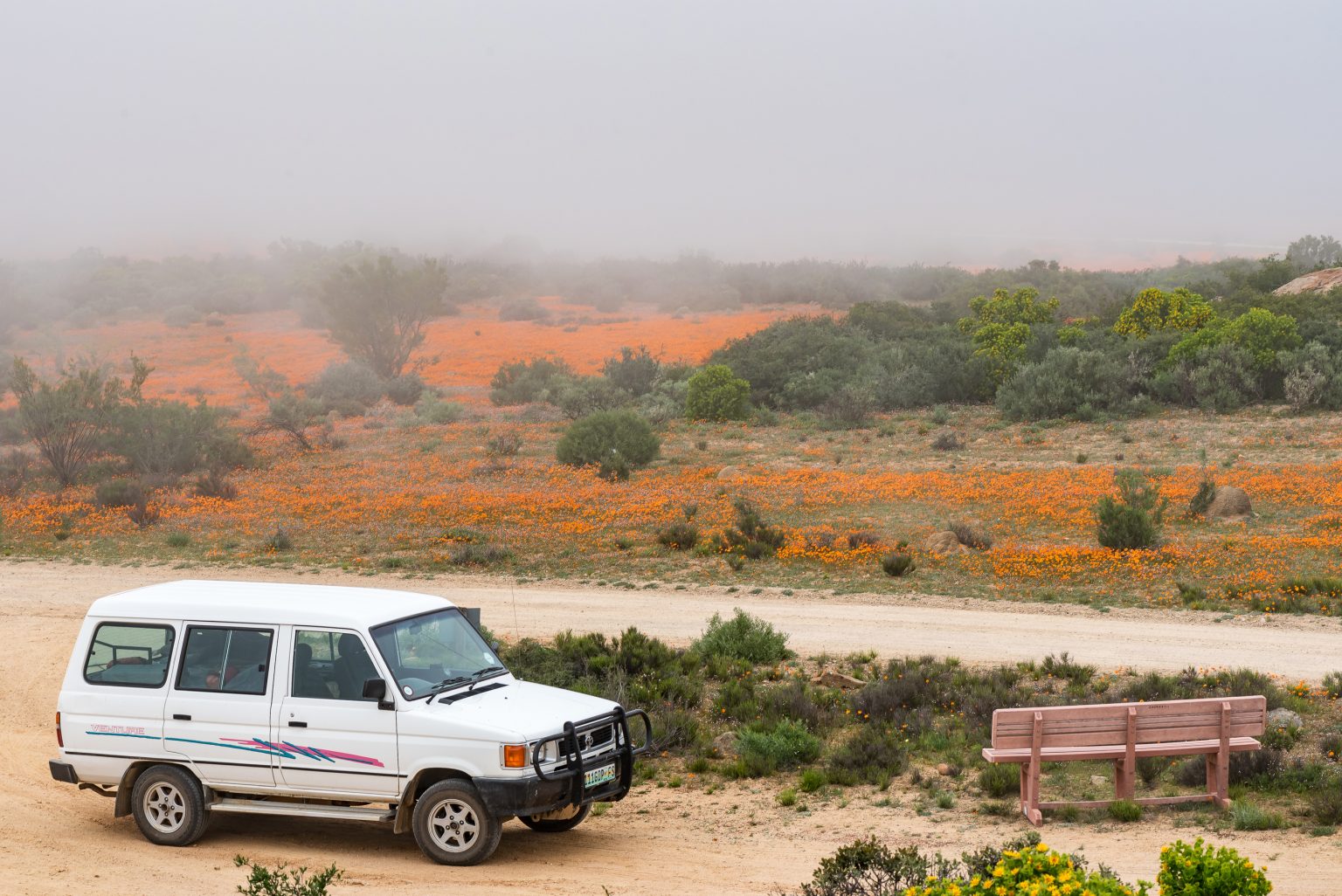
The South African desert offers a striking variety of landscapes for off-road travelers, from the red dunes of the Kalahari to the dry plains and rocky mountain tracks of the Karoo. A 4×4 desert adventure in South Africa can combine remote driving routes, wildlife viewing, camping and nights beneath dark skies, provided you choose routes suited to your vehicle and experience.
- Why South Africa Is Ideal for 4×4 Desert Adventures
- Kgalagadi Transfrontier Park 4×4 Trails
- Tankwa Karoo National Park 4×4 Tracks
- Witsand Nature Reserve 4×4 Adventures
- Namakwa 4×4 Eco Trail
- Karoo National Park 4×4 Trails
- Essential Preparation for Desert 4×4 Driving
- Best Time for 4×4 Desert Travel in South Africa
- Responsible and Safe Desert Driving
- A Five-Day 4×4 Desert Itinerary in the Northern Cape
- Day 1: Arrive in Upington
- Day 2: Explore Kgalagadi
- Day 3: Return Toward the Northern Cape Interior
- Day 4: Explore the Namakwa Region
- Day 5: Finish the Route and Depart
- Why South Africa’s 4×4 Desert Journeys Stay With You
This South Africa 4×4 travel guide explores five destinations for off-road enthusiasts, explains how to prepare for remote conditions and outlines practical safety measures. Some routes are suitable for confident self-drivers, while others require low-range four-wheel drive, advance bookings or travel with a guide.
Why South Africa Is Ideal for 4×4 Desert Adventures
South Africa’s arid regions offer more than sand dunes. Travelers can cross gravel plains, rocky passes, dry riverbeds and semi-desert landscapes, with each area presenting different driving conditions.
What makes these destinations appealing for 4×4 travel?
- Varied terrain: Explore sandy tracks, rocky routes, gravel roads and remote mountain landscapes.
- Wildlife viewing: Selected routes pass through habitats where antelope, predators and desert-adapted species live.
- Remote camping: Designated campsites and wilderness accommodation provide access to some of the country’s quieter landscapes.
- Dark skies: Away from towns, clear nights can offer excellent conditions for stargazing.
- Conservation-focused travel: Authorized routes help visitors explore sensitive environments while reducing damage caused by unauthorized driving.
Not every desert road requires a 4×4, and not every protected area permits unrestricted off-road driving. Check the route classification, access rules and current conditions before departure. In many places, staying on designated tracks is essential for protecting fragile vegetation and preventing erosion.
Kgalagadi Transfrontier Park 4×4 Trails
The Kgalagadi Transfrontier Park, which spans South Africa and Botswana, protects a vast landscape of red dunes, dry riverbeds and open Kalahari woodland. The park is known for its wildlife, including gemsbok, springbok, lions and cheetahs.
Several routes are available, but their requirements differ. The remote Bitterpan and Gharagab wilderness camps, for example, are accessible only to qualifying 4×4 vehicles with high ground clearance and low-range capability. Access is restricted to visitors with the relevant accommodation bookings.
Routes and Experiences
- Bitterpan 4×4 route: A one-way route through the dunes to a remote wilderness camp, requiring advance accommodation arrangements.
- Gharagab: A remote camp reached by a designated 4×4 route. Visitors must follow the park’s access requirements.
- Nossob 4×4 Eco Trail: A guided, multi-day trail through duneveld between Twee Rivieren and Nossob, with advance booking and vehicle requirements.
- Wildlife viewing: Game drives along authorized park roads offer opportunities to observe animals in their natural habitat. Sightings are never guaranteed.
Essential Driving Advice
Kgalagadi is a remote environment where a breakdown can create serious difficulties. Before setting out:
- Confirm whether your route requires high clearance, low-range gearing or a particular vehicle specification.
- Carry sufficient drinking water, food and fuel for the route, including an emergency reserve.
- Bring a suitable spare tyre, tyre-pressure gauge, compressor and recovery equipment.
- Follow park instructions for tyre pressure and speed on sandy sections. Do not rely on a universal pressure setting.
- Check the distances between fuel stops and whether your booked camp provides potable water.
- If the vehicle breaks down, follow park emergency procedures. SANParks advises visitors to remain with their vehicle.
Best for: Experienced self-drivers and wildlife enthusiasts prepared for remote travel and strict park regulations.
Tankwa Karoo National Park 4×4 Tracks
The Tankwa Karoo is a dry, sparsely populated region known for broad gravel plains, rugged mountain scenery and unusually dark night skies. Its landscape is different from the sandy Kalahari: rocky terrain, low vegetation and open plains dominate much of the area.
Tankwa Karoo National Park has designated off-road routes for visitors seeking a more challenging drive. Two important options are the Leeuberg 4×4 Eco-Trail and the Watervlei 4×4 Route.
What to Expect
- Leeuberg 4×4 Eco-Trail: A route intended for drivers with suitable off-road experience and preparation.
- Watervlei 4×4 Route: Another designated option for exploring the park’s rugged terrain.
- Scenic photography: The open landscape and changing light create opportunities for landscape photography.
- Stargazing: Clear, moonless nights can provide excellent views of the stars.
- Remote accommodation: Plan overnight stays using authorized park accommodation and campsites rather than assuming that wild camping is permitted.
Tankwa can experience extreme summer heat, cold winter nights and sudden changes in weather. Gravel and 4×4 tracks may become difficult or impassable after rain.
Before driving, confirm route access, vehicle requirements, accommodation and the time needed to finish the trail safely before dark.
Best for: Self-sufficient travelers who enjoy rugged terrain, photography and remote landscapes.
Witsand Nature Reserve 4×4 Adventures
Witsand Nature Reserve, in the Northern Cape, is known for its pale sand dunes set against the reddish landscapes of the Kalahari region. The dunes are sometimes called the roaring sands because certain conditions can cause moving sand to produce a low rumbling sound.
The reserve offers an opportunity to experience a distinctive dune environment without planning an expedition across the much larger Kalahari.
Activities and Highlights
- Dune exploration: Enjoy the contrast between the white sands and surrounding vegetation.
- Sandboarding: Check local rules and available facilities before arranging an activity.
- Nature observation: Look for birds and other wildlife found in the reserve.
- Camping: Use designated accommodation or camping facilities where available.
- Off-road driving: Confirm which routes are open to 4×4 vehicles and whether permits or reservations are required.
Not all tracks are suitable for every vehicle, and access rules may differ between the reserve and surrounding areas. Avoid driving on dunes unless a route is specifically authorized.
Witsand can be a useful addition to a Northern Cape road trip, but it should not be treated as a direct stop between every other destination in this guide. Distances and driving times need to be planned carefully.
Best for: Travelers seeking a distinctive dune landscape, a shorter nature-focused stay and selected outdoor activities.
Namakwa 4×4 Eco Trail
The Namakwa 4×4 Eco Trail crosses remote parts of the Northern Cape, linking inland desert landscapes with the Orange River region and the Atlantic coast. It passes through areas of the Succulent Karoo, a biodiversity-rich region known for its unusual arid-adapted plants.
The route is organized into sections, including the Namakwa and Richtersveld packages. Depending on the chosen section, travelers may encounter gravel roads, sandy stretches, rocky terrain, mountain passes and river landscapes.
Route Highlights
- Pella and the inland route: Explore the arid landscapes and settlements of the Northern Cape.
- Orange River region: Some sections provide opportunities to camp near the river and enjoy a change from the dry interior.
- Richtersveld surroundings: Experience rugged terrain and distinctive desert vegetation along the relevant route section.
- Namaqualand landscapes: Look for seasonal wildflowers when conditions are favorable.
- Remote camping: Stay at designated campsites and plan supplies around the facilities available on your specific itinerary.
The route is often marketed as a multi-day journey, but its duration depends on the package, stops and driving conditions. Confirm the current route description, booking requirements and access arrangements with the trail operator before traveling.
This is an ecologically sensitive landscape. Follow the supplied route instructions, close gates where required and never create shortcuts around difficult sections. Tyre pressures should be adjusted for the specific vehicle, tyre and terrain, rather than following one fixed figure.
Best for: Travelers seeking a longer, conservation-conscious off-road journey through the Northern Cape.
Karoo National Park 4×4 Trails
Near Beaufort West, Karoo National Park protects a landscape of dry plains, rocky ridges and distinctive Karoo vegetation. It offers a more structured introduction to off-road driving than some remote wilderness routes, with designated trails and park facilities.
The park has several 4×4 options, including the Nuweveld and Afsaal trails, along with shorter routes. Some sections require careful driving and adequate time, even when the distance appears manageable.
What You Can Experience
- Nuweveld 4×4 Trail: A longer route through remote park terrain with views toward the Nuweveld mountains.
- Afsaal Trail: A shorter option that allows visitors to explore part of the park’s off-road landscape.
- Wildlife observation: Depending on the area and conditions, visitors may see gemsbok, mountain zebra, kudu and other species.
- Geological scenery: Explore rocky formations and broad landscapes shaped by geological processes.
- Overnight stays: Use authorized park accommodation and follow the rules for the selected route.
Although some trails are suitable for visitors with moderate off-road experience, others are more challenging. Confirm the route’s requirements, permits and opening status with the park before departure.
Do not assume that every trail allows overnight camping along the route. Where an overnight stop is offered, make the required reservation and arrive within the recommended time.
Best for: Travelers who want to explore the Karoo’s scenery through designated 4×4 routes while retaining access to established park facilities.
Essential Preparation for Desert 4×4 Driving
A reliable vehicle and careful planning are more important than speed or driving experience alone. The right equipment depends on the route, the weather and how far you will be from assistance.
Vehicle and Recovery Equipment
Prepare your vehicle before leaving a town or service center.
- Suitable 4×4 vehicle: Choose a vehicle that meets the route’s clearance, drivetrain and load requirements.
- Spare tyre and repair kit: Carry equipment appropriate for your tyres and know how to use it.
- Air compressor and tyre-pressure gauge: Useful when pressure adjustments are appropriate for the terrain.
- Recovery equipment: Carry suitable recovery boards, a rated recovery strap and compatible attachment points.
- Basic tools and emergency supplies: Include a first-aid kit, headlamp, warning equipment and any vehicle-specific tools.
- Fuel planning: Calculate the route’s fuel needs and include a reserve for detours, slow driving and unexpected delays.
A vehicle such as a Toyota Land Cruiser, Hilux or Land Rover Defender may be suitable for many routes, but the model alone does not guarantee access. Vehicle condition, equipment, loading and the trail’s rules all matter.
Navigation and Communication
Mobile coverage can be unreliable in remote parts of the Northern Cape and Kalahari.
- Download offline maps and save route information before departure.
- Carry a paper map or another independent navigation backup.
- Tell someone your planned route and expected return time.
- Consider a satellite communicator or satellite phone where mobile coverage is limited.
- Follow any park or trail operator requirements for radios, guides and check-ins.
Water, Food and Camping Supplies
Carry more than the minimum needed for the expected journey.
- Bring sufficient drinking water for every person, with extra for delays or a breakdown.
- Pack food for the full itinerary and additional supplies for emergencies.
- Carry warm bedding and suitable clothing for cold nights.
- Use a headlamp or flashlight because outdoor lighting may be limited.
- Confirm whether your accommodation provides potable water, firewood, cooking facilities or other essentials.
- Take all rubbish with you and use established camping areas.
The water requirements for a short day drive differ from those for a multi-day wilderness trail. Use the route operator’s guidance and plan a reserve rather than relying on one fixed quantity for every trip.
Best Time for 4×4 Desert Travel in South Africa
South Africa’s arid regions experience different seasonal patterns. Winter can offer comfortable daytime driving in many areas, but nights may be very cold. Summer can bring high temperatures and thunderstorms, which may affect road conditions.
May to September
Winter is often a practical period for exploring the Kalahari, Tankwa Karoo and other dry regions.
- Daytime temperatures are often more comfortable for outdoor activities.
- Nights can be cold, especially in exposed camps.
- Some gravel and off-road routes may be affected by rain or other local conditions.
- Warm clothing and appropriate sleeping equipment are essential.
October to November
Spring can offer pleasant conditions for driving and photography, although temperatures rise as summer approaches. In parts of Namaqualand, wildflowers may appear when rainfall and seasonal conditions are favorable.
December to April
Summer can bring intense heat, particularly in the Northern Cape and Kalahari. Afternoon thunderstorms may affect some areas, and watercourses can become dangerous after heavy rain.
If traveling in summer:
- Start outdoor activities early where appropriate.
- Check weather alerts and route conditions before departure.
- Avoid crossing flooded roads or flowing water.
- Carry adequate water and protect people, food and equipment from heat.
There is no single best month for every route. Check current forecasts, park notices and trail conditions before making a final plan.
Responsible and Safe Desert Driving
Desert landscapes may look open and resilient, but their vegetation and soils can be easily damaged. Tracks can take a long time to recover, particularly in dry environments.
Follow these principles throughout your journey:
- Stay on authorized routes: Do not create new tracks or drive across protected vegetation.
- Travel with the required support: Some routes require a guide or a minimum number of vehicles. Follow those conditions.
- Register your itinerary: Tell park staff or the trail operator where you are going and when you expect to return.
- Respect wildlife: Keep a safe distance and never block an animal’s path for a photograph.
- Use fire responsibly: Follow local restrictions and avoid open fires in unsafe conditions.
- Manage waste: Carry rubbish out and leave campsites clean.
- Prepare for emergencies: Know how to contact assistance and what to do if your vehicle becomes immobilized.
- Respect local communities: Follow access rules, close gates where instructed and ask permission before entering private land.
In the desert, responsible driving is part of the experience. The goal is to explore without damaging the landscape that makes the journey worthwhile.
A Five-Day 4×4 Desert Itinerary in the Northern Cape
The following is a more practical example of a five-day trip focused on the Northern Cape. It combines a Kalahari experience with the Namakwa region, but it still involves significant driving and should be adjusted to confirmed accommodation and route access.
Day 1: Arrive in Upington
Use Upington to prepare for the journey. Check your vehicle, purchase supplies and confirm park reservations, fuel availability and the condition of your planned route.
If time allows, travel toward Kgalagadi and stay at an authorized camp, allowing sufficient time to reach it before the gate closes.
Day 2: Explore Kgalagadi
Spend the day on authorized park roads and wildlife-viewing routes. If you have booked a restricted 4×4 trail or wilderness camp, follow its specific itinerary and vehicle requirements.
Do not attempt to reach Bitterpan or Gharagab without the appropriate booking and qualifying vehicle.
Day 3: Return Toward the Northern Cape Interior
Leave the park according to its gate rules and travel toward your next confirmed overnight stop. This is primarily a transfer day, and the distance will depend on your departure point and chosen accommodation.
Avoid adding a second remote destination if doing so would require driving long distances after dark.
Day 4: Explore the Namakwa Region
Use a locally confirmed section of the Namakwa 4×4 Eco Trail, following the route instructions and camping arrangements provided by the operator.
Allow time for the terrain, photo stops and any sections that require careful driving. Do not assume that the complete eco-trail can be covered in one day.
Day 5: Finish the Route and Depart
Complete the booked section of the route and continue toward your planned exit point. Allow a generous time buffer for gravel roads, stops and unexpected delays.
Planning note: Tankwa Karoo National Park, Witsand Nature Reserve and Karoo National Park are separate destinations. Combining them with Kgalagadi and Namakwa in a single five-day itinerary is generally too ambitious for a relaxed off-road trip. They are better explored on separate journeys or a longer, carefully mapped expedition.
Why South Africa’s 4×4 Desert Journeys Stay With You
A 4×4 journey through South Africa’s arid regions brings together challenging terrain, distinctive wildlife and landscapes that change dramatically from one destination to the next. The red dunes of Kgalagadi, the rugged tracks of Tankwa Karoo, the pale sands of Witsand, the Namakwa region’s sensitive ecosystems and the broad plains of the Karoo each offer a different kind of adventure.
The best trips are not defined by how far you drive in a day. They are shaped by careful preparation, respect for access rules and enough time to appreciate the landscape without rushing.
Choose routes that match your experience, carry the equipment and supplies they require, and follow local guidance throughout the journey. With thoughtful planning, South Africa 4×4 desert adventures can reveal some of the country’s most memorable remote landscapes while helping preserve them for future travelers.