
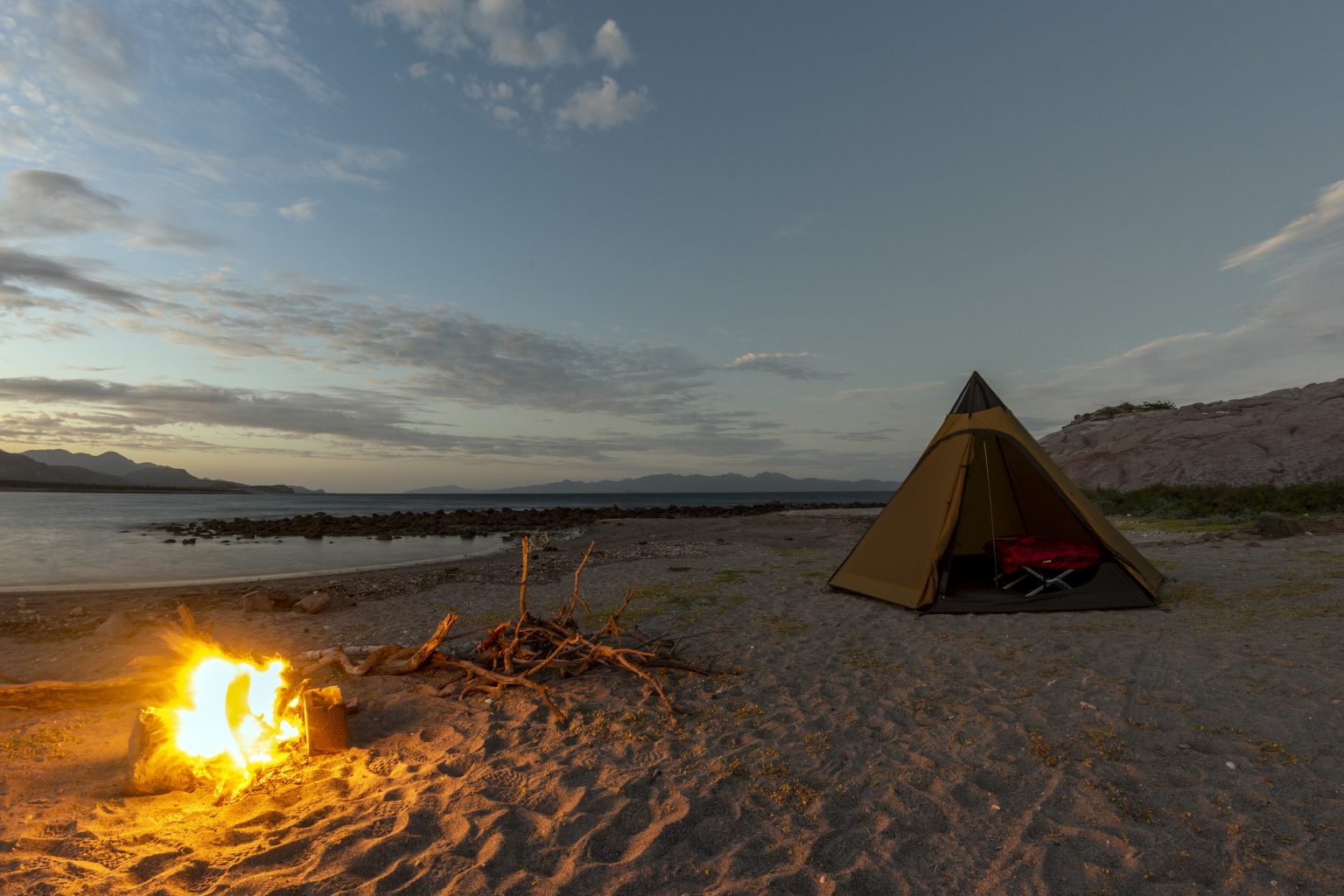
Camping in Mexico’s desert landscapes offers a chance to experience wide-open spaces, rugged terrain and star-filled skies far from major cities. In the northwestern states of Sonora and Baja California, the desert ranges from volcanic fields and enormous sand dunes to rocky plains and remote coastal environments.
- The Natural Appeal of the Sonoran Desert
- Where to Camp in Mexico’s Desert Regions
- 1. El Pinacate and Gran Desierto de Altar Biosphere Reserve, Sonora
- 2. San Nicolás Dunes and the Puerto Peñasco Area, Sonora
- 3. Valle de los Cirios, Baja California
- 4. Sierra de la Laguna, Baja California Sur
- What Camping in the Mexican Desert Feels Like
- What to Bring for Desert Camping in Mexico
- Best Time to Camp in the Sonoran Desert
- Desert Hospitality and Local Culture
- Responsible Camping in Mexico’s Desert Regions
- A Two-Day Camping Plan for El Pinacate
- Discover Mexico’s Desert Landscapes Responsibly
This Sonoran Desert camping guide covers notable places to explore, practical camping advice, seasonal conditions and ways to travel responsibly. Whether you prefer an authorized campsite near volcanic terrain or a coastal stay surrounded by dunes, planning around local access rules and weather will help you make the most of your trip.
The Natural Appeal of the Sonoran Desert
The Sonoran Desert extends across parts of northwestern Mexico and the southwestern United States. In Mexico, it includes landscapes in Sonora and the Baja California Peninsula. Its environments range from cactus-covered plains and rocky mountains to extensive dunes and coastal wetlands.
The region stands out for its biodiversity and geological variety. The iconic saguaro cactus is strongly associated with the Sonoran Desert, particularly in Arizona and adjacent areas of Mexico, while other cactus species and desert plants dominate different parts of the region.
Desert camping here can offer:
- Distinctive landscapes: Explore volcanic craters, dark lava flows, pale dunes and rugged mountain scenery.
- Night-sky viewing: Remote locations can provide excellent stargazing when skies are clear and moonlight is limited.
- Wildlife observation: Look for desert birds, reptiles and mammals without approaching or disturbing them.
- Outdoor activities: Depending on the location, enjoy hiking, photography, scenic drives and sandboarding.
- Regional culture: Discover local food, crafts and community-based tourism through responsible local operators.
Conditions vary substantially across the region. A campsite near the Gulf of California may have a different climate and set of facilities from a remote inland site. Choose your destination based on the experience you want and the conditions you are prepared to handle.
Where to Camp in Mexico’s Desert Regions
1. El Pinacate and Gran Desierto de Altar Biosphere Reserve, Sonora
The El Pinacate y Gran Desierto de Altar Biosphere Reserve is a UNESCO World Heritage Site known for its volcanic craters, extensive lava fields and immense dunes. Located in northwestern Sonora, it protects one of Mexico’s most distinctive desert landscapes.
The reserve offers designated camping areas, but visitors must register and pay the applicable entrance fees before camping. Overnight stays are not permitted just anywhere in the reserve.
Highlights include:
- El Tecolote campground: A remote, basic camping area known for its dark skies and opportunities for stargazing.
- Dunas campground: A designated site near the reserve’s dune area, subject to seasonal access rules.
- Volcanic landscapes: Explore authorized routes and viewpoints through the reserve.
- Interpretive trails: Learn about the area’s geological features and desert ecology.
- Wildlife observation: The reserve supports species including desert bighorn sheep and the Sonoran pronghorn, although sightings are never guaranteed.
The campgrounds have limited or no conventional facilities, so arrive prepared with drinking water, food, lighting and everything needed for your stay. Check current opening arrangements and camping requirements with the reserve before departing.
Important rules apply: visitors must remain on authorized roads and trails, and descending into volcanic craters is prohibited. Do not remove rocks, sand, plants or other natural materials.
Best for: Experienced campers, geology enthusiasts and travelers looking for an authorized overnight stay in a dramatic volcanic desert.
2. San Nicolás Dunes and the Puerto Peñasco Area, Sonora
The Puerto Peñasco area, on the Gulf of California, combines desert terrain with coastal scenery. Nearby dunes offer opportunities for photography and, at suitable locations, guided sandboarding or off-road excursions.
However, the name San Nicolás Dunes should not be treated as a guarantee of a designated campground or unrestricted public access. Before planning an overnight stay, verify the precise location, land access and current camping rules with a local tourism operator or land manager.
What to look for in the area:
- Coastal scenery: Experience the contrast between sandy terrain and the Gulf of California.
- Guided dune activities: Arrange sandboarding or off-road experiences only with operators authorized to use the relevant area.
- Sunset photography: Changing light can highlight the textures and contours of the dunes.
- Nearby accommodation: Consider an established campsite or lodging option if overnight camping on the dunes is not permitted.
- Local food: Explore Puerto Peñasco for seafood and regional Mexican dishes.
The coast can bring wind, changing tides and conditions that differ from those farther inland. Avoid driving on beaches or dunes without confirmed permission, and never camp in a location exposed to rising water.
Best for: Travelers who want to combine desert scenery with coastal activities and the services available around Puerto Peñasco.
3. Valle de los Cirios, Baja California
The Valle de los Cirios Flora and Fauna Protection Area covers a vast, sparsely populated region of central Baja California. It is named for the cirio, or boojum tree, a distinctive plant with a tall, unusual form adapted to the arid environment.
The landscape includes rocky hills, desert vegetation, wide-open plains and remote roads. It is an appealing destination for travelers who prefer quieter scenery and are prepared for limited services.
Highlights include:
- Cirio trees: Observe these distinctive plants without touching or damaging them.
- Desert landscapes: Photograph cactus-covered plains and unusual rock formations.
- Scenic road trips: Explore public roads and authorized tracks while checking conditions before departure.
- Wildlife observation: Watch for desert birds and other native species from a respectful distance.
- Remote stays: Arrange accommodation or camping through verified local options rather than assuming that any roadside location is suitable.
Services can be widely spaced, and mobile coverage may be unreliable. Plan fuel stops, carry adequate water and food, and confirm that your intended camping location is permitted within the protected area.
Best for: Self-sufficient travelers interested in desert plants, remote landscapes and quiet road trips.
4. Sierra de la Laguna, Baja California Sur
The Sierra de la Laguna offers a striking contrast to the dry lowlands of southern Baja California Sur. This mountain range supports different vegetation zones, including oak and pine woodland at higher elevations, as well as habitats influenced by seasonal rainfall.
Although it is not simply another sandy desert destination, the surrounding arid landscapes make it an interesting addition to a wider Baja California Sur trip.
What to experience:
- Mountain hiking: Explore authorized trails with suitable equipment and preparation.
- Changing vegetation: Observe how plant communities shift with elevation and local moisture.
- Scenic viewpoints: Enjoy views across the mountains and surrounding dry landscapes.
- Guided excursions: Consider a local guide for unfamiliar routes or more demanding hikes.
- Authorized overnight stays: Check current camping permissions and available facilities before setting out.
Conditions in the mountains can differ sharply from those on the coast. Trails may be affected by seasonal rain, and some routes require advance arrangements or permission. Do not assume that freshwater springs are reliable drinking-water sources without appropriate treatment.
Best for: Hikers and campers who want a mountain environment alongside the arid landscapes of Baja California Sur.
What Camping in the Mexican Desert Feels Like
A desert campsite can offer long views, quiet evenings and a clear sense of the surrounding landscape. The experience depends on the site: a coastal campground may include sea breezes and nearby services, while an inland location can mean greater isolation and more demanding preparation.
During a typical camping trip, you may enjoy:
- Watching the sunset as the dunes or volcanic terrain change color.
- Preparing dinner at a permitted cooking area or using a portable stove.
- Observing stars when skies are clear and artificial lighting is limited.
- Photographing desert plants and geological features.
- Taking an early-morning walk on an authorized trail.
Wildlife encounters are possible but should never be expected on demand. Keep a safe distance from animals, avoid feeding them and store food securely.
The desert can also become uncomfortable or dangerous when temperatures rise, wind strengthens or water supplies run low. A peaceful campsite is most enjoyable when you have planned for these conditions rather than relying on improvisation.
What to Bring for Desert Camping in Mexico
Desert conditions can change considerably between day and night. Your equipment should match the season, elevation, exposure to wind and level of access to services.
Essential Equipment
- A suitable tent: Choose one that can withstand expected wind and weather conditions.
- Sleeping bag and sleeping mat: Select equipment suitable for the lowest overnight temperatures forecast.
- Drinking water: Carry enough for drinking, cooking and delays, with a reserve for emergencies.
- Portable stove and cooking equipment: Use only where permitted and follow local fire restrictions.
- Warm layers: Even in warm seasons, nights can become cool, particularly inland or at higher elevations.
- Sun protection: Pack a hat, sunglasses, sunscreen and lightweight clothing that covers exposed skin.
- Headlamp or flashlight: Bring spare batteries or a reliable charging method.
- Offline navigation: Download maps and save route details before leaving areas with dependable mobile service.
- First-aid kit and personal medication: Include supplies appropriate for the duration and remoteness of the trip.
- Waste bags: Pack out rubbish and any other waste that cannot be disposed of properly at the campsite.
Useful Extras
- A camera and tripod for landscape or night-sky photography.
- Binoculars for observing wildlife from a distance.
- A power bank and charging cables.
- A paper map as a backup to digital navigation.
- A dust-resistant bag for electronics.
- A repair kit suitable for your vehicle or camping equipment.
The amount of water you need depends on temperature, physical activity, trip duration and access to resupply. Do not rely on a single fixed daily quantity for every destination. In hot conditions, carry extra water and avoid strenuous activity during the hottest part of the day.
For remote areas, consider traveling with an experienced group or local guide, especially if you are unfamiliar with desert navigation.
Best Time to Camp in the Sonoran Desert
The best season depends on the specific destination. Inland Sonora can become extremely hot during summer, while coastal locations and mountain environments have different conditions. Seasonal rain can also affect roads and trails.
November to February
The cooler months are often a practical choice for camping in many low-elevation desert areas.
- Daytime conditions may be more comfortable for hiking and sightseeing.
- Nights can become cold, especially in exposed inland locations.
- Clear weather can provide good opportunities for stargazing, although cloud cover and moonlight still matter.
- Some designated trails or camping areas may have seasonal access arrangements.
March to May
Spring can be suitable for desert travel, but temperatures generally rise as the season progresses.
- Plan strenuous activities for early morning.
- Carry adequate water and sun protection.
- Check for wind and dust before visiting exposed dune areas.
- Confirm seasonal opening arrangements for protected sites.
June to September
Summer brings intense heat to much of the Sonoran Desert. The reserve at El Pinacate can experience very high temperatures, and some activities or routes may be restricted seasonally. Summer also brings a risk of thunderstorms and heavy rain in parts of the region.
If traveling during this period:
- Avoid strenuous outdoor activity during peak heat.
- Check weather warnings and road conditions before departure.
- Never enter a dry wash or low-lying area when heavy rain may cause flash flooding.
- Carry extra drinking water and a reliable way to seek help.
- Confirm that the intended campsite and route are open.
For many visitors, late autumn through early spring is a useful starting point for planning a low-elevation desert camping trip. Always check the forecast and site-specific notices close to departure.
Desert Hospitality and Local Culture
The desert regions of northwestern Mexico are home to communities with distinct histories, livelihoods and traditions. Ranching, fishing, agriculture and other local activities vary by location, so there is no single culture that represents everyone who lives in the desert.
Travelers may discover regional food, local crafts and stories about life in arid environments through community-based tourism and conversations with local hosts.
Consider these respectful practices:
- Support local businesses: Use locally operated services when possible.
- Ask before taking photographs: Respect people’s privacy and preferences.
- Learn about regional food: Try local dishes and ask about their ingredients and origins.
- Respect land access: Some areas are privately owned or managed by local communities.
- Follow local guidance: Ask about appropriate behavior, conservation rules and restricted locations.
Hospitality differs from one person and community to another. Approach encounters with curiosity and respect, without assuming that every resident offers a visitor experience or wishes to share private traditions.
Responsible Camping in Mexico’s Desert Regions
Desert environments recover slowly from damage. Vehicle tracks, litter, disturbed vegetation and poorly managed fires can affect sensitive habitats long after a visit.
Follow these principles:
- Camp only in authorized places: Protected areas may designate specific campsites and require registration or payment.
- Stay on marked routes: Do not create new tracks across vegetation, dunes or fragile ground.
- Protect wildlife: Never feed animals or approach them for photographs.
- Manage fires carefully: Use designated cooking facilities or permitted portable stoves. Do not collect firewood from protected areas.
- Carry out all waste: Do not bury rubbish or leave food scraps behind.
- Respect water sources: Avoid contaminating springs, streams or coastal waters.
- Reduce unnecessary noise and lighting: Help preserve the experience for wildlife and other visitors.
- Follow seasonal closures: Some trails or camping areas may close because of heat, weather or conservation requirements.
In El Pinacate, for example, camping is restricted to designated areas, visitors must register in advance and crater descents are prohibited. Check the latest regulations directly with the reserve before making plans.
A Two-Day Camping Plan for El Pinacate
El Pinacate provides a practical option for a short desert camping trip, provided you follow its registration, payment and access rules.
Day 1: Visitor Center and Designated Campground
Arrive at the Schuk Toak Visitor Center during its current operating hours. Complete the required registration, pay the applicable fees and confirm which roads and camping areas are open.
After checking in, travel to an authorized campground such as El Tecolote or the designated Dunas area if it is open for the season. Set up camp, prepare dinner using permitted equipment and enjoy the night sky if conditions are clear.
Bring everything needed for the evening because facilities at the campgrounds are limited or absent.
Day 2: Explore Authorized Routes and Viewpoints
Wake early to avoid the strongest heat. Explore the open scenic route and authorized trails, following signs and staff instructions. Take time to observe the volcanic landscape and learn about the reserve’s geology.
Do not descend into craters or leave designated routes. Carry sufficient water and food because services are limited along the route.
Return through the authorized exit route and allow time for the drive back to Puerto Peñasco or your next destination.
Before you go: Confirm campground availability, seasonal access, registration procedures, current fees and road conditions directly with the reserve. Its rules and operating arrangements should take priority over any general itinerary.
Discover Mexico’s Desert Landscapes Responsibly
From the volcanic formations of El Pinacate to the cirio-covered plains of Baja California and the mountain environments of Sierra de la Laguna, northwestern Mexico offers several ways to experience arid landscapes outdoors.
The best camping trip is one that matches your equipment, experience and chosen destination. Plan for heat and cold, confirm where overnight stays are permitted and leave enough time for long distances or changing road conditions.
With thoughtful preparation and respect for local communities and protected areas, camping in Mexico’s desert regions can offer a memorable combination of outdoor adventure, geological discovery and quiet nights beneath the stars.