
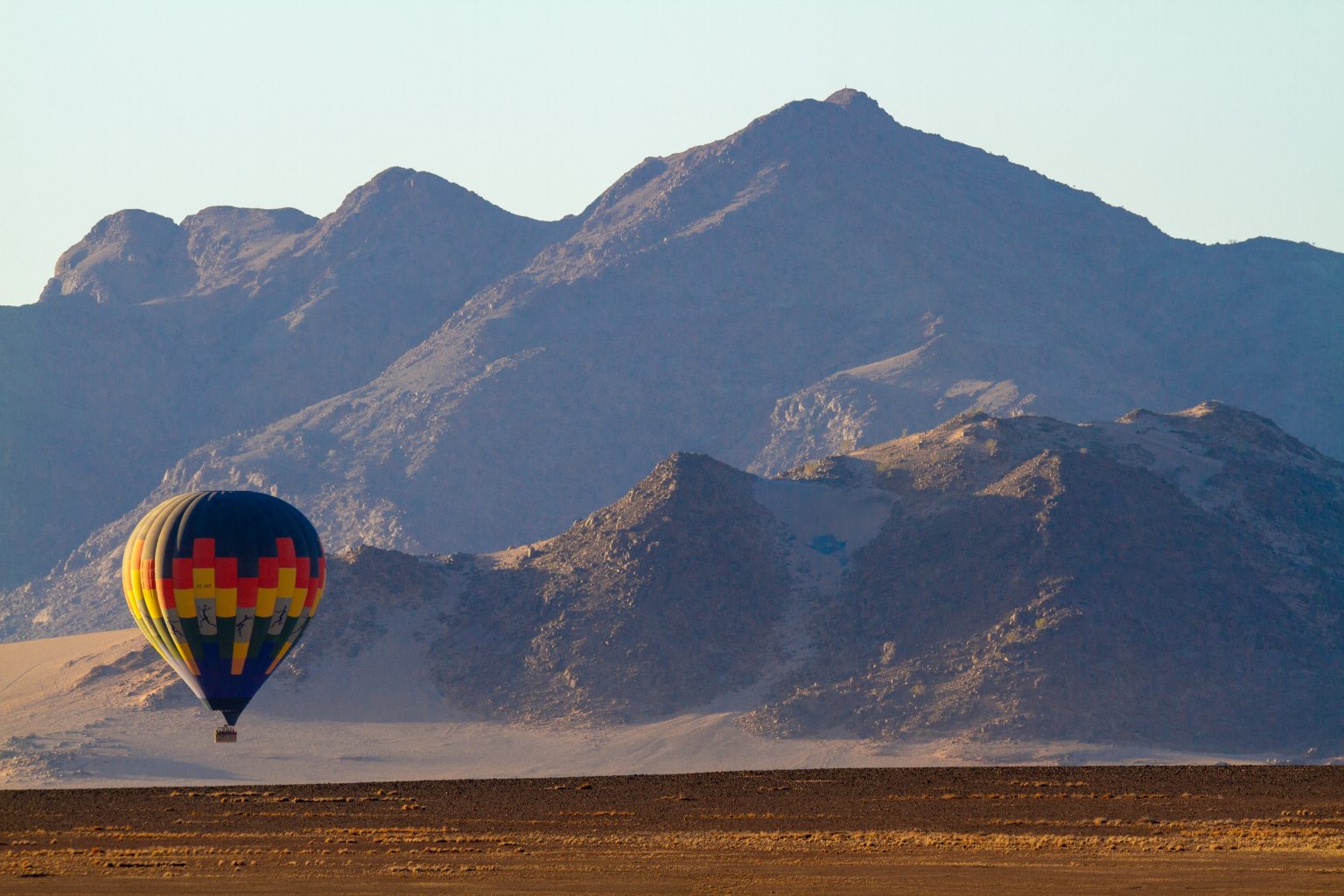
The Namib Desert is one of Namibia’s most distinctive natural environments, shaped by ancient dunes, gravel plains, rocky mountains and a coastline influenced by Atlantic fog. Its beauty comes with a responsibility: desert ecosystems recover slowly from disturbance, and careless driving, waste and excessive water use can damage habitats that are difficult to restore.
- Why Namibia Is an Important Ecotourism Destination
- What Ecotourism Means in the Namib Desert
- Protecting Fragile Landscapes
- Supporting Local Communities
- Respecting Cultural Heritage
- Reducing Your Environmental Footprint
- Learning About Desert Ecology
- Eco-Friendly Desert Destinations in Namibia
- NamibRand Nature Reserve
- Sesriem and the Sossusvlei Area
- Damaraland and Community Conservancies
- Skeleton Coast National Park
- Eco-Friendly Activities in the Namib Desert
- Guided Nature Walks
- Responsible Wildlife Viewing
- Low-Impact Scenic Drives
- Stargazing
- Cultural and Community Visits
- Environmental Education
- How Travelers Can Help Protect the Namib Desert
- Eco-Lodges and Accommodation Options in Namibia
- Ecotourism and Local Communities
- Best Time to Visit Namibia for Ecotourism
- A Four-Day Eco-Friendly Desert Itinerary
- Day 1: Travel to NamibRand Nature Reserve
- Day 2: Explore NamibRand Responsibly
- Day 3: Travel to the Sesriem and Sossusvlei Area
- Day 4: Visit Sossusvlei and Deadvlei
- Why Ecotourism Matters in the Namib Desert
Ecotourism in Namibia offers a way to explore these landscapes while supporting conservation and local livelihoods. Community conservancies, protected areas, environmental education programs and tourism businesses all contribute to this effort, although their approaches and results vary by location.
From the vast landscapes of NamibRand Nature Reserve to the dunes around Sossusvlei and the remote Skeleton Coast, travelers can choose experiences that place greater emphasis on wildlife, local knowledge and environmental care. This guide explains where to go, how to choose responsible accommodation and how to plan an eco-friendly desert trip in Namibia without treating sustainability as just another travel label.
Why Namibia Is an Important Ecotourism Destination
Namibia has a long-standing commitment to environmental protection. Its Constitution includes provisions concerning the protection of ecosystems and the sustainable use of natural resources. The country has also developed community conservancies that give participating communities a formal role in managing wildlife and benefiting from tourism.
However, conservation in Namibia is not based on a single system. National parks, private reserves, communal conservancies and community tourism projects operate under different arrangements.
Important elements of Namibia’s ecotourism model include:
- Protected landscapes: National parks and other conservation areas help safeguard wildlife habitats and desert ecosystems.
- Community conservancies: Participating communities can manage natural resources and develop tourism opportunities under established agreements.
- Local employment: Tourism can provide work for guides, drivers, lodge staff, craftspeople and conservation personnel.
- Environmental education: Programs introduce visitors and residents to water conservation, renewable energy and the ecology of arid environments.
- Responsible wildlife tourism: Guided activities can help visitors observe wildlife while reducing disturbance.
The percentage of land described as protected depends on whether a source counts only formally designated protected areas or also includes communal conservancies and other conservation arrangements. These categories should not be treated as interchangeable.
Namibia demonstrates how tourism can contribute to conservation, but outcomes depend on effective management, fair distribution of benefits and the needs of local communities.
What Ecotourism Means in the Namib Desert
Protecting Fragile Landscapes
The Namib contains several environments, including sand dunes, gravel plains, dry riverbeds and coastal areas influenced by fog. Some plants and animals survive through highly specialized adaptations to limited water and extreme temperature changes.
Vehicle tracks outside designated routes can damage vegetation, disturb wildlife and alter the appearance of fragile surfaces. Visitors should follow local rules and avoid driving across dunes, salt pans or gravel plains without authorization.
Supporting Local Communities
Community-based tourism can create employment and provide income for local projects. The benefits depend on the ownership structure, employment practices and agreements governing each business.
Travelers can support local participation by choosing community-operated activities, hiring qualified local guides and buying crafts directly from their makers when possible.
Respecting Cultural Heritage
Namibia is home to many distinct communities, including San, Himba, Herero, Damara, Nama and Owambo peoples. Their histories, languages and traditions differ, and no single experience represents all Namibian cultures.
Cultural visits should be arranged with community consent. Ask before taking photographs, respect restrictions around ceremonies and avoid treating everyday life as a performance for visitors.
Reducing Your Environmental Footprint
Responsible travel involves practical decisions rather than simply choosing a lodge described as eco-friendly.
- Stay on permitted roads and established trails.
- Carry rubbish out of remote areas.
- Use water carefully.
- Avoid disturbing plants, animals and archaeological sites.
- Follow camp rules about lighting, noise and waste.
- Choose shared transfers or longer stays where practical to reduce unnecessary journeys.
Learning About Desert Ecology
Guided walks and environmental education programs can explain how organisms survive in dry conditions, how fog influences parts of the Namib and why water is especially valuable in arid environments.
A knowledgeable guide can also help visitors understand the difference between a landscape that appears empty and one that supports highly adapted life.
Eco-Friendly Desert Destinations in Namibia
NamibRand Nature Reserve
NamibRand Nature Reserve is a privately managed conservation area in southwestern Namibia, covering more than 215,000 hectares. Its landscape includes dunes, sandy plains, mountains and gravel plains, making it a valuable destination for learning about the diversity of the Namib.
The reserve is also recognized as an International Dark Sky Reserve. Its dark-sky designation reflects efforts to limit artificial lighting and protect the quality of the night sky.
Visitors may encounter oryx, springbok, ostriches and other wildlife, although sightings depend on conditions. Guided nature drives, walks and stargazing experiences are available through participating tourism operators.
Accommodation options include the Wolwedans Collection, whose camps and lodges operate within NamibRand. The reserve limits tourism development in parts of the area to help retain its remote character.
The NaDEET Centre, the Namib Desert Environmental Education Trust, is also located within the reserve. It focuses on environmental education, particularly sustainable living and resource conservation. Access is generally connected to its educational programs, so travelers should contact the organization directly rather than assume it operates as a standard sightseeing attraction.
NamibRand is particularly suitable for visitors interested in dark-sky tourism, guided desert exploration and conservation education.
Sesriem and the Sossusvlei Area
The Sesriem and Sossusvlei area is one of Namibia’s best-known desert destinations. Its major attractions include towering dunes, Sossusvlei, Deadvlei and Sesriem Canyon, all within the wider Namib-Naukluft landscape.
Responsible visits begin with respecting park regulations. Stay on authorized roads, use designated parking areas and avoid walking across sensitive surfaces outside permitted routes.
Accommodation options include Sossus Dune Lodge, located inside Namib-Naukluft National Park, and Desert Quiver Camp, near the park entrance. These properties offer different accommodation styles and levels of access to facilities.
When choosing a lodge or camp, consider:
- Water-management practices in the dry environment.
- Energy use and renewable-energy systems.
- Waste handling and recycling arrangements.
- Staff employment and local sourcing.
- Transport distances to the sites you plan to visit.
Do not assume every property described as eco-friendly uses the same technologies or meets the same certification standards. Ask providers about their actual practices if sustainability is a major factor in your booking.
Damaraland and Community Conservancies
Damaraland, in northwestern Namibia, combines rugged mountains, open plains and distinctive rock formations. The wider region includes communal conservancies that support wildlife management and community-based tourism.
Depending on the location, visitors may have opportunities to learn about desert-adapted elephants, black rhinos and other wildlife. These animals move across large landscapes, and sightings are never guaranteed.
Accommodation options include Doro Nawas Lodge and Camp Kipwe, which provide bases for exploring different parts of the region. Check each property’s location and excursions before booking, because Damaraland covers a broad area rather than one compact visitor site.
Responsible activities may include:
- Guided wildlife tracking with trained local guides.
- Visits to authorized cultural or heritage sites.
- Scenic drives that remain on permitted routes.
- Guided walks focused on geology, plants and the local environment.
- Learning about community conservation initiatives.
Twyfelfontein, a UNESCO World Heritage Site known for its rock engravings, is an important cultural attraction in the region. Visits should follow site rules and respect the archaeological remains.
Damaraland is a strong choice for travelers interested in community conservation, wildlife and cultural heritage, provided they plan enough time for the distances involved.
Skeleton Coast National Park
The Skeleton Coast National Park protects a remote stretch of Namibia’s Atlantic coastline, where desert terrain meets cold ocean currents and frequent coastal fog.
The environment differs from the inland Namib. Fog can provide moisture for specialized organisms, while the coastline supports wildlife and habitats shaped by the interaction of land and sea.
Access varies by sector, and some areas require permits or organized arrangements. Travelers should not assume that all parts of the park are freely accessible by ordinary rental vehicle.
Shipwreck Lodge, within the Skeleton Coast National Park, offers accommodation inspired by the region’s shipwreck history. The lodge uses solar power and promotes activities such as guided coastal excursions and wildlife viewing. Its remote location means visitors should confirm transfer arrangements, inclusions and current access requirements in advance.
For a responsible visit:
- Follow the lodge or guide’s instructions in restricted areas.
- Do not disturb seals, birds or other wildlife.
- Leave shipwreck remains and other historic features untouched.
- Carry out waste and avoid leaving materials on beaches.
- Confirm the permitted routes before attempting independent travel.
The Skeleton Coast is best suited to travelers who want a remote coastal experience and are prepared for the logistics involved.
Eco-Friendly Activities in the Namib Desert
Choosing the right activity can make a meaningful difference to your experience and its environmental impact. The most appropriate option depends on the location, operator and rules governing the area.
Guided Nature Walks
Guided walks introduce visitors to desert plants, tracks, geological features and wildlife signs. Walking on established routes helps reduce unnecessary disturbance to fragile surfaces.
Responsible Wildlife Viewing
Choose operators who maintain appropriate distances from animals, follow wildlife regulations and avoid chasing or crowding wildlife for photographs.
In areas where desert-adapted elephants or other wide-ranging species occur, guides can explain how wildlife responds to limited water and seasonal changes.
Low-Impact Scenic Drives
Vehicle-based excursions can cover large distances, but responsible operators use permitted roads and avoid unnecessary off-road driving. Ask whether the route is authorized and whether the vehicle and activity suit the terrain.
Stargazing
NamibRand’s International Dark Sky Reserve designation makes it an important destination for dark-sky tourism in Namibia. Choose accommodation that limits unnecessary outdoor lighting and follow guidance about using torches or vehicle headlights at night.
Cultural and Community Visits
Community-led activities can provide insight into local livelihoods, history and conservation work. Choose visits organized with the participation and consent of the people involved, and ask how the experience benefits the host community.
Environmental Education
Programs such as those offered by NaDEET demonstrate practical approaches to sustainable living in arid environments. Contact the organization directly to learn which programs are available to your type of visit.
How Travelers Can Help Protect the Namib Desert
Responsible travel begins before departure and continues throughout the trip.
Before You Travel
- Research the conservation status and access rules of your destinations.
- Choose operators that explain their environmental practices clearly.
- Ask how local communities participate in or benefit from the tourism business.
- Plan realistic driving distances instead of adding remote locations to an overloaded itinerary.
- Pack reusable items that help reduce disposable waste.
During Your Stay
- Conserve water and follow the property’s guidance on laundry and showers.
- Use refillable bottles where safe drinking-water facilities are available.
- Remain on permitted tracks and walking routes.
- Keep a respectful distance from wildlife.
- Avoid collecting plants, rocks, fossils or other natural and cultural objects.
- Respect local customs and ask permission before photographing people.
- Keep noise and outdoor lighting to a minimum, particularly at night.
After Your Visit
Share accurate information about the places you visited and the organizations you supported. If you donate to conservation initiatives, check their objectives and governance rather than relying on broad environmental claims.
Carbon-offset programs may form part of a traveler’s climate strategy, but they do not eliminate the environmental effects of flying or driving. Reducing unnecessary journeys and choosing efficient transport where possible remain useful practical steps.
Eco-Lodges and Accommodation Options in Namibia
Namibia offers a range of accommodation, from remote luxury lodges to simpler camps. The most suitable choice depends on your route, budget and the kind of experience you want.
- Wolwedans Collection, NamibRand: Offers several camps and lodges within the reserve, with opportunities for guided desert experiences and stargazing.
- Shipwreck Lodge, Skeleton Coast: A remote coastal property with distinctive cabin design, solar power and guided excursions.
- NaDEET Centre, NamibRand: An environmental education facility focused on sustainable living. Contact the organization to confirm program eligibility and accommodation arrangements.
- Camp Kipwe, Damaraland: A base for exploring the region’s rocky landscapes and nearby attractions.
- Doro Nawas Lodge, Damaraland: Offers access to selected activities in the wider Damaraland region.
- Sossus Dune Lodge, near Sesriem: Located inside Namib-Naukluft National Park, providing access advantages for visiting the dunes.
- Desert Quiver Camp, near Sesriem: Offers self-catering accommodation close to the park entrance.
Before booking, ask about water sourcing, energy use, waste management, local employment and the environmental standards the property follows. A lodge’s setting or architectural style alone does not establish that it meets a particular sustainability standard.
Ecotourism and Local Communities
Community conservancies are an important part of Namibia’s conservation landscape. They provide a framework through which participating communities can manage natural resources and develop income-generating activities, including tourism.
The benefits vary between conservancies and projects. Tourism may support employment, community services, wildlife monitoring and local enterprises, but it does not automatically guarantee equal benefits for every household.
Travelers can make more informed choices by asking:
- Is the activity operated by or in partnership with a local community?
- Are local guides and staff employed?
- Does the operator explain how tourism revenue contributes to community or conservation initiatives?
- Are cultural visits organized with consent and respect for local preferences?
- Does the business describe its environmental practices clearly?
Buying locally made crafts, choosing knowledgeable local guides and spending time in community-operated businesses can help keep more tourism spending within the region.
Respectful cultural tourism also means recognizing that communities are not attractions. Visitors should approach people with the same courtesy they would expect in their own homes and workplaces.
Best Time to Visit Namibia for Ecotourism
Namibia is a year-round destination, but the best season depends on the regions you plan to visit and the activities you want to enjoy.
May to September
The cooler, generally drier months are popular for exploring the desert, walking and wildlife viewing. Days can be sunny, while nights and early mornings may be cold.
This period is also useful for stargazing, although cloud cover and weather conditions can still affect visibility.
October to November
Temperatures rise as the dry season continues. Early-morning activities are often more comfortable than midday excursions, especially in exposed desert areas.
December to April
This period includes the warmer rainy season in many parts of Namibia, although rainfall varies considerably by region and year. Vegetation may become greener, and bird activity can increase in suitable habitats.
Rainfall is not guaranteed, and desert flowering is not an annual certainty. Visitors should check regional weather forecasts and road conditions, particularly when traveling on gravel roads or planning remote excursions.
For many travelers, May to September offers a practical balance for desert exploration. However, the best time depends on whether the priority is wildlife, photography, birdwatching, hiking or comfortable overnight temperatures.
A Four-Day Eco-Friendly Desert Itinerary
A responsible itinerary should allow time to explore each region without spending most of the trip driving between distant destinations. For a four-day visit, concentrating on the southern Namib and NamibRand is more practical than attempting to include Damaraland and the Skeleton Coast as well.
Day 1: Travel to NamibRand Nature Reserve
Depart from Windhoek and travel toward NamibRand, allowing sufficient time for the journey and any required stops. Confirm the route and arrival arrangements with your accommodation before setting off.
After check-in, enjoy a guided activity offered by your lodge, such as a nature drive or a walk focused on the surrounding landscape. If conditions permit, spend the evening observing the night sky while following the property’s lighting guidance.
Day 2: Explore NamibRand Responsibly
Join a guided excursion to learn about the reserve’s dunes, gravel plains, plants and wildlife. Ask your guide how the reserve manages visitor access and protects sensitive areas.
If you are interested in environmental education, contact NaDEET in advance to find out whether an appropriate program is available during your stay. Do not assume the center is an open-access tourist attraction.
Spend another evening stargazing if the weather is favorable.
Day 3: Travel to the Sesriem and Sossusvlei Area
Travel to the Sesriem area and settle into accommodation near the entrance to Namib-Naukluft National Park.
Depending on arrival time and park rules, visit Sesriem Canyon or another permitted nearby attraction. Keep to established routes and prepare for an early start the next morning.
Day 4: Visit Sossusvlei and Deadvlei
Set out early to explore the dunes and pans around Sossusvlei and Deadvlei, following current park access arrangements. Some sections require appropriate transport or an authorized shuttle, particularly the sandy final stretch beyond the paved or maintained road.
Bring water, sun protection and suitable footwear. Avoid climbing dunes outside permitted routes and leave the fragile landscape undisturbed.
This itinerary focuses on two nearby regions and allows time for responsible exploration. Damaraland and the Skeleton Coast are better planned as separate extensions with additional days.
Why Ecotourism Matters in the Namib Desert
The Namib is an ancient desert, but its landscapes and ecosystems are not immune to modern pressures. Vehicle damage, waste, excessive water use and poorly managed tourism can affect the very environments that draw visitors to the region.
Choosing ecotourism in Namibia means paying attention to how a trip is organized, who benefits from it and how the places visited are protected. A responsible experience combines realistic planning, respect for local communities, careful wildlife observation and practical steps to reduce environmental impact.
From NamibRand’s dark skies to the dunes around Sossusvlei and the remote Skeleton Coast, Namibia offers many ways to explore the desert thoughtfully. The most rewarding journey is one that leaves room to learn, supports responsible local businesses and helps preserve these landscapes for the people and wildlife that depend on them.