
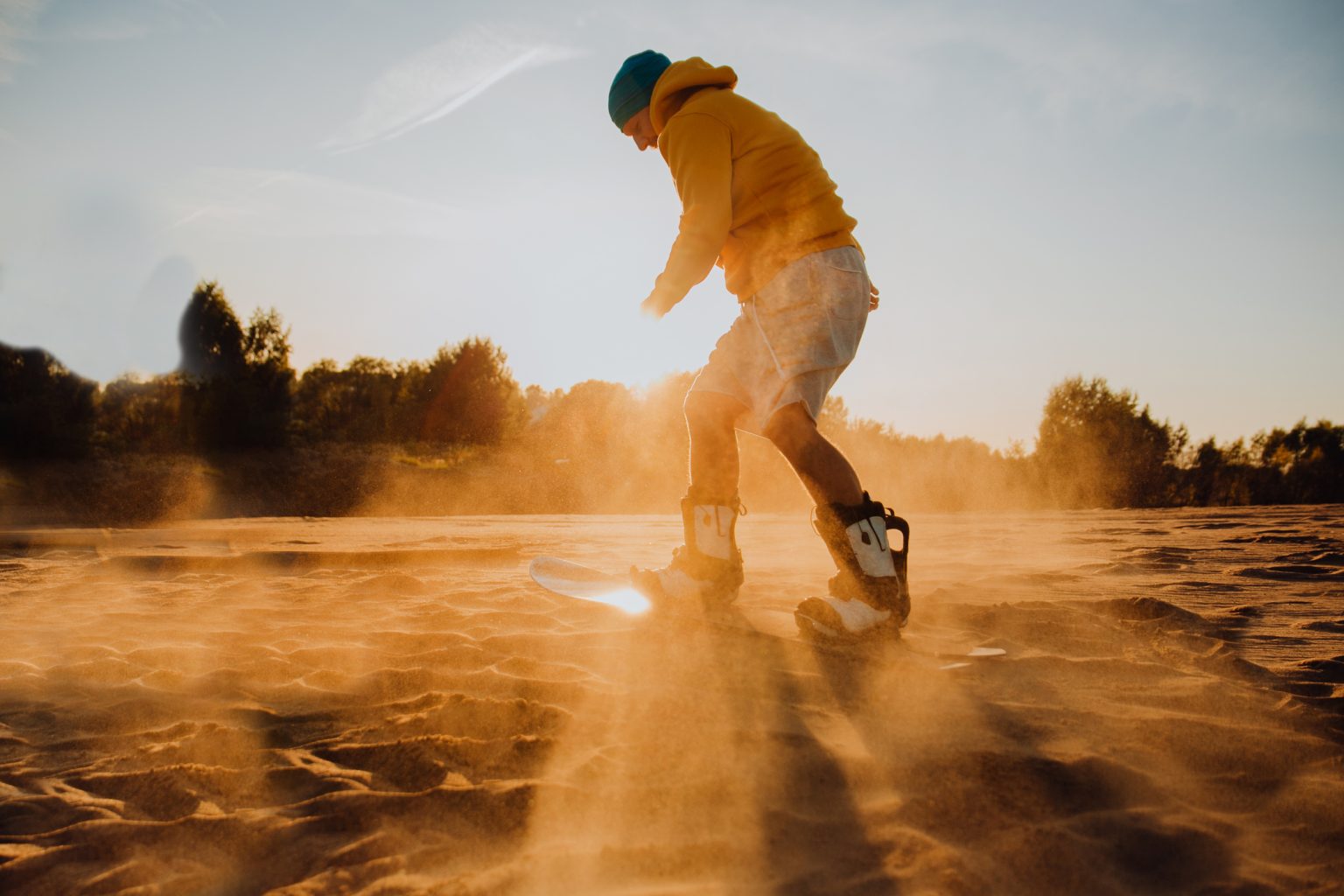
Sandboarding in Botswana offers a different way to experience the Kalahari’s sandy landscapes, where red dunes, open plains and remote wilderness create a distinctive setting for outdoor adventure. Unlike destinations with established commercial sandboarding facilities, Botswana’s opportunities are more limited and often depend on specific locations, organized events and local permissions.
- Discover Sandboarding in Botswana’s Kalahari
- Best Places to Explore Botswana’s Kalahari Dunes
- 1. Khawa and the Kalahari Dune Region
- 2. Kgalagadi Transfrontier Park
- 3. Khutse Game Reserve
- 4. Central Kalahari Game Reserve
- Essential Equipment for Sandboarding
- Best Time for Sandboarding in Botswana
- Combining Sandboarding with Other Kalahari Experiences
- Responsible Sandboarding in the Kalahari
- A Two-Day Sandboarding Trip Around Khawa
- Discover Botswana’s Kalahari Landscapes Responsibly
This Botswana sandboarding guide explores the Kalahari regions worth considering, including the Khawa area and the wider Kgalagadi landscape. It also covers essential equipment, seasonal conditions and responsible travel practices to help you plan a desert adventure without damaging fragile habitats or disturbing wildlife.
Discover Sandboarding in Botswana’s Kalahari
The Kalahari Desert covers much of Botswana and extends into neighboring countries. Its landscapes include red sand dunes, sandy tracks, grasslands, dry river valleys and salt pans. Not every area is suitable for sandboarding, and many protected reserves are managed primarily for wildlife conservation rather than recreational dune sports.
One of Botswana’s most distinctive opportunities is the Khawa Dune Challenge and Cultural Festival, an event that has included sandboarding alongside dune-driving competitions, cultural activities and camping. Activities and schedules can change from year to year, so confirm the current program before traveling.
What makes a sandboarding trip in Botswana appealing?
- Natural dune landscapes: Experience the colors and shapes of Kalahari sand formations.
- Outdoor adventure: Combine sandboarding where permitted with guided drives and nature photography.
- Cultural experiences: Some events bring together local food, music, sports and community activities.
- Remote scenery: Away from towns, the Kalahari offers expansive views and opportunities for stargazing.
- Responsible exploration: Local guidance helps visitors identify suitable locations and respect conservation rules.
Sandboarding should never be assumed to be permitted simply because a dune is accessible. Confirm that the activity is authorized at your chosen site, particularly within a game reserve or protected area.
Best Places to Explore Botswana’s Kalahari Dunes
1. Khawa and the Kalahari Dune Region
Khawa, in southwestern Botswana near the South African border, is associated with the Khawa Dune Challenge and Cultural Festival. The event has featured sandboarding and dune-based motorsport activities, making it a useful starting point for travelers interested in combining desert adventure with local culture.
The wider area offers a landscape of sandy terrain, open skies and Kalahari vegetation. However, festival activities take place according to an organized program, and the availability of sandboarding outside the event should be confirmed locally.
What to look for:
- Festival sandboarding: Check whether sandboarding is included in the current year’s program and whether participants need to register.
- Dune scenery: Photograph the changing colors of the sand in the early morning or late afternoon.
- Cultural activities: Depending on the program, visitors may encounter local food, music, sporting events and community displays.
- Camping: Confirm the availability of designated camping facilities and any booking requirements.
- Nearby exploration: Ask local organizers about authorized routes and other suitable outdoor activities.
Khawa is a particularly relevant option because sandboarding has featured in an established local event. It should not, however, be presented as a permanent commercial sandboarding center with guaranteed equipment rental or daily guided sessions.
Best for: Travelers interested in an organized dune event, local culture and a distinctive Kalahari experience.
2. Kgalagadi Transfrontier Park
The Kgalagadi Transfrontier Park, which spans Botswana and South Africa, protects a vast Kalahari landscape of red dunes, dry riverbeds and open savanna. It is best known for wildlife viewing and remote 4×4 routes rather than dedicated sandboarding facilities.
The park’s Botswana section includes the Mabuasehube area, where sandy tracks connect a series of pans and wilderness camps. The landscape offers excellent opportunities for photography and wildlife observation, but the presence of dunes does not mean visitors can use them for recreational boarding.
Highlights include:
- Red Kalahari dunes: Observe the changing colors and contours of the landscape from authorized routes.
- Wildlife viewing: Look for gemsbok, springbok, lions, jackals and other species, without expecting guaranteed sightings.
- Wilderness camping: Stay at designated campsites where reservations and access requirements permit.
- 4×4 exploration: Travel on authorized park routes with a suitable vehicle and follow all park regulations.
- Dark skies: Enjoy stargazing from permitted camping areas when weather conditions are favorable.
Before planning sandboarding inside the park, obtain explicit confirmation from the relevant park authority. Park rules restrict off-road driving to protect sensitive dunes, riverbeds and wildlife habitat. If sandboarding is not authorized, enjoy the dunes from approved viewpoints and arrange the activity elsewhere.
Best for: Wildlife enthusiasts, experienced 4×4 travelers and campers who want to explore the Kalahari’s protected landscapes.
3. Khutse Game Reserve
Khutse Game Reserve, south of the Central Kalahari region, offers remote sandy landscapes, grasslands and dry pans. It is a destination for visitors who want to experience the Kalahari away from larger towns, particularly through self-drive safaris and wilderness camping.
Khutse is not established here as a dedicated sandboarding destination. Visitors should confirm directly with reserve management whether any dune-based recreational activity is permitted before bringing equipment or planning a session.
What to experience in the reserve:
- Sandy landscapes: Observe the dunes and sandy tracks characteristic of the Kalahari.
- Wildlife drives: Explore authorized routes in a suitable 4×4 vehicle.
- Camping: Stay at designated campsites and prepare for limited facilities.
- Nature photography: Capture the contrast between sandy terrain, grasses and scattered trees.
- Stargazing: Enjoy the night sky away from major urban lighting.
Khutse requires careful planning. Fuel, drinking water, food and emergency supplies should be arranged before entering the reserve, and travelers should confirm road conditions and vehicle requirements.
Best for: Experienced self-drive campers seeking remote scenery and wildlife rather than a guaranteed sandboarding service.
4. Central Kalahari Game Reserve
The Central Kalahari Game Reserve (CKGR) is one of southern Africa’s largest protected wilderness areas. Its landscapes include sandy plains, occasional dunes, dry pans and fossil river valleys. The reserve is renowned for its scale, wildlife and sense of remoteness.
Its principal visitor activities include game drives, wilderness exploration and selected guided cultural experiences. Sandboarding should not be treated as a standard activity within the reserve without explicit authorization.
Highlights include:
- Deception Valley: Explore a well-known part of the reserve with a varied landscape and seasonal wildlife activity.
- Sunday and Passarge Pans: Visit designated areas known for open views and wildlife opportunities.
- Remote camping: Use authorized campsites and follow reservation and access requirements.
- Wildlife observation: Look for antelope, predators and other species appropriate to the region.
- Night skies: Stargaze from permitted camping areas when conditions are clear.
Because the reserve is remote, visitors should plan carefully and follow all instructions about access, route selection and overnight stays. Do not leave authorized roads or approach wildlife to reach a dune for sandboarding.
Best for: Experienced wilderness travelers interested in remote camping, wildlife and desert scenery.
Essential Equipment for Sandboarding
If you have confirmed that sandboarding is permitted at your chosen location, prepare for dry sand, strong sunlight and limited access to facilities.
Board and Protective Gear
- Sandboard: Use a board designed for sand rather than assuming that a standard snowboarding setup will perform well.
- Suitable base treatment: Follow the board manufacturer’s instructions for any wax or surface treatment. Avoid applying products that could contaminate the environment.
- Helmet: Recommended, particularly for beginners or when riding steeper slopes.
- Knee and elbow protection: Useful for reducing the risk of scrapes and bruises.
- Closed footwear: Protect your feet from hot sand and uneven ground.
- Sunglasses: Help protect your eyes from sunlight and blowing sand.
Board availability and rental services may be limited in Botswana. Ask event organizers or local operators whether equipment is supplied before deciding to bring your own.
Water, Sun Protection and First Aid
- Carry sufficient drinking water for the full outing, with extra supplies in case of delays.
- Wear a hat and lightweight clothing that protects exposed skin.
- Apply high-SPF sunscreen and reapply it as directed.
- Bring a small first-aid kit and personal medication.
- Carry a phone or other communication device, while recognizing that coverage may be unreliable.
- Pack snacks and arrange transport back to your campsite or accommodation.
The amount of water required depends on temperature, activity level and duration. In hot conditions, avoid strenuous sessions during the hottest part of the day and take regular breaks in the shade.
Best Time for Sandboarding in Botswana
The most suitable period depends on the location and the type of trip. Cooler weather can make outdoor activities more comfortable, while summer heat and seasonal rainfall may affect access and sand conditions.
May to August
The cooler dry season is often a practical time for exploring Botswana’s sandy landscapes.
- Daytime conditions are generally more comfortable for outdoor activities than during peak summer heat.
- Nights can become cold, so pack warm clothing for camping.
- Dry weather can make travel easier, although road conditions still need checking.
- Confirm the dates of organized dune events well in advance.
September to November
Temperatures rise as summer approaches, and exposed dunes can become very hot during the day.
- Schedule outdoor activities for early morning or late afternoon.
- Carry extra water and sun protection.
- Check local conditions before driving on sandy tracks.
- Avoid assuming that every event or activity operates throughout this period.
December to April
This is the main summer rainy season in much of Botswana. Thunderstorms can affect roads and campsite access, and some sandy routes may become difficult after rain.
- Check weather forecasts before departure.
- Avoid driving through flooded areas or dry channels during storms.
- Confirm whether the planned activity is operating.
- Be prepared for high temperatures and changing conditions.
For many visitors, the cooler dry season is a sensible starting point. The final choice should depend on the event calendar, site access and weather forecast.
Combining Sandboarding with Other Kalahari Experiences
Sandboarding can be one part of a broader trip through Botswana’s arid landscapes. Since authorized opportunities may be limited, combining the activity with other experiences can make the journey more rewarding.
Depending on your route, consider:
- 4×4 wilderness drives: Explore authorized sandy tracks with a suitable vehicle and experienced driver.
- Wildlife viewing: Observe animals from a safe distance on permitted routes.
- Desert camping: Stay at designated campsites and prepare for limited facilities.
- Stargazing: Enjoy dark skies from an authorized campsite when weather permits.
- Local cultural events: Attend community festivals and activities when they are open to visitors.
- Landscape photography: Capture red dunes, grasslands and changing light without disturbing wildlife or vegetation.
Avoid creating a route that crosses multiple reserves simply to connect sandboarding locations. Botswana’s wilderness areas are large, and travel times can be substantial, especially on sandy roads.
Responsible Sandboarding in the Kalahari
Kalahari ecosystems may appear resilient, but their vegetation, soils and wildlife habitats can be damaged by poorly managed recreation. Sandboarding should take place only where the land manager has approved it.
Follow these principles:
- Use authorized slopes: Do not assume that every dune is open to recreational activity.
- Protect vegetation: Avoid dunes with plants, animal burrows or other signs of sensitive habitat.
- Keep away from wildlife: Never board near animals or cross their movement routes.
- Avoid unnecessary vehicle tracks: Drive only on permitted routes and never use a 4×4 to create a new track down a dune.
- Manage waste: Take all rubbish with you and leave the site clean.
- Use environmentally appropriate products: Follow equipment guidance and avoid treatments that could leave harmful residues.
- Respect local communities: Follow event rules, ask permission before taking photographs and support local businesses where possible.
- Follow reserve regulations: Park authorities may prohibit activities that are acceptable at an organized event elsewhere.
Responsible travel means recognizing that a dune is not simply a sports surface. It is part of a living landscape that supports plants, insects, reptiles and larger animals.
A Two-Day Sandboarding Trip Around Khawa
Khawa is a useful starting point for a short trip when an organized sandboarding event or another authorized activity is available. The itinerary below is a planning example, not a guarantee that sandboarding will be operating on any particular date.
Day 1: Travel to Khawa and Explore the Area
Travel to Khawa with sufficient time to reach your accommodation or campsite before dark. Confirm road conditions, fuel availability and the location of your overnight stay before departure.
If a sandboarding session is officially scheduled, check in with the organizers and follow their instructions about equipment, safety and permitted slopes. Otherwise, use the afternoon to explore authorized viewpoints and photograph the surrounding landscape.
Spend the evening at a confirmed campsite or accommodation, and prepare for the following day.
Day 2: Sandboarding or a Guided Kalahari Excursion
If an authorized sandboarding session is available, plan it for the cooler part of the day. Wear suitable protective gear, follow the activity leader’s instructions and avoid slopes with vegetation or signs of wildlife activity.
If sandboarding is not available, consider a guided excursion or another permitted outdoor activity in the region. Confirm your return route and allow enough time for travel before sunset.
Before you go: Verify the current event schedule, whether sandboarding is included, the availability of equipment and any registration requirements. Do not enter a protected reserve or use a dune for boarding without permission.
Discover Botswana’s Kalahari Landscapes Responsibly
Botswana’s Kalahari offers a distinctive combination of sandy terrain, wildlife, remote camps and cultural experiences. Khawa provides a documented connection with sandboarding through its dune festival, while Kgalagadi, Khutse and the Central Kalahari are primarily destinations for wilderness exploration and wildlife viewing.
Choose a location where the activity is explicitly permitted, prepare for heat and limited services, and respect the rules protecting Botswana’s fragile desert environments. With realistic expectations and careful planning, a sandboarding trip in Botswana can become part of a memorable Kalahari adventure.