
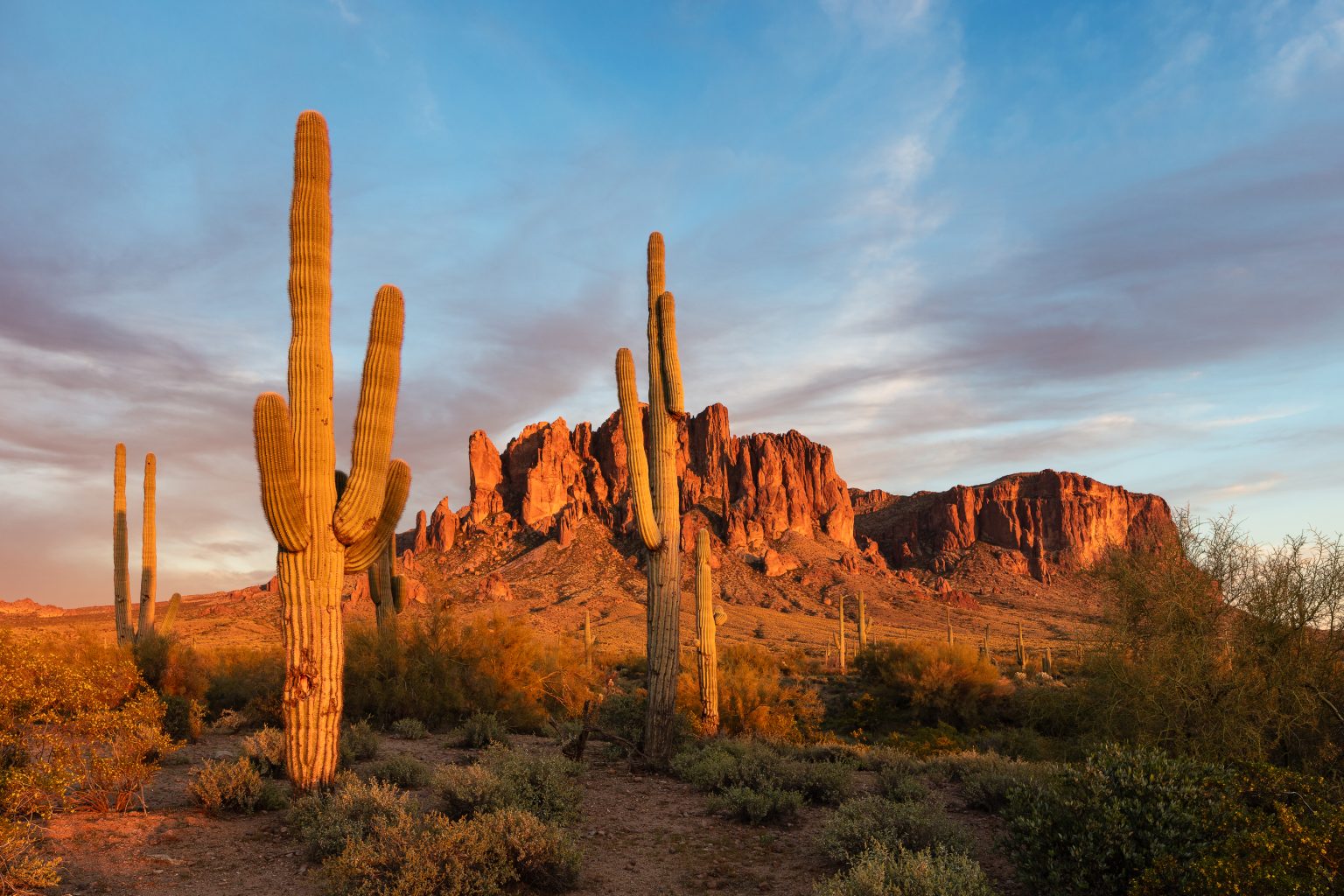
The Sonoran Desert is one of the most biologically rich deserts on Earth. Stretching across northwestern Mexico and the southwestern United States, it covers a diverse landscape of rugged mountains, open valleys, coastal dunes, and extensive cactus forests.
- Where Is the Sonoran Desert Located?
- Landscape of Mountains, Dunes, and Open Valleys
- Climate: Heat, Rain, and Renewal
- The Kingdom of Cacti and Desert Plants
- Wildlife: Masters of Adaptation
- Indigenous Cultures of the Sonoran Desert
- Top Places to Visit in the Sonoran Desert
- El Pinacate and Gran Desierto de Altar (UNESCO Site)
- Organ Pipe Cactus Biosphere Reserve
- Puerto Peñasco (Rocky Point)
- Alto Golfo de California Biosphere Reserve
- Caborca and the Altar Valley
- Suggested 2-Day Sonoran Desert Itinerary
- Where to Stay
- Practical Travel Tips
- Hidden Corners of Sonora
- A Desert Shaped by Seasonal Change
Unlike the common image of a desert as a barren landscape, the Sonoran supports a remarkable variety of plants and animals. Cacti bloom after seasonal rains, reptiles and mammals adapt to extreme heat, and many species depend on the desert’s distinct wet and dry cycles.
The Sonoran Desert is defined by adaptation, seasonal change, and biodiversity, making it one of the most distinctive desert regions in North America.
Where Is the Sonoran Desert Located?
The Sonoran Desert covers approximately 260,000 square kilometers (100,000 square miles) across two countries.
In Mexico
- Sonora
- Baja California
- Baja California Sur
In the United States
- Southern Arizona
- Southeastern California
- Approximate coordinates: 32°N, 112°W
- Elevation range: 0 to 1,200 meters (0–3,900 feet)
Natural Boundaries
- Mojave Desert to the north
- Chihuahuan Desert to the east
- Tropical foothills of Sinaloa to the south
- Gulf of California (Sea of Cortez) to the west
The Sonoran Desert is one of the few deserts influenced by both continental and marine systems, giving it an ecological diversity unmatched by most arid regions.
Landscape of Mountains, Dunes, and Open Valleys
The Sonoran Desert reveals itself in layers rather than monotony.
- Volcanic mountain ranges rise abruptly from the plains
- Dry riverbeds (arroyos) cut through ancient stone
- Coastal dunes stretch near Puerto Peñasco
- Vast cactus forests dominate sunlit valleys
Each region has its own character, from volcanic landscapes and rocky valleys to coastal dunes and dense stands of desert vegetation.
Climate: Heat, Rain, and Renewal
Sonora is shaped by intensity and seasonal variation rather than constant dryness.
- Summer temperatures: 40–48°C (104–118°F)
- Winter temperatures: 8–15°C (46–59°F)
- Annual rainfall: 75–250 mm, delivered in two distinct seasons
Two Rainy Seasons
- Winter rains (December–March): gentle and steady
- Summer monsoons (July–September): heavier and often accompanied by thunderstorms
This dual rainfall cycle supports a greater variety of plant life than many other deserts. Following seasonal storms, vegetation can respond quickly to the increase in moisture.
The Kingdom of Cacti and Desert Plants
Sonora’s vegetation includes several species that are strongly associated with this desert region.
Saguaro Cactus (Carnegiea gigantea)
The desert’s most iconic cactus can reach up to 15 meters in height and live for more than 200 years. Its white flowers bloom for a short period each spring and are pollinated at night.
Organ Pipe Cactus
Found mainly in northern Sonora and southern Arizona, these multi-stem cacti form distinctive clusters across rocky desert landscapes.
Ocotillo
Tall, slender stems produce crimson flowers after rainfall. During dry periods, the plant can lose its leaves and appear almost bare.
Palo Verde Trees and Creosote Bush
Together, these plants are common features of the Sonoran landscape. After rainfall, creosote bush in particular is associated with the distinctive scent often noticed across the desert.
Wildlife: Masters of Adaptation
Life in the Sonoran Desert reflects extraordinary adaptation to heat, limited water, and seasonal changes.
Mammals
- Mountain lions, bobcats, coyotes
- Javelinas moving in social groups
- Kangaroo rats that can survive with very little free water
Birds
- Roadrunners, cactus wrens, hawks
- Gila woodpeckers nesting inside cacti
- Migratory birds arriving each winter
Reptiles
- Gila monsters with vivid coloration
- Desert tortoises, iguanas, rattlesnakes
Many species are most active during cooler periods, using shade, burrows, and nighttime temperatures to avoid the hottest part of the day.
Indigenous Cultures of the Sonoran Desert
Humans have lived in Sonora for thousands of years.
The Tohono O’odham, Seri (Comcaac), and Yaqui peoples developed extensive knowledge of local plants, water sources, wildlife, and seasonal conditions.
For these communities, the desert provides food, medicine, materials, cultural traditions, and a strong connection to place. Ceremonies, music, and crafts continue to reflect this relationship with the Sonoran landscape.
Top Places to Visit in the Sonoran Desert
El Pinacate and Gran Desierto de Altar (UNESCO Site)
A volcanic and dune landscape of massive craters and black lava fields, often compared to Mars.
Organ Pipe Cactus Biosphere Reserve
A binational sanctuary protecting extensive stands of organ pipe cacti and other Sonoran Desert species.
Puerto Peñasco (Rocky Point)
Where golden dunes meet the turquoise waters of the Sea of Cortez.
Alto Golfo de California Biosphere Reserve
A coastal desert ecosystem rich in marine life, birds, and mangroves.
Caborca and the Altar Valley
Historic missions, ancient petroglyphs, and cactus-dotted plains reveal the region’s long human history.
Suggested 2-Day Sonoran Desert Itinerary
Day 1 – Fire and Stone
- Morning: Explore El Pinacate craters and lava fields
- Afternoon: Walk the dunes near Puerto Peñasco
- Evening: Sunset over the Sea of Cortez
Day 2 – Desert Landscapes and History
- Morning: Visit petroglyphs and Caborca Mission
- Afternoon: Hike in the Organ Pipe Cactus Reserve
- Night: Stargazing under clear desert skies
Where to Stay
Puerto Peñasco
- Las Palomas Beach & Golf Resort
- Peñasco del Sol Hotel
Caborca
- Hotel Oasis
- Casa Cactus Eco-Lodge
Camping is permitted in designated areas near El Pinacate, offering excellent opportunities for desert stargazing.
Practical Travel Tips
- Best season: October to April
- Avoid peak summer heat, particularly from June to September
- Carry water, sun protection, and light hiking gear
- Respect wildlife and protected areas
- Guided visits are recommended for remote zones
Hidden Corners of Sonora
- Cerro Prieto Volcano
- Laguna Prieta salt flats
- Desierto de Altar dune fields
- Punta Sargento’s relatively undeveloped desert beaches
A Desert Shaped by Seasonal Change
The Sonoran Desert stands out for its combination of biodiversity, dramatic landscapes, and seasonal rainfall.
From towering saguaros and volcanic mountains to coastal dunes and wildlife adapted to extreme heat, the region offers a very different experience from many other deserts.
Its changing conditions are part of what makes the Sonoran distinctive. Rain can transform the landscape within days, while the long dry season brings plants and animals back to strategies that help them conserve water and avoid extreme heat.