
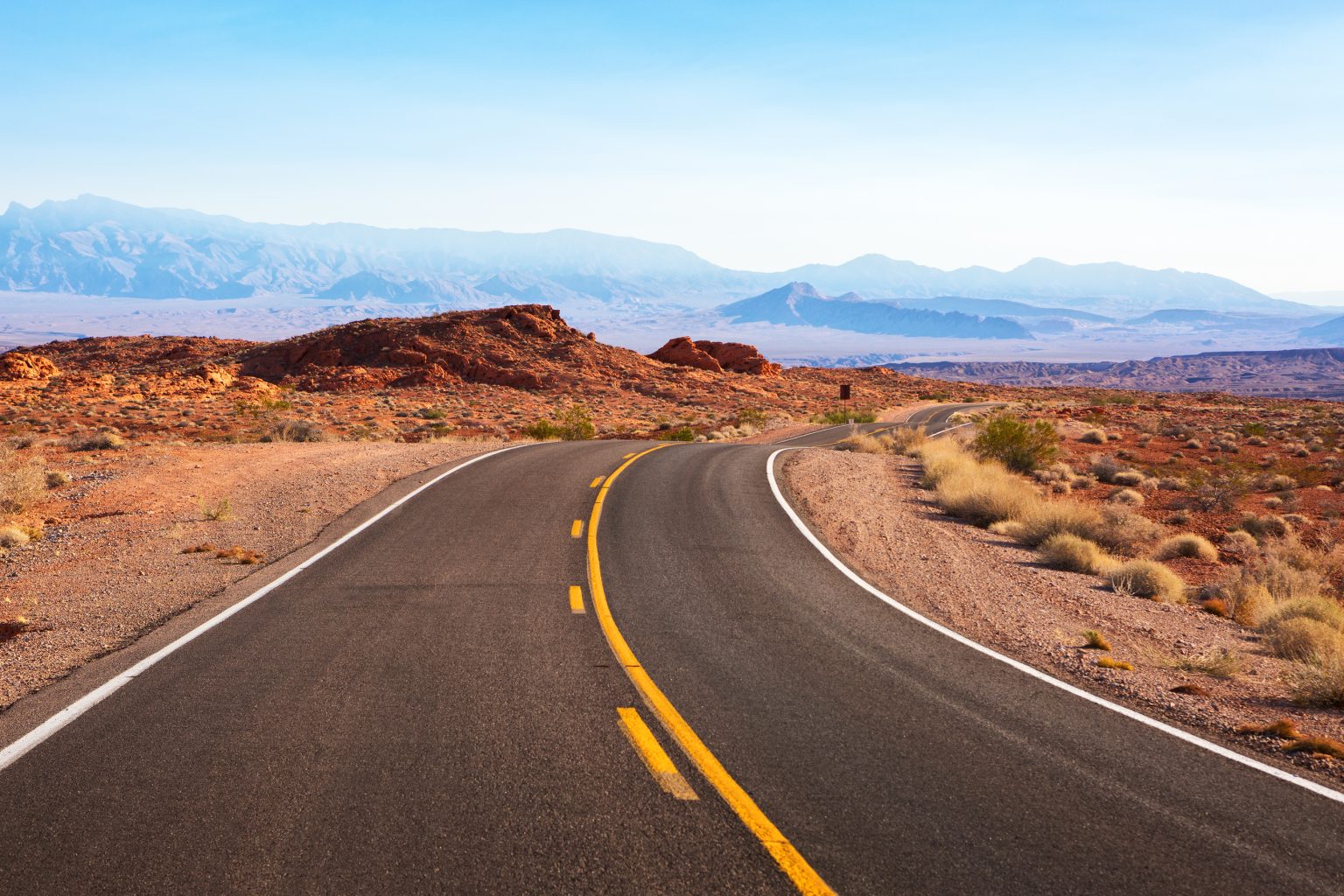
The deserts of the American Southwest carry deep layers of history, culture, and dramatic natural beauty across California, Arizona, Nevada, Utah, and New Mexico. Shaped by time, wind, and Indigenous heritage, these vast landscapes attract travelers seeking adventure, quiet reflection, and unforgettable scenery, from the open plains of the Mojave Desert to Utah’s sculpted red rock cliffs and the striking dunes of Death Valley.
- What You Need to Know About the US Desert Environment
- Preparing for Your Trip to the American Desert
- Choosing the Right Desert Destination in the US
- Understanding Native American Heritage
- Planning Routes and Distances
- What to Pack for the American Desert
- Safety Tips for Traveling in the American Desert
- Exploring the Desert Landscape
- Cultural and Natural Highlights of the US Desert
- Food, Comfort, and Daily Needs
- Photography in the American Southwest Desert
- Best Time to Visit the US Deserts
- Final Thoughts on a Safe Desert Journey
This guide helps travelers explore the deserts of the United States in a safe, comfortable, and meaningful way. By understanding how climate, terrain, and distance change from one region to another, visitors can plan their journey wisely, whether hiking through slot canyons, camping beneath star-filled skies, or discovering legendary national parks.
What You Need to Know About the US Desert Environment
The Mojave Desert
The Mojave Desert stretches across parts of California, Nevada, Arizona, and Utah. It includes some of the most recognizable desert destinations in the country, such as Joshua Tree National Park, Death Valley National Park, and the arid landscapes surrounding Las Vegas.
This desert is defined by broad valleys, distinctive Joshua trees, volcanic terrain, and extreme temperature variations that shape both the land and travel conditions.
The Sonoran Desert
Located in Arizona and California, and extending into Mexico, the Sonoran Desert is one of the most biologically diverse deserts in the world. It is known for towering saguaro cacti, seasonal wildflowers, and relatively mild winters.
Major desert cities such as Phoenix and Tucson are situated within this region.
The Great Basin Desert
The Great Basin Desert covers large areas of Nevada, Utah, and parts of Oregon. Its landscapes include salt flats, high plateaus, rugged mountain ranges, and unusual rock formations.
Unlike warmer deserts, this region experiences cold winters and snowfall, making it very different from the Mojave or Sonoran deserts.
The Chihuahuan Desert
The Chihuahuan Desert spans parts of Texas, New Mexico, and northern Mexico. It features rocky hills, sandy basins, and a wide variety of plant and animal life.
One of its most remarkable attractions is White Sands National Park in New Mexico, famous for its bright white gypsum dunes.
Preparing for Your Trip to the American Desert
Choosing the Right Desert Destination in the US
Each US desert region offers a distinct travel experience:
- Death Valley with vast salt flats and rugged terrain
- Joshua Tree combining desert scenery, rock climbing, and artistic culture
- Sedona and Monument Valley with iconic red rock landscapes
- White Sands featuring an otherworldly field of white dunes
- Utah’s national parks known for canyons, arches, and sandstone formations
Your choice should reflect your interests, whether hiking, photography, cultural exploration, or scenic driving.
Understanding Native American Heritage
The American Southwest is home to many Native American nations, including the Navajo, Hopi, Ute, Paiute, and Apache. Many desert landscapes hold deep spiritual and cultural significance.
Respecting local guidelines, sacred sites, and community rules enriches the travel experience. Learning about Indigenous traditions adds depth and perspective to any desert journey.
Planning Routes and Distances
Distances across the American desert can be vast, with limited access to fuel, food, and services. Travelers should plan routes carefully, monitor road conditions, and remember that mobile coverage may be unreliable, especially in national parks and remote areas.
What to Pack for the American Desert
Clothing for Heat and Temperature Shifts
Lightweight, breathable clothing works best during daytime heat. Long sleeves and pants help protect against sun exposure and desert vegetation.
Wide-brimmed hats, UV-protective sunglasses, and neck coverings are essential. Evenings can be cold, so warm layers are necessary.
Gear and Footwear Essentials
- Sturdy hiking boots with good traction
- A reliable backpack and headlamp
- Paper maps alongside GPS devices
- Extra water containers for long hikes or camping
Hydration and Health Supplies
Dry desert air accelerates dehydration. Travelers often need up to one liter of water per hour during physical activity.
High-SPF sunscreen, lip balm, moisturizer, and a complete first-aid kit are essential for desert safety.
Safety Tips for Traveling in the American Desert
Managing Heat and Sun Exposure
The US desert includes some of the hottest places on Earth. Death Valley regularly exceeds 50°C in summer.
Avoid hiking during midday heat, drink water consistently, rest in shaded areas, and wear sun-protective clothing. Heat exhaustion and dehydration can become serious very quickly.
Wildlife Awareness
Desert wildlife includes insects, scorpions, snakes, coyotes, and other animals. Rattlesnakes often rest near rocks and shaded areas.
Watch your footing, avoid placing hands into crevices, and store food securely while camping.
Navigation and Remote Conditions
Many desert roads are unpaved and conditions can change suddenly. Paper maps and official guidebooks should always complement digital navigation tools.
Check park service updates for trail closures, weather alerts, and road conditions before setting out.
Exploring the Desert Landscape
Driving Desert Roads Safely
A dependable vehicle is essential, and in many regions, a 4×4 is recommended. Carry extra fuel, tools, and spare tires.
Driving at night is discouraged, as wildlife frequently crosses desert roads after dark.
Hiking and Trekking Routes
Some of the most popular desert hikes in the United States include:
- Angels Landing in Zion
- The Narrows in Zion National Park
- Delicate Arch Trail in Arches National Park
- Cathedral Rock in Sedona
- Mesquite Flat Sand Dunes in Death Valley
Proper footwear, sufficient water, and awareness of trail difficulty are essential.
Desert Camping Experiences
Camping in the American desert offers solitude, silence, and spectacular night skies. Options range from primitive campsites to full-service RV parks.
Low light pollution makes stargazing a highlight. Bring enough food, warm clothing, and plenty of water.
Cultural and Natural Highlights of the US Desert
Monument Valley
Located on Navajo land, Monument Valley is known for its massive sandstone buttes and mesas. Navajo-guided tours provide cultural insight and explain the meaning behind the landscape.
The Grand Canyon
While not entirely desert, the Grand Canyon has been shaped by erosion and arid conditions. Trails such as the Bright Angel Trail offer breathtaking views but require careful planning.
Sedona
Sedona is famous for its red rock formations and spiritual atmosphere. The area blends Native American heritage with wellness culture, art, and outdoor adventure.
Food, Comfort, and Daily Needs
Food and Supplies
Services are limited in many desert areas. Travelers should carry easy-to-pack foods such as nuts, fruit, and sandwiches. Water remains the most important supply.
Towns like Moab, Sedona, and Palm Springs provide dining options and rest stops.
Staying Comfortable in Desert Conditions
Loose-fitting clothing, regular sunscreen use, and frequent hydration improve comfort. Taking breaks helps maintain energy during hikes.
Extra blankets are useful during cold desert nights.
Photography in the American Southwest Desert
Iconic Photography Locations
The American Southwest offers countless legendary photo spots:
- Horseshoe Bend
- Antelope Canyon
- Arches National Park
- Bryce Canyon
- White Sands National Park
- Death Valley dunes
Sunrise and sunset enhance colors and shadows, making golden hour ideal for photography.
Protecting Camera Equipment
Dust and sand can damage camera gear. Use protective bags, cleaning tools, and avoid changing lenses outdoors.
Carry extra batteries, as extreme temperatures drain power quickly.
Best Time to Visit the US Deserts
Ideal Travel Season
The most comfortable period to explore the deserts of the United States is from October to April. Winter nights can be cold, but daytime temperatures are well suited for hiking and camping.
Summer travel requires careful planning due to extreme heat.
Seasonal Highlights
Spring may bring desert wildflowers after wet winters. Winter offers clear skies and mild days, while fall provides excellent conditions for long road trips across the Southwest.
Final Thoughts on a Safe Desert Journey
The most common mistakes include underestimating distances, carrying insufficient water, attempting strenuous hikes in extreme heat, or relying solely on mobile coverage.
With thoughtful preparation, respect for Indigenous lands, and awareness of desert conditions, exploring the American desert becomes a rewarding experience filled with discovery and lasting impressions.
In Brief
The deserts of the United States combine adventure, culture, and dramatic scenery in a way few regions can match. From Utah’s sculpted sandstone formations to Death Valley’s vast dunes and the iconic landscapes of Monument Valley, each area reveals its own identity.
By preparing carefully and traveling responsibly, visitors can explore one of the world’s most iconic desert regions with confidence and clarity.