
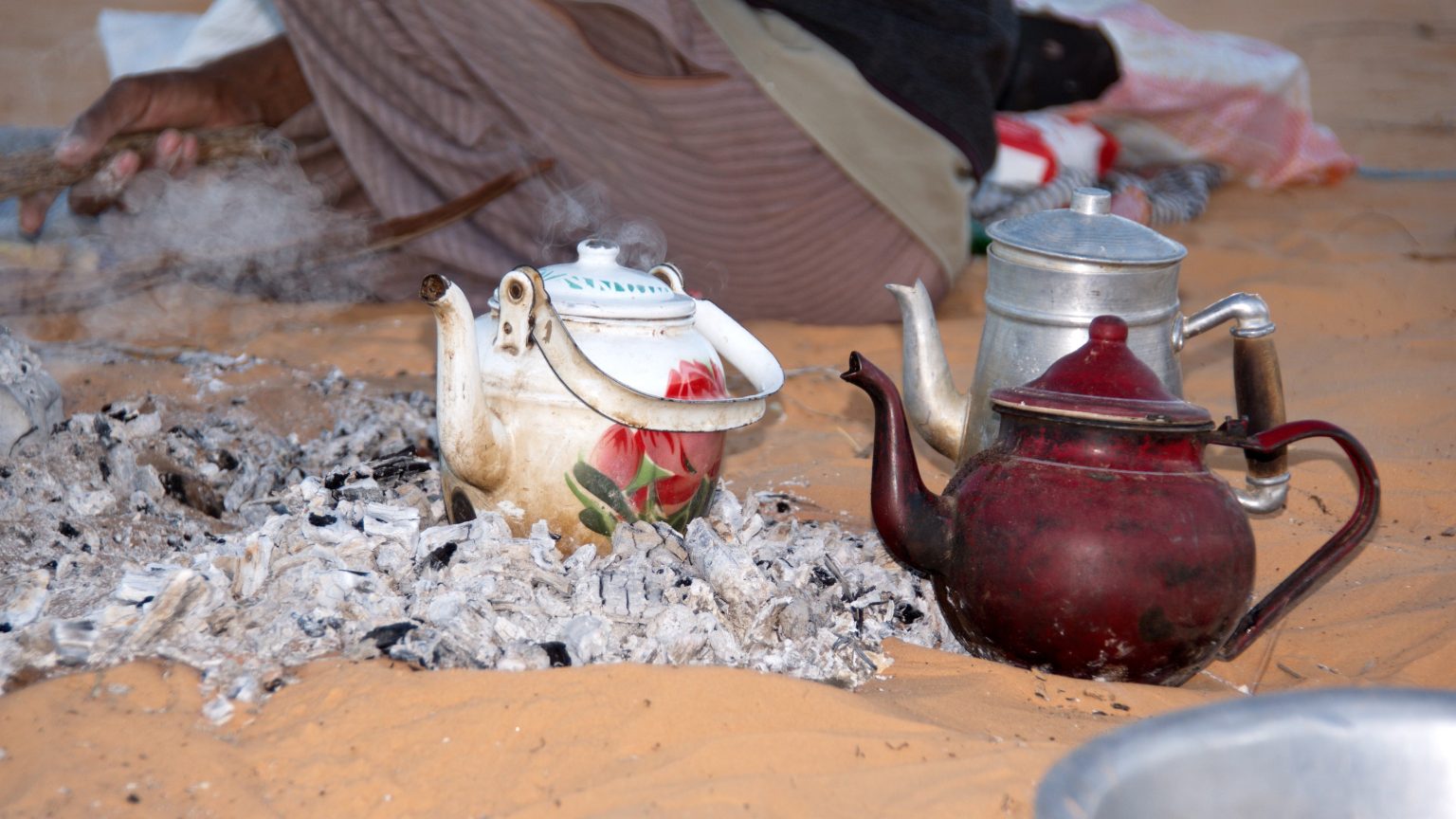
In southern Tunisia, especially in the towns of Tataouine, Tozeur, Nefta, and Douz, food is more than just food. It shows the area’s spirit, climate, and culture.
- What Bedouins, Arabs, and Berbers Brought to the Area
- Basic Foods and Needs from Pantry of the Desert
- Well-Known Desert Foods from the South
- The Desert Way to Make Couscous
- Bedouin Roast by Méchoui
- Lablabi: Easy to Make and Filling
- Kaddid Is Meat from the Desert That Has Been Kept Fresh
- The Bread of the Desert, Tabouna and Mella
- Regional Specialties and Local Flavors
- How to Get to the Sahara by Douz
- Tastes of the Oasis with Tozeur and Nefta
- The Berbers Have Bases in Chenini and Tataouine
- Seasonings and Spices: Heat and Balance
- In the Desert, Sharing Food and Being Friendly
- Food for Holidays and Different Times of the Year
- Drinks for the Desert
- The Women of the Hearth, Their Tools, and Their Habits
- From Tradition to Table: Tourism and a Fresh Start
- We Remember Time, Wind, and
It’s not just food when it comes to Tunisian desert food. Moving, remembering, and having control of the land are all parts of it.
In the Berber mountain villages or the Bedouin tents of the Sahara, every meal tells a story about how people have fun and live their lives. Tastes get stronger when there isn’t enough of something. For many people, spices mean plenty, and for others, olive oil means wealth.
What Bedouins, Arabs, and Berbers Brought to the Area
Where the Berbers Came From
In southern Tunisia, the Amazigh (Berber) people have lived in the desert for a very long time.
In Tunisia, some of the most important foods are dates, grains, beans, and olive oil. They eat tough foods like rice, dried meat, and butter that has been kept (smen) so that it can last through dry weather and long hikes.
Effects of Arabia
Arabs moved around and brought new spices with them, like coriander, cumin, and caraway. They liked soups and flatbreads too.
This simple blend of flavors was created by Berbers and Bedouins, who enjoyed both Middle Eastern and North African cuisines.
Both the Mediterranean and the Sahara Meet Here
Simple, filling meals that are baked or slowly cooked on sand fires. There is a difference between these meals and the thick soups of northern Tunisia because the focus is on achieving the right balance of grains, spices, and heat.
Basic Foods and Needs from Pantry of the Desert
What’s on the Desert Table
In Tunisia, couscous is the main dish, but it’s more of a way of life than a food. Shellfish and chickpeas aren’t always easy to find in the desert, so people often eat lamb, dried veggies, or herbs. It is rolled out by hand, steamed three times, and served with marqa, a hot sauce.
When: “Sweet Gold”
The sands of Tozeur and Kebili are ideal for this type of date, known as “the queen of dates.” To stay full on long desert trips, people eat dates raw with nuts or cooked into soups. They are rich and nice because they give all of their guests milk and dates.
Herbs and Olive Oil
Nefta and Gafsa make some of Tunisia’s most fragrant olive oils. Herbs like thyme, rosemary, and cilantro make bread and meat taste better and smell like fresh dry air.
Well-Known Desert Foods from the South
The Desert Way to Make Couscous
This dish is made with coarse semolina, sun-dried veggies, and sometimes dried meat (kadid). It is also called “Amazigh” or “Berber” couscous. With paprika, garlic, and harissa added, it has a hearty, earthy taste that keeps farmers and tourists going.
Bedouin Roast by Méchoui
Meschoui is a whole lamb that is cooked slowly in sand ovens until it is soft and smoky. It is served at dessert feasts after being stewed in olive oil, garlic, caraway, and paprika. It’s more than just eating; it’s a get-together.
Lablabi: Easy to Make and Filling
People who work or travel used to buy Lablabi, but now everyone in Tunisia loves it. It makes you feel good because it has garlic, harissa, olive oil, chickpeas, and torn bread. For cold desert nights in the south, garlic and a fried egg are often served on top.
Kaddid Is Meat from the Desert That Has Been Kept Fresh
Bedouins dry slices of lamb or goat in the sun with salt and spices. Kaddid lasts for months and makes rice and soups taste better in the winter. This is how food stays fresh in the desert.
The Bread of the Desert, Tabouna and Mella
Bread is holy. The outside of the melle is crunchy, and the inside is soft from being cooked over hot coals. The South has clay ovens that look like piles of sand. These are called tabbouna. Throwing away bread is not a good idea.
Regional Specialties and Local Flavors
How to Get to the Sahara by Douz
That’s where the Festival of the Sahara takes place. Douz is known for its camel milk dishes and date-sweetened desserts. People can eat marqa al-jamal, a slow-cooked camel stew seasoned with garlic, chili, and tomatoes.
Tastes of the Oasis with Tozeur and Nefta
In the oasis, food, fruits, and spices are mixed together. For example, tagine el tamr (date omelet) is a good mix of sweet and spicy, and djerid salad with dates, onions, and harissa tastes as if it came straight from the desert.
The Berbers Have Bases in Chenini and Tataouine
In Tataouine and Chenini, Amazigh cooks still use clay pots and wood fires. Mountain-desert food includes chakhchoukha, a crispy bread with meat and beans, and bazin, a stiff wheat paste eaten with sauce.
Seasonings and Spices: Heat and Balance
I Call It “The Red Soul.”
Haza is a bright sauce made with garlic, dried chilies, and olive oil, at the heart of Tunisian cuisine. In the desert, harissa tastes different in each home and each season. That’s what makes this food so unique.
Roles That Spices Play
Cumin makes you feel warmer and helps your body digest food.
The taste is more balanced and lively when you add coriander.
It gives food color, a little smoke, and taste.
In the Desert, Sharing Food and Being Friendly
Sharing a Meal
In the desert, everyone eats with their right hand from the same dish or ripped bread. This makes everyone the same and brings people together.
As a Gift, the Guest
It’s important to be friendly. People are served milk, dates, and sweet mint tea before the talk starts. It is both a religious and a social duty for Bedouin to feed others.
Food for Holidays and Different Times of the Year
Marriage
On wedding days, honey pastries like makroudh (dates and semolina), couscous, and méchoui are given. Women often sing while they cook, which makes the food part of both a ritual and a story.
Ramadan
During Ramadan, simple but important meals are eaten in the desert at sunset. Some of them are soup, brik (a fried cake with egg), and dates, which are a kind and thankful way to end the fast.
The Festival of Douz
In December, Douz holds a festival to honor nomadic culture. There are songs, camel races, and food stands. This shows how desert food can change over time while still staying true to its roots.
Drinks for the Desert
Tea with Mint Is a Peaceful Ritual
To show welcome and friendship, pour strong, sweet mint tea from a high place into small cups.
White Gold Camel Milk
Camel milk is good for people, whether it is fresh or sour, like sour yogurt. People in southern Tunisia often eat this.
Date Syrup and Herbal Teas
Date syrups make baked goods taste better, and thyme, sage, and rosemary infusions are often used to make drinks and drugs.
The Women of the Hearth, Their Tools, and Their Habits
Hearth, Clay Pots, and Sand Ovens
For many years, people have cooked in the desert using fire pits, tagines, clay pots (which keep food moist), and sand baking.
Women Keep Recipes Alive
Women share ideas with each other and with the food they cook. Hearths are like schools where kids learn about history, skills, and how to be a good host.
From Tradition to Table: Tourism and a Fresh Start
Having Dinner in the Sahara
In Tozeur, Douz, and Tataouine, eco-lodges now offer hands-on activities like making couscous, baking bread in the sand, and drinking tea in the sun.
The History of Food and Cooks
By making date cakes and camel tajines in new ways, young Tunisian chefs are bringing the tastes of the desert to the rest of the world.
Lasting Power
The desert’s “waste nothing” way of thinking shapes how we live sustainably today. Things like cooking with the seasons, making as little trash as possible, and being smart about how much water you use have been around for a long time.
We Remember Time, Wind, and
Tunisia’s desert food is a talk between the past and the present. It was created by the Amazigh people, who are creative and friendly, and the Bedouins, who can make something out of nothing. People in this area eat together to keep their traditions and identities alive.
Foods like couscous, mint tea, and bread cooked over coals tell you that eating in the Sahara is a way to share your culture, learn about other people, and remember who you are.