
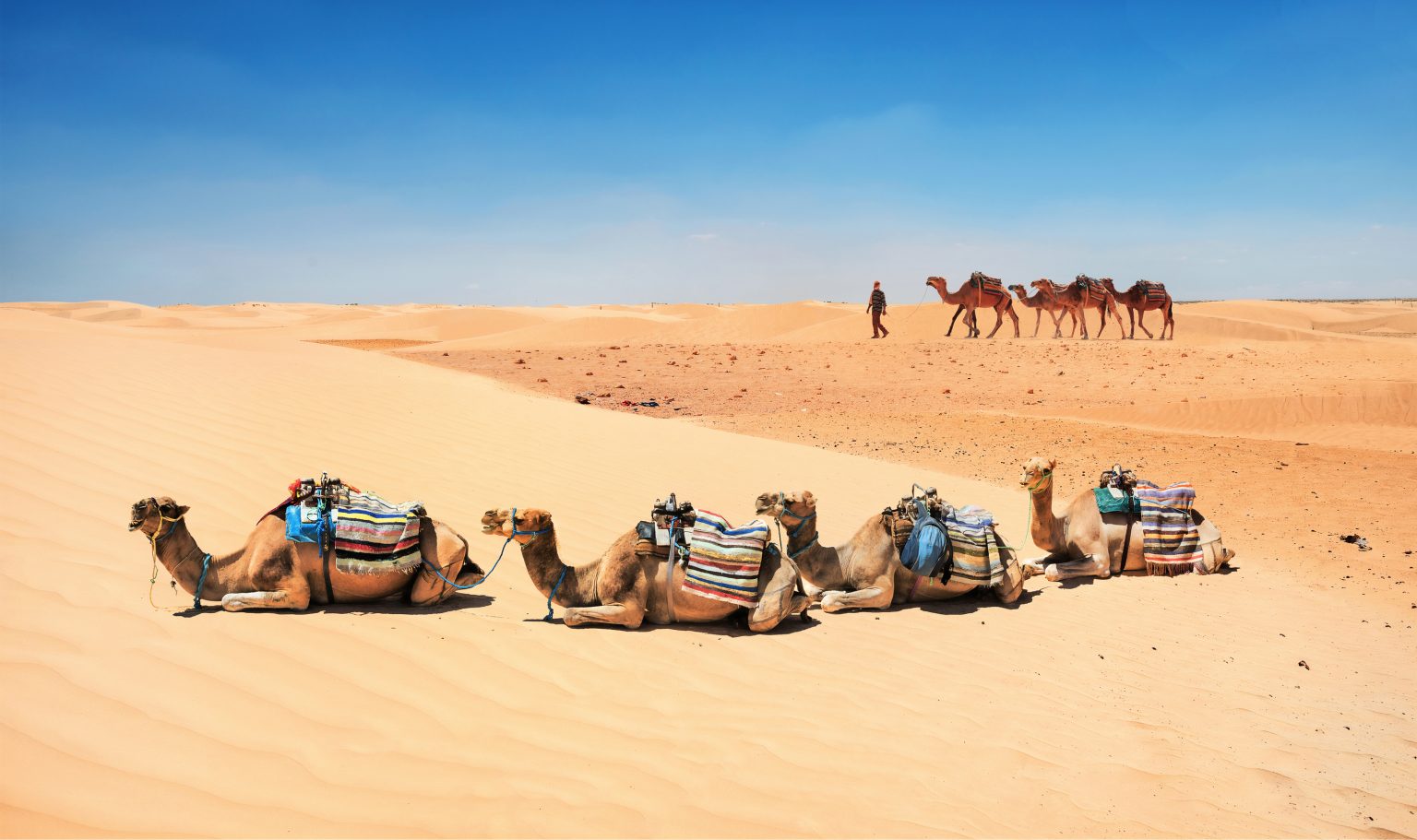
The Sahara Desert in Tunisia is one of the most diverse desert landscapes in North Africa. From rocky plateaus and vast salt lakes to rolling dunes and tranquil oases, the Tunisian Sahara blends raw nature with deep history. Located in the country’s south, this region has been shaped by nomadic life, ancient caravan routes, and a cinematic legacy that brought its scenery to the world’s attention.
- Understanding the Sahara Desert in Tunisia
- Preparing for Your Sahara Trip in Tunisia
- What to Know Before Visiting the Tunisian Sahara
- Staying Safe in the Tunisian Sahara
- Getting Around the Tunisian Sahara
- Culture and Local Traditions
- Food, Comfort, and Daily Life in the Desert
- Photography in the Tunisian Sahara
- Best Time to Visit the Sahara Desert in Tunisia
- Final Thoughts on Exploring the Tunisian Sahara
Today, the Tunisian Sahara attracts travelers seeking adventure, cultural discovery, and wide open spaces. Destinations such as Chott el Jerid, often described as the gateway to the Sahara, the golden dunes of Ksar Ghilane, and the distinctive landscapes of Matmata and Tataouine reveal very different faces of the desert. Whether you choose a 4×4 journey, a camel trek, or an overnight stay in a desert camp, this guide offers practical advice to help you explore the Sahara in Tunisia safely and comfortably.
Understanding the Sahara Desert in Tunisia
Tunisia’s Key Desert Regions
Although part of the greater Sahara, Tunisia’s desert stands out for its variety. Many journeys begin in Douz, a town surrounded by palm groves and known as the “Gateway to the Sahara.” Ksar Ghilane is famous for its natural oasis, warm spring, and soft dunes, ideal for relaxed desert exploration.
Chott el Jerid, one of the largest salt lakes in the world, creates surreal reflections that change with light and season. The regions of Matmata and Tataouine reflect strong cultural identity, with troglodyte homes and landscapes that feel almost lunar. Understanding these areas helps travelers choose routes and activities that match their interests.
Weather and Seasonal Conditions
The desert climate in southern Tunisia can be extreme. Summer temperatures often exceed 45°C, while winter nights can be unexpectedly cold despite mild days. Spring and autumn are generally the best seasons to visit, offering more stable and comfortable conditions.
Sandstorms may occur, particularly during periods of strong winds. Checking forecasts, wearing appropriate clothing, and planning activities during cooler hours make desert travel safer and more enjoyable.
Preparing for Your Sahara Trip in Tunisia
Choosing the Right Desert Experience
Travelers can select from camel treks, private 4×4 desert tours, small group excursions, or combined cultural and camping packages. Guided tours are popular because they provide safety, local knowledge, and access to remote areas.
Camel trekking offers a slower, traditional rhythm, while private tours allow flexibility. The right option depends on your travel style, comfort level, and how many sites you wish to explore.
Setting Realistic Expectations
Desert travel involves long distances, limited facilities, and slower movement. Some camps require off-road driving, and dry air, strong sun, and temperature changes are part of daily life.
Taking regular breaks, staying hydrated, and keeping a relaxed pace help travelers enjoy the silence and scale of the Sahara more fully.
What to Know Before Visiting the Tunisian Sahara
Clothing for Hot Days and Cold Nights
Lightweight long trousers and long-sleeved shirts protect from sun exposure while remaining breathable. Evenings and early mornings can be cold, so a warm jacket or sweater is essential.
A scarf or cheich helps protect against sand and wind. Closed shoes, UV-protective sunglasses, and a wide-brimmed hat are key items for desert comfort.
Footwear and Essential Gear
Comfortable walking or light hiking shoes with good grip suit both sand and rocky ground. Flip-flops are best kept for camp use only.
Carry a reusable water bottle, sunscreen, lip balm, moisturizer, and a scarf for dust protection. A power bank is useful, as electricity may be limited in desert camps.
Hydration and Basic Health Care
Dry desert air causes rapid dehydration. Drinking water regularly is essential, even when you do not feel thirsty.
A small first-aid kit should include bandages, pain relievers, antihistamines, and basic stomach medication. Eye drops can help relieve irritation caused by wind and sand.
Staying Safe in the Tunisian Sahara
Why Traveling with a Guide Matters
Navigation in the Sahara can be challenging. Wind and shifting sands can quickly alter landmarks, making orientation difficult.
Experienced local guides understand terrain, weather patterns, and cultural norms. They provide safety, assistance in emergencies, and valuable insight, making guided travel the recommended option.
Managing Sun and Heat
The sun in southern Tunisia remains strong year-round. Sunscreen, protective clothing, and hats are essential.
Plan physical activities such as walking or camel riding for early morning or late afternoon, and take breaks in shaded areas whenever possible.
Sandstorms and Weather Changes
Sandstorms are not frequent but can develop quickly. When they occur, follow your guide’s instructions, cover your face, and wait until conditions improve. These storms usually pass within a short time.
Getting Around the Tunisian Sahara
Traveling by 4×4
Many desert destinations require crossing rocky plains and sandy tracks. A 4×4 vehicle is essential for reaching remote oases and camps.
Seatbelts should always be worn, and luggage secured. Travelers sensitive to motion may consider preventive measures for long drives.
Camel Trekking in Tunisia
Camel caravans were once the main way to cross the Sahara. Today, camel trekking allows travelers to experience the desert at a slower, more reflective pace.
Short rides suit most visitors, while multi-day treks appeal to experienced travelers seeking immersion and solitude.
Life in Desert Camps
Desert camps range from simple tents with shared facilities to more comfortable setups with proper beds, electricity, and private bathrooms.
Evenings often include traditional meals, local music, and campfires. Clear skies and minimal light pollution make stargazing a highlight of desert nights.
Culture and Local Traditions
Berber and Nomadic Heritage
Southern Tunisia is home to Amazigh (Berber) communities and semi-nomadic families who maintain long-standing traditions. Accepting tea when offered is a sign of respect.
Simple greetings and asking permission before taking photos are appreciated and help create positive interactions.
Respecting Communities and Nature
Modest clothing is recommended in villages and oasis towns. Keeping natural areas clean and supporting local camps and artisans helps preserve cultural and environmental heritage.
Food, Comfort, and Daily Life in the Desert
Traditional Desert Cuisine
Meals commonly include couscous, lamb or chicken stews, vegetable dishes, dates, and freshly baked bread. Mint tea is often served during breaks and evenings.
Dietary needs can usually be accommodated if guides are informed in advance.
Staying Comfortable
Small habits improve comfort. Shake shoes before wearing them, keep snacks sealed, and use moisturizer daily to protect skin from dryness.
Regular water breaks help maintain energy, even during cooler seasons.
Photography in the Tunisian Sahara
Best Times for Photography
Sunrise and sunset provide soft light, warm colors, and long shadows. Midday highlights the vastness of the landscape, while night skies are ideal for star photography.
Protecting Camera Equipment
Sand can damage electronics. Store equipment in sealed bags, avoid changing lenses in windy conditions, and carry spare batteries or a power bank.
Best Time to Visit the Sahara Desert in Tunisia
Ideal Travel Seasons
The most comfortable period is from October to April, ideal for camel treks, 4×4 excursions, and outdoor exploration.
Spring brings pleasant temperatures and greenery around oases, while winter offers clear skies and cold nights. Summer travel is possible but requires careful planning due to extreme heat.
Festivals and Cultural Events
The Sahara Festival in Douz is a major cultural event featuring camel races, music, and traditional performances. During festival periods, accommodations should be booked early.
Final Thoughts on Exploring the Tunisian Sahara
Many travelers underestimate cold desert nights or how quickly dehydration can occur. Packing properly and understanding temperature changes makes a significant difference.
The Tunisian Sahara offers ancient routes, hidden valleys, peaceful oases, and unforgettable night skies. With thoughtful planning, respect for local culture, and experienced guides, the desert becomes a place of discovery and reflection.
In Brief
From the salt flats of Chott el Jerid to the dunes of Ksar Ghilane and the cultural landscapes of Matmata and Tataouine, the Sahara Desert in Tunisia reveals remarkable diversity. Traveled with care, it offers a safe, meaningful, and lasting experience that stays with visitors long after the journey ends.