
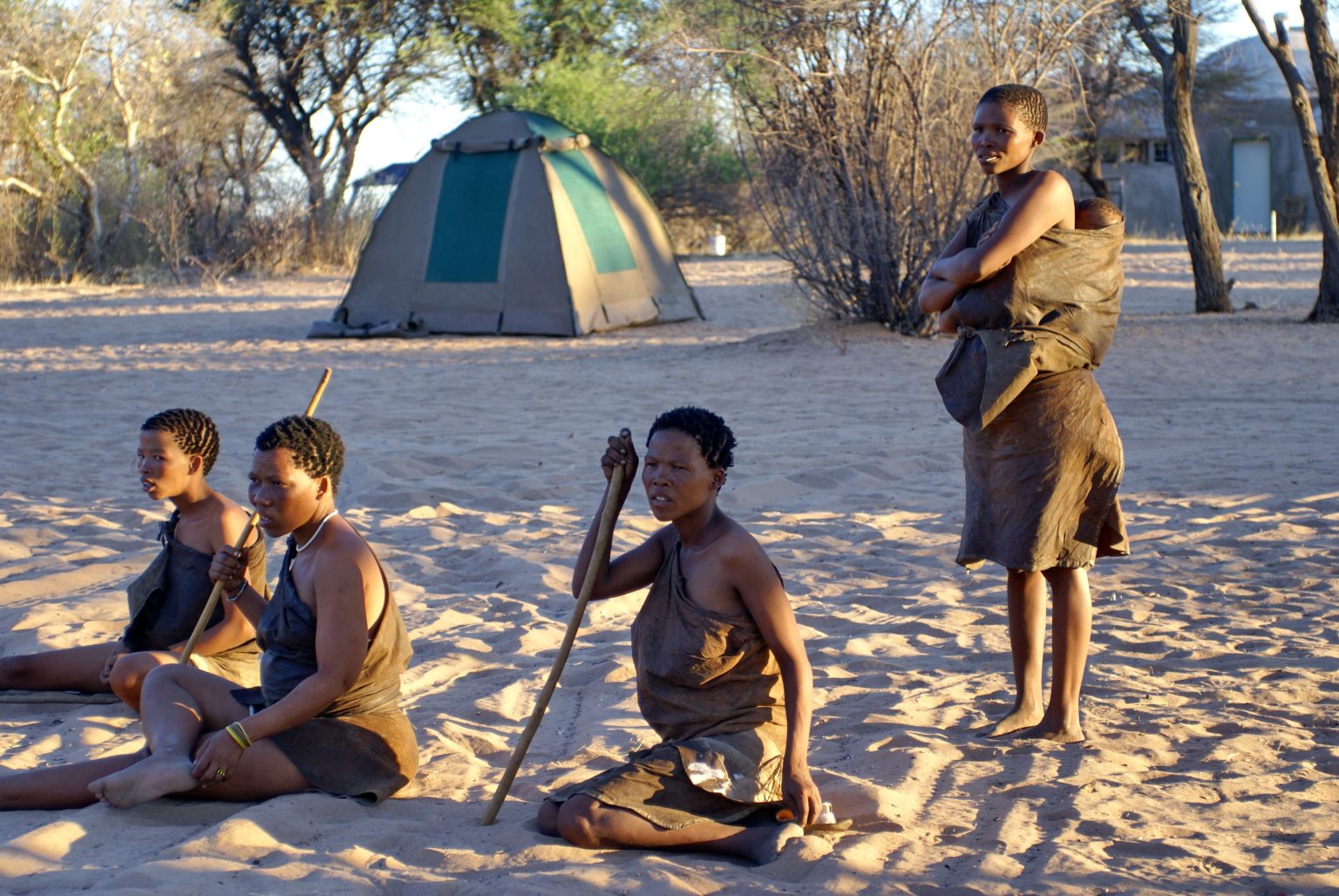
What people wear in the beautiful Kalahari Desert is more than just a fashion statement. The clothes here are made by the wind and dust. As they show how closely people are linked to their ideas and the world around them, they tell a story of survival and identity. It discusses how the clothes the desert people of Botswana wear reflect their culture, morals, and drive to succeed.
- What the Desert Looks Like and How It Changes
- The San: The Clothes of the Earth
- The Tswana: How Beautiful Clothes and Rituals Are
- How and Why the Herero Are Strong and Important
- How Well the Work and Materials Were Made
- Adorn Your Body and Jewelry
- Things That People Wear to Events and Rituals
- Being Proud of Your Town and How It’s Seen Now
- Clothes From the Past Are Becoming Popular Again
- A Look at How Women Keep Memories Alive
- Meeting People From Other Countries While Traveling
- What I Feel About Clothes
- Time and Spirit Threads
Botswana’s San (Bushmen), Tswana, and Herero people wear traditional clothing that protects the body and tells the story of the mind.
The people who live in Botswana’s desert make their traditional clothes from things they find in nature, ideas from their religion, and the harsh desert environment. This is proof of how closely history, society, and climate are linked.
What the Desert Looks Like and How It Changes
How the Weather Was Made
In the Kalahari Desert, there is more than just dead sand. The summer highs are above 40°C and the winter lows are close to freezing. The area is big and mostly flat.
In this weather, your clothes need to let air flow and keep you safe. This has been the case for a long time among desert groups.
Wearing animal coats or layers of clothes can keep you warm at night. Loose, light clothing keeps you cool and shields you from the sun during the day.
These Are the Colors That Living Things Use
There are desert clothes in brown, yellow, white, and soft reds that look like the ground.
These colors show that you respect the land, keep hunters at bay, and are humble in the face of nature’s power.
The San: The Clothes of the Earth
How Simple It Is to Use
The San are the oldest people in Africa still alive. Their way of life is most like the pace of the desert.
Their traditional clothes are simple, useful, and strongly connected to the land.
The thongs that men wear are made of softer animal skins and are tied around their waists or necks.
Women often wear skirts with beads or shells made of leather or plant fibers. Kids can play and run around without clothes on until they are teens.
What Leatherwork Means and How to Do It
Sometimes ash and fat are used to tan animal hides, such as antelope or springbok hides.
No two are the same because they are all made by hand. The hides are more than just clothes; they protect you and show respect for the animal.
In their belts, headbands, and bags, people carry charms, tools, or plants.
Chains and Beads for the Body
The San people are known for making beautiful, small, sphere-shaped beads from white ostrich eggshells.
Each pin represents skill and hard work.
A ring or necklace made of bone, seed, or shell can show that you are old, powerful, or part of a family.
Ochre and ash are also used to paint the body for traditions and beauty, a mix of art and identity.
The Tswana: How Beautiful Clothes and Rituals Are
From Skin to Clothes
The Tswana are Botswana’s largest ethnic group. They used to dress in animal skins, but now, because of trade and modern life, they wear cotton and wool.
The clothes they wear show how they’ve changed but still stay true to who they are.
In the past, men wore loincloths or short skirts. These days, they wear green shirts and a cotton wrap (tshega).
Women often wear long skirts, scarves, and wraps that match to show that they belong to a certain group or have a certain standing.
The Wrap and the Shawl
Leteisi, a brightly colored piece of cloth, is important to Tswana women in both traditional and everyday ways.
It can be a skirt, a scarf, or a way to carry a baby.
Points, lines, and curves, like triangles, zigzags, and circles, can be found on many things. These forms mean safety, balance, and a healthy family.
Dresses for Important Events
Tswana clothes become bright and important for holidays, weddings, and deaths.
Men wear kobo blankets in their clan’s color, and women wear layered skirts and hats.
Jewelry, which is usually made of metal or beads, adds style and meaning.
How and Why the Herero Are Strong and Important
What Everybody Should Wear
Botswana’s Herero people are known for their Victorian-style dresses and horn-shaped headdresses.
These clothes were brought to the area by preachers and colonists in the 1800s. They were used as signs of respect and resistance by the Herero people, though.
The bright, flowery clothes that Herero women wear, which are big and open, keep them cool in the desert and show how strong they are.
How the Horn’s Top Is Put Together
There is a psychic link between humans and animals through the otjikaiva, a piece of jewelry resembling bull horns.
This is what makes the Herero people rich and gives them life.
What people wear can tell you a lot about how they live, change, and find their own way.
How Well the Work and Materials Were Made
Sources Often Used
- Shoes, belts, and clothes are all made from animal skins.
- Plant fibers are used to make both clothes and ropes.
- People used to sell cotton and wool, but now they are mixed with tradition.
- A lot of different meanings are hidden in jewelry made of shells and beads.
How to Make Things
The women are responsible for making clothes and ornaments.
Plant juices are used to color softer hides, and fiber thread or sinew is used to bind them together.
In cloth crafts, each thread is meticulously stitched and has its own story to tell.
What Colors Really Mean and How They Work
- Brown or beige: Earth is humble and even.
- Red: A clear mind and a pure heart. Life, blood, and not giving up.
- Bluish-green: The sky, peace, and family history.
- Being able to tell right from wrong and having dark magic.
Botswana’s desert clothes talk to you through color. Words are sewn into the cloth, which you can see.
Adorn Your Body and Jewelry
Making Beads
You can talk to people with beads, too, not just look good.
For both the San and the Tswana, the colors and designs of beads show who they are, how they feel, or what’s going on.
A band can keep bad luck away, and a necklace might make you think of a wedding.
People link up with their neighborhood through beads.
The Things That Are Used to Make Jewelry
Things that people find in the desert are used to make jewelry:
- You can stay clean with an ostrich skin.
- Bone for strength.
- Plant seeds so they can grow.
- Use metal to make something strong.
- Family items passed down through the years bring together people from the past and the present.
Things That People Wear to Events and Rituals
Where It Came From and How It Began
To show they are clean, babies are wrapped in cotton or soft animal hides at birth.
During initiation events, teens are given new clothes to mark their transition to adulthood. It’s your job to make the first thing by hand.
Service
A wedding has many different colors and countries.
The clothes that Tswana women wear are different. In San, women wear leather skirts with beads.
Story after story about love, family, and how to make things last.
A man could wear a robe or a dress with belts, bead strings, and stitching.
Botswana’s clothes and music go well together, so at the end of the group, they drum, dance, and sing.
Funerals
Things go better when you’re sad.
To respect your ancestors, you can wear black clothing, simple wraps, and little makeup.
As a way to be kind and help people feel better when they are upset, families often give clothes to people who need them.
Being Proud of Your Town and How It’s Seen Now
Clothes From the Past Are Becoming Popular Again
Botswana’s cool designers are making clothes that look good in today’s world, that are inspired by the desert.
Around the world, catwalks show off the beautiful clothes that fashion shops in Gaborone and Maun make. It contains Herero shapes, Tswana leteisi, and San beads.
A lot more than just clothes is going back in style. You should also use your skills to keep the culture alive.
A Look at How Women Keep Memories Alive
There are many ways that women still make things.
To keep traditional art alive, they teach kids how to sew, weave, and paint.
Meeting People From Other Countries While Traveling
It is possible for tourists to see how people in D’Kar, Ghanzi, and Tsootsha make clothes out of fabric and animal skins.
Tourism projects encourage fair business practices and also give people in rural areas power and a focus on reality.
What I Feel About Clothes
The Clothes as a Link
In the desert, people dress in ways that link them to each other, the land, and the past.
One piece of cloth can mean family, love, or safety.
One way to tell your story is to dress in traditional clothes.
What Being Humble Means and How to Do It
When you dress properly, it shows that you care about the people and the world around you.
People in Botswana’s desert culture think that simple things are beautiful and that customs are very important.
How to Make Changes and Stay Yourself
Desert tribes still wear their native clothes, even though modern styles have spread.
It’s still the same to be loyal, humble, and determined, even if the clothes change.
Time and Spirit Threads
Folk clothes from Botswana’s bush are made from beautiful, strong fabric.
The Herero women wear beautiful dresses, the Tswana women wear bright wraps, and the San people wear skins adorned with beads. These clothes all show that you are proud, adaptable, and a part of the group.
We can learn from the Kalahari people that to be truly elegant, you need to be linked to your ancestors, your people, and your country.
Every drop of water and blade of grass in the Kalahari still says “We remember” when the desert is quiet. We keep going forward. I’m one with the Earth.